Stepping onto a small piece of land with the intention of growing food or raising a few animals is exciting and a little intimidating, and the right gear eases the learning curve and protects both your effort and your investment.
In this guide I’ll walk through the equipment a small-scale beginner is most likely to need, explain why each item matters, and offer practical tips for buying, maintaining, and using tools so you don’t overspend on things you won’t use.
My experience comes from seasons of trial and error on a two-acre hobby farm where I learned that well-chosen basics beat a garage full of gadgets every time; the goal here is a compact, realistic starter kit that grows with you.
Содержание
Planning your space and setting realistic goals
Before you buy any tool, take time to define what success looks like for your smallholding, because equipment choices follow function: vegetable beds need different gear than an orchard or a backyard chicken setup.
Measure and map your property, noting sun patterns, slope, soil type, and existing structures, and sketch at least a one-year plan that sequences projects so you can buy tools as they become necessary rather than all at once.
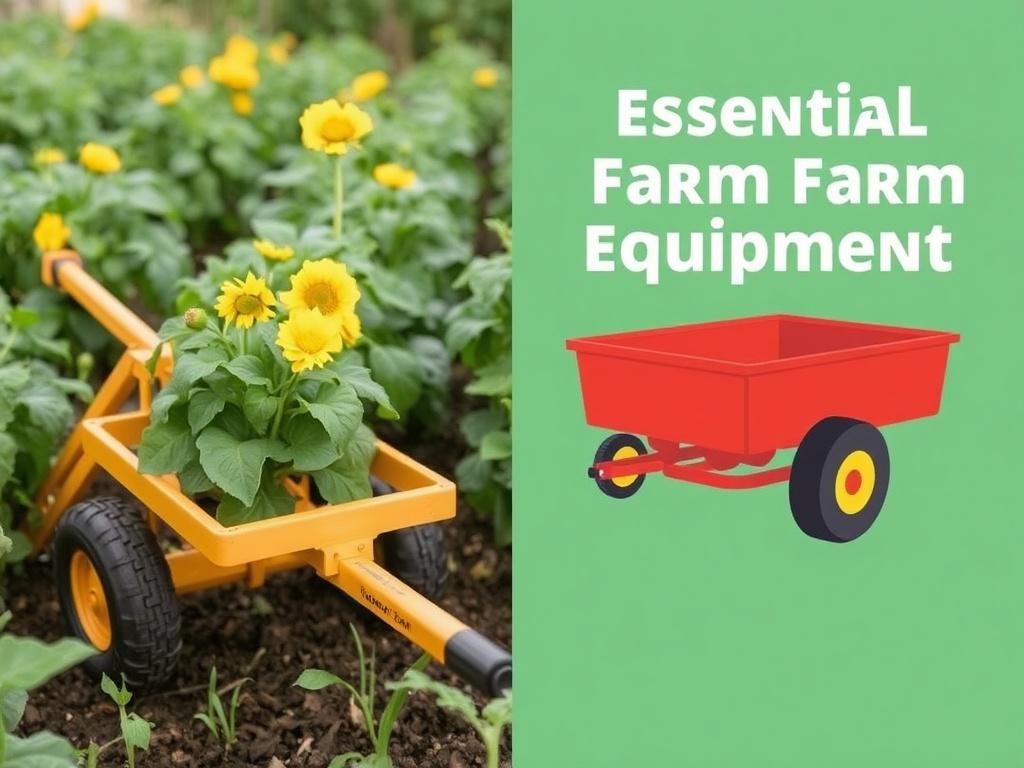
Begin with lower-cost, high-impact investments—fencing, water access, and a reliable wheelbarrow—then phase in power equipment only when you reach the point where hand tools slow your work unacceptably.
Think about time and labor: if you have limited time, prioritize mechanized help for repetitive heavy tasks; if you enjoy physical work and want to minimize expense, choose ergonomic hand tools and commit to good technique.
Soil and ground preparation: the foundation of everything
Healthy soil underpins every successful small farm, and the first tools you’ll need include a soil test kit, a sturdy spade, and a good-quality garden fork; these let you diagnose problems and take corrective action without guessing.
Invest in a soil test through your local extension or a reputable lab to learn pH, nutrient levels, and organic matter; that single test can save you hundreds by targeting amendments rather than treating by sight alone.
A wheel hoe or broadfork will pay off where you want to maintain bed structure and minimize compaction, especially in raised or permanent beds where a rototiller would destroy soil aggregates and microbial networks.
Essential hand tools and handheld gear
Hand tools are the workhorses of a small operation because they’re versatile, low-maintenance, and often cheaper than power equivalents, so pick quality over quantity and favor tools with comfortable grips and replaceable parts.
Core items I recommend for most beginners include a spade, digging fork, rake (both leaf and garden types), hoe for weeding, durable hand trowel, pruning shears (anvil and bypass if you’ll do woody pruning), and a good pair of work gloves that fit correctly.
Here’s a concise checklist that I keep on a laminated card in my shed to avoid impulse buys and to help me prioritize purchases over the seasons:
Spade and digging fork
Garden rake and leaf rake
Hand trowel and hori-hori knife
Hoe and cultivator
Pruning shears and loppers
Heavy-duty work gloves and knee pads
Power tools and small machinery that earn their keep
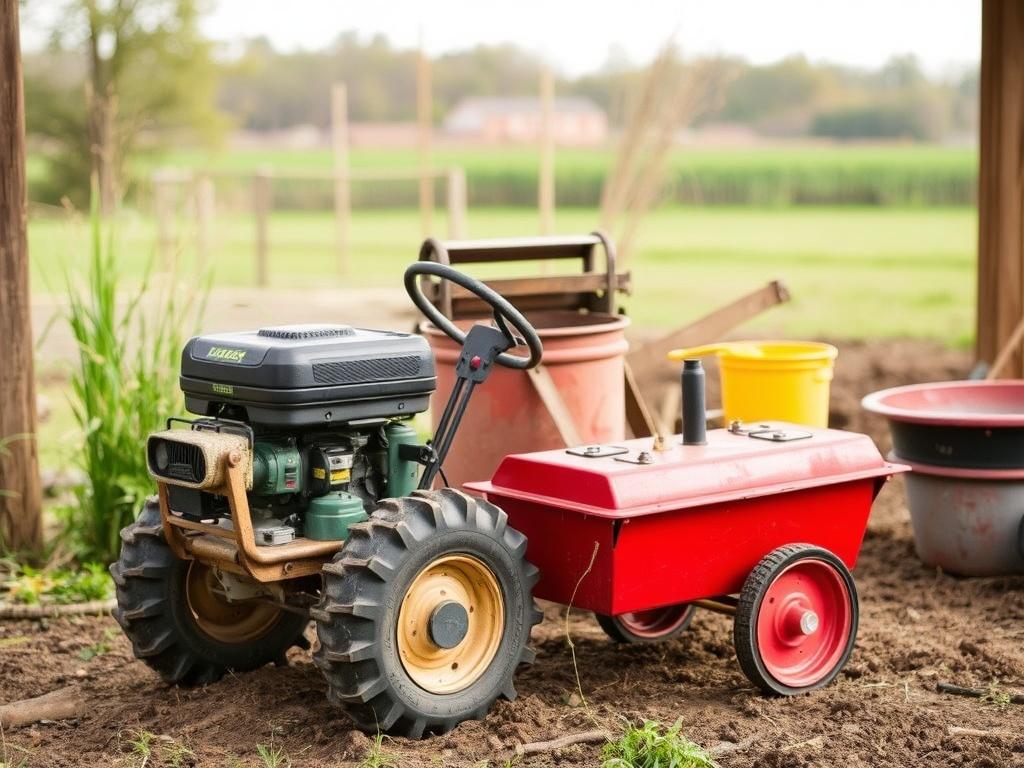
When your plot grows beyond a few beds or the workload becomes repetitive, small power tools save time and reduce wear on your body; useful items include a rototiller or cultivator, a string trimmer, a small push mower, and a pressure washer for cleaning equipment.
Choose a walk-behind tiller with adjustable tine settings if you will prepare new beds occasionally, but avoid over-tilling—use power tillage for initial work and hand or broadfork methods for long-term maintenance to preserve soil structure.
Battery-powered tools have matured and now offer quieter operation, lower maintenance, and fewer emissions, making them a good option for suburban or low-impact sites, though gas equipment still wins on heavy-duty, continuous work where power and run time matter most.
Tractors and attachments: choosing the right size
For many small-scale beginners the word “tractor” conjures an image of a large farm machine, but compact and subcompact tractors are designed for small acreage and can handle mowing, light tilling, snow removal, and loader work without the expense of larger models.
Selecting the right tractor depends on tasks, terrain, and storage, and it’s easy to overspend on horsepower you won’t use; instead, list the jobs you expect the machine to perform and match attachments to tasks before choosing engine size or model.
I learned this the hard way when I bought a larger model for future-proofing only to find its fuel and maintenance costs outweighed the benefits; a smaller tractor with the right loader and mower would have been a better fit for our needs.
Below is a simple comparison table that highlights general differences between common compact options to help you narrow choices based on acreage, typical implements, and maneuverability.
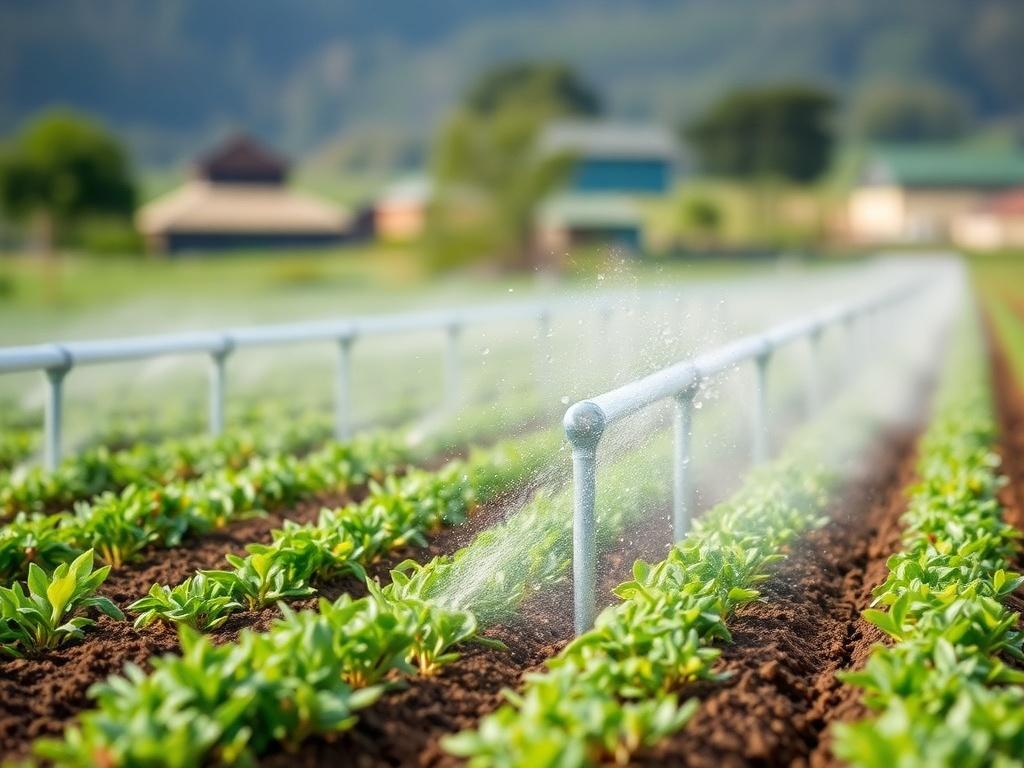
Water is life for plants and animals, and solving water access early prevents endless improvisation; a reliable water source, plus simple irrigation tools, will save labor and increase yields noticeably in dry spells.
Begin with a rainwater collection system or tap into a reliable municipal or well supply, install a basic frost-proof spigot where you work most, and run durable hoses with quick-connect fittings to simplify setup and storage.
For irrigation, a soaker hose or drip system paired with a timer provides water directly to the root zone with high efficiency and minimal labor, and it reduces disease by keeping foliage dry compared with overhead watering, which is especially beneficial for vegetable gardens and newly transplanted perennials.
Poultry and small livestock basics
Raising chickens, a few goats, or compact livestock changes equipment needs quickly, with essentials centering on shelter, feeders, waterers, fencing, and basic health supplies like a first-aid kit and deworming tools when recommended by a veterinarian.
Chicken keepers should prioritize predator-proof coops and secure run areas before bringing birds home; automatic or gravity waterers and feeders simplify daily chores, while portable electric netting gives flexibility for rotational grazing on small pastures.
For small ruminants or pigs, secure fencing rated for the species and a reliable shelter that provides dry bedding and shade are the highest-impact purchases; additional tools like a stock trailer, halters, and a robust grooming kit come later as your operation grows and you begin handling animals more frequently.
Structures, storage, and fencing that match scale
Good organization reduces work friction: a compact shed for tool storage, covered space for fuel and oils, and weatherproof containers for seed and fertilizer prolong equipment life and make daily tasks quicker and safer.
Fence choices depend on animals and budget: welded wire and electric netting are affordable and flexible for small flocks and paddocks, while post-and-rail or woven wire suits larger livestock but costs more up front; always install gates that are wide enough for equipment access to avoid moving fences later.
Think modular: a small, movable coop or portable electric fencing allows you to adapt to changing plans and learn what spatial layout suits your routine, and well-placed storage reduces trips back and forth, saving time and decreasing the temptation to skip chores when the weather turns poor.
Harvest, postharvest, and storage tools
Harvesting tools often go overlooked until crop time arrives, but sharp shears, fruit picks, sturdy harvest buckets, and crates that stack well will make that busy period move more smoothly and protect your produce.
For root crops and tubers, a digging fork and shallow spade prevent damage; for leafy vegetables, a quality salad spinner and cool storage space keep product crisp longer, which matters for both home use and small-scale sales.
Consider a small cold storage solution like a chest freezer or a used walk-in cooler if you plan to keep large quantities or extend storage life, and invest modestly in packing materials—crates, labels, and breathable bags—if you’ll sell at markets, because presentation affects customer perceptions and reduces waste.
Safety, maintenance, and workshop setup
Safety gear is non-negotiable and often inexpensive compared with the cost of an injury; stock the workshop with safety glasses, hearing protection, respirators for dusty work, first-aid supplies, and a durable pair of steel-toe boots for heavy tasks.
A small, organized workshop with basic tools—angle grinder, drill, bench vise, selection of wrenches and sockets, and spare belts and filters—keeps maintenance localized and prevents long downtime when the tiller or mower needs a quick fix.
Implement a simple maintenance log for each piece of equipment that notes oil changes, blade sharpening dates, and filter replacements so you can track wear and spot patterns that suggest upgrades or technique changes; consistent maintenance lengthens equipment life and preserves resale value when you upgrade.
Buying used vs. new: how to decide and inspect purchases
Stretching your budget often means buying used, and many tools and machinery hold up well with proper maintenance, though careful inspection is crucial to avoid inheriting expensive problems like transmission issues or snapped frames.
For used items, look for service records, test-run the equipment under load if possible, inspect belts, bearings, and hydraulic lines for leaks and cracking, and take a knowledgeable friend or mechanic along for tractors or complex machines to spot red flags you might miss.
Smaller items—hand tools, wheelbarrows, and basic power tools—often offer good value used, but be sure to check for rust in load-bearing areas and test batteries or motors; when in doubt, prioritize reliability for items you’ll rely on weekly, and consider warranties or seller return policies for higher-priced purchases.
Tools and techniques for small-scale crop systems
Row covers, cold frames, and low tunnels extend the growing season and let you phase in purchasing more expensive infrastructure by increasing yields on existing beds rather than acquiring new land or powered equipment immediately.
Mulching and no-till or low-till approaches reduce the need for repeated soil disturbance, saving time and limiting erosion; tools that support these methods—broadforks, wheel hoes, and a quality mulch layer—are better long-term investments than repeated rototiller use.
For small-scale market growers, a simple scale, padded crates for packing, and labeled harvest bins help maintain quality and traceability; these operational tools cost little but elevate your ability to deliver a consistent product and keep customers coming back.
Seasonal checklist: what to acquire and when
Phase purchases by season and project: winter is ideal for buying larger tools like tractors or mowers when demand and prices can be lower, late winter is the time to buy seeds and plan irrigation, and spring is when hand tools and soil amendments become urgent priorities.
Create a seasonal calendar for planting, irrigation checks, equipment servicing, and fencing repairs; this helps you buy what you really need just before it matters, smoothing cash flow and preventing unused gear from collecting rust in the corner of your shed.
My personal rhythm became simple: fall for purchase planning, winter for repairs and research, early spring for soil prep and seed starting, and summer for harvest and incremental investments based on what bottlenecks I encountered, which meant I invested confidently rather than reactively.
Practical tips for storage, transport, and small repairs
Store fuel in approved containers inside a ventilated, locked area and keep a small inventory of common spare parts like belts, filters, spark plugs, and shear pins so minor breakdowns don’t take you out of production for days while you wait for a part.
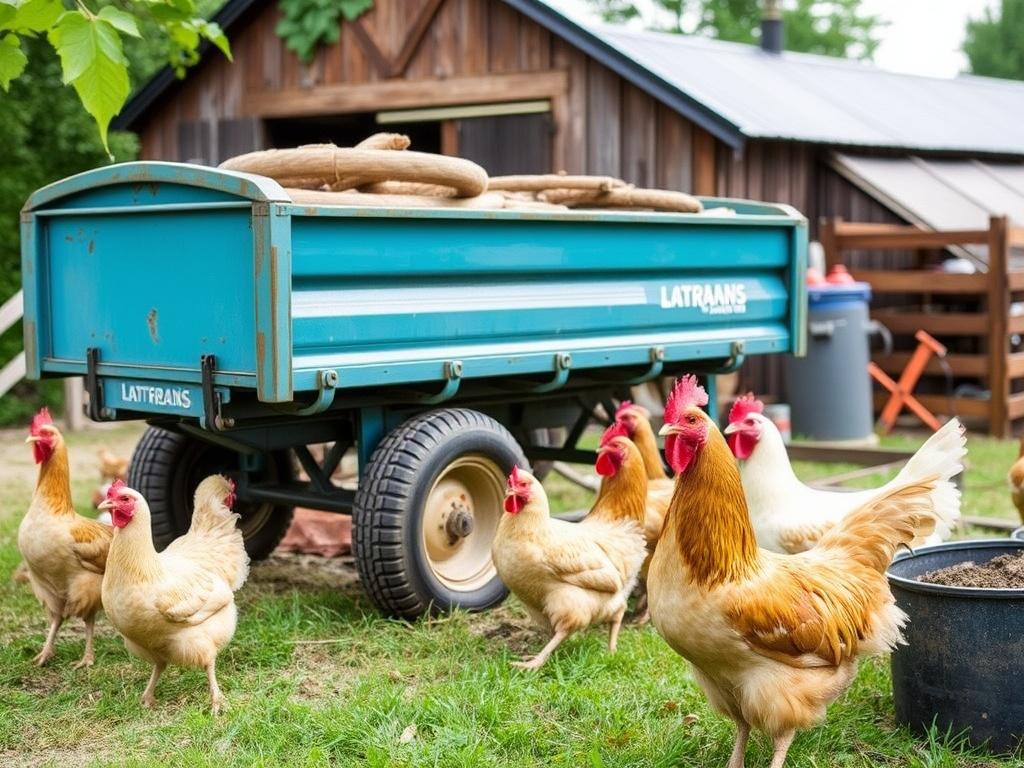
Use a basic trailer or truck bed with tie-downs for equipment transport and practice safe loading so you don’t damage machines or create hazard situations; a couple of ratchet straps and a set of ramps are inexpensive and dramatically increase the number of tasks you can handle yourself.
Routine sharpening and blade care for mowers, pruners, and hoes preserve efficiency and cut frustration, and a dedicated sharpening stone or file kept in the workshop often pays back its cost in improved tool performance and fewer injuries from lopsided blades or repeated force.
Low-cost innovations and DIY upgrades
Small-scale farming rewards creativity: a pallet converted into a compost bin, a repurposed refrigerator used as a cold frame, or homemade trellises built from reclaimed cedar can perform as well as expensive commercial alternatives if designed thoughtfully.
Simple DIY projects like building a folding workstation for potting, a rain barrel platform with a screened top for mosquito prevention, or a raised bed composed of rot-resistant lumber maximize utility while minimizing cost, and they build skills that make later investments wiser.
However, recognize where skills and time offer diminishing returns; welding a trailer or rebuilding a carburetor may be rewarding but also risky if done improperly, so balance do-it-yourself projects with professional help when safety or liability is a concern.
Record-keeping, productivity, and learning resources
Keeping clear records of plantings, yields, feed usage, and maintenance costs turns anecdotal learning into repeatable practice, and a simple notebook or spreadsheet is enough to reveal trends that guide future purchases and crop choices.
Use local extension services, small-farm forums, and cooperative agriculture classes to supplement hands-on experience; these resources often provide free, region-specific advice on pest cycles, soil amendments, and grant opportunities that offset equipment costs.
Attend a few local farm tours or small-animal workshops because seeing how neighbors solve similar problems often sparks practical solutions and helps you avoid common mistakes, and these community connections become invaluable for bartering tools, labor, and advice.
Preparing for growth: when to upgrade and scale
As productivity increases, revisit the equipment list and ask whether new purchases will reduce labor, increase quality, or open new market opportunities; if not, defer upgrades and invest in efficiency improvements like a more organized workflow or better storage instead.
Upgrade when a machine consistently limits output or safety, such as a mower that can’t handle acreage efficiently or a tractor lacking hydraulics needed for a frequent attachment; planned upgrades timed to seasons and income streams are less stressful than emergency purchases.
Maintain a wish list with anticipated costs and expected returns so that when a good used piece appears you can act quickly and rationally, and keep depreciated equipment in good repair as a reliable fallback if a newer purchase has teething problems.
Taking the first steps on a small farm is both practical and personal; start with core tools that solve real problems, invest in maintenance and safety, and choose equipment that matches your physical capacity and ambitions so your small-scale operation feels manageable and rewarding from the first season onward.