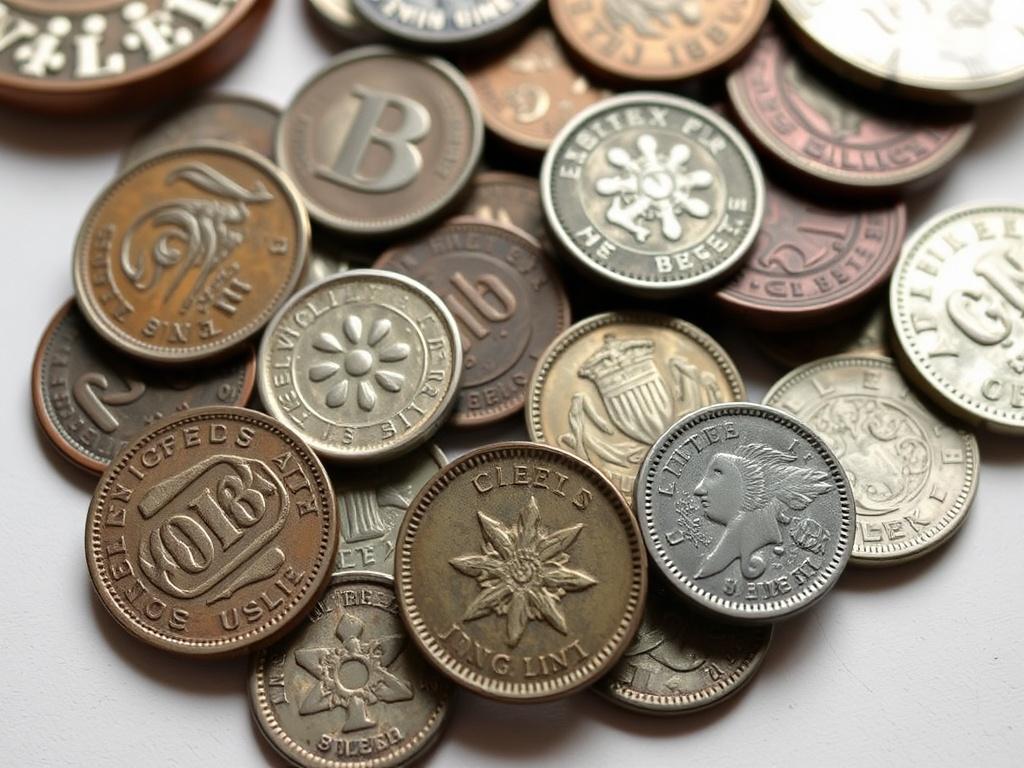
Dusty jars, shoeboxes and the bottoms of drawers hide small metal time capsules that can be surprisingly valuable. Whether you inherited a roll of coins or found a few in spare change, knowing where to begin is the most useful skill you can develop when checking the value of old coins.
Содержание
Why some coins command prices while others don’t
Value springs from a combination of rarity, condition, and demand, not from age alone. A common free coin identifier app from the 1800s can be worth little if millions were struck, while a scarce 20th-century error or low-mintage issue can attract serious collectors.
Historical importance and metal content also matter; coins struck in silver, gold, or with historical significance often carry intrinsic or collector value. Market trends shift too—what collectors prize today may change as tastes, research, and discovery evolve.
Key factors that determine value
Rarity covers both how many coins exist and how many survive in collectible condition. Mintage numbers give a general sense, but survival rate and the particular varieties (like different mintmarks) have a bigger impact on price.
Condition, or grade, affects value exponentially: slight wear can halve a coin’s price, while mint-state examples often fetch multiples of circulated pieces. Demand is the final ingredient—some series are perennially popular while others draw niche interest.
Understanding coin grading at a glance
Professional grading companies use a detailed scale to evaluate condition, but you can learn to spot obvious differences with a little practice. Grades range from poor and fair up through very fine and uncirculated, with finer grades showing sharper detail and fewer marks.
Below is a compact table that summarizes common grade labels and what to look for when you handle a coin.
Grade
What it means
Poor to Fair
Major wear; design barely visible, often damaged or corroded
Good to Fine
Design visible but worn; many details smoothed by circulation
Very Fine to Extremely Fine
Moderate wear with most major details remaining
Uncirculated / Mint State
No wear from circulation; full luster possible, may have contact marks
How to begin identifying coins at home
Start with a clear photograph or careful examination under a bright light and magnifier. Record any dates, mintmarks, and obvious errors or varieties; these short notes are invaluable later when you consult price guides or forums.
Use an ordered approach: clean your workspace, handle coins by the edges, and separate modern, base-metal pieces from older silver and gold coins. If you’re unsure whether a coin is precious metal, a simple magnet test and a quick weight comparison can hint at composition without harming the piece.
Sort coins by country, date, and metal (silver/gold vs base metal).
Note mintmarks and any unusual features like doubled dies or off-center strikes.
Photograph both sides with consistent lighting for reference and listings.
Useful online resources and price guides
Catalogs and price guides are starting points, not gospel. Sites like PCGS, NGC, Krause catalogs, and auction archives provide ranges and realized prices; use them to form a realistic expectation rather than a single definitive number.
Forums and specialist communities can be surprisingly helpful for obscure issues, but treat amateur opinions as guidance rather than verification. When possible, cross-check multiple sources and look at recent auction results to see what buyers are actually paying.
Common mistakes collectors make
Avoid cleaning coins. Harsh scrubbing, dips, or polishing can destroy surface details and dramatically reduce value, often more than any dirt ever could. Collectors routinely pay a premium for original surfaces, even if they look imperfect.
Another frequent error is misreading circulated condition as low value. Some coins retain real collector demand in well-worn states, especially if a scarce date or mintmark is present. Conversely, a pristine modern commemorative usually lacks the historical demand to justify a high price.
When third-party grading makes sense
Sending a coin to a reputable third-party grading service can boost buyer confidence and often improves liquidity for high-value pieces. Grading adds costs and turnaround time, so it’s usually reserved for coins where the grading fee is small compared to the coin’s likely market value.
If a coin has potential rarity, an unusual error, or you plan to sell at auction, professional certification is worth considering. Also remember that grading is an opinion by experts—different services sometimes assign slightly different grades, which is why provenance and auction results remain valuable.
Practical tips for photographing and documenting a find
Good photos sell coins. Use a plain, neutral background, steady lighting that avoids reflections, and include both obverse and reverse in close-up. A ruler or a standard object for scale can be helpful, but avoid clutter that distracts from the coin’s features.
Documenting a coin’s story improves buyer trust: note where and how the coin was found, any accompanying paperwork, and whether it has been in a collection for years. Brief provenance notes sometimes influence sale price, especially for desirable pieces.
Where to sell and how to choose
Your options include local coin dealers, auction houses, online marketplaces, and coin shows. Dealers offer convenience and immediate payment but usually pay wholesale prices; auctions and online sales may fetch higher prices but include fees and time investment.
For higher-value coins, seek multiple opinions. Request dealer offers from two or three trusted sources, or consider consigning to a reputable auction house if the coin appeals to collectors who follow that market. Small sales may be best handled locally to reduce fees and shipping risk.
Preserving coins for future value
Proper storage prevents damage and preserves value. Use inert holders, mylar flips, or acid-free envelopes and keep coins in a stable, low-humidity environment away from direct sunlight. For long-term holdings, archival albums or sealed capsules are simple and effective.
Handle coins minimally and always by the edge, using cotton gloves when appropriate. Resist the urge to polish or use household cleaners; surface chemistry matters, and improper treatments can irreversibly harm patina and detail.
Personal example: a jar that surprised me
Years ago I sorted a neighbor’s attic box of mixed coins and found a small silver coin that looked dull and ordinary at first glance. After careful cleaning with a soft brush and consulting a reference, it turned out to be a low-mintage piece that a regional collector sought, and the sale covered several months of collecting expenses.
The lesson was simple: patience and a methodical approach pay off. Small finds often need a second look, especially when combined with solid documentation and a willingness to consult knowledgeable people rather than jumping straight to cleaning or quick sales.
Valuing coins blends detective work with market sense: identify accurately, grade conservatively, and consult multiple sources. If a piece seems important, get a professional opinion before making irreversible choices.
Keeping careful notes, photos, and modest expectations will serve any collector or finder well. Over time you’ll build an eye for which pieces deserve grading, which should go to auction, and which make a pleasant memento of a past era.