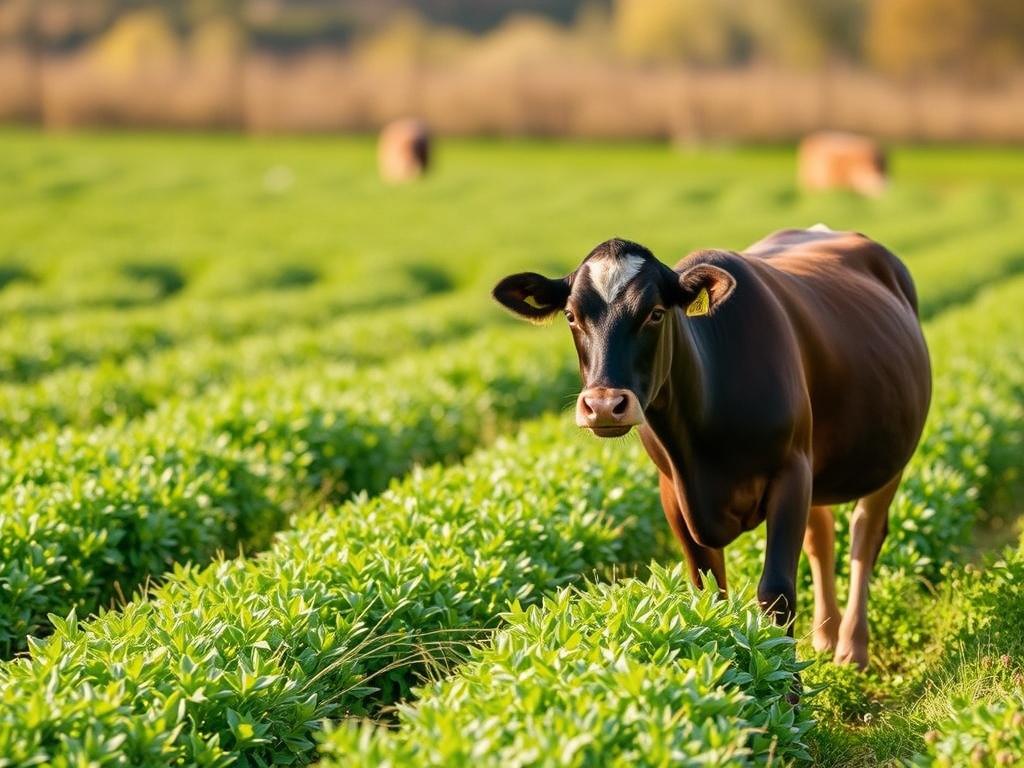
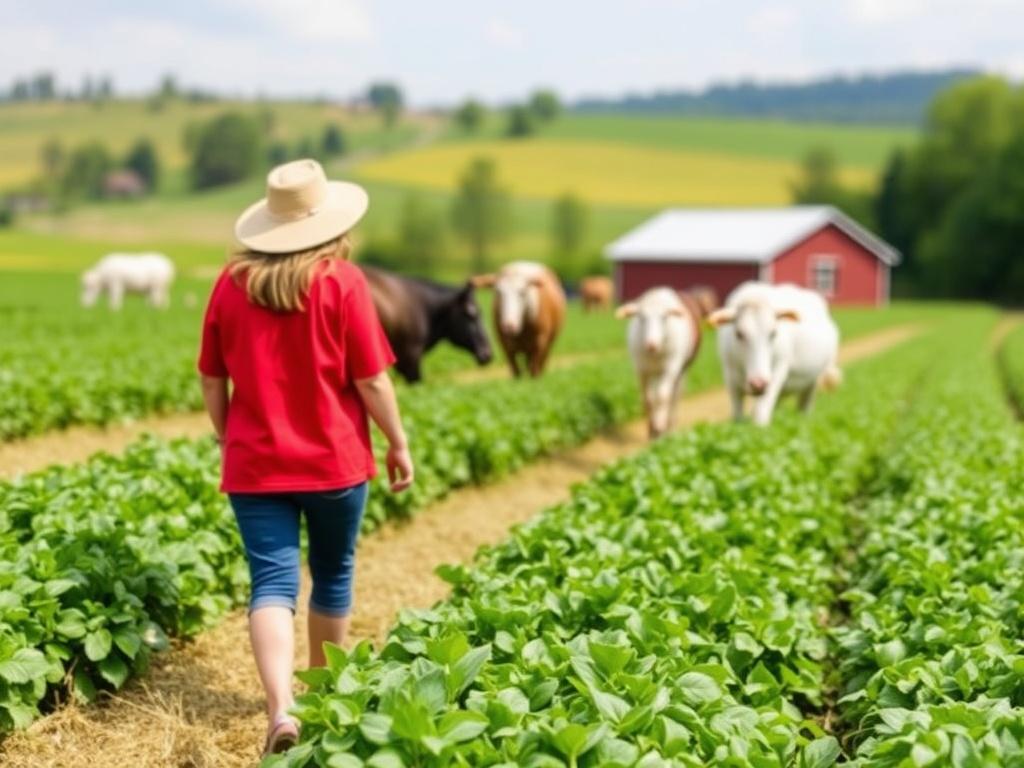
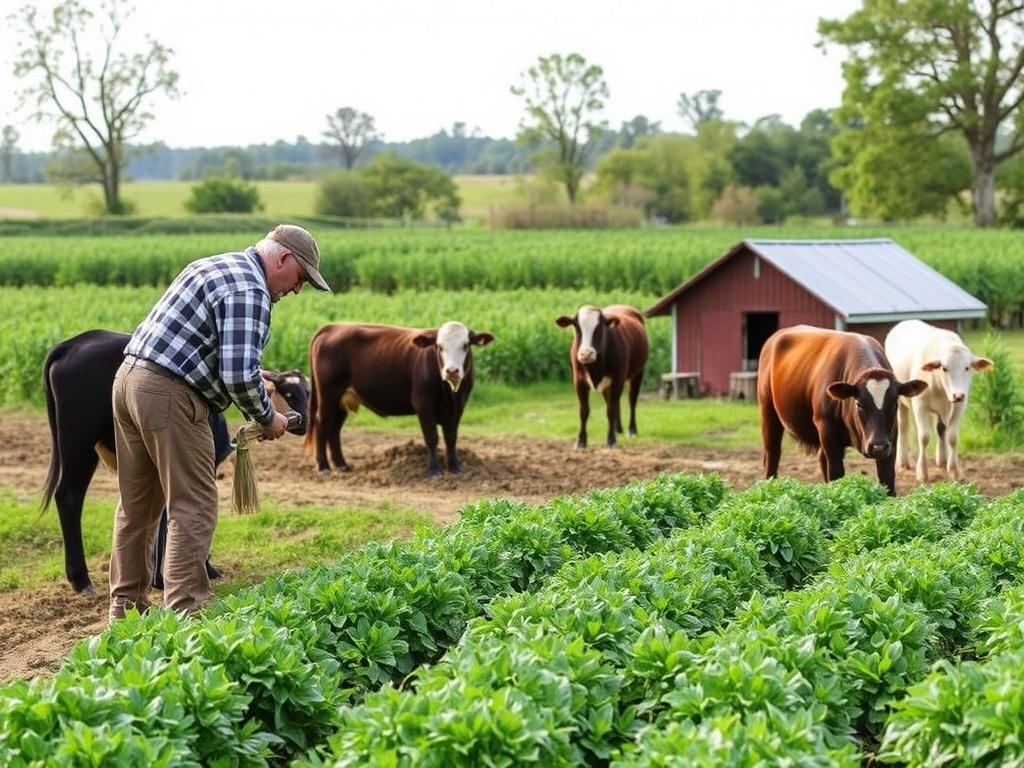
People buy more than food; they buy trust, a sense of place, and a relationship with the land that grew it. Building Brand Loyalty and Telling Your Farm’s Story is not a marketing tactic you tack on when you have time — it’s the daily, honest work of making your farm known and loved. This article maps practical steps, real examples, and a 90-day plan so you can turn casual customers into repeat buyers and advocates.
Содержание
Why brand loyalty matters for small farms
Revenue from repeat customers stabilizes cash flow and makes harvest planning less frantic. When a customer feels connected to a farm, they tolerate higher prices, seasonal gaps, and product variability because they trust the people behind the produce. Loyalty also lowers marketing costs: word-of-mouth from devoted customers brings new buyers at a fraction of the cost of paid ads.
Beyond finances, loyal customers act as a buffer during tough seasons and a sounding board for new ideas. They offer honest feedback and become ambassadors at the farmers market, on social media, and in neighborhood conversations. That human network amplifies your story far more credibly than any single advertisement.
Defining your farm’s brand and story
You can’t share a story until you know what it is. Begin by documenting what you believe, what you do differently, and how your farm fits into your community. Clarify three to five core statements that explain purpose, methods, and value — these will be the backbone of every message you publish.
Branding is not only visual; it’s the promise you consistently deliver. If your promise is “ultra-fresh, sustainable vegetables,” your practices, packaging, and customer interactions must align. Inconsistency, even small slips, erodes trust faster than slow growth earns it.
Identify your core values and mission
List the values that matter to you: stewardship, transparency, heritage, quality, community. Translate each value into observable actions — for example, “stewardship” could mean composting, cover crops, or soil health updates. When customers see actions, values become believable and memorable.
Write a mission statement that is clear and practical. Avoid vague language. A good mission might read: “We grow seasonal vegetables for our neighborhood while regenerating soil and sharing knowledge through monthly farm tours.” That tells a buyer what you do and how you act.
Pinpoint your unique selling propositions
Ask which concrete things separate your farm from others: heirloom varieties, rare breeds, on-site milling, proximity to a city, or a commitment to no-till farming. These USPs are the hooks in your story and the reasons customers choose you over a commodity source. Keep the list short and promotable.
Translate each USP into everyday language for customers. Instead of “sustainable,” say “we rotate crops to lock carbon in our soil” or “our chickens free-range daily.” Specifics spark trust and curiosity better than broad claims.
Create a visual identity that tells the right story
Visuals — logo, color palette, fonts, and photography — communicate tone before words do. Rustic hand-lettering can suggest heritage, while clean sans-serif and bright photos can suggest modern, high-quality produce. Choose visuals that match your voice and repeat them across touchpoints.
Invest in simple, consistent photography. Fresh, well-lit images of produce, hands in soil, and seasonal scenes do more than look nice; they provide the sensory cues that anchor your story. Authentic photos of real people on your farm outperform staged stock images every time.
Storytelling fundamentals for farms
Storytelling is structured empathy: you arrange facts to let people feel, understand, and remember. For farms, that usually means centering the land, the people who work it, and the customers who benefit. Keep stories short, sensory, and human-focused — readers should be able to picture scenes in their minds.
Stories don’t have to be epic. A single anecdote about repairing a fence, the surprise of a new heirloom tomato, or a child’s delight at seeing a chick hatch can reveal character, values, and process. These small moments are often the most shareable and relatable.
Use characters to make the farm feel alive
Introduce the people who make the farm run — the farmer, the apprentice, the barn cat, even the soil scientist. Characters give narratives a face and a heartbeat; they let customers root for someone. Names and small details (a favorite tool, a morning ritual) make characters memorable.
Include customer characters as well. A profile of a CSA member who cooks with your produce or a market regular who recommends you brings the consumer into the story and models how buying from your farm fits into everyday life.
Set scenes with sensory detail
Words that evoke smell, texture, and color make stories vivid. Describe the dampness of the air after an early-morning irrigation, the aroma of basil bruised in hands, or the crunch of winter kale. Sensory detail helps customers mentally taste and touch your products, strengthening desire and recall.
Balance sensory flourishes with concise practical information. A paragraph that combines how your tomatoes smell with a note on harvest timing or storage tips both delights and educates the reader.
Introduce conflict and resolution
Good stories have tension. For farms, conflict can be weather swings, pest struggles, labor shortages, or market pressures. Sharing how you confronted a problem and adapted — perhaps through a new crop rotation or irrigation change — shows competence and resilience. Customers like to know you’re solving problems responsibly.
Be transparent about setbacks without dwelling on negativity. Frame challenges in terms of learning and action. Describe what you did, why it mattered, and how it improved product quality or farm sustainability.
Keep the voice authentic and human
Avoid marketing jargon and agricultural lecturing. Write like you’d speak to someone at a market stall — direct, friendly, and informative. Authenticity means admitting imperfections: “We’re experimenting with intercropping and learning as we go” reads better than “we are committed to perfection.”
Consistency in voice is essential. Whether you’re posting on Instagram, writing an email, or chatting at a market, the tone should feel like the same person showing up. That continuity builds trust and familiarity over time.
Channels to share your farm’s story
Different channels serve different roles in a storytelling strategy. Think of your website as home base, social media as the front porch, markets and CSAs as the living room, and email as a direct line to your best friends. Use each channel for what it does best and adapt the story format accordingly.
Not every farm needs every platform. Prioritize two or three channels where your customers spend time and where you can consistently post. Consistency beats presence across a dozen platforms with scattered, low-quality updates.
Website and blog: your permanent story hub
Your website should communicate who you are within seconds. A clear value statement, photos, product pages, and a visible calendar of events make it easy for visitors to engage. Include an “About” page that tells the farm’s origin story and mission in a few memorable paragraphs.
Use a blog for deeper stories: seasonal essays, harvest reports, or profiles of team members. Blog posts support SEO and keep content fresh. When customers search for “best summer tomatoes near me,” a few thoughtful posts can push your farm into search results and provide context beyond a simple product listing.
Social media strategies that feel personal
Match platform to content: Instagram for photography and short reels, Facebook for event sharing and community groups, TikTok for playful, behind-the-scenes clips, and LinkedIn for business partnerships. Each platform encourages a slightly different tone, but the story thread should remain intact.
Post consistently and use stories or short videos to show process, not just finished products. A 30-second clip of transplanting seedlings or a before-and-after photo of soil improvement tells more than a list of practices. Engage with comments, and respond like a neighbor rather than a faceless brand.
Email newsletters that convert and retain
Email remains the highest-ROI channel for many small businesses because it lands directly in a customer’s inbox. Use newsletters to share harvest timing, recipes, special offers, and personal notes from the farm. Keep emails useful — customers unsubscribe when emails feel repetitive or irrelevant.
Segment your list if possible: CSA members receive different updates than market shoppers. Tailored content increases engagement and reduces opt-outs. Include a clear call to action in each email, whether it’s reserving a CSA share, coming to an event, or replying with feedback.
Farmers markets, CSA pick-ups, and in-person events
Face-to-face interactions are where loyalty is built fastest. Your table at the farmers market is both a sales point and a storytelling stage. Train your team to share one simple story or fact with every customer — whether about a rare variety or a composting program — that they can remember and repeat.
Use CSA pick-up days to deepen relationships: set up a suggestion box, offer recipe cards, and invite members to monthly “meet the farmer” nights. Small events like a baking demo or a seed-starting workshop transform transactions into experiences that customers want to return for.
Creating experiences that build loyalty
Loyalty grows from consistent, positive interactions over time. Every touchpoint is an opportunity: a warm greeting, a helpful storage tip, an extra sample, or a quick follow-up email after a complaint. Design customer experiences with intention and measure what matters.
Think about the entire customer journey, from discovery to repeat purchase. Identify friction points — confusing signage, limited payment options, or unclear product labeling — and remove them. Smooth experiences lower the threshold for repeat behavior.
Farm tours and pick-your-own experiences
Tours and pick-your-own days are immersive and unforgettable. People remember the smell of a strawberry patch and the satisfaction of harvesting their own vegetables. These experiences convert casual interest into emotional ownership of the farm’s success.
Structure tours for impact: a short welcome that frames the farm’s mission, a walking route that hits key practices, and a tasting or activity at the end. Keep groups small when possible to preserve intimacy and allow questions.
Workshops, classes, and collaborations
Teaching strengthens community ties and positions the farm as a resource. Host workshops on fermentation, beekeeping, or soil health; partner with local chefs for pop-up dinners. These events produce memorable moments and create cross-promotion opportunities with allied local businesses.
Charge appropriately and offer free or low-cost options for community members who’d benefit most. Educational events can broaden your audience and generate new loyal customers who value expertise and connection.
Packaging, unboxing, and first impressions
Packaging is a tactile part of your story. A handwritten label, a recipe tucked into a box, or a map of the farm included in CSA bags turns an ordinary purchase into a personal exchange. These small details make customers feel seen and appreciated.
Design packaging to protect product and communicate values. Biodegradable or reusable materials signal environmental priorities, while simple, informative labels explain how to store and prepare items for maximum enjoyment. Make the first moment of interaction count.
Customer service as storytelling in motion
Every interaction with customers tells a piece of your story. Train staff to listen, empathize, and solve problems promptly. A quick apology and replacement for an unhappy customer can transform an irritated buyer into a lifelong supporter.
Document common customer questions and craft short, friendly responses. Consistency in customer service voice ensures that every interaction feels like it comes from the same person — the farm itself — whether it’s a team member at the market or a reply to an email.
Loyalty programs, memberships, and CSAs
Structured programs give customers a reason to return regularly. CSAs are a classic example: prepaid subscriptions provide revenue stability for the farm and convenience for customers. Other models include discount cards, referral rewards, and VIP events that offer deeper access to the farm.
Choose a loyalty model that fits your capacity and audience. A points program works well for retail-oriented farms, while a membership with seasonal perks may better suit a community-focused operation. Simplicity encourages participation — complicated rules discourage it.
Program type
Best for
Pros
Cons
CSA subscription
Regular produce buyers
Predictable revenue, strong community
Requires commitment from customers
Points or rewards
Market and retail sales
Encourages repeat purchases
Administrative tracking needed
Membership with perks
Local supporters and donors
High engagement, premium feel
Perks can be costly to sustain
Referral discounts
Word-of-mouth growth
Low cost acquisition
Dependent on existing customer network
Designing a loyalty offering that fits
Begin with a pilot. Offer a limited number of membership spots or a short-term rewards program and measure uptake. Pilots reduce risk and allow you to refine the offer based on actual customer behavior. Communicate clearly what members get and how long benefits last.
Consider non-monetary perks: early access to seasonal items, free entry to workshops, or a members-only harvest event. These experiences often cost less than discounts but deliver high perceived value and deepen relationships.
Measuring success and iterating
Track outcomes that tie directly to loyalty: repeat purchase rate, average order value of returning customers, churn from CSA memberships, and net promoter score. Numbers tell you what’s working, while comments and reviews tell you why. Combine both for a full picture.
Set simple benchmarks and review them monthly. A small farm can use a simple spreadsheet to track repeat customers and revenue per customer. If you’re using a point-of-sale system, export customer data quarterly and look for trends in purchase frequency over time.
Metrics that matter
Retention rate shows if customers keep coming back; repeat purchase frequency indicates habitual buying; average order value signals if customers are adding extras. Monitor these alongside qualitative indicators like social media engagement and direct feedback. Together they reveal both behavior and sentiment.
Pay attention to leading indicators that predict loyalty, such as email open rates and event attendance. If your newsletter engagement dips, loyalty may follow; respond quickly with fresh content or special offers to re-engage your audience.
Using customer feedback to improve
Solicit feedback intentionally and make it easy. Place short surveys in CSA pick-ups, ask for one-line reviews at the market, and invite comments on social posts. When customers see that you act on their suggestions, their investment in your success deepens.
Share changes publicly: “We heard you — we’re adding later market hours.” Public responsiveness shows listening and strengthens trust. Keep a log of suggestions and actions so improvements are visible and repeatable.
Crisis management and protecting your brand
Farms face unpredictable events: weather, food safety scares, labor disputes, or a viral social post. Preparation reduces panic. Create a simple crisis plan that identifies potential risks, who communicates, and the primary messages for different audiences.
Transparency is the best default in a crisis. If a delivery is delayed or a product recall occurs, acknowledge the issue quickly, explain what you’re doing to fix it, and offer a clear remedy. Silence or obfuscation erodes trust swiftly and widely.
How to respond when things go wrong
First, gather facts. Second, communicate early with the channels most relevant to affected customers. Third, offer remediation — refund, replacement, or a clear timeline for when the problem will be resolved. Close the loop by following up personally with impacted customers.
After resolving a crisis, document what happened and update processes to reduce recurrence. Turn the experience into a learning story for customers if appropriate, explaining how the change improves safety, quality, or service going forward.
Case studies and real-life examples
I once worked with a midwestern vegetable farm that doubled CSA renewals in two seasons by shifting storytelling focus from products to people. Instead of only listing box contents, the farm began sending a monthly “Meet the Team” email with a photo and a short anecdote from one worker. Members reported feeling more connected and were likelier to renew early.
Another farm I visited used a simple technique at markets: every purchase included a handwritten note about how to use the item that day. Customers posted photos of the notes online, and the farm saw a 15 percent bump in repeat visits over the season. Small, personal touches compound quickly.
A regional bakery-farm partnership
A bakery that sources grain from a local regenerative farm created a co-branded bread label highlighting the farm’s practices and a QR code that leads to a short film about the mill. The campaign linked both brands and increased traffic to the farm’s website, while the bakery reinforced its local artisan credentials. The partnership showed how aligned storytelling can multiply reach and credibility.
These examples share a common theme: authenticity and consistency beat flashy ads. Real people, candid details, and repeated, small interactions create durable affection for a brand.
Practical plan: a 90-day rollout to build loyalty
A structured but flexible 90-day plan helps you implement incremental changes without overwhelming your team. The goal is to create repeatable systems for storytelling and customer engagement that you can scale up later.
Start small, measure, and iterate. A steady cadence of realistic actions is more effective than an unsustainable sprint. Below is a practical checklist to get started and maintain momentum.
Day 1–30: foundation and quick wins
Document core values and a one-paragraph origin story you can use everywhere. Update your website’s “About” page and prepare a short introductory email for customers explaining the farm’s mission. Simple clarity on purpose sets the tone for everything else.
Begin a social media cadence: three posts per week showing process and product. Train market staff to give one quick story or tip with every sale. Launch a monthly newsletter sign-up at the market and on your website to capture emails for future engagement.
Day 31–60: deepen connections and test programs
Pilot a small loyalty perk or members-only event. Offer a weekend tour or recipe series for newsletter subscribers and gauge interest. Start a simple feedback loop: a one-question survey after CSA pickups or a suggestion jar at the market.
Refine visual content: shoot 20 authentic photos for use across channels and create a simple template for recipe cards and labels. Build consistency so every touchpoint looks and feels like the farm they remember.
Day 61–90: evaluate, scale, and plan ahead
Analyze metrics: email open rates, repeat buyer percentage, and event attendance. Take the successful pieces from your pilots and formalize them into monthly offerings. Adjust your content calendar based on what customers engaged with most.
Map a 12-month content plan linked to the growing season. Plan farm events, seasonal product launches, and educational workshops. Consistent planning reduces the scramble and ensures stories align with the rhythm of the land.
Practical tools and low-cost resources
You don’t need expensive software to start. A simple website builder, a point-of-sale system that collects emails, and a basic camera phone are enough to begin telling your story. Free scheduling tools and inexpensive email services help you stay consistent without high overhead.
Local colleges often have students who need projects; partner with photography or marketing students for affordable content creation. Swap farm products for pro-bono design work from neighborhood creatives. Partnerships like these build community ties and stretch limited budgets.
Final thoughts on telling your farm’s story
Building brand loyalty is daily, hands-on work that asks you to be deliberate and generous. Tell the truth about your farm, invite people in, and keep your promises. Stories rooted in real practice and consistent behavior create the kind of customer devotion that lasts through seasons and storms.
Start with a single honest story, share it often in the right places, and watch how small investments of time and attention compound. Your farm’s story is not a campaign; it’s the life you live and the relationships you cultivate every day. When customers feel part of that life, loyalty follows naturally.