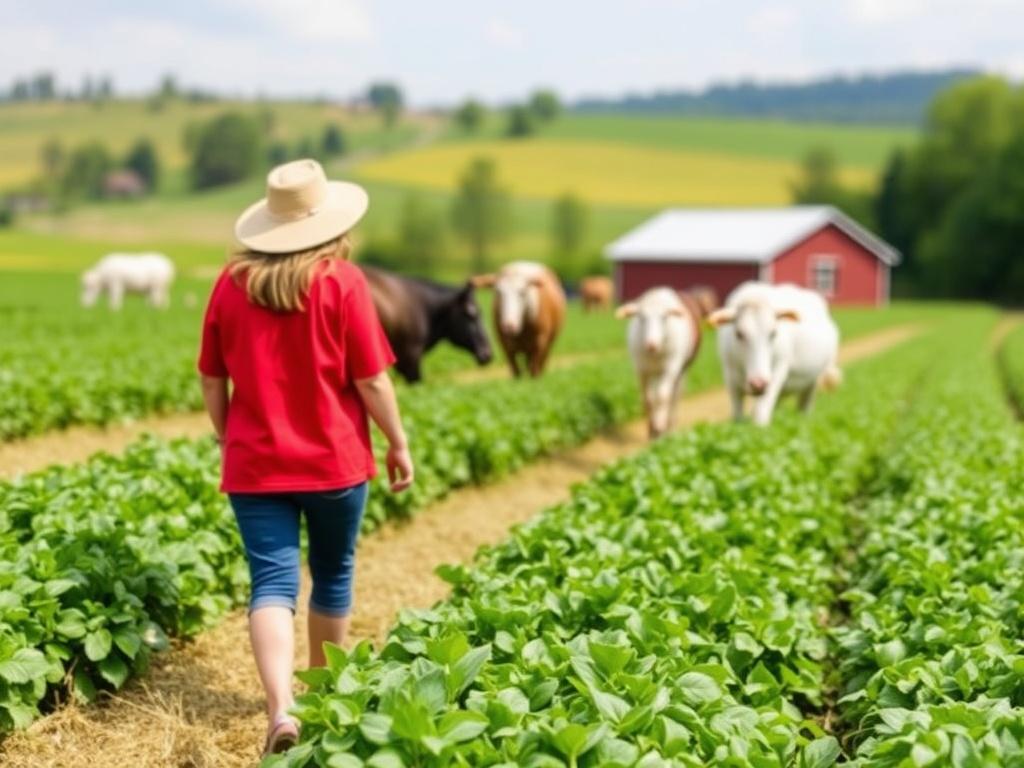
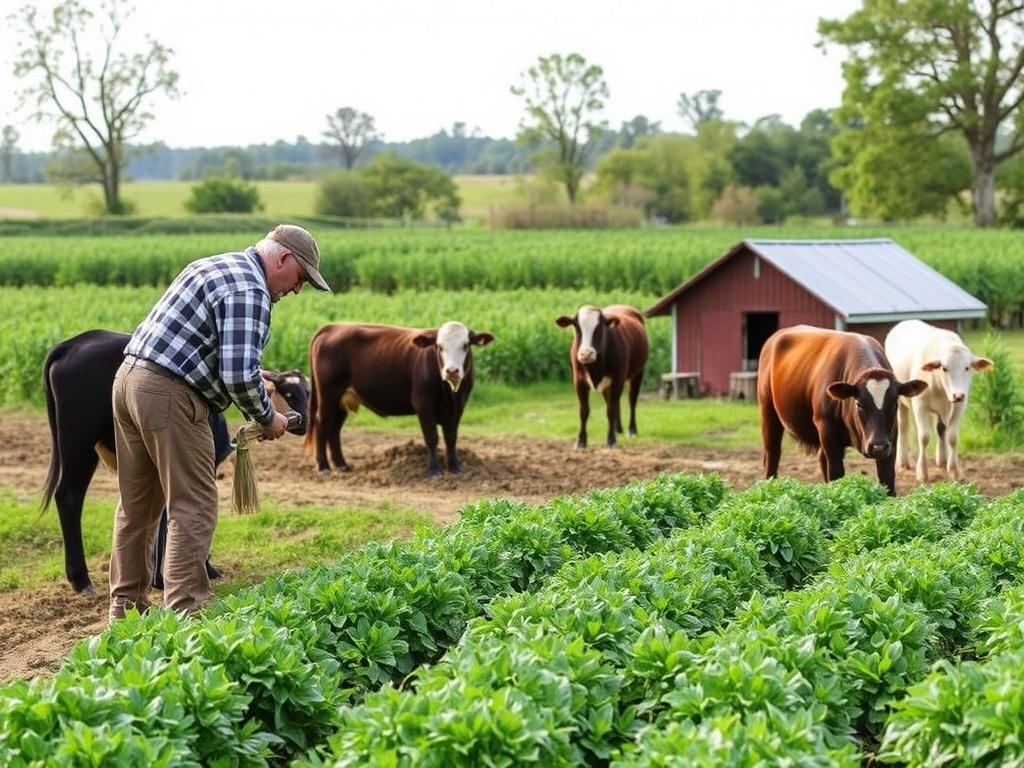
The promise of mobile slaughter units and on-farm processing has energized small-scale farmers, homesteaders, and local-food advocates who want humane handling, shorter supply chains, and fresher products for their communities. At the same time, navigating the web of federal and state rules can feel like learning a new language—inspection legends, custom exemptions, sanitation plans, and waste permits all have consequences for what you can legally sell and how you must operate. This article walks through the regulatory landscape, practical steps to get started, common pitfalls, and the real-world trade-offs that determine whether a mobile or on-farm processing option is right for your farm business.
Содержание
Why regulation matters: balancing food safety, animal welfare, and access
Regulation around slaughter and processing exists to protect public health, ensure humane treatment of animals, and maintain a consistent standard for consumers. When those components are well-managed, buyers can feel confident about the food they purchase, and small processors can build reliable reputations that support direct-market sales. Conversely, gaps or misunderstandings about rules can lead to costly shutdowns, legal exposure, or loss of market access for producers.
For small farms, the stakes feel especially personal: a quality product can be the farm’s centerpiece, while a compliance failure can put livelihoods at risk. That’s why understanding where your operation fits—whether under federal inspection, state programs, or custom-exempt status—is the first step toward a workable plan. Good regulation, when approached with curiosity rather than fear, can be an ally that clarifies routes to market rather than an obstacle to small-scale production.
Mobile units and on-farm processing add another layer because they change the physical context where slaughter and cutting occur. Regulators evaluate not only outcomes—clean, inspected meat—but also processes: how animals are handled, how waste is captured, what controls prevent contamination, and whether labels accurately reflect inspection status. Those practical details determine what you can do with the finished product and which markets are open to you.
Federal versus state authority: who enforces what
In the United States, two broad levels of government govern meat and poultry processing: federal agencies and state departments. At the federal level, the Food Safety and Inspection Service (FSIS) of the U.S. Department of Agriculture enforces inspection requirements for meat and poultry that move in interstate commerce or are intended for retail sale across state lines. Federal inspection brings federal labeling, regulatory oversight, and the ability to sell product broadly.
States also operate inspection programs that mirror or complement federal rules. State inspection can allow products to be sold within state borders under state law, and some states have robust programs specifically intended to support small and local processors. In many cases, state programs inspect mobile and small-scale facilities that would otherwise be uneconomical under a federal inspection model, while still enforcing sanitary and humane standards.
There is also a custom-exempt category: custom slaughter is performed for the benefit of the animal owner and is not intended for commercial sale. Products processed under custom exemption generally cannot be sold to consumers. Understanding whether your operation must be federally inspected, state-inspected, or custom-exempt is essential because that determination shapes everything from labeling to where your product can be marketed.
Inspection categories explained: inspected, state-inspected, and custom-exempt
“Inspected” typically refers to facilities under federal FSIS authority, which must meet federal sanitation, HACCP (Hazard Analysis and Critical Control Points) planning, humane handling, and labeling requirements. Meat packages from a federally inspected plant carry the official inspection mark and establishment number, which are required for interstate commerce. For many processors, federal inspection is the gateway to wholesale and broader retail outlets.
State-inspected plants operate under state department of agriculture rules and usually can sell within that state’s borders. These programs vary from state to state; some states have inspection standards that closely match federal rules, while others offer tailored support and cost structures designed for small processors. In practice, state inspection often opens direct-to-consumer and in-state retail channels that may be most relevant to local farms.
Custom-exempt slaughter means the facility processes animals for the owner’s personal consumption and does not produce meat intended for sale. This status can be an affordable option for producers who want on-farm processing for their own animals, but it precludes selling the final product to the public. Correctly classifying your operation prevents illegal sales and the penalties that can follow.
How mobile slaughter units fit into regulatory frameworks
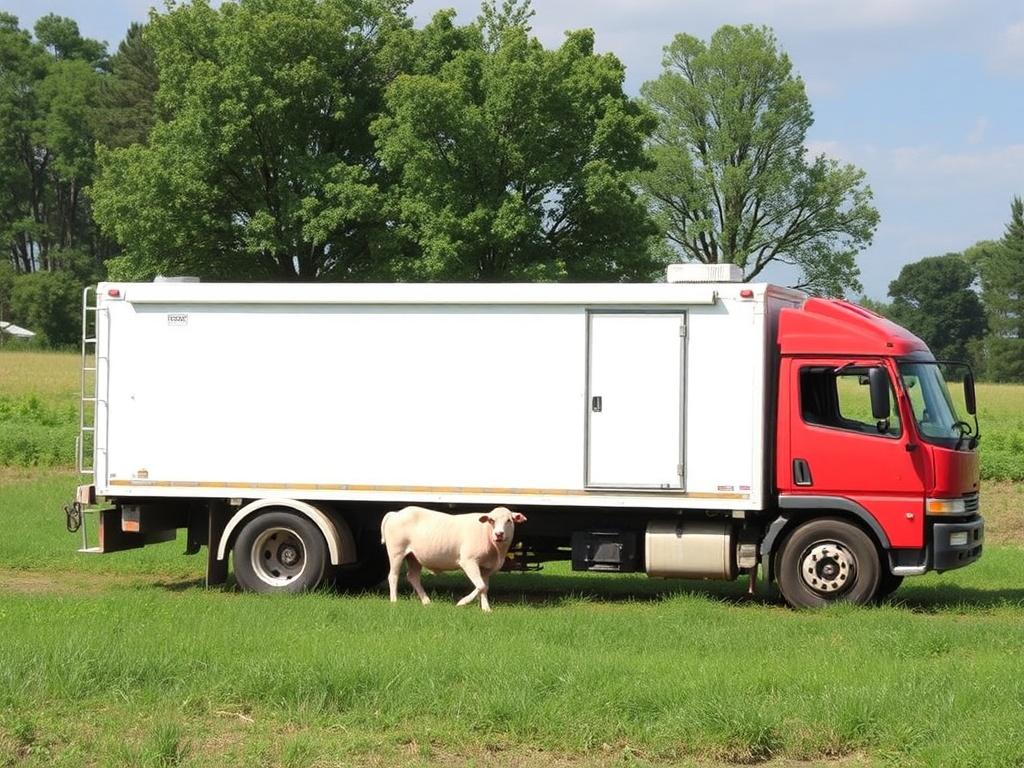
Mobile slaughter units come in different shapes: trailer-mounted processing rooms, converted trucks, or compact containerized plants. Regulators evaluate these units using the same principles as stationary plants: sanitary design, ability to prevent contamination, humane handling capacity, and traceability. If the mobile unit is under federal inspection it must meet FSIS requirements; if it’s state-inspected or custom, state rules and exemptions apply.
Logistics matter. Inspectors need access and safe working conditions, water and waste hookups must meet health standards, and the unit’s layout must allow for separate “dirty” and “clean” workflows to prevent cross-contamination. Frequently, mobile operators coordinate with local health departments, state inspectors, and landowners to ensure that parking, wastewater management, and animal handling areas conform to expectations.
Practically, mobile units often serve farmers who would otherwise travel long distances to a fixed plant. They can reduce animal stress and transportation costs while keeping carcasses on-site for faster chilling and less exposure. However, mobile units can also limit market channels if they operate under custom exemption or state-only inspection—so operational design and choice of inspection pathway must align with intended sales strategies.
Permits, design, and facility requirements for mobile units
Whether you build, buy, or contract a mobile unit, its physical design must support regulatory compliance. Key elements include washable, food-grade surfaces; adequate refrigeration; separate zones for slaughter and cutting; proper drainage that prevents contamination of soil and water; and secure storage for offal and waste. Inspectors look closely at these elements because they directly affect food safety.
Permits can involve several agencies: the state department of agriculture for inspection and licensing, county or state environmental agencies for wastewater or waste disposal permits, and local zoning authorities for on-farm operations. Some jurisdictions require building or health permits even for temporary or mobile facilities, and municipalities may have additional ordinances affecting where a unit can operate on a farm.
For mobile units that park on different farms, paperwork can multiply. Operators often create a permit packet or template that lists necessary permissions for each host farm, including access to potable water, acceptable waste disposal plans, emergency contact procedures, and proof of site inspections. Treating each site visit as a mini-audit saves time and prevents last-minute surprises when an inspector arrives.
Food safety systems: SSOPs, HACCP, and recordkeeping
Effective food safety rests on structured systems. Sanitation Standard Operating Procedures (SSOPs) describe cleaning schedules, sanitizing agents, and responsibilities for keeping the facility sanitary. HACCP requires a hazard analysis and setting critical control points where contamination risks are controlled—temperature control, carcass inspection, and evisceration practices are common examples.
Recordkeeping ties those systems together. Inspectors expect logs that document cleaning, temperature checks, calibration of thermometers, employee training, and product traceability. Well-organized records make inspections smoother and provide the documentation needed if a food-safety question arises later. Records are also practical business tools; they help managers spot trends, like recurring temperature issues that can indicate equipment needs.
Training matters as much as documents. Employees and contractors should be trained in proper hygiene, cross-contamination prevention, humane handling, and the operation of monitoring equipment. Many states and organizations offer meat-processing education and HACCP training—investing in that training lowers risk and improves consistency in product safety and quality.
Humane handling and animal welfare requirements
Humane handling requirements are a regulatory and ethical priority. Federally inspected plants follow standards that require humane stunning and handling before slaughter, and many states have comparable rules for state-inspected facilities. Mobile units must be designed to allow humane restraint and effective stunning methods that minimize animal distress.
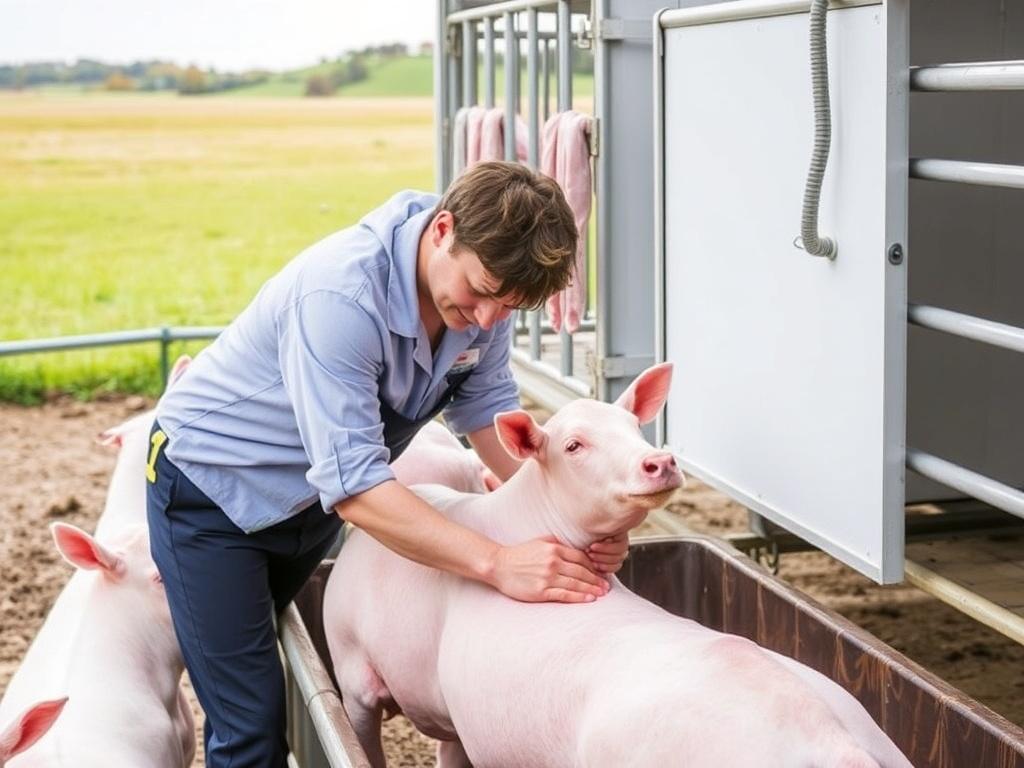
Practical adjustments for mobile units often include low-stress handling facilities on the host farm, shaded holding areas, non-slip flooring, and quiet, well-lit pathways to reduce agitation. The handling practices before an inspector arrives matter as much as the equipment inside the unit, so coordination between the farmer and mobile operator is critical. Poor on-farm handling can cause welfare issues even when the mobile unit itself is well designed.
Documentation of humane handling—what method of stunning was used, times, and operator names—may be required depending on the inspection regime. Maintaining transparent records and being proactive about animal welfare not only aligns with regulations but also underpins market claims that many direct-marketing customers care about deeply.
Labeling, sales channels, and the limits of market access
Where you can sell meat depends on the inspection status. Product from federally inspected plants may be sold interstate and in a wide variety of retail venues, provided labeling meets federal requirements. State-inspected product typically can be sold within the state but may not cross state lines legally without federal inspection.
Custom-exempt processing usually prohibits sale of the finished meat. Many producers find this restrictive, especially if they hoped to supply local retail outlets. On the other hand, custom-exempt work is often less expensive and gives owners full control over the product they return to their farm for personal use.
Labels matter. Federally inspected products must carry the USDA mark and safe handling instructions; state-inspected products often require a state inspection legend. Incorrect labeling—such as implying federal inspection when the facility is state-inspected or custom-exempt—can trigger enforcement actions. Consult label guidelines before selling in farmers markets, co-ops, or restaurants to ensure you’re in compliance.
Environmental and wastewater considerations
Slaughter and processing generate liquid and solid wastes—blood, offal, washing water—that must be managed safely. Environmental regulators focus on preventing contamination of surface and groundwater, controlling odors, and ensuring that wastes do not create public nuisances. Mobile units frequently rely on temporary storage tanks or haul-away services to prevent onsite contamination; state environmental agencies often have rules governing those practices.
On-farm processing that drains into fields or septic systems without permits can trigger violations. Best practice is to plan wastewater capture and disposal in advance, using approved holding tanks, grease traps, or licensed disposal contractors. Some farms incorporate rendering or composting strategies for organic waste, but these approaches usually require permits and adherence to health standards.
Working with local conservation districts and environmental agencies before operations begin pays off. They can help evaluate soil absorption capacity, recommend appropriate holding tank sizes, and identify whether any local permits are required. Early coordination reduces regulatory risk and ensures that the farm’s community neighbors remain supportive rather than concerned.
Insurance, liability, and business planning
Processing operations bring business risks beyond regulatory compliance. Insurance needs grow: general liability, product liability, and commercial auto coverage for mobile units are common considerations. Insurers will want to understand your inspection status, sanitation practices, and whether you have documented training and food-safety plans.
Liability also circles back to sales channels and labeling. Selling product that is incorrectly labeled or processed outside approved systems can open legal exposure not just for the processor but also for the farmer selling the meat. Clear contracts between farmers and mobile operators should spell out responsibilities for compliance, recordkeeping, and insurance.
Sound business planning includes estimating realistic throughput, scheduling downtime for cleaning and maintenance, and pricing to cover the true cost of processing. Mobile units typically have higher per-animal costs than high-volume plants, so accounting for those costs in product pricing or subscription models protects margins and prevents surprises.
Steps to start using a mobile unit or on-farm processing setup
Begin with a clear decision about your intended market: personal consumption, direct-to-consumer, in-state retail, or interstate wholesale. That choice determines your inspection pathway and the expense and complexity you’ll encounter. It also influences whether a mobile unit’s convenience aligns with your business model.
Create a compliance checklist that covers inspection status, sanitation and HACCP planning, humane handling protocols, wastewater and waste disposal permits, labeling requirements, insurance, and local zoning approvals. Reach out early to your state department of agriculture and local health and environmental agencies to confirm specific requirements instead of relying on general guides. Those conversations will identify critical items that vary by jurisdiction.
When you select or build a mobile unit, insist on food-grade materials and practical workflows that inspectors can clearly see meet standards. Train staff and create record templates for SSOPs, temperature logs, and traceability. Finally, pilot a small number of animals to test logistics, refine timing, and troubleshoot waste handling before committing to a full season’s schedule.
Common practical challenges and how to solve them
Scheduling conflicts rank among the most frequent headaches for mobile unit users; a single unit serving many farms can create long waits and missed harvest windows. Solving this often requires realistic calendar planning, deposit systems, or cooperative arrangements where nearby farms coordinate processing days together to optimize unit use. Good communication and contingency plans reduce friction.
Another issue is inadequate water supply or unsuitable parking sites on host farms. Mobile units need potable water, flat access, and safe locations for wastewater containment. Pre-visit site assessments and clear host-farm checklists prevent last-minute cancellations and stress on both operators and farmers.
Finally, misunderstandings about what can be sold create friction between processors and farmers. Clarify inspection status and label requirements in writing before processing begins. If your goal is to sell beyond your state, insist on federally inspected processing; if you hope to operate affordably within state markets, coordinate with the appropriate state inspection program.
Enforcement, penalties, and remedies
Regulatory enforcement can range from advisory visits to formal notices, product recalls, and fines. Agencies generally prefer corrective action over punitive measures when they find noncompliance, especially with small operators who are cooperative and proactive. That said, serious or repeated violations—particularly those that pose immediate public-health risks—can lead to stronger enforcement actions.
Remedies typically involve correcting deficiencies: updating SSOPs, repairing drainage, retraining staff, or ceasing sales until inspection status is corrected. Voluntary suspension of operations while fixes are implemented is a common outcome that prevents escalation. Maintaining an open dialogue with inspectors and documenting corrective steps usually leads to quicker resolution.
Prevention is the best strategy: invest in good design, training, and recordkeeping up front. When everyone involved shows they take safety seriously and can produce documentation, regulators are more likely to treat issues as fixable rather than prosecutable. That cooperative posture also helps preserve valuable relationships in local food systems.
Case studies and real-world examples
I once spent a morning with a regional mobile unit operator who rotated between farms to serve several small shepherds. The unit’s operator had a single-page host-farm checklist that covered potable water access, a clear parking area, and a designated waste-storage trailer location; that simple checklist reduced delays and made inspections predictable. Farmers appreciated the lower transport stress on their animals and the higher quality of cuts returned to them.
In another instance, a farmer hoping to sell at regional farmers markets discovered after a season that their processor was only custom-exempt, which prevented retail sales. The lesson was painful but instructive: aligning processing choices with marketing goals before starting saves headaches and lost revenue. After switching to a state-inspected facility, the farmer regained market access and expanded sales to local restaurants.
These examples show that regulations are not merely legal hurdles; they shape day-to-day operations. Small investments in paperwork, communication, and facility choices can turn regulatory complexity into a predictable framework that supports business growth rather than blocking it.
Checklist: essential documents and actions before processing
Use this shortlist as a practical guide when preparing for mobile or on-farm processing. First, clarify inspection status and obtain any required state or federal approvals for your intended sales channels. Second, secure environmental approvals for wastewater and waste disposal, including any local health or zoning permits.
Third, prepare food safety documentation: SSOPs, a HACCP plan if required, temperature logs, and employee training records. Fourth, arrange insurance and draft agreements that define responsibilities between farmers and mobile operators. Fifth, ensure proper labeling practices and understand where the finished product may legally be sold. These steps reduce surprise and strengthen your business foundation.
How to find support: agencies and networks to contact
Your first point of contact should be the state department of agriculture; they can outline state inspection programs, provide permit lists, and often offer technical assistance. County health departments and environmental protection agencies are the right contacts for local sanitary and waste-disposal requirements. These agencies will point you to forms and timelines specific to your location.
Beyond government resources, regional networks and nonprofit groups can be invaluable. Organizations that support small and niche processors provide templates for SSOPs, HACCP planning workshops, and peer networks to share practical advice. Connecting with producers who have already navigated the system saves time and illuminates common pitfalls specific to your region.
Industry associations and cooperative extension services often run workshops and site visits tailored to small-scale processing and mobile units. Joining a local producer association or a online community can provide contacts for mobile operators, recommended processing partners, and perspective on market opportunities that match your inspection pathway.
Policy trends and future implications for small processors
Policy conversations around mobile slaughter and on-farm processing continue to evolve as states and the federal government look for ways to expand access to small-scale processing while safeguarding public health. Some states are experimenting with streamlined permitting or cooperative mobile-unit approaches to improve convenience for small farmers. These innovations often aim to lower barriers while maintaining safety and humane standards.
Technology also plays a role: improved refrigeration, better waste-capture systems, and digital recordkeeping make compliance easier and reduce per-unit costs over time. As mobile units become more standardized and data-driven, they may become even more viable for cooperative ventures that serve regional clusters of producers.
However, regulatory harmonization between states and the federal system remains a challenge for producers who want to scale beyond a single state. Advocacy, clear labeling frameworks, and pilot programs that demonstrate safe, cost-effective models will influence future policy changes. Producers who stay engaged with policy debates can help shape practical solutions that benefit local food systems.
Summary checklist and practical next steps
To move forward with confidence, start by clarifying your target market: personal use, local sales, or interstate distribution. Contact your state department of agriculture and local environmental and health authorities to identify required permits and inspection options. Build or select a mobile unit with sanitary, inspectable design and document sanitation and training procedures from day one.
Make sure waste management is planned and permitted, secure appropriate insurance, and formalize agreements that define compliance responsibilities between you and any mobile operator. Finally, test your workflow with a small pilot run to identify timing, recordkeeping, and logistical gaps before scaling up. This approach turns regulatory complexity into a manageable set of decisions that protect consumers and your business.
Resources and where to learn more
Start with your state department of agriculture for program specifics and guidance documents. Local cooperative extension offices and producer networks offer practical workshops and contacts for mobile operators and processors. Nonprofit groups focused on small-scale meat processing can supply templates for SSOPs and HACCP planning and often maintain lists of vetted mobile operators.
Industry conferences, regional food-safety workshops, and online forums give practical insight into operational realities from people who run mobile units or small plants. When in doubt, consult with an experienced food-safety consultant or attorney familiar with meat and poultry regulation to review your plans and contracts. That professional review is a small investment compared with the cost of noncompliance.
Regulatory complexity need not be a barrier to small-scale, humane, and locally processed meat. With clear goals, early communication with regulatory authorities, careful design of facilities and workflows, and thorough recordkeeping, mobile slaughter units and on-farm processing can expand market options and preserve the integrity of local food systems. Thoughtful planning and respect for both the animals and the rules create a sustainable path forward for producers and consumers alike.