Most people picture manure as a nuisance: a smell, a runoff risk, a compliance headache. That view misses the fact that manure is concentrated sunlight, water and plant nutrients that have already passed through animals and are ready to feed the next crop. By changing how we store, treat, and apply manure, farmers and communities can shift it from waste to a profitable, climate-smart resource.
Содержание
Why manure is widely seen as a problem
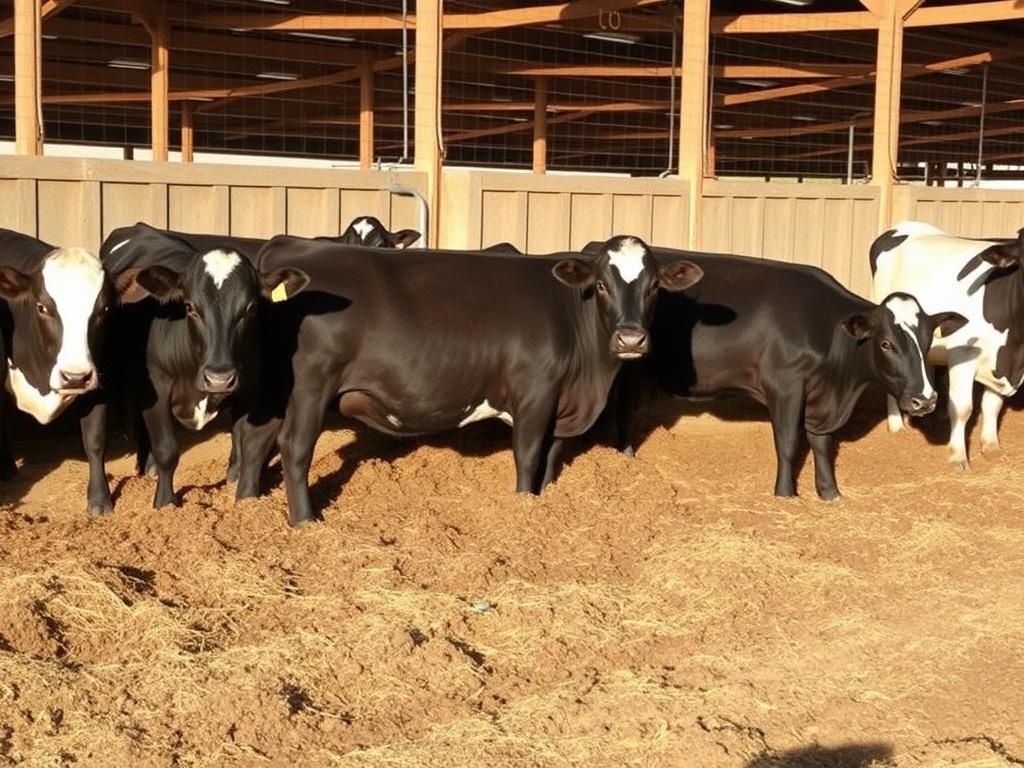
Scale and concentration create most of the trouble. Modern livestock systems keep large numbers of animals in relatively small areas, producing more manure than the immediate land base can absorb. When storage, treatment, or application are inadequate, odors, runoff, and groundwater contamination become realistic public-health and regulatory concerns.
Seasonality intensifies the challenge. Animal production and crop demand rarely sync perfectly; spring planting, wet weather, or frozen soils can prevent timely land application. Those mismatches force producers to store larger volumes or seek off-farm outlets, raising cost and complexity.
Public perception compounds pressure. Communities near large operations often notice odors or flies and assume the worst, even when nutrient management plans are in place. That social friction drives stricter rules and makes innovation both more urgent and harder to implement politically.
Seeing manure as a resource
Manure contains plant-available nutrients, organic matter, and water—three things soil craves. Nitrogen, phosphorus and potassium (N-P-K) partially exist in forms crops can use immediately and partially in forms that become available over time. That slow-release characteristic improves soil biology and reduces reliance on synthetic fertilizer when managed well.
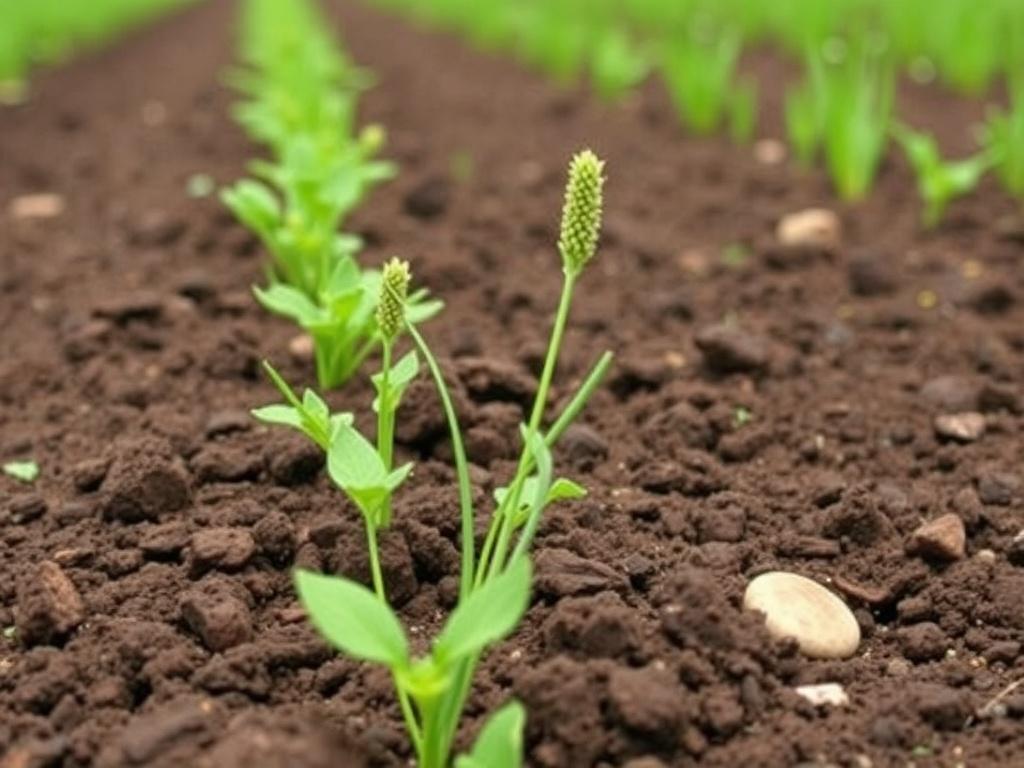
Beyond direct nutrient value, manure supports soil structure and water-holding capacity. Organic matter acts like a sponge and a bonding agent: it increases infiltration, reduces erosion, and improves aggregate stability. Those gains translate into healthier crops with better resilience to drought and extreme storms.
There’s also energy potential. Manure contains anaerobic energy that can be converted to biogas, heat, or electricity through digesters. Turning that potential into usable energy reduces greenhouse gas emissions and can create a new revenue stream for farmers willing to invest or collaborate.
Nutrient content and variation
Not all manures are created equal. Nutrient concentrations vary by species, diet, bedding, housing system and moisture content. Poultry manure tends to be higher in N and P per ton than cattle manure, while swine manure often has higher moisture and different patterns of nutrient availability.
Knowing the nutrient profile is essential when using manure as fertilizer. A routine laboratory analysis tells you total N, ammonium-N, P and K, and gives a basis for calculating application rates that match crop needs. Without testing, farmers risk over- or under-applying, which can hurt yields and the environment.
Manure type
Typical N (lb/ton)
Typical P (lb/ton)
Notes
Dairy (bedded pack, dry)
8–16
4–8
Higher organic matter, variable moisture.
Beef (feedlot, lot pack)
6–12
2–6
Often mixed with soil and bedding.
Poultry (layer)
20–30
8–15
High nutrient concentration, dries readily.
Swine (pit slurry)
5–10
2–5
Liquid form, good for injection systems.
Organic matter and soil health
Organic matter from manure is not just filler—it’s a living food source for soil microbes. As microorganisms break down organic compounds, they release nutrients in plant-available forms and build stable humus that stores carbon and improves tilth. Those biological processes underpin long-term fertility in ways soluble fertilizers cannot replicate.
Field experience shows improved water infiltration and reduced crusting where regular manure applications have occurred. I watched a local vegetable grower convert a sandy field into productive ground largely by building organic matter with composted manure and cover crops, and the difference was obvious in both crop vigor and reduced irrigation need.
Environmental and health risks to manage
Using manure as a resource requires respect for the risks. Pathogens, pharmaceuticals, odors, and nutrient losses to water can all arise from poor management. Risk mitigation is therefore both a technical and a stewardship task—one that benefits producers and neighbors alike when done well.
Nitrogen losses through volatilization and denitrification release ammonia and nitrous oxide, the latter a potent greenhouse gas. Phosphorus binds with soil; if transported by erosion or runoff, it fuels eutrophication in lakes and rivers. Addressing these pathways reduces environmental harm and often improves nutrient-use efficiency.
Regulatory frameworks aim to limit those risks. Many regions require nutrient management plans, setbacks from water, and storage standards. Tracking and compliance can feel burdensome, but they also create a floor of responsibility that supports broader acceptance of livestock systems.
Odor and community relations
Odor is as much about perception as concentration. A farm that is technically compliant can still strain neighbor relations if it smells at key times, such as during spreading. Proactive communication and a commitment to best practices often prevent complaints before they start.
Techniques like timely incorporation, lower application rates near residences, and odor-reducing additives can help. I recall a dairy that invested in a slurry injector and scheduled spreading outside of holiday weekends; complaints dropped, and cooperation with the county planning office improved.
Storage and handling: the first line of defense
Proper storage buys time and reduces the need for risky emergency decisions. Well-designed lagoons, covered tanks, bunkers, and composting pads keep nutrients from raining off or seeping into groundwater. Storage capacity should consider seasonal constraints and realistic timelines for land application.
Covering storages reduces rainwater infiltration and odors, and can be combined with gas capture systems to reduce emissions. In areas with heavy precipitation, roofs or impermeable covers are worth the investment because they preserve nutrient concentration and cut cleanup costs after storms.
Solid-liquid separation can lower transport costs, making it easier to move dry fractions to fields or for sale. Separators produce a solid fraction that’s more suited to composting and a liquid fraction that’s better for injection or irrigation systems.
Design considerations for storage
Location matters. Storages should be sited away from wells and surface water, on impervious soils if possible, and with easy access for machinery. A poorly placed lagoon becomes a hazard; a well-sited one is an asset.
Materials need attention too. Concrete bunkers, HDPE liners, and well-compacted earth all have roles depending on scale and budget. Routine inspection and maintenance prevent small leaks from becoming significant problems down the road.
Composting: turning manure into a marketable product
Composting stabilizes nutrients, reduces pathogens, and creates a product that’s easier to transport and sell. When managed correctly, compost reaches temperatures that kill weed seed and human pathogens, while producing humus that benefits soil structure. It also mitigates odor issues that plague raw manure.
Compost markets exist for landscaping, specialty crop production, and soil remediation. Farmers who invest in a reliable composting system can add value to what used to be a disposal cost. Marketing a consistent, tested product is central to capturing that added value.
Windrow, in-vessel, and static pile techniques all have pros and cons. Windrows are accessible for many farms, while in-vessel systems reduce footprint and accelerate processing. Choice depends on volume, capital, and labor availability.
Operational tips for quality compost
Turn for aeration, monitor temperatures, and maintain an appropriate carbon-to-nitrogen ratio. Adding carbon-rich materials like straw, wood chips, or bedding balances high-nitrogen manures and produces a more stable end product. Regular testing ensures the compost reaches maturity and legal standards for land application or sale.
One mid-sized vegetable cooperative I worked with organized a community compost facility. Members pooled manure and yard waste, followed a simple turning schedule, and built a steady customer base among landscapers. Cooperation lowered individual costs and created a tangible demonstration of manure’s value.
Anaerobic digestion and renewable energy
Anaerobic digesters convert manure into biogas and a nutrient-rich digestate. The gas can generate electricity, heat greenhouses, or be upgraded to pipeline-quality renewable natural gas. Digesters therefore link nutrient management with energy production and greenhouse-gas reduction.
Digestate still contains nutrients that can return to fields, often in forms more stable and less odorous than raw manure. Producers must plan handling and storage for the liquid and solid fractions after digestion to ensure appropriate application and avoid environmental harm.
Economics vary widely. Large dairies and swine operations often realize the best returns because of scale, but cooperatives and community digesters are increasingly viable where grant support or power purchase agreements exist. Integrating digesters with manure separation and composting can create a comprehensive, efficient system.
Application techniques that protect water and capture value
Applying manure with attention to timing, method and rate is where the resource really becomes useful. Testing fields for existing nutrient levels, matching application to crop uptake, and avoiding high-risk weather windows all reduce losses and improve yields. Precision pays off: less wasted nutrient, fewer regulatory headaches, and healthier crops.
Surface broadcasting followed by rapid incorporation reduces ammonia volatilization compared with leaving manure exposed. Injection systems put liquid manure directly into the soil, cutting odor and volatilization while improving nitrogen efficiency. Equipment choices should reflect soil type, cropping system and economics.
Rate calculations should start with crop needs, not simply spreading what’s available. A plan that integrates commercial fertilizer, manure nutrients and cover crops yields cost-effective fertility management while limiting excess phosphorus buildup over time.
Timing and weather considerations
Avoid spreading on frozen, snow-covered, or saturated soils where runoff risks are high. Fall application can be cost-effective if paired with cover crops that take up residual nutrients, but region-specific guidance is important. Real-time weather planning—sometimes down to the day—prevents many of the biggest mistakes.
In my reporting, farmers who use spring and early summer windows combined with injection or immediate incorporation consistently report better nutrient use efficiency and fewer neighbor conflicts. It’s not glamorous work, but it pays dividends in both crop performance and community relations.
Regulatory frameworks and incentives that make change feasible
Regulations set minimum standards for storage, setbacks and nutrient management, but incentives and assistance programs help farms adopt better practices faster. Cost-share programs, tax credits, and technical assistance reduce the upfront burden of installing separators, covers, or digesters.
Many public agencies and conservation groups offer support for nutrient management planning, manure storage upgrades, and composting facilities. Engaging those programs early in a project design can improve financeability and shorten the path from planning to operation.
Market-based mechanisms—such as selling renewable natural gas, participating in carbon markets, or selling compost—also change the economics. Farmers who explore multiple revenue streams are most likely to make investments that turn manure into a profitable resource.
Economic realities: costs, returns, and decision-making
Transitioning from a disposal mindset to a resource-oriented system requires capital and often new skills. Returns can come from reduced fertilizer purchases, energy sales, tipping fees for accepting waste from other operations, or selling value-added products like compost. Financial models should include operating costs, amortized capital, and realistic revenue streams.
Smaller farms face different economics than large operations; cooperative models, mobile equipment services, and contract operators can bridge that gap. Shared composting sites or community digesters spread risk and lower per-farm costs while building local nutrient-cycling infrastructure.
Decision-making benefits from transparent metrics: pounds of N or P recovered, dollars saved on fertilizer, and greenhouse-gas reductions. Tracking these numbers makes it easier to justify both investments to lenders and operational changes to staff and neighbors.
Simple cost-benefit checklist
Test manure and soil to quantify nutrient value.
Estimate savings from reduced commercial fertilizer use.
Calculate storage and handling costs, including maintenance.
Include potential revenues from energy or compost sales.
Factor in incentives and local market demand.
Technologies that make management practical
Technological options range from low-tech to high-tech. Solid separators and belt presses are relatively simple and can reduce hauling costs. Inline injectors and dragline systems place nutrients where plants can access them. Sensors and farm-management software improve scheduling and precision.
For energy, combined heat and power units capture biogas efficiently at a moderate scale. Upgrading gas to RNG requires more sophisticated equipment and permitting, but it opens additional markets. Even modest technologies can substantially improve nutrient use and reduce nuisance impacts when applied thoughtfully.
Adoption is often incremental. Farmers tend to add one proven practice at a time: a separator this year, a composting pad next, followed by a new spreader. That stepwise approach lowers risk and builds expertise over time.
Integrating manure into cropping systems and rotations
Manure works best when it’s part of a planned nutrient and soil-health strategy. Incorporating manure applications into crop rotations, cover-crop plans and tillage decisions creates synergy. Manure can supply early-season nitrogen and help build the organic matter that supports yields year after year.
Matching manure to crops with high nutrient demand—corn, certain vegetables, and hay crops—keeps systems efficient. Meanwhile, using manure in perennial systems or integrating legume cover crops can balance nutrient supply and reduce reliance on purchased nitrogen.
Track cumulative phosphorus over years; soils can reach P saturation if manure is repeatedly applied without considering historic build-up. Managing rates and using off-farm transfers or processing options prevents long-term environmental risk.
Manure and cover crops
Cover crops planted after manure application can capture residual nitrogen and reduce leaching. Deep-rooted species also move nutrients deeper into the profile where subsequent cash crops can access them. This pairing is a practical way to extend the benefits of manure while limiting losses.
Farmers I’ve spoken with commonly report better spring structure and less compaction when cover crops follow manure applications, creating a cascade of benefits that show up in yield stability and input savings over time.
Market pathways: compost sales, nutrient brokers, and local partnerships
Creating a market for processed manure products multiplies value. Landscapers, nurseries and municipal projects will often buy quality compost. Nutrient brokers can match surplus manure nutrients with crop-demanding operations elsewhere in the region, creating a marketplace for excess manure.
Local partnerships—between livestock farms, crop farms, municipalities and landscapers—build resilience. I’ve seen towns partner with nearby farms to handle yard waste and manure, producing compost for parks and roadside projects. Those arrangements strengthen the rural-urban link and turn a liability into public benefit.
Transparent product testing and clear labeling—nutrient content, maturity, and handling instructions—help buyers feel confident. Trust and consistency create repeat customers, and scale follows reliability.
Community engagement and social license
Managing manure responsibly isn’t only about engineering; it’s about relationships. Proactive outreach, facility tours, and clear communication about practices and safeguards reduce mistrust. Farmers who invite dialogue often find that neighbors respond less to fear and more to evidence of stewardship.
Community advisory groups or third-party audits can provide independent validation of good practices. Those structures help both sides: producers gain social license to operate, and communities gain assurance that standards are being met.
Listening matters. Concerns raised by neighbors—about odor, flies, or water quality—are often solvable with technical adjustments and scheduling changes. Treating complaints as opportunities for improvement rather than insults fosters cooperation.
A step-by-step guide to shifting mindset and practice
Start with measurement: test manure and soils and map nutrient hotspots across the farm. Data clarifies choices and prevents guesswork when planning application rates and storage. Good data also makes grant applications and loan proposals more credible.
Build capacity: invest in storage and handling that match your operation’s scale and local climate. Even small upgrades—better covers, a separator, or improved access roads—can dramatically reduce risk. Plan investments incrementally and seek technical assistance when needed.
Experiment and scale: pilot a composting line or a small digester and track outcomes. Successful pilots provide the evidence and confidence to expand. Share results with neighbors and local agencies to build community support and attract funding partners.
Match application methods to crop needs and risk windows.
Monitor outcomes and refine practices annually.
Policy trends and future opportunities
Policy is moving toward recognizing agricultural waste as a resource, through incentives for renewable energy, carbon sequestration and improved nutrient management. That creates new funding channels for projects that align environmental and economic goals. Staying informed about evolving programs helps farmers plan long-term investments.
Researchers are also developing feed and management strategies that reduce nutrient excretion, which complements downstream processing. Reduced nutrient loadings at the source make processing easier and reduce the cost of achieving environmental goals.
Finally, regional collaboration—linking manure producers with adjacent crop farms, municipalities, or industrial uses—offers scale and flexibility. When systems are coordinated across landscapes, manure circulates to where it’s most valuable instead of becoming a local problem.
Practical examples and on-farm experience
On a visit to a family-run dairy in the Upper Midwest, I watched operators route separated solids into a solar-heated composting bay while the liquid fraction was stored under cover for spring injection. Their neighbors noticed fewer odors and the dairy reduced its fertilizer bill by nearly half across corn acres. That kind of visible change builds trust.
Another example comes from a cooperative of small livestock producers who pooled resources to build a shared compost facility. Members exchanged manure and yard waste, split costs for turning equipment, and sold finished compost to a local landscaper—creating revenue and preventing illegal dumping on marginal land.
These examples show that solutions are adaptable. Whether a farm is large or small, the combination of careful handling, appropriate technology, and market-oriented thinking unlocks manure’s value.
Common pitfalls and how to avoid them
Rushing to sell untested compost, under-sizing storage, and ignoring neighbor concerns are common errors. Shortcuts often create liabilities that outweigh the original cost savings. Careful planning and conservative assumptions prevent costly backtracking later.
Over-reliance on a single revenue stream—like electricity sales from a digester with a volatile power contract—creates risk. Diversified uses for manure products provide resilience: compost sales, fertilizer offset, and energy together smooth income fluctuations.
Finally, skipping training for staff or contractors handling manure systems leads to mistakes. A well-trained crew is the difference between a system that runs smoothly and one that produces avoidable spills or complaints.
Measuring success: metrics that matter
Track nutrient balances: pounds of N and P applied versus crop removal and soil accumulation. Those numbers show whether a system is sustainable over the long term. Supplement nutrient accounting with measurements of soil organic matter, water infiltration rates and crop yield to capture the full picture of benefit.
Monitor emissions where possible: methane and nitrous oxide are key climate metrics, and reductions can become saleable credits. Odor complaint frequency and neighbor satisfaction surveys are more subjective but very practical indicators of social license.
Financial metrics complete the story: reduced fertilizer spending, energy revenue, compost sales, and avoided regulatory penalties quantify the economic return of smarter manure management. Together, environmental, social and economic metrics define a successful transition.
Changing how we see manure—from a smelly burden to a multiservice resource—takes effort but not magic. With testing, thoughtful storage, appropriate processing, and careful application, manure supports soils, reduces synthetic inputs, and can generate energy and revenue. The practical steps are straightforward, and the incentives—economic, ecological, and social—add up to a compelling case for action.