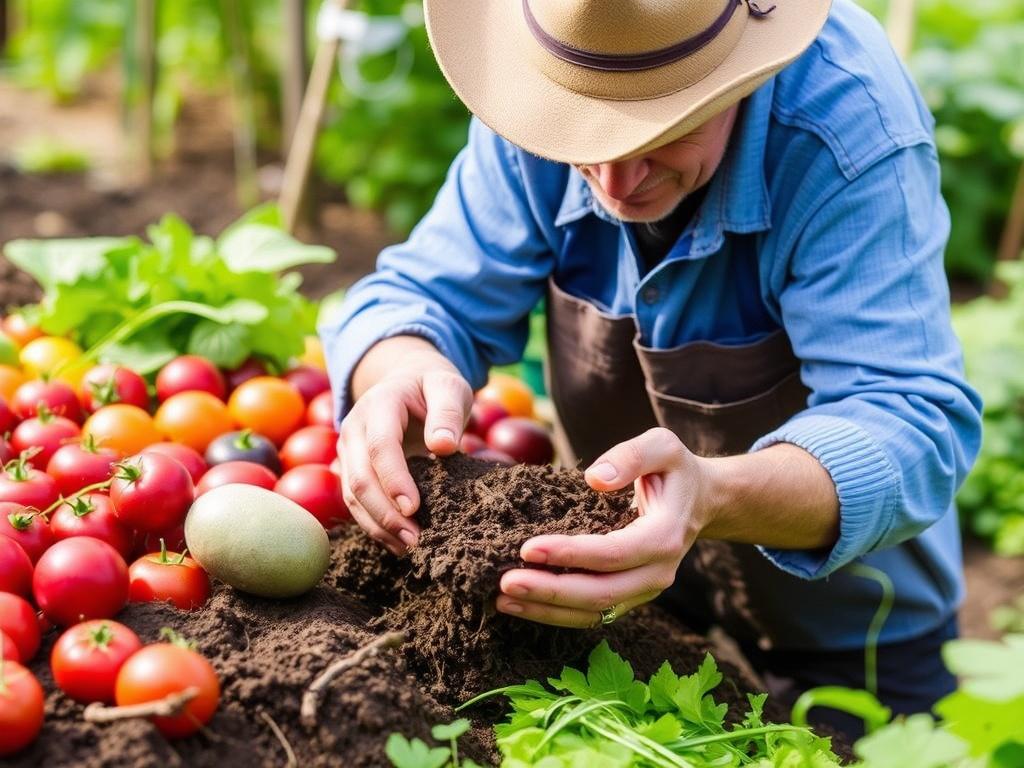
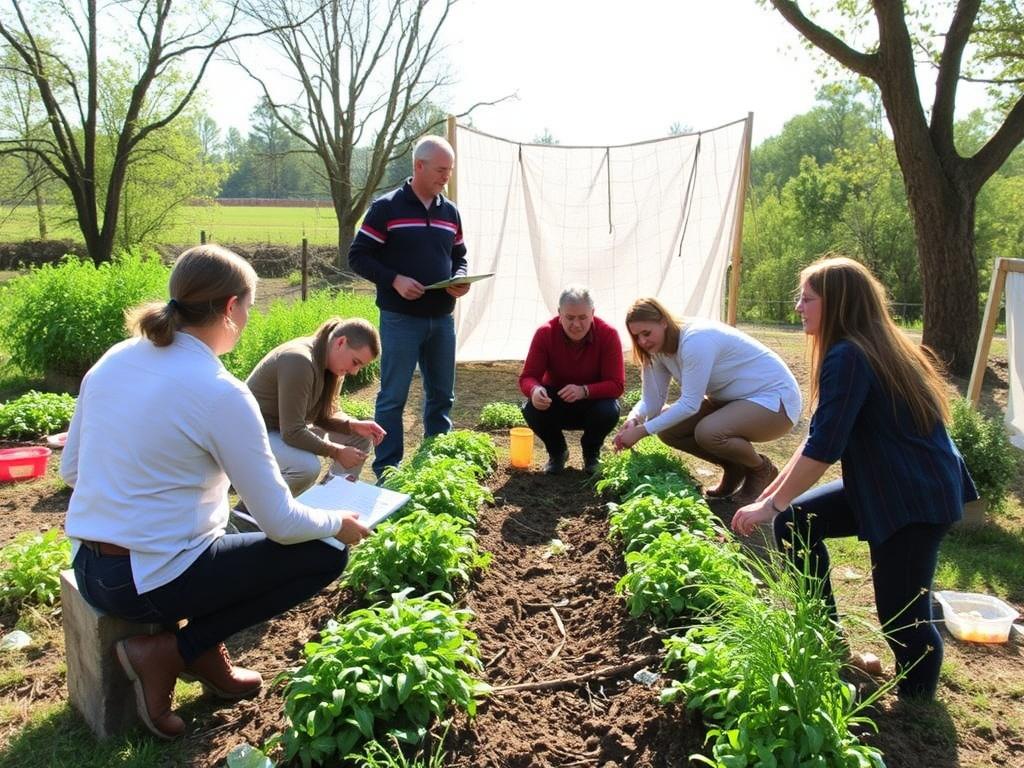
Composting: Turning Waste into Black Gold for Your Fields is more than a slogan — it’s a practical path to richer soil, lower input costs, and a smaller environmental footprint. In these pages I’ll walk through the materials, methods, and measurements that make composting reliable at any scale, from a backyard bed to multiple acres. Read on if you want a clear, usable roadmap and a few honest stories from the field.
Содержание
Why compost matters for modern farms
Healthy soil is not an abstract ideal; it is the platform for yield, resilience, and profit. Compost builds that platform by feeding soil biology, improving structure, and locking away water so crops withstand dry spells better than they would on bare, depleted ground.
Beyond agronomy, composting is a way to manage waste on-site. Manure, crop residues, and food-processing byproducts can be transformed into productive material rather than hauled away or burned. That closes nutrient loops, reduces disposal costs, and keeps greenhouse gases out of the atmosphere.
The science in a nutshell: how compost works
At its heart, composting is microbial gardening. Bacteria, fungi, actinomycetes, and a crowd of tiny invertebrates break down organic matter into simpler compounds. Those organisms need a balanced environment of food, oxygen, moisture, and time to do their work efficiently.
Temperature dynamics tell the story of activity. A well-managed pile heats up as microbes consume readily available carbon and nitrogen; heat indicates decomposition and pathogen suppression. Later, cooling and stabilization signal that material is maturing into a stable humus-like product that benefits plants.
Greens and browns: balancing the ingredients
Successful composting depends on a sensible mix of «greens» (nitrogen-rich) and «browns» (carbon-rich). Greens include fresh grass clippings, kitchen scraps, and manure; browns are dry leaves, straw, wood chips, and shredded paper. The right ratio feeds microbes steadily without producing odors or wasting nitrogen.
A practical target is often expressed as a carbon-to-nitrogen (C:N) ratio around 25-30:1 at the start of active composting. You don’t need a lab to estimate this; pairing moist, smelly greens with drier, bulkier browns until the pile feels like a damp sponge will get you close. Adjust as you observe temperature and smell.
Materials to avoid or use cautiously
Not everything organic belongs in a compost pile destined for food crops. Meat, dairy, and oily food scraps attract pests and can create anaerobic pockets if not managed carefully. If you compost these materials, use a hot, well-aerated system and maintain high temperatures to reduce risk.
Also be cautious with persistent chemicals and treated wood, which may leave residues in finished compost. Diseased plants and seeds of invasive weeds need higher temperatures and longer retention times to ensure destruction before application to fields.
Basic composting methods
There is no single «best» composting method — the choice depends on scale, labor, and material. I’ll outline the common approaches and practical trade-offs so you can match technique to goals and capacity.
Whether you run a market garden or manage a dairy farm, you can use hot piles, windrows, static aerobic systems, or vermicomposting. Each has predictable advantages and weaknesses that determine labor needs, pathogen control, speed, and suitability for certain inputs.
Hot (active) composting
Hot composting is designed to reach temperatures of 131–160°F (55–70°C) for several days, which accelerates decomposition and helps sanitize the material. It requires turning or forced aeration, an appropriate carbon-to-nitrogen balance, and consistent moisture control.
For a vegetable grower, hot composting is attractive because it produces finished material in weeks rather than months, and it reliably reduces pathogens and weed seeds when managed correctly. The trade-off is labor and the need for deliberate stacking and monitoring.
Cold (passive) composting
Cold, or passive, composting is low-input: you pile material and let nature take its time. Decomposition occurs more slowly and temperatures often stay below sanitizing thresholds, so disease and seed survival are more likely if you add risky materials.
Cold composting works well for woody debris, bedding, and bulky residues where time is plentiful and labor is scarce. It’s also useful for building long-term soil carbon on acreage where rapid turnover isn’t required.
Vermicomposting and small-scale systems
Vermicomposting uses earthworms, most commonly Eisenia fetida (red wigglers), to process food scraps and certain manures into a nutrient-rich cast. It’s fast, produces an elegant product, and is especially suited to small farms or greenhouse operations.
Worm systems are sensitive to temperature and moisture. They’re brilliant for kitchen waste and bedding but are less appropriate for large volumes of woody material unless you follow a two-stage process (hot composting then worming) to stabilize and then refine the product.
Windrows, static piles, and aerated static piles
Windrows are long, narrow piles turned regularly with machinery; they are the scale solution for many commercial operations. Static piles remain in place and rely on passive aeration or forced air through perforated pipes in aerated static pile systems, which reduce turning labor.
Aerated static piles combine thermal performance with lower labor, but they require infrastructure. Windrows offer simplicity and flexibility for farms with tractor access; choose based on volumes, equipment, and whether you need rapid sanitization.
Designing a compost system for your fields
Design begins with materials and ends with logistics. Map where materials are produced, where finished compost will be applied, and how trucks or tractors will move between points. Minimize double handling; every extra lift is a cost.
Consider access to water for moistening piles, shade to moderate heat if needed, and a level surface with good drainage to prevent ponding under piles. Concrete pads are useful for operations handling manure or biosolids to prevent leaching, but not always necessary for plant-only systems.
Sizing piles and windrows
Windrow dimensions affect internal temperatures. A typical hot windrow might be 4–6 feet high and 8–12 feet wide, ensuring a mass large enough to hold heat but not so wide that oxygen fails to penetrate the core. Smaller piles are easier to turn by hand but cool faster.
For very large operations, break volumes into multiple windrows staged to provide a continuous supply of mature compost. Staging also helps manage nutrient availability and prevents a glut of fresh compost at once.
Aeration, turning, and moisture control
Oxygen is a limiting factor. Turning restores porosity and recharges aerobic microbes; the frequency depends on method and pile size. Hot piles often need turning every 3–10 days early on, while static systems rely on air channels or pipes to provide oxygen without turning.
Moisture should feel like a wrung-out sponge: moist but not dripping. Too dry and microbial activity stalls; too wet and anaerobic pockets form, creating odors and slowing decomposition. Regular checks and occasional watering keep the balance.
Monitoring: temperatures, smells, and maturity
Thermometry is the farmer’s best diagnostic tool. Long probes measure internal temperature at several spots; temperatures that rise quickly indicate active breakdown, while long cold zones or persistent high heat may point to aeration problems or an outsized pile.
Smell is a quick indicator too. Compost should smell earthy. A sharp ammonia odor signals excess nitrogen or insufficient carbon, while rotten, sewage-like odors indicate anaerobic conditions that need more air and possibly more carbon.
How to test compost maturity
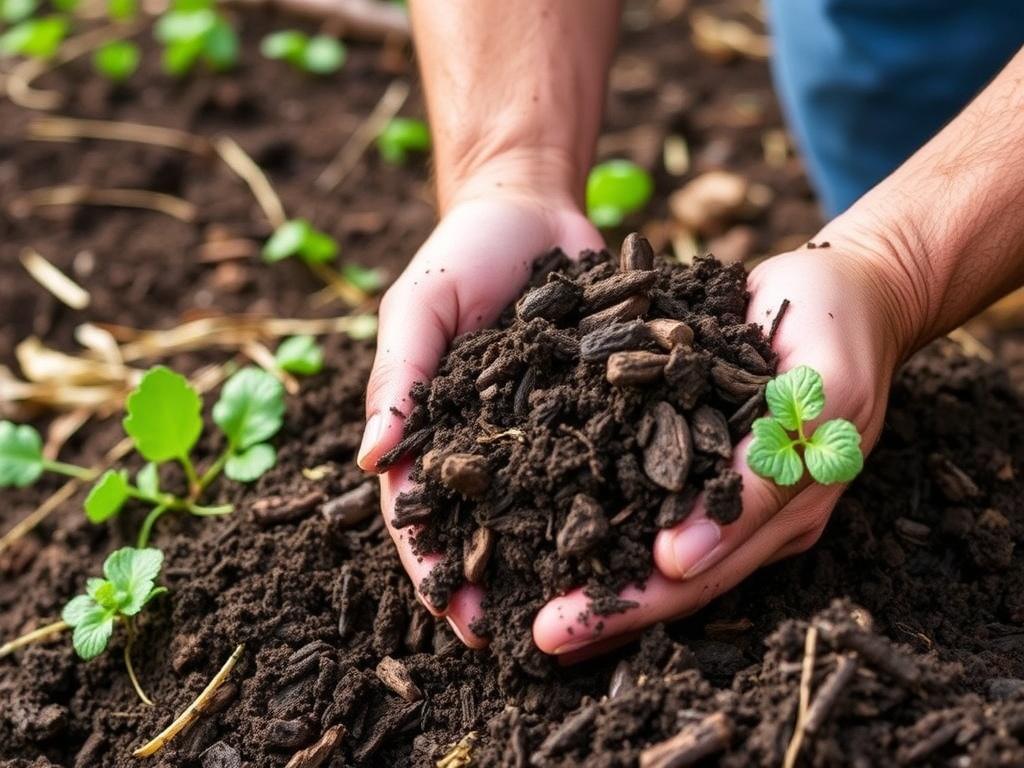
Maturity tests include simple field checks and laboratory analyses. A handful of finished compost should show little to no heat, a dark crumbly texture, and a pleasant forest-floor aroma. Seed germination tests can reveal phytotoxicity from immature compost.
For higher-stakes applications, labs can analyze nutrient content, plant-available nitrogen, pathogen presence, and stability measures such as respiration rate. Those data are useful if you sell compost or apply it to crops destined for strict food-safety markets.
Application rates and when to apply
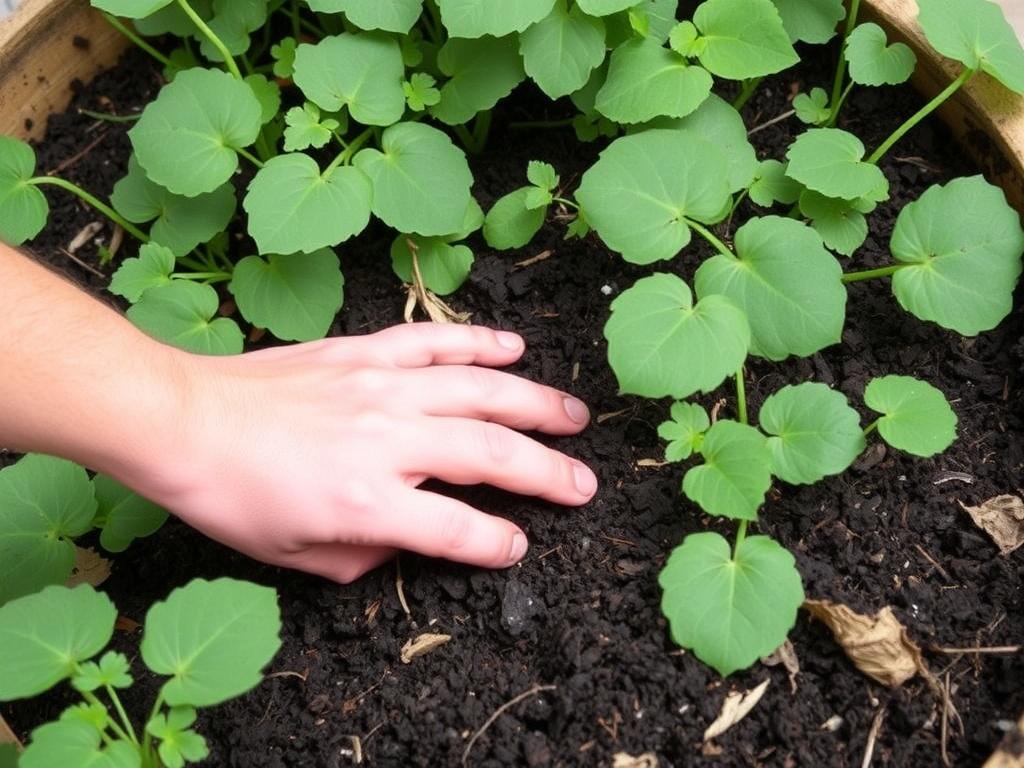
Compost is not a one-size-fits-all fertilizer; it’s a soil amendment. Application rates depend on field goals: building organic matter, correcting structure, or providing nutrients. Typical annual rates for building soil organic matter range from 1 to 5 tons per acre, while topdressing vegetable beds might use ½ to 2 inches of compost.
Timing matters. Apply compost in the fall to allow biological integration over winter, or in spring several weeks before planting to reduce risk of immobilizing nitrogen in high-carbon composts. Incorporation into the topsoil speeds contact with microbes and roots but surface mulching has its own benefits for water conservation.
Crop type
Typical compost rate
Best timing
Row crops (corn, soy)
2–5 tons/acre (annual for soil-building)
Fall or incorporated in spring
Vegetable beds
½–2 inches (topdress or incorporate)
Late fall or early spring
Pasture and hay fields
1–3 tons/acre
Fall or after grazing
Orchards and vineyards
1–3 tons/acre as mulch/topdress
Late winter to early spring
How compost improves soil function
Compost contributes organic matter that glues soil particles into stable aggregates, improving aeration and water infiltration. Aggregated structure resists compaction and makes tillage less destructive to living soil habitat.
Compost also acts as a slow-release nutrient bank and a stimulant to microbial diversity. Healthy microbial communities mineralize nutrients in sync with plant demand, suppress soil-borne diseases, and help cycle otherwise locked nutrients back into plant-accessible forms.
Water retention and drought resilience
Sandy soils gain the greatest water-holding benefit from compost; even small additions can double available water in the root zone over time. In heavier soils, compost improves infiltration and reduces crusting, helping rainfall percolate instead of running off.
That matters once the weather turns dry. Fields with consistent organic matter take longer to stress and recover faster after drought, stabilizing yields and reducing irrigation needs in many systems.
Compost and nutrient management
Compost contains nitrogen, phosphorus, and potassium, but nutrient concentrations are lower and release is slower than synthetic fertilizers. Use compost strategically to build soil capital and supply a portion of nutrient needs, while still testing and supplementing with other fertilizers when crops demand readily available nutrients.
Regular soil testing combined with knowledge of compost nutrient content allows you to account for fertility contributions and avoid over-application. This measured approach prevents nutrient runoff and makes every ton of compost deliver more value.
Safety, regulations, and testing
Compost destined for food crops or for sale may be subject to local and national regulations, especially when it includes manure, biosolids, or industrial byproducts. Familiarize yourself with those rules and the required documentation, such as treatment time/temperature records and lab certificates.
Pathogen control is critical when using animal manures. Managed hot composting that achieves and documents appropriate temperatures is the standard practice to reduce pathogens like E. coli and Salmonella. For high-risk materials, consider third-party testing before field application.
Heavy metals and contaminants
Some feedstocks, especially sewage sludge or certain industrial byproducts, can carry heavy metals or persistent organic contaminants. Testing compost for metals (lead, cadmium, arsenic, zinc) is essential if these inputs are part of your system or if you plan to sell the compost for agricultural use.
When contaminants are detected, options include avoiding those inputs, diluting with clean feedstocks, or restricting compost use to non-food areas. Transparency and testing protect your farm’s reputation and legal standing.
Economic considerations: costs and returns
Composting requires investment in labor, space, and sometimes equipment, but it can pay off through reduced fertilizer purchases, lower waste disposal fees, and improved yields. For many growers, the breakeven point arrives within a few years when compost is used strategically to improve low-carbon soils.
On larger operations, selling excess compost creates an additional revenue stream if you can meet quality standards and marketing needs. Even without sales, the avoided cost of hauling manure off-site often justifies on-farm composting.
Environmental benefits and carbon sequestration
Compost diverts organic waste from landfills where it would decompose anaerobically and release methane, a potent greenhouse gas. Instead, composting aerobically releases less methane and captures carbon in more stable soil organic matter over the long term.
Applied systematically across fields, compost can contribute to measurable increases in soil organic carbon, which benefits climate resilience and soil fertility. Programs and incentives that pay for carbon sequestration are emerging and may provide additional income for farms that adopt compost-based practices.
Real-life example: a small dairy farm’s transformation
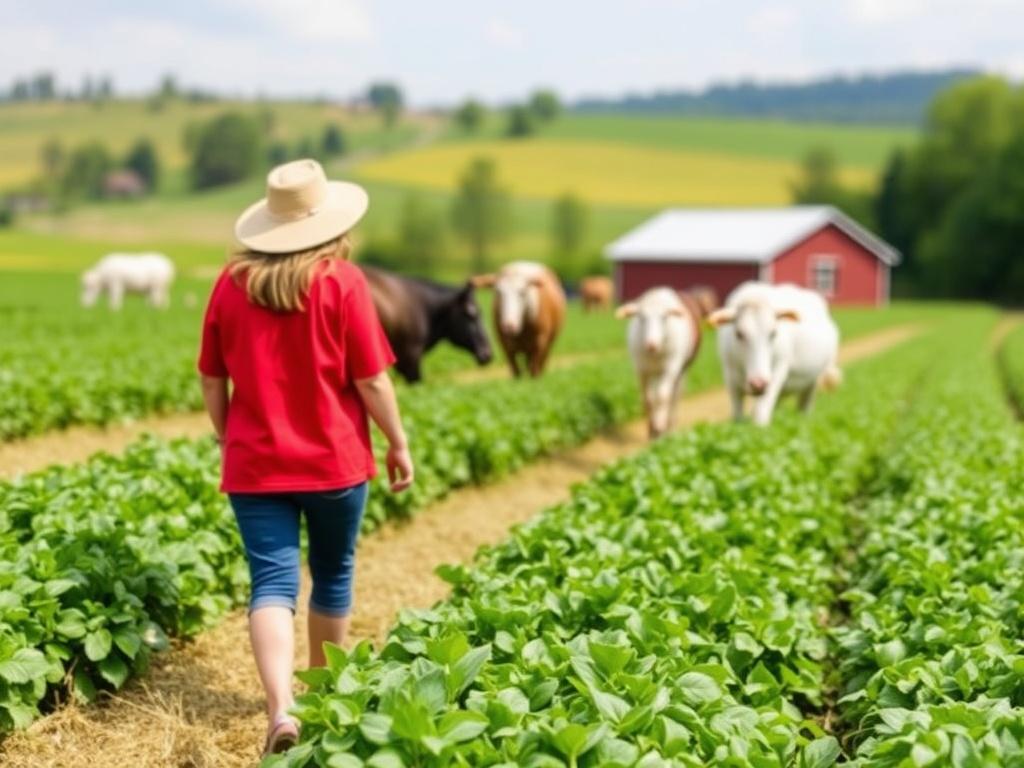
I once worked with a small dairy that was dealing with seasonally overflowing manure lagoons and unhappy neighbors. They shifted to a windrow composting system, invested in a turning machine, and started selling screened compost to local gardeners. The change reduced odor complaints and created a modest off-farm revenue stream.
More importantly, after three years of applying compost to their hayfields at 2 tons per acre annually, the farm observed improved sod density, better water infiltration, and reduced winter heaving. Those agronomic gains lowered reseeding costs and smoothed yield variability through wet and dry seasons.
Step-by-step plan to get started
Start by inventorying available materials, equipment, and space. Map flows — where residues accumulate, how they will be moved, and where finished compost will be stored. This simple planning step prevents many logistical headaches.
Create a pilot: a few small piles or a single windrow. Monitor temperature and moisture daily for the first fortnight and keep a log. Adjust green/brown ratios until the pile responds predictably with heat and an earthy smell rather than ammonia or rot.
Inventory materials and decide on a method that fits scale.
Build a test pile and monitor temperature, moisture, and smell.
Scale up gradually, invest in turning/aeration equipment as needed.
Test finished compost for maturity and nutrient content before wide application.
Track effects on soil and crop performance, and adjust rates over seasons.
Common mistakes and how to avoid them
One frequent error is overloading piles with wet, high-nitrogen material without enough carbon, leading to anaerobic conditions and odors. The fix is simple: add bulking agents like straw or wood chips and turn more frequently until balance returns.
Another mistake is impatience — applying immature compost can harm seedlings and tie up nitrogen. If in doubt, let your piles age longer or run a seed germination test before spreading on sensitive crops.
Managing pests and rodents
Pests are drawn to exposed food scraps and animal proteins. Use enclosed systems, deep burial in hot piles, or pre-fermentation steps like Bokashi to manage high-risk kitchen waste. For manures, adequate heat and proper site sanitation reduce rodent attractants.
Screen finished compost to remove larger contaminants and ensure consistent texture. Screening improves product quality for use as potting mix components or for sale, and it reduces places where pests can hide.
Marketing and selling compost
If you plan to sell compost, quality consistency is vital. Labs can provide nutrient and stability testing; labels with clear analysis and usage directions increase buyer confidence. Packaging matters: bagged product sells easier to gardeners, while bulk sales suit landscapers and farms.
Know your customers. Garden centers look for consistent texture and disease-free guarantees. Farmers want value per ton and may accept less processing if you provide clear testing and application guidance. Good relationships with local users shorten the marketing curve.
Integrating compost into regenerative cropping systems
Compost complements cover crops, reduced tillage, and diverse rotations. While compost builds long-term soil capital, cover crops protect soil between cash crops and feed roots that support microbial life. The synergy yields more predictable gains than any single practice alone.
Plan applications to support rotations. For example, applying compost ahead of a cover crop can bolster establishment and root growth, which then returns additional biomass to feed soil life in the following season. That layered thinking compounds benefits year to year.
Long-term tracking and recordkeeping
Keep simple records: inputs by ton and type, pile temperatures and turning dates, lab results for finished compost, and field application rates and locations. Those notes let you link compost use to changes in soil organic matter, yields, and costs over time.
With multi-year data you can refine rates, choose feedstocks that deliver the best return, and document environmental benefits for grant programs or carbon markets. Data turns intuition into reliable decisions.
Final practical tips from experience
Start small, expect early mistakes, and iterate. In my experience, the farms that succeed move from enthusiasm to discipline: they build routines for monitoring, schedule regular turning, and resolve odor issues quickly so neighbor relations remain positive. Composting thrives on attention.
Invest in a good thermometer, a reliable loader or turning tool, and a simple moisture meter or the squeeze test. Those small investments save time and reduce waste. Above all, treat composting as farm infrastructure — a long-term investment in soil health that pays dividends year after year.
Compost is not a magic pill, but when you manage feedstocks, oxygen, and moisture with intention, you turn what used to be a disposal problem into a tool for resilience. Fields enriched with mature compost take less fertilizer, survive stress better, and produce more consistent crops. It’s not black art; it’s black gold earned the old-fashioned way — through time, attention, and the quiet work of microbes and earthworms.