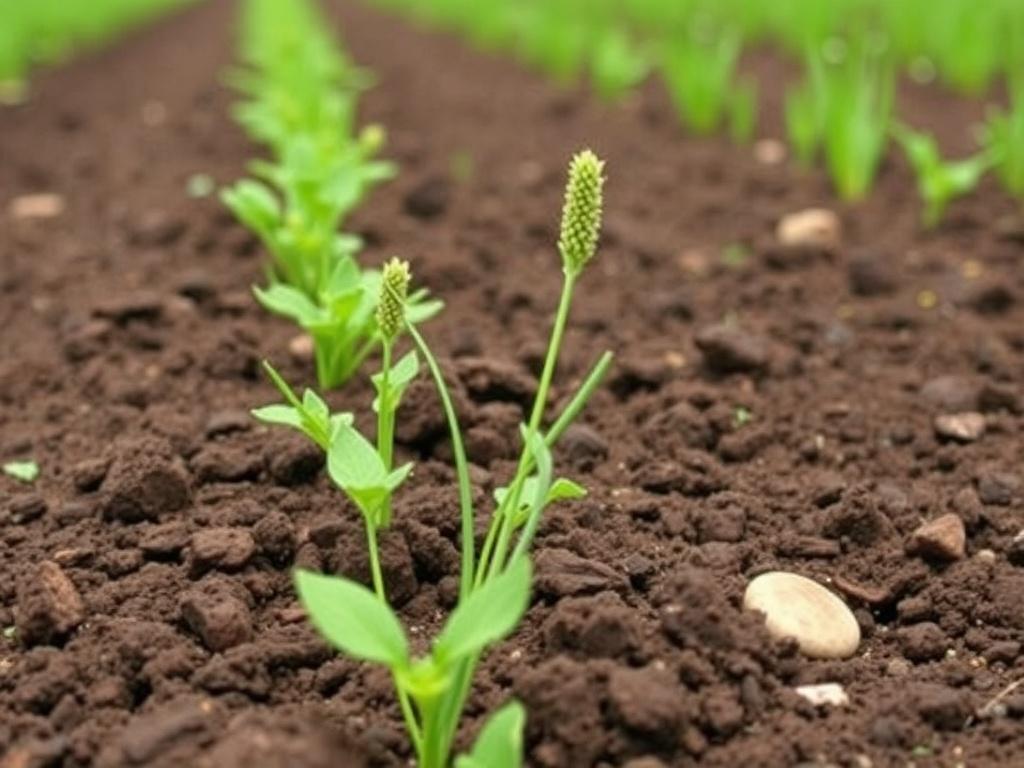
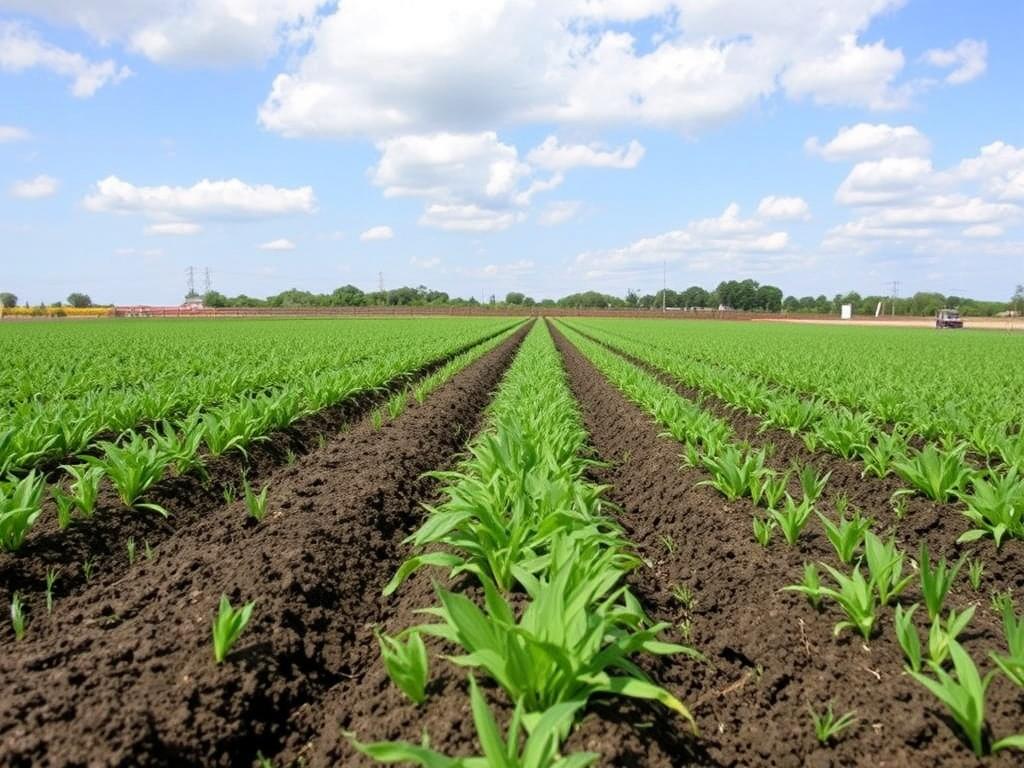
Cover crops are one of the simplest, most powerful tools a gardener or farmer can add to their toolbox. Beyond the neat buzzwords—soil health, biodiversity—cover crops do practical work: they smother weeds, feed microbes, hold soil in place, and store nutrients for the next cash crop. This article walks through why they work, which species to choose, how to manage them, and real-life tips that save time and money on both small plots and larger fields.
Содержание
Why cover crops matter for every scale of growing
Weeds are the visible symptom of a deeper problem: disturbed, exposed soil that favors opportunistic plants. Cover crops change that equation by creating living cover, which reduces light at the soil surface, outcompetes annual weeds, and interrupts weed life cycles. The result is fewer weed seeds making it into the seedbank and less weeding time in future seasons.
Beyond weed control, cover crops restore the physical structure of soil. Deep-rooted species like rye and daikon radish create channels for water and roots, while fibrous grasses build surface aggregate and reduce crusting. Those structural changes translate into better drainage, reduced erosion, and easier rooting for the next crop.
Cover crops also rewire soil biology. Legumes introduce nitrogen through symbiotic bacteria, brassicas produce biofumigant compounds that can suppress some pathogens, and diverse mixes foster a broader microbial community. Instead of relying on quick fixes, you’re growing the living infrastructure that sustains fertility over time.
How cover crops suppress weeds: mechanisms that add up
Suppressing weeds is not a single trick but a set of interacting mechanisms. One of the most immediate is competition: a dense stand of oats or rye shades the soil, leaving little light for small weed seedlings to establish. That shade effect alone reduces emergence of many troublesome species, especially summer annuals that need bright, warm soil.
Allelopathy is another mechanism, where certain plants release chemicals that slow or prevent weed seed germination. Rye, for example, produces allelopathic compounds that can inhibit small-seeded weeds when it’s killed and left as a mulch. Allelopathy is useful, but it’s strongest when combined with dense cover and timely management.
Physical suppression—thick mulch from terminated cover crops—reduces seedling survival and can smother perennial weeds if applied consistently. Mulch cuts soil temperature fluctuations and retains moisture, creating conditions that favor established crops and beneficial organisms over opportunistic weeds.
Choosing the right cover crop for the job
Start by identifying your primary goals: weed suppression, nitrogen fixation, erosion control, deep tillage, or a combination. Different species have different strengths—a legume adds nitrogen but may be less effective at creating a dense, weed-smothering canopy than rye. Planning a mix often gives the best overall result.
Consider your timing constraints and climate. In cool climates, winter rye is a go-to for fall planting because it survives cold and grows early in spring. In warm areas, crimson clover or sunn hemp might be better for a summer cover crop. Seed availability and cost also influence choices, especially on a budget.
Below is a simple table of common cover crops, their key benefits, and typical uses. Use it as a starting point rather than a strict rulebook; local experience and trials will always refine your selections.
Cover crop
Main benefits
Best uses
Winter rye (Secale cereale)
Rapid biomass, strong weed suppression, erosion control
Fall-seeded cover for winter protection and spring mulch
Hairy vetch (Vicia villosa)
High nitrogen fixation, decent biomass
Spring or fall planting for nitrogen build-up in spring
Crimson clover (Trifolium incarnatum)
Nitrogen fixation, attractive to pollinators
Winter or early spring cover in mild climates
Daikon radish (Raphanus sativus)
Deep taproot, breaks compaction, scavenges nutrients
Fall-planted to reduce compaction and recycle nutrients
Mixes combine complementary traits: grasses for bulk and structure, legumes for nitrogen, and brassicas for deep rooting and biofumigation. A three-way mix often outperforms monocultures because it shades soil across seasons and offsets the weaknesses of any single species. Diversity also reduces the risk of total failure—if one species underperforms, others can fill the gap.
When assembling a mix, consider relative seeding rates and the growth habits of each plant. Fast, aggressive grasses can dominate slower legumes if seeded at full rates. Use recommended proportions—often 50–70% grass, 20–40% legume, and a small percentage of brassicas as a starting point—and adjust after observing how they behave on your land.
Local seed companies or extension services can often recommend regionally appropriate mixes. If you’re experimenting, allocate a small test block before scaling up; it saves headaches and teaches you how mixes behave under your specific soils and weather.
Timing: when to plant for maximum weed suppression and soil benefit
Timing determines whether a cover crop has time to establish and perform its functions. For fall-seeded covers, you want enough vigor before winter to form a protective canopy or root system, but not so much growth that it becomes difficult to terminate in spring. Generally, planting cover crops shortly after harvest gives the most growing time and benefits.
Spring-seeded covers are useful when fields are idle or between short-season crops. Summer covers like buckwheat can grow quickly and smother weeds in warm months, while legumes like sunn hemp offer summer nitrogen fixation. Match the species to the window of opportunity you have between cash crops.
Be mindful of hard freezes and flowering times if you’re depending on nitrogen fixation—many legumes fix more if terminated before they become woody and set seed. Similarly, allowing a crop to mature past flowering can reduce its value as a mulch and complicate termination.
Seeding methods and practical planting tips
There are several effective ways to seed cover crops: broadcasting by hand or spreader, drilling with a seed drill, or interseeding into standing crops. Broadcasting is inexpensive and works well for small plots, but drilling gives better seed-to-soil contact and more uniform stands. Interseeding can introduce covers without taking land out of production, especially in perennial systems.
For small gardens, I often broadcast a rye-clover mix and rake lightly to improve contact; germination is remarkably reliable if soil is moist. On larger fields, a drill or a no-till seed drill pays for itself over a few seasons through improved establishment and reduced replanting. Calibration of seeding rates is important—too little seed yields patchy cover, too much can be wasteful and costly.
When broadcasting, rolling or lightly cultipacking the area after seeding helps prevent birds from eating the seed and improves soil contact. If you’re interseeding into a standing crop, time the seeding so the cover has enough light and moisture to finish the season once the primary crop is harvested.
Establishing a cover crop: water, weed seedbank, and soil condition
Establishment success depends on moisture and seedbed conditions. In dry climates, planting just before the seasonal rains or irrigating lightly after seeding dramatically improves germination. Conversely, in saturated soils, seeds can rot or be pushed below their ideal depth, so timing remains critical.
The existing weed seedbank plays a large role in outcomes. If your soil is full of perennial weed roots or a thick layer of weed seeds, cover crops reduce future input but rarely eliminate the problem in a single season. Repeated covers, strategic tillage or mowing, and consistent management over multiple years gradually reduce the weed burden.
Soil pH and fertility affect cover crop vigor. A poor stand from nutrient-poor soil will do a poor job suppressing weeds and supplying benefits. Consider a baseline soil test before starting a multi-year cover crop plan and correct glaring nutrient imbalances or extreme pH values first.
Termination methods: when and how to stop a cover crop
Terminating a cover crop at the right moment is as important as planting it. If you terminate too late, the cover can tie up nitrogen or become woody and hard to manage. Terminate too early, and you lose the biomass and weed suppression benefits.
Common termination methods include mowing, rolling/crimping, tillage, herbicides, frost, and grazing. Each method has pros and cons: mowing is simple but may leave stems that regrow, crimping works well with large acreage and no-till systems, and grazing adds animal integration but requires livestock. Choose the method that fits your system and crop rotation plan.
For gardeners and small farms, I favor mowing or cutting the cover and leaving the residue as mulch. In my own plot, a late-spring flail mowing of a rye-vetch mix followed by dry-down and planting into the mulch reduced hand-weeding by half compared with previous years. The mulch also conserved moisture through the summer heat.
Rolling and crimping
Rolling/crimping flattens and mechanically damages the stems, preventing regrowth while leaving residue on the surface as mulch. This method is excellent for large fields planted to cereal rye or similar grasses and is often used in organic no-till systems. Timing is important—crimping at anthesis (flowering) is most effective for many species.
Equipment can be a challenge for small operators, but some cooperatives and rental centers offer rollers. If you don’t have access to a roller, combining mowing with tarping or tack-down techniques can mimic the residue retention, though with more labor required.
Tillage and incorporation
Tillage buries cover crop residue and can expedite decomposition, making nutrients available earlier for the next crop. While effective, this approach reverses some of the soil-structure gains and can accelerate organic matter loss if used repeatedly. Use it when you need rapid nutrient release or to manage heavy residues that impede planting.
Keep in mind that chopping and incorporating a brassica-rich cover may release biofumigant compounds briefly, which can benefit pest suppression but also impact sensitive seedlings. If you plan to till in, allow a short window for residues to begin decomposing before planting the cash crop.
Herbicide termination and integrated approaches
Herbicides can be a reliable way to terminate covers, particularly in large-scale conventional systems. Tank-mixing with surfactants and timing sprays to when plants are actively growing maximizes effectiveness. However, reliance on herbicides removes some biological benefits and may not fit organic systems or those aiming to reduce chemical inputs.
Combined methods often work best: mowing followed by a light till or targeted grazing can reduce reliance on any single tactic while achieving consistent termination. Think of termination as a choreography of timing, tool choice, and next-step planning for planting the cash crop.
Soil benefits in detail: more than just organic matter
Cover crops feed the soil in several interlinked ways. Roots exude sugars and carbon that feed microbes; when roots die, they leave channels and organic matter that improve aggregation and porosity. Over time this builds a soil that holds water better, warms faster in spring, and supports vigorous crop root growth.
Nitrogen cycling is a headline benefit when legumes are part of the system. Nitrogen fixed in root nodules becomes available to subsequent crops as cover residues decompose. Timing matters: if you plant a nitrogen-hungry crop immediately after a high-carbon cover, you risk temporary nitrogen immobilization unless you provide a break or adjust planting schedules.
Microbial diversity and fungal networks expand under long-term cover. Mycorrhizal associations increase with reduced tillage and perennial or long-cover systems, improving phosphorus uptake and drought resilience. That biological capital is slow to accumulate but pays dividends in reduced fertilizer needs and stronger yields over the long run.
Integrating livestock and cover crops
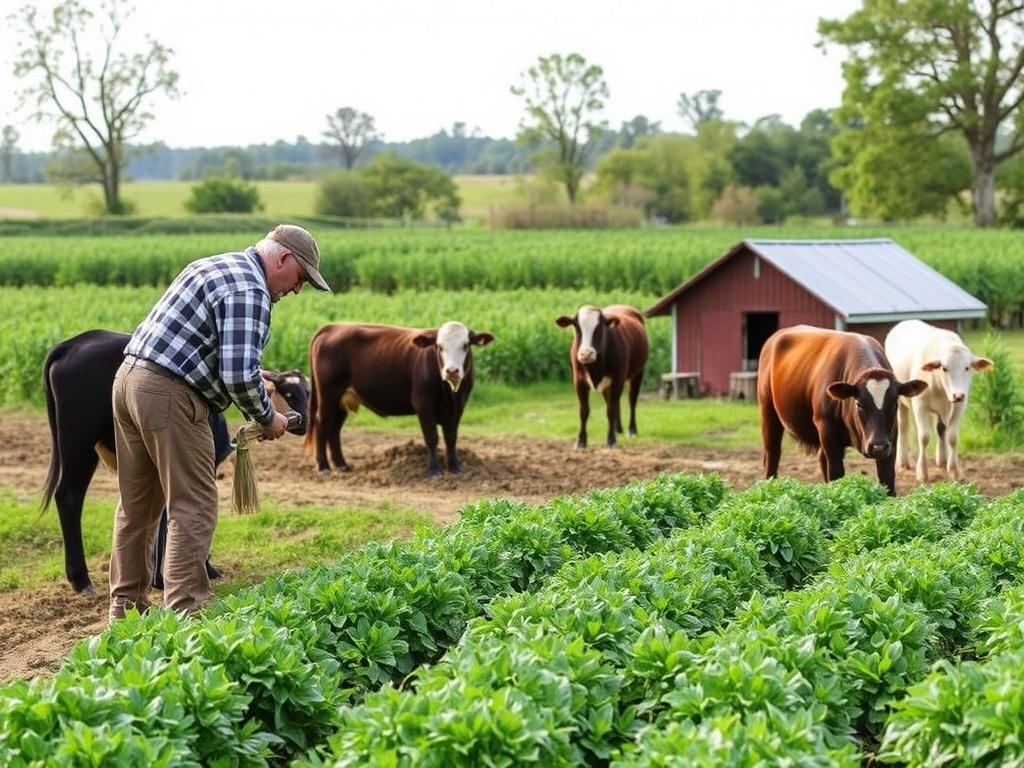
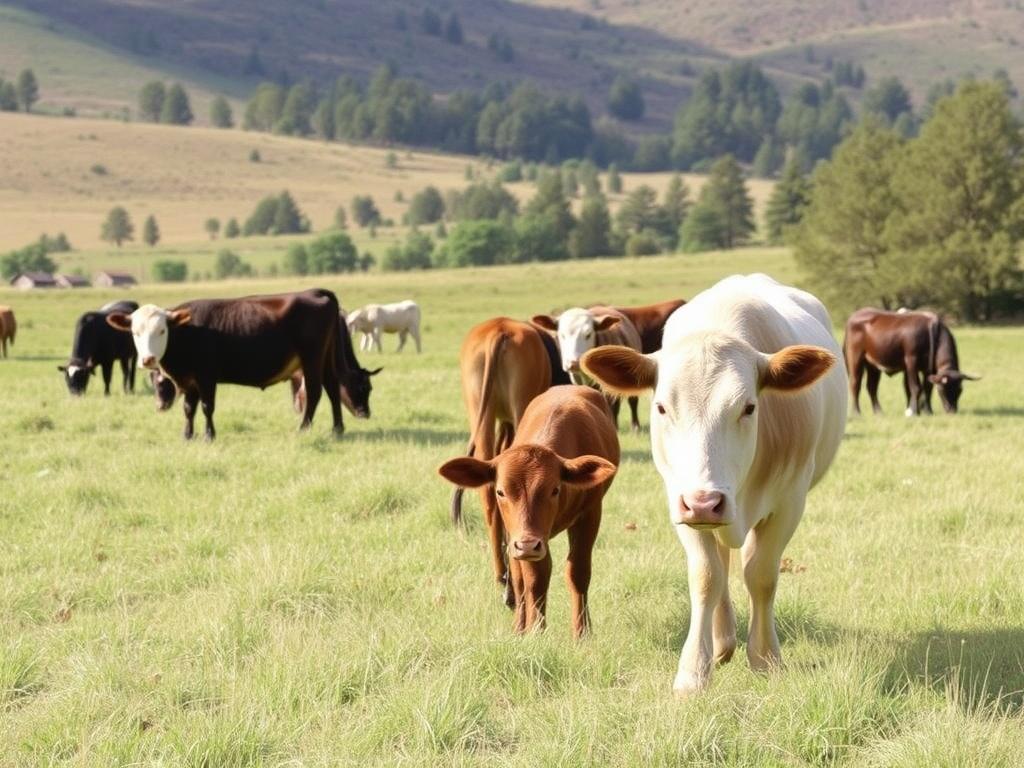
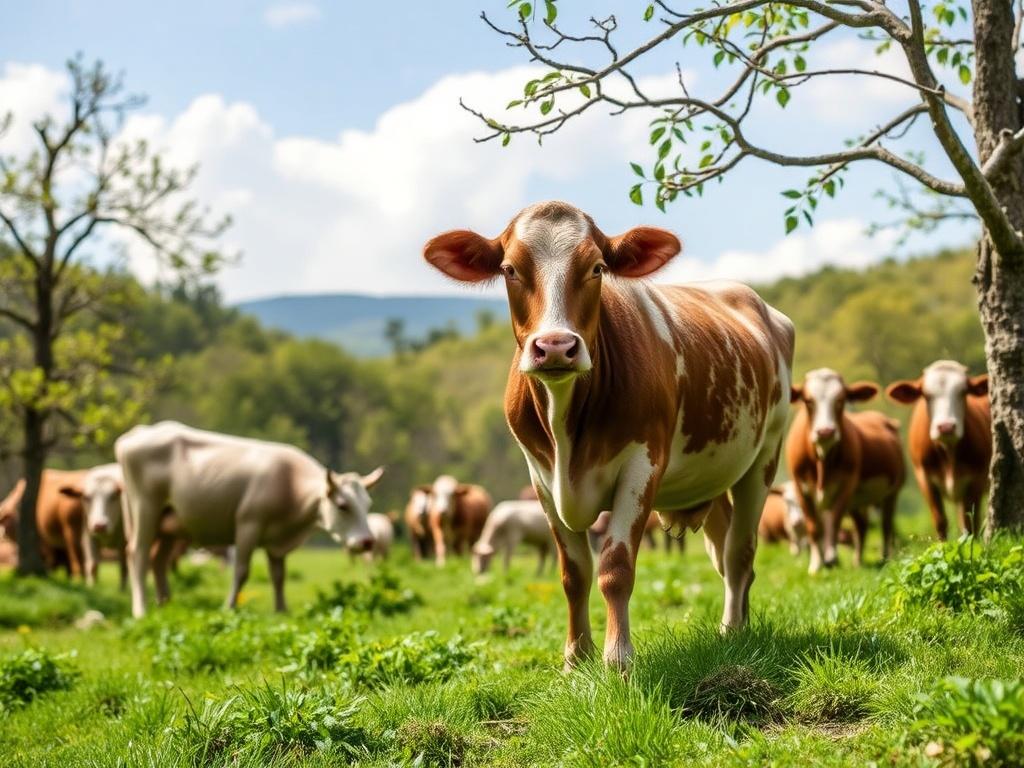
Grazing cover crops introduces another layer of benefit: animals harvest biomass, deposit manure, and help terminate covers without tillage. Managed grazing—rotational or mob grazing—can convert surplus biomass into usable fertility and can reduce seeding costs by controlling weed seeds in situ. However, it requires attention to timing to avoid compaction or overgrazing.
On small farms, integrating poultry or small ruminants can be particularly effective. Chickens following a mowed cover crop will scratch and incorporate residue while reducing fly and pest pressure. On our small acre, a week of sheep grazing removed excessive rye biomass and left a clean seedbed for planting without any mechanical crimping.
Work out a schedule and stocking rate tailored to your land. Overgrazing hurts soil structure and plant recovery, while undergrazing leaves excess biomass and seed production. Managed well, however, animals become partners in your soil-building strategy rather than merely outsiders.
Practical steps: a season-by-season plan for beginners
Beginner-friendly plans reduce the overwhelm of choices. For many gardeners, a simple, repeatable calendar works best: plant a fall rye-crimson clover mix after late-summer harvest, mow or cut in late spring before flowering, and transplant or direct-seed into the mulch. Repeat the pattern annually while monitoring results and adjusting as needed.
For growers with spring and fall windows, alternate winter covers with a fast summer buckwheat or sunn hemp during mid-season fallow. This rotating strategy keeps soil covered across most of the year and targets weed flushes that correspond to local weather patterns. Keep a notebook—track seeding dates, biomass, and weed pressure to learn what works where.
Here’s a basic checklist to get started: seed at recommended rates, ensure good seed-to-soil contact, time termination to avoid seed set, and test soil periodically. Those few habits preserve the cover crop’s benefits and prevent simple mistakes from undermining the system.
Decide primary goal (weed suppression, N, erosion control).
Choose a species or mix appropriate for your planting window and climate.
Prepare seedbed lightly or drill seed; ensure moisture.
Monitor growth and terminate at the ideal stage before seeding your next crop.
Common mistakes and how to avoid them
One frequent mistake is planting too late. A late-seeded cover may fail to develop enough biomass to suppress weeds effectively or protect soil over winter. Aim to give covers several weeks of active growth before the onset of unfavorable weather.
Another misstep is ignoring weed seed production. Allowing a cover crop to go to seed alongside weeds can actually increase the seedbank. Schedule termination before weed seed set and control any persistent perennials through targeted measures rather than relying on a single cover crop season.
Finally, don’t treat cover crops as a one-size-fits-all cure. They’re tools that perform best when coordinated with crop rotation, tillage practices, and fertility management. Expect learning curves and experiment on small areas to build confidence and refine your approach.
Measuring success: what to look for in soil and fields
Quantifying cover crop impacts keeps you honest and helps optimize the system. Regular soil tests every 2–3 years show changes in organic matter, pH, and nutrient levels. Track yields, weed counts, and labor inputs over time to see how cover crops affect profitability and workload.
Simple field indicators are also useful: increased earthworm counts, improved water infiltration after a rain, and reduced surface crusting are tangible signs that the system is improving. Biomass measurement before termination gives a metric for how much carbon and mulch you’re adding to the system—handfuls per square foot translate into pounds per acre with simple conversion charts available from extension services.
Photographs of the same plot over multiple seasons make trends obvious and motivate persistence. I keep a seasonal album of my garden beds; the visual evidence of thicker mulch and fewer weeds after three seasons is the most persuasive argument when friends ask whether the extra work was worth it.
Case studies: small garden and diversified farm examples
In my backyard garden, a yearly winter rye and hairy vetch mix changed our spring routine. Where we once flipped soil and pulled weeds for hours, we now mow the cover in late April and transplant into the mat of decaying rye. The mulch moderates soil temperature and curtails annual grasses, and the vetch loosens the need for early-season fertilizer.
On a 200-acre diversified farm I consulted for, the operators rotated cereal rye and clover with cash crops and used roller-crimpers before corn planting. After three years, they observed reduced herbicide spend and improved organic matter in fields that had consistent cover. The benefits weren’t immediate every season, but the cumulative gains improved resilience during drought years.
These examples highlight an important truth: cover crops are management tools adapted to a context. They succeed where there is planning, willingness to experiment, and a realistic timeline for soil improvements to appear.
Economics: seeds, labor, and returns
Cover crop seed costs vary widely by species and region—legumes and brassicas often cost more per pound than cereal grains, but different seeding rates change the per-acre calculation. Think of seed as an investment in fertility and weed reduction rather than a simple expense. Bulk buys and co-op sourcing cut costs for small farmers.
Labor is the other major expense. Broadcasting and mowing require time, while drilling and mechanical termination require capital. Many growers find cost-neutral or positive returns within a few years through lower fertilizer bills, less erosion, and reduced herbicide and labor needs for weeding. Make a simple spreadsheet to compare upfront costs against projected savings over three to five years.
Don’t overlook ecosystem service values: reduced runoff, carbon sequestration, and pollinator habitat contribute to farm resilience and may open doors to conservation cost-share programs or premium markets that reward sustainable practices.
Dealing with perennial weeds and problem species
Perennial weeds like bindweed, quackgrass, and bermudagrass are stubborn because they regenerate from extensive root systems. Cover crops can suppress these through repeated shading and starving of roots, but eradication often takes multiple years and integrated strategies. High-biomass annual covers followed by targeted tillage or smothering can reduce vigor over time.
For seeds of prolific annuals, preventing seed set is essential. Terminate covers before weed seed production peaks, and consider mowing or undercutting perennial patches to reduce their reproduction. Solarization, targeted herbicide applications, or livestock trampling in certain contexts can complement cover crops to remove persistent problem species.
Persistence matters. If you expect a single season of covers to solve decades of weed seed accumulation, you’ll be disappointed. Plan for a multi-year campaign with rotating covers, targeted interventions, and monitoring to make steady progress.
Regulatory and seed-cleanliness considerations
When purchasing cover crop seed, buy certified or cleaned seed where possible to avoid introducing weeds. Some agricultural mixes, especially low-cost blends, can include weed seeds that complicate your weed dynamics. Reputable suppliers provide seed labels and purity information—use that data when selecting sources.
If you’re in a watershed or have neighbors concerned about drift or runoff, communicate your plans and show how covers reduce erosion and nutrient loss. Some conservation programs offer incentives for cover crop adoption and can help defray costs while aligning practices with local water-quality goals.
Keep records of seed lots, planting dates, and termination methods—these details are useful for program applications and troubleshooting unexpected problems, such as an unexpected volunteer species appearing after termination.
Seasonal checklist for a successful cover crop program
Seasonality and consistent attention make cover crops routine and effective. In late summer, inventory your seed and plan species mixes. In fall, prioritize seeding dates to ensure good establishment. In late winter or early spring, watch growth stages closely to time termination before unwanted seeding occurs.
Maintain a log of biomass and weed presence at termination each season, and update the plan accordingly. Use soil tests every few years to track changes and adjust legume ratios or residue management to balance nitrogen availability and carbon inputs. Small adjustments over time yield large, sustainable gains.
Here is a condensed seasonal checklist for practical use on any scale:
Late summer: select species and order seed.
After harvest: prepare seedbed and plant cover crop.
Winter: monitor for establishment and protect from erosion.
Spring: terminate at the recommended stage for your species mix.
Plant next crop and monitor soil indicators through the season.
Frequently asked questions
Will cover crops tie up nitrogen and hurt my next crop?
High-carbon covers like cereal rye can temporarily immobilize nitrogen as microbes decompose the residue. The risk is highest if you seed a nitrogen-demanding crop immediately after terminating a heavy grass cover. To manage this, terminate mixes that include legumes, allow a short decomposition window, or add a small starter fertilizer if necessary.
Can I use cover crops in container gardens or raised beds?
Yes. Short-season covers like buckwheat or clover can be grown between crops in raised beds, then cut and incorporated or used as mulch. For containers, green manures can be grown in larger tubs to build soil before potting into garden beds. A small-scale experiment tells you quickly whether a particular species suits your microclimate.
How long before I see results in weed reduction?
Some reduction in annual weeds can appear within a season, especially when a dense cover is combined with timely termination. More stubborn perennials and a heavy weed seedbank require multiple seasons of consistent cover cropping to show meaningful decline. Patience and data—weed counts, photographs—are your best allies.
Resources and further reading
Extension services, conservation agencies, and regional cover crop guides are invaluable. The Natural Resources Conservation Service (NRCS) offers planting guides and cost-share details, and many universities publish region-specific recommendations for seeding rates and termination timing. Local seed suppliers and farmer-to-farmer networks often provide practical, place-based insights that beat generalized advice.
Document your local results and share learnings with neighbors or through community groups. The cumulative knowledge of practitioners in a specific climate or soil type will always refine general recommendations into reliable, actionable steps for your land.
Using cover crops to suppress weeds and enrich soil is not a magic bullet, but it is one of the most versatile and durable practices available to growers. With thoughtful species selection, good timing, and consistent management, cover crops reduce weed pressure, build resilience in soils, and pay off in time through lower inputs and healthier crops. Start small, measure results, and treat cover cropping as a long-term investment; your soil will thank you in yields, reduced labor, and a quieter, more productive garden or farm.