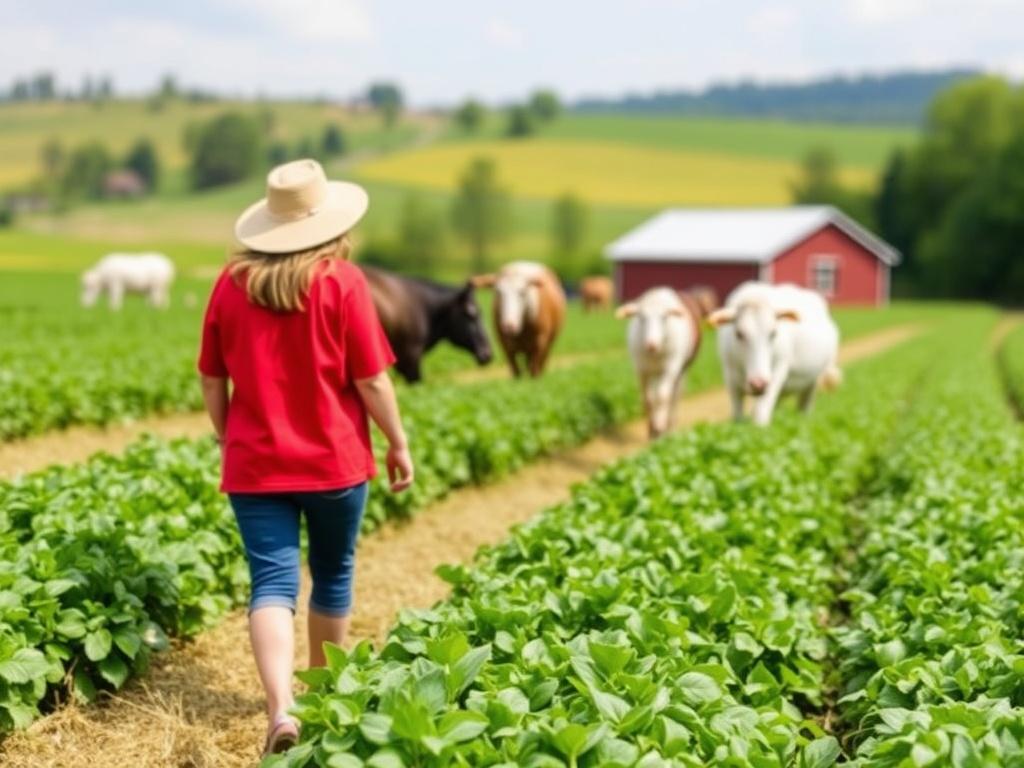
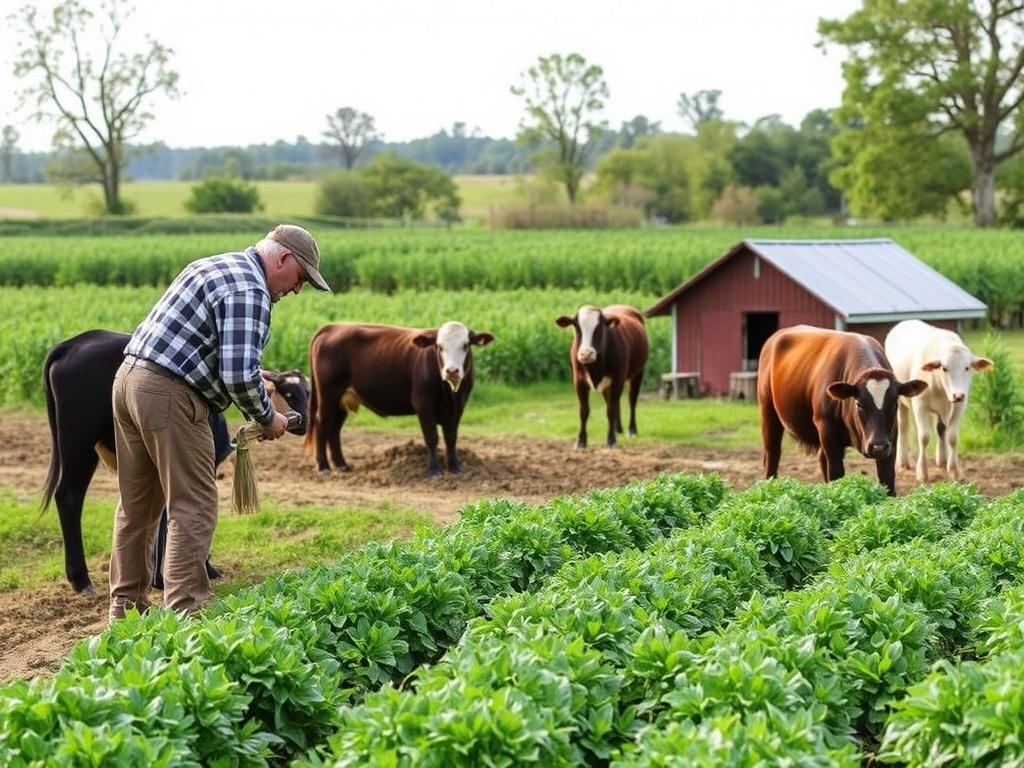
When I first stepped onto a small demonstration farm that combined fruit trees with grazing sheep, I expected a pleasant landscape and a few clever tricks. What I found instead was a working ecosystem: richer soil, quieter streams, healthier livestock, and a farmer who was suddenly less anxious about prices and weather. That experience convinced me that combining trees with crops or pasture is not just romantic — it’s practical, resilient, and increasingly necessary.
Содержание
Defining agroforestry and silvopasture
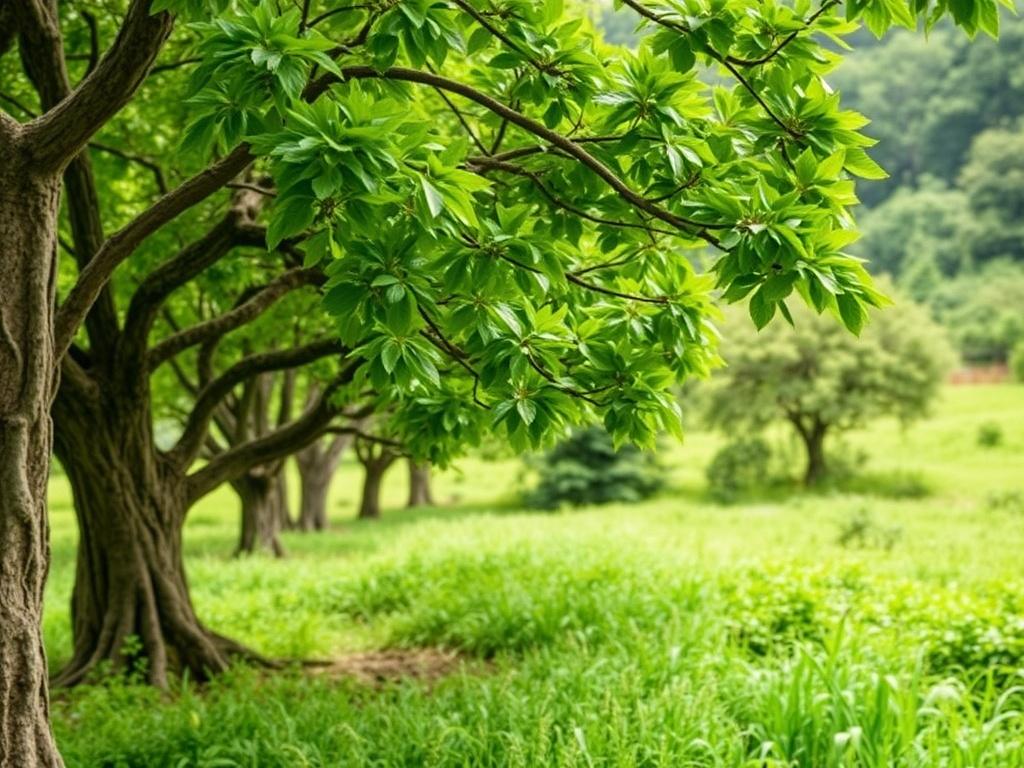
Agroforestry is a land management approach that intentionally integrates trees with crops, livestock, or both on the same parcel of land. It includes a range of practices such as alley cropping, riparian buffers, windbreaks, and home gardens, all sharing the same guiding principle: diversify vertical and horizontal use of the landscape.
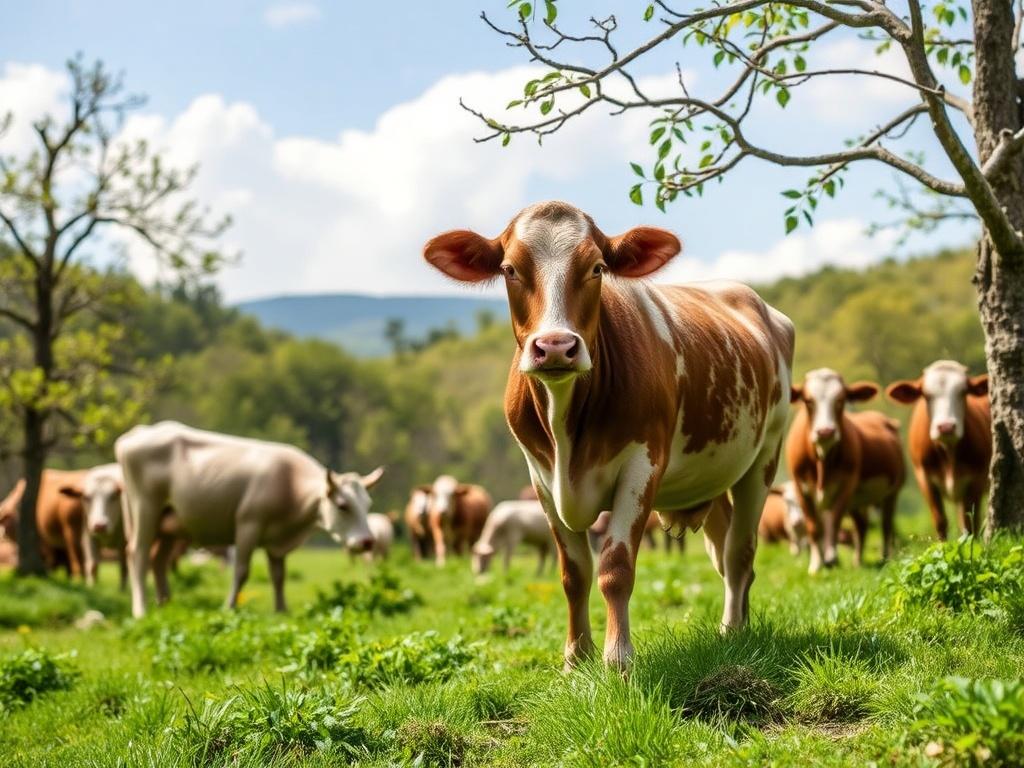
Silvopasture is a specific kind of agroforestry that combines trees, pasture, and grazing animals in a deliberately managed system. Instead of keeping livestock and trees separate, silvopasture treats them as complementary components, balancing shade, forage production, and timber or tree crop yields.
How these systems differ from traditional farming
Traditional monoculture farming tends to separate functions: trees are timber, fields are crops, and animals are kept apart. Agroforestry and silvopasture blur those boundaries, creating multifunctional landscapes where a single acre can produce multiple outputs and provide ecosystem services simultaneously.
That integration changes how inputs are used and how outputs are produced. Trees alter microclimates, retain water, build soil organic matter, and provide fodder or fruit — functions that reduce the need for chemical inputs and increase overall system resilience.
Ecological benefits: rebuilding soil, water, and biodiversity
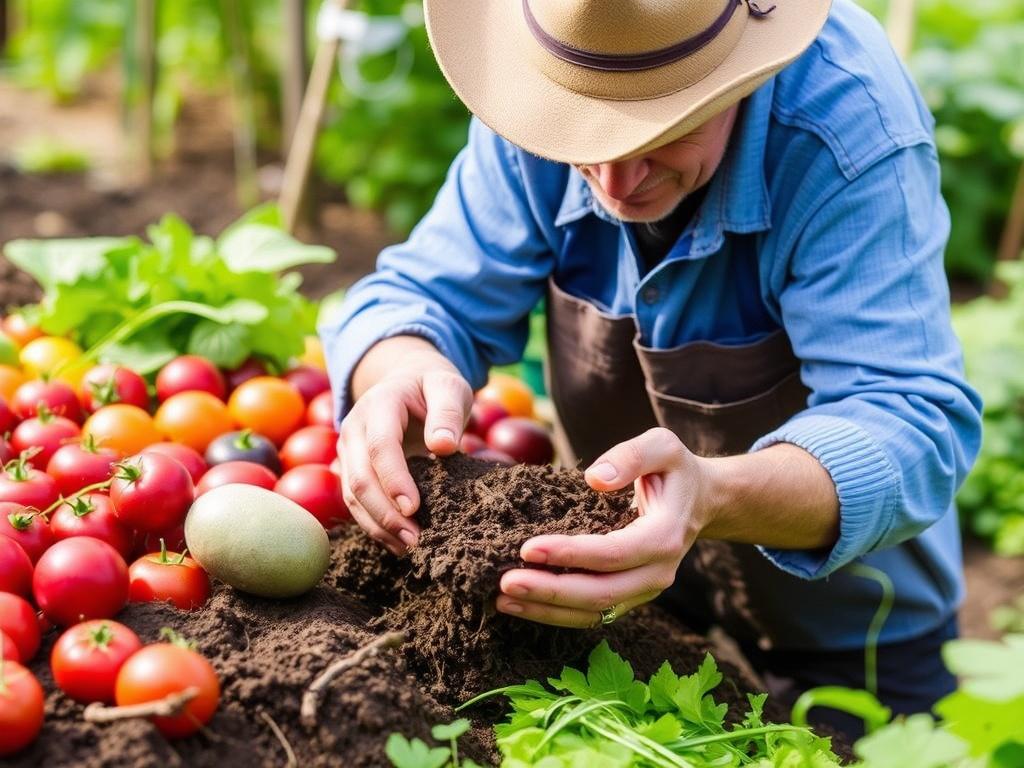
One of the clearest advantages of integrating trees into farming systems is improved soil health. Deep-rooted trees cycle nutrients from subsoil layers to the surface, add organic matter through leaf litter, and protect the ground from raindrop impact and erosion.
Over time, those processes increase soil structure, water infiltration, and microbial diversity. Farmers report more stable yields during dry spells, because soils with greater organic matter hold moisture and release it slowly to crops and pasture.
Water regulation and erosion control
Trees intercept rainfall, slow runoff, and stabilize stream banks, which reduces both on-farm erosion and downstream sedimentation. Riparian buffers — strips of trees and shrubs along waterways — act as sponges that trap pollutants and improve water quality.
For producers in regions prone to heavy rains or spring snowmelt, these functions translate directly into fewer washed-out fields, lower drainage maintenance costs, and healthier aquatic ecosystems nearby.
Biodiversity and habitat creation
Adding structural diversity with trees creates niches for insects, birds, and beneficial predators that can keep pest outbreaks in check. Pollinators find more forage, and natural enemy populations stabilize crop pest dynamics over time.
On a personal visit to a mid-Atlantic farm practicing alley cropping, I watched native bees move between wildflowers, hedgerows, and a peach orchard. The farmer had fewer pesticide applications and better fruit set than neighbors without those habitat features.
Carbon sequestration and climate resilience
Trees sequester carbon above and below ground, contributing to climate mitigation while improving on-farm resilience. Root systems and woody biomass lock carbon into the soil and plant tissue, which can be especially valuable in long-term carbon accounting.
Beyond sequestration, trees moderate temperatures, reducing heat stress on animals and crops and buffering against extreme weather. Those microclimatic effects can mean the difference between a failed season and a workable harvest in increasingly volatile climates.
Economic benefits: diversified income and reduced risk
Agroforestry and silvopasture diversify revenue streams by producing timber, fruit, nuts, fodder, honey, and grazing income on the same land. This diversity reduces reliance on a single commodity and spreads financial risk across products and seasons.
For many farmers, the gradual income from timber or tree crops provides a long-term investment while annual crops and livestock keep cash flow steady. The result is a balanced portfolio of short-, medium-, and long-term returns.
Lower input costs and higher resource efficiency
Because trees enhance nutrient cycling and reduce erosion, farmers frequently report lower fertilizer and irrigation needs over time. Windbreaks decrease heating costs for livestock facilities by reducing wind chill, and shade reduces animal stress and associated veterinary expenses.
In my consulting work I’ve seen producers reduce feed costs by using tree fodder during drought years, and others harvest marketable mushrooms or medicinal plants under tree canopies, converting underutilized space into profit centers.
Market opportunities and value-added products
Agroforestry systems open doors to niche markets such as organic fruit, shade-grown coffee, pasture-raised meat, and specialty nuts. Consumers increasingly value products linked to environmental stewardship, and producers can often capture price premiums for sustainably produced goods.
Processing or value-adding — turning chestnuts into roasted goods, or converting timber thinnings into furniture-grade lumber — can amplify returns, though these require additional skills and market linkages.
Animal health and welfare advantages in silvopasture
Livestock benefit significantly from the microclimate and forage diversity that trees provide. Shade reduces heat stress in hot climates, while windbreaks shelter animals from cold and precipitation in cooler regions.
Beyond comfort, diversified forage under trees — including shrubs, legumes, and pollarded branches — supplies high-quality nutrients that can improve weight gain and reproductive performance in grazing animals.
Behavioral and pasture management benefits
Animals in silvopasture systems often exhibit calmer behavior, which reduces trampling and pasture degradation. Well-planned tree spacing encourages even grazing distribution, preventing overuse of water points and sensitive areas.
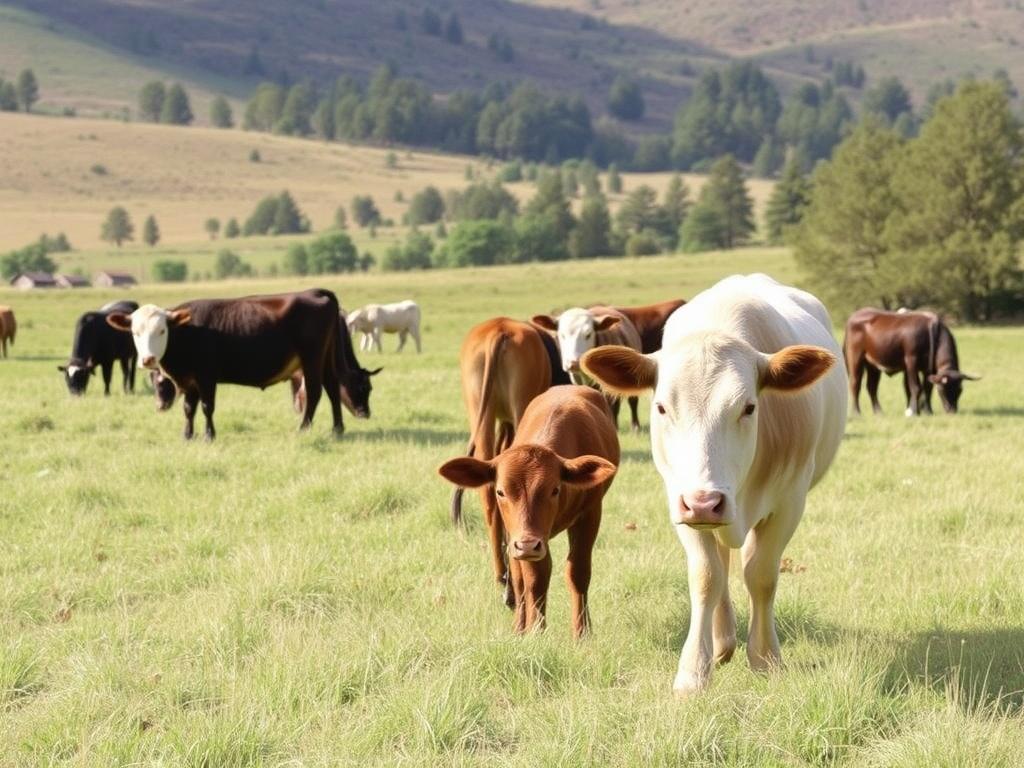
Rotational grazing combined with tree integration can increase overall carrying capacity by allowing pastures to rest and recover beneath tree shade, leading to healthier sward composition over time.
Design principles and management practices
Good agroforestry design begins with clear objectives: is the goal timber, livestock, erosion control, or a combination? Objectives determine species selection, spacing, and management intensity. A clear plan avoids retrofitting mistakes that are costly to fix.
Key design considerations include tree species growth habit, root competition with crops, livestock safety around certain species, and how machinery will operate in the system. Planning these practicalities up front prevents conflicts later.
Spatial arrangements and timing
Common patterns include alley cropping, where rows of trees alternate with wide crop alleys; scattered trees in pasture for silvopasture; and dense strips for shelterbelts. Each arrangement offers tradeoffs between shade, light for crops, and accessibility for management.
Timing of tree planting matters too. Establishing tree rows during a fallow year or incorporating fast-growing nurse species can accelerate canopy establishment without disrupting annual crop rotation systems.
Pruning, thinning, and multi-use planning
Active management is essential. Pruning promotes light penetration for understory crops and generates fodder, while thinning reduces competition and produces timber or firewood. Planned harvests can stagger income and maintain system productivity.
Multi-use planning also avoids resource conflicts: choosing non-toxic tree species, locating waterers to minimize soil compaction, and scheduling grazing to protect saplings during vulnerable stages are all practical measures to ensure longevity.
Species selection and combinations
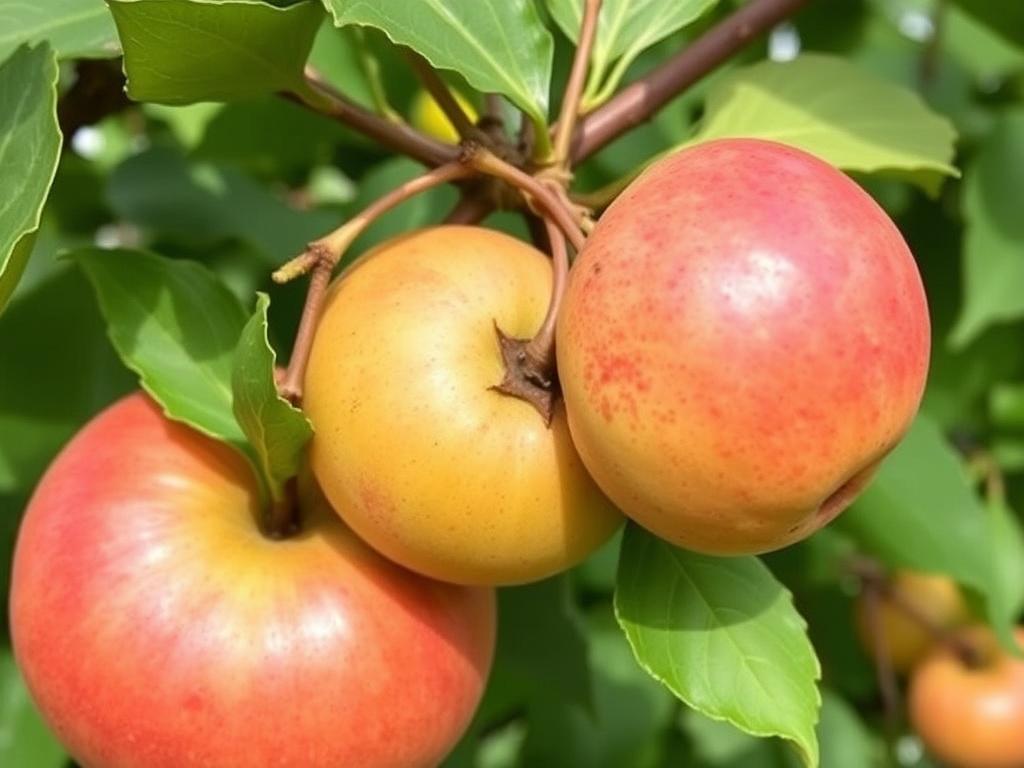
Species choice depends on climate, soils, market demand, and management goals. For fodder, species like tagasaste or certain willows and mulberries are valuable in many systems. For timber or fruit, chestnut, walnut, apple, and pecan have long histories of success in agroforestry.
Mixing nitrogen-fixing species, deep-rooted trees, and shrubs that provide forage creates functional diversity that supports soil fertility, water access, and animal nutrition simultaneously. Local trials and extension resources help refine species lists for a given region.
Native versus introduced species
Native trees often integrate well with the local ecosystem and may require less maintenance once established. Introduced species can offer fast growth or high-value products, but they carry risks like invasive behavior or unfamiliar pests.
Balancing natives for ecological benefits with selective imports for market value can be a sensible strategy. I’ve seen productive systems that use a core of native shrubs for habitat and nitrogen fixation alongside planted nut trees for income.
Case studies: real farms, real outcomes
On a 120-acre family farm in the Pacific Northwest, the owner converted marginal steep slopes into riparian buffers and silvopasture strips. Over a decade, stream clarity improved, winter feed costs dropped due to tree fodder, and apple yields in adjacent orchards were more reliable because wind damage declined.
In a subtropical region, a cooperative converted conventional pasture into silvopasture with scattered fruit trees. Lambs finished faster under the cooler canopy, and the cooperative sold fruit at local markets, diversifying income and increasing resilience against commodity price drops.
Lessons learned from practical experience
Across these examples, common lessons emerge: start small, pay attention to animal-tranquility during tree establishment, and keep detailed records. Many failures I’ve observed stemmed from poor planning or unrealistic expectations rather than flaws in the concept itself.
Successful farms treat trees as long-term partners. Patience during the early years yields compounding benefits later — both ecological and economic — that single-use systems rarely deliver.
Policy, incentives, and market tools
Government and NGO programs increasingly support agroforestry through cost-share programs, technical assistance, and conservation payments. These incentives can offset establishment costs that otherwise deter adoption, particularly for small farmers.
Carbon markets present emerging opportunities for landowners who can quantify carbon sequestration from trees and soils. Participation requires thorough monitoring and often third-party verification, but it can add a revenue stream for long-term practices.
Certification and consumer-facing labels
Certification schemes for agroecological practices, pasture-raised meat, or shade-grown products can help producers reach premium markets. Labels communicate stewardship to consumers willing to pay more for environmental benefits linked to production.
However, certification adds paperwork and costs. Farmers should weigh whether the market size and price premiums justify the administrative burden and consider alternative direct-marketing strategies if certification is impractical.
Barriers to adoption and practical solutions
Common barriers include upfront costs, lack of technical knowledge, concerns about tree–crop competition, and long payback periods for timber. Addressing these obstacles requires tailored support, demonstration farms, and flexible financial tools.
Practical solutions include phased implementation, use of short-rotation tree crops to generate early returns, and cooperative purchasing or processing arrangements that reduce individual risk. Peer networks also accelerate learning and reduce uncertainty.
Managing perceived risks
Many producers fear that trees will outcompete crops for light and water. In reality, careful species selection, adequate spacing, and timely pruning mitigate these risks. Alley widths and tree rows can be designed to match local light and moisture regimes.
Educational programs and on-farm trials are the fastest way to change perceptions. When farmers see neighbors succeed with modest investments and realistic expectations, adoption rates often rise quickly.
Practical steps to start an agroforestry or silvopasture project
Begin with observation: map soil types, water flow, existing vegetation, and microclimates on your land. This simple exercise reveals natural patterns that good design should respect rather than fight.
Next, set clear goals — short-term and long-term — and identify which combination of tree products, livestock, and crops fits your labor capacity and market access. Clear goals prevent costly mixed signals in design choices.
Step-by-step starter checklist
1. Conduct a site assessment to identify slopes, soils, and drainage patterns.
3. Choose tree and understory species adapted to your climate and goals.
4. Start small: convert a paddock or field strip as a demonstration plot.
5. Monitor outcomes, tweak management practices, and scale gradually.
Monitoring, measurement, and adaptive management
Good monitoring turns anecdote into evidence. Track indicators like soil organic matter, forage yield, animal weight gain, and water quality to measure progress and justify further investment.
Adaptive management — adjusting practices in response to monitoring — is central to success. Trees and animals interact in complex ways; regular observation and willingness to change grazing rotations, pruning schedules, or species mixes keep systems productive.
Simple metrics that matter
On many farms, a few straightforward measures tell the story: number of grazing days per acre, feed purchased per head, soil cup test results, and notes on species survival rates after planting. These metrics are inexpensive and highly informative.
Digital tools and apps now help smallholders log data and visualize trends over time, making it easier to present outcomes to lenders or certification programs when needed.
Scaling up and landscape-level benefits
When agroforestry reaches scale across a watershed or region, cumulative benefits multiply. Contiguous corridors of trees improve wildlife movement, stabilize regional water cycles, and reduce flood peaks downstream.
Landscape-level planning also creates economic synergies: coordinated harvest schedules, shared processing facilities, and regional branding for ecosystem-friendly products enhance market access and reduce costs for individual producers.
Community and cooperative approaches
Farmers working together can achieve things a single farm cannot: shared machinery for tree planting, group certification, or collective marketing can lower barriers and spread expertise. Community woodlots and cooperative orchards are examples where shared ownership increases feasibility.
Local governments and NGOs can catalyze collaboration by funding demonstration projects and facilitating knowledge exchange between early adopters and those exploring the practice.
Future directions and research needs
Research is expanding on the best species combinations, tradeoffs between growth and forage production, and optimized management for diverse climates. Long-term trials will refine carbon accounting methods and improve predictions of ecosystem services.
Technological advances such as remote sensing, soil sensors, and decision-support tools will make planning and monitoring more precise, allowing farmers to target interventions where they yield the most benefit.
Opportunities for innovation
Integrating agroforestry with precision agriculture, automated grazing systems, or mobile apps for farmers opens new ways to increase efficiency. Innovations in nursery production and tree planting machinery also reduce establishment costs and labor barriers.
Seed funding for startups and public research partnerships could accelerate commercialization of value-added products from agroforestry systems, strengthening the business case for adoption.
Personal reflections from working with farmers
In my years collaborating with producers, the most successful adopters were those open to experimentation and patient with slow payoffs. One dairy farmer started with a single alley of hybrid poplars for winter shelter and ended up rethinking his entire herd management to exploit shade-grown pastures.
Another example is a young farmer who built a direct-marketing brand around orchard-raised lamb. She leveraged farm tours and community-supported agriculture boxes to educate consumers and boost margins, turning a small silvopasture plot into a profitable niche business.
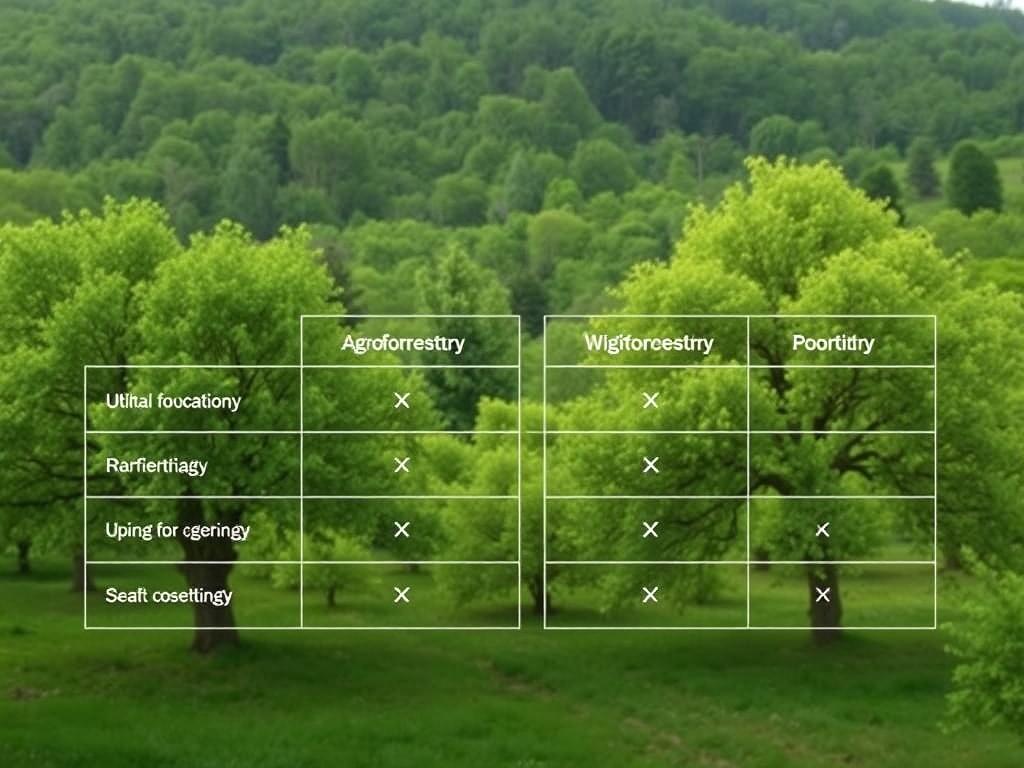
Practical table: comparing common agroforestry practices
Practice
Description
Primary benefits
Alley cropping
Rows of trees alternated with wide crop alleys
Timber/fruit yield, erosion control, diversified income
Silvopasture
Scattered or rowed trees integrated with grazing animals
Shade for livestock, improved forage, timber/fodder
Windbreaks/shelterbelts
Linear plantings designed to reduce wind
Microclimate stabilization, crop protection, energy savings
Riparian buffers
Vegetated strips along waterways
Water filtration, habitat, flood mitigation
Homegardens
Intensive, multi-layered plantings near homesteads
How to talk about benefits with neighbors and stakeholders
When discussing these systems with neighbors, emphasize tangible, local benefits: reduced mud in lanes, fewer feed deliveries, or better wildlife sightings rather than abstract ecosystem services. Practical examples resonate more than technical jargon.
For policymakers and funders, bring evidence: numbers on reduced runoff, diversification of income, or successful pilot projects. Combining personal stories with quantified outcomes creates a persuasive narrative for public support.
Engaging youth and future farmers
Agroforestry appeals to many young producers because it offers creativity, multiple income streams, and an opportunity to work with living systems. Educational programs and apprenticeships on demonstration farms can nurture the next generation of practitioners.
Hands-on experiences — planting a row, measuring soil improvements, or selling a first batch of orchard fruit — are the most effective recruitment tools I’ve seen in agricultural education efforts.
Common myths and realities
One myth is that trees always reduce crop yields. The reality is conditional: poorly planned trees can compete, but well-designed systems often sustain or increase overall productivity per hectare. Light management, spacing, and species choice are decisive.
Another misconception is that agroforestry is only for large or wealthy farms. In truth, small-scale and even urban growers can practice scaled-down versions like homegardens, container silvopasture, or hedgerows to capture many benefits.
Practical financing and cost-share options
Many countries offer conservation programs and grants aimed at establishing trees on farms, which can cover a significant portion of planting costs. Local extension offices are good starting points to learn about available incentives and application procedures.
Microloans or cooperative financing can help cover nursery stock and equipment for smallholders, while private investors interested in carbon or sustainable products may support larger projects with clear plans and monitoring protocols.
Wrapping up: a pragmatic vision for regenerative landscapes
Integrating trees with crops and livestock is not a panacea, but it is one of the most practical ways to make farms more resilient, profitable, and ecologically healthy. The shifts required are incremental: replace a fence line with a hedgerow, plant a trial alley, or let a portion of pasture host scattered trees to begin learning.
If we design with attention to local conditions, market realities, and long-term stewardship, agroforestry and silvopasture offer a route toward landscapes that store carbon, feed people, and sustain livelihoods. The work asks for patience and care, but the rewards return year after year — in soil that breathes easier, animals that fare better, and communities more secure in the face of change.