Gardening is a constant conversation with living things: you listen, you respond, and sometimes you improvise when a plant starts to cough or wilt. This article explores Natural and Homemade Remedies for Common Plant Diseases with practical recipes, safety notes, and real-world tips so you can intervene without reaching straight for strong chemicals.
Содержание
Why home remedies can work—and when they won’t
Plants get sick for a few predictable reasons: pathogens, poor cultural conditions, and insect vectors that spread disease. Homemade treatments can reduce pathogen pressure, support plant defenses, and correct mild environmental problems when used carefully and early.
Not all infections respond to gentle measures; advanced systemic diseases or deep root rot often need professional products or plant removal to stop spread. Use home remedies as part of early intervention, prevention, and maintenance rather than as a guaranteed cure for every case.
Home remedies shine in small-scale and organic gardens because they are inexpensive, low-toxicity, and kinder to beneficial insects when applied correctly. Still, effectiveness depends on accurate diagnosis, proper timing, and consistent follow-up.
Diagnosing problems: spot what you’re really dealing with
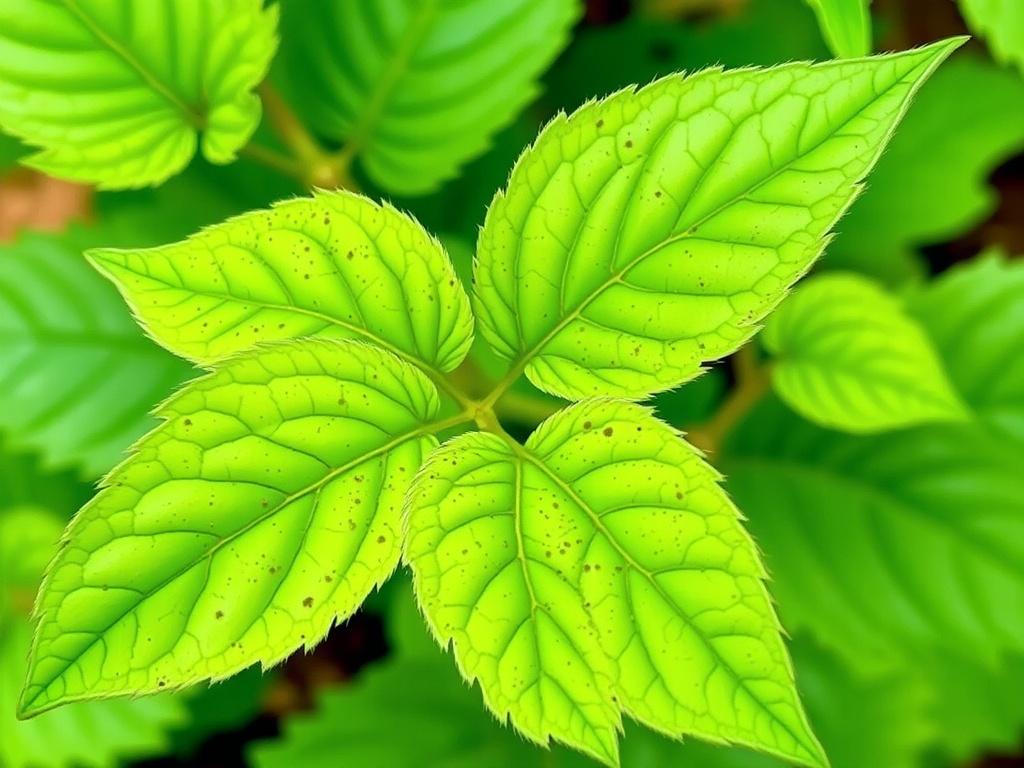
Before treating, take a careful look and make notes: where are the symptoms located, how fast are they spreading, and what are the weather and soil conditions? Powdery white dust on leaves, angular water-soaked spots, black lesions, yellowing between veins—each pattern points to a different cause.
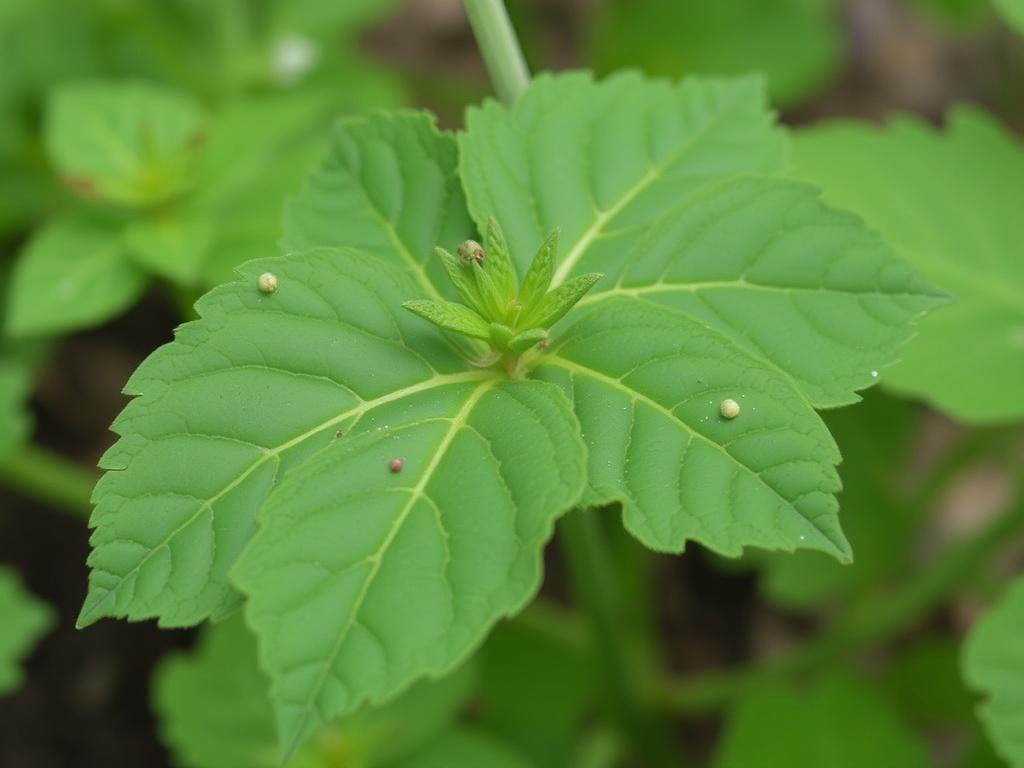
Check for insect activity, too; aphids, thrips, and whiteflies often carry viruses or create wounds that let bacteria and fungi in. Roots deserve attention: gently lift a plant from its pot or garden bed to inspect for discoloration, sloughing root tissue, or foul odor.
Keeping a simple garden journal or taking photos helps track progression and evaluate whether a remedy is working. If you’re uncertain after a careful check, consider sending a sample to a local extension service for diagnosis before widespread treatment.
Core principles for using homemade treatments safely
Concentration matters: more is not always better. Many natural ingredients—baking soda, oils, alcohol—can burn foliage or disrupt beneficial microbes if overused, so follow tested recipes and perform small-scale tests first.
Timing and conditions affect results; most sprays work best on dry leaves in calm weather and should not be applied in full sun to avoid burning. Repeated applications are often necessary because homemade sprays lack long-lasting residual activity.
Rotate strategies and combine cultural fixes—like improving airflow and reducing overhead watering—to make remedies more effective and lower the chance of resistance. Safety for people, pets, and pollinators should guide product choice and application timing.
Fungus-focused remedies: recipes that fight powdery mildew, rust, and blight
Fungal diseases like powdery mildew and rust are among the most common and visible problems in home gardens, and they respond well to early, consistent treatment. Here are reliable homemade fungicides and how to use them without damaging plants.
Baking soda spray works by altering leaf surface pH and creating conditions unfavorable for fungal growth. Mix 1 tablespoon baking soda, 1 teaspoon mild liquid soap, and 1 gallon of water; apply every 7–10 days as a preventive or at the first sign of powdery mildew, avoiding contact during the heat of the day.
Milk sprays are both surprising and effective: a 10% milk solution (one part milk to nine parts water) sprayed weekly can reduce powdery mildew severity, possibly by producing natural antimicrobial peptides and promoting beneficial microbes on leaf surfaces. Use fresh milk and apply to both leaf surfaces.
For tougher fungal infections, neem oil provides both contact fungicidal action and systemic-like protection by disrupting fungal growth and reducing insect vectors. Use cold-pressed neem oil at 1–2 tablespoons per gallon with a drop of dish soap as an emulsifier, and apply in the evening to avoid burning in sunlight.
Bacterial diseases: gentle but strategic approaches
Bacterial leaf spots and soft rots spread quickly under warm, wet conditions and can be stubborn because bacteria live inside tissues and on plant surfaces. Hygiene and environmental control are often more important than sprays for managing bacterial issues.
Hydrogen peroxide can be used as a mild bactericide and to oxygenate root zones; dilute 3% hydrogen peroxide at about 1 part H2O2 to 3 parts water for foliar dips and 1 part H2O2 to 32 parts water for soil drench. Test on a few leaves first and avoid frequent use that strips protective surface microbes.
Copper sprays have a long history in bacterial control but can build up in soil and harm beneficial organisms; use homemade copper solutions sparingly and according to local guidelines. Simple sanitation—removing infected tissue, disinfecting shears with alcohol, and avoiding overhead irrigation—reduces bacterial spread more reliably than single treatments.
Garlic, onion, and chili: multipurpose botanical sprays
Garlic and chili contain compounds that repel insects and inhibit microbes, making them useful as broad-spectrum homemade remedies. A typical recipe blends a few cloves of garlic and one small hot pepper (or a tablespoon of chili powder) with water and a drop of soap, steeped then strained for use as a spray.
Garlic spray works better as a repellent and growth deterrent than as a curative for established infections, so apply it before pest outbreaks or at the first sign of trouble. Because these extracts can be strong, dilute them appropriately and test on sensitive plants to avoid leaf burn.
Onion juice, mixed with water and soap, has similar properties and can be rotated with other sprays to reduce adaptation in pests and microbes. Remember that botanical sprays can smell strong and may need to be applied in the evening to avoid bothering neighbors and pollinators.
Insect vectors and their control: stop the carriers
Many plant diseases travel on the backs of insects. Controlling pests like aphids, whiteflies, and thrips reduces disease incidence dramatically. Homemade insecticidal soaps, neem oil, and sticky traps form a low-toxicity frontline defense.
To make an insecticidal soap, mix 1 to 2 tablespoons of pure liquid soap (not detergent) with 1 quart of water. Spray thoroughly on the undersides of leaves where insects hide, repeating every 5–7 days until populations drop.
Diatomaceous earth works as a mechanical control against soft-bodied insects when applied dry to stems and soil surface, but it loses effectiveness when wet and can harm beneficial predatory insects, so target its use carefully. Pair physical and botanical controls with regular inspection for the best results.
Soil health: the foundation for disease-resistant plants
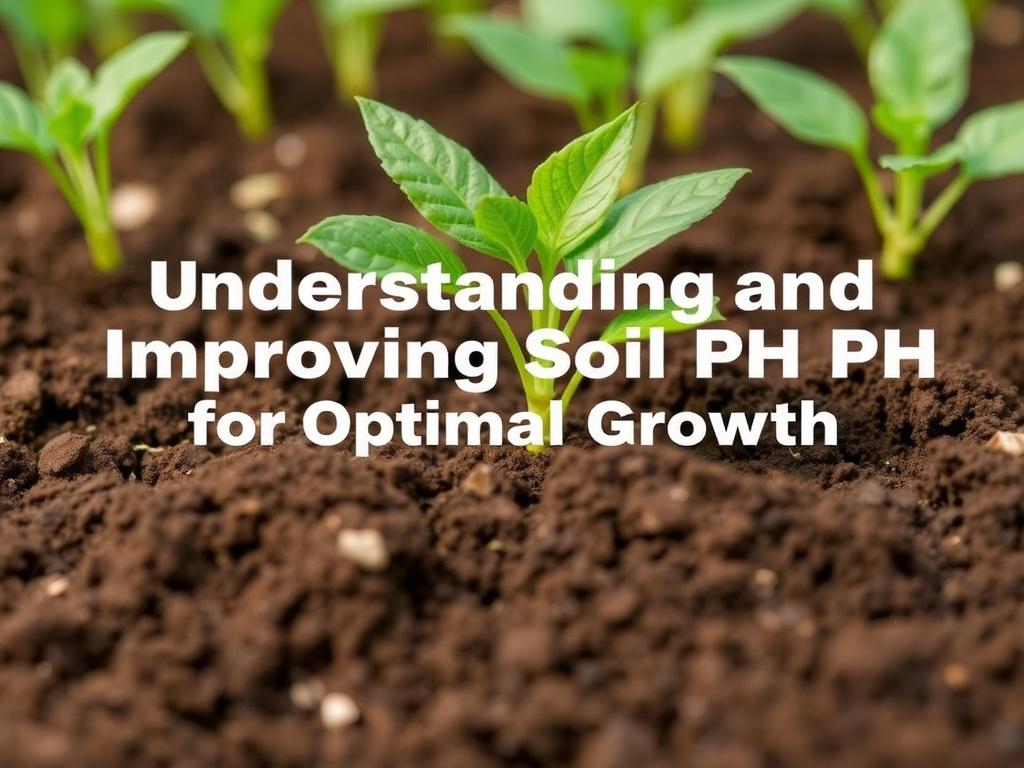
Healthy soil breeds strong plants that resist disease more effectively than weak, stressed specimens. Building organic matter, ensuring good drainage, and maintaining balanced fertility create an environment hostile to many pathogens.
Compost and well-aged manure introduce beneficial microbes that compete with pathogens and improve structure. A weekly or biweekly application of compost tea, made by steeping high-quality compost in water for 24–48 hours, can supply helpful microorganisms and nutrients when applied to soil or as a foliar spray.
Avoid overwatering and poor drainage, which favor root rots and fungal pathogens. If you’ve seen recurrent root diseases, consider raised beds, improved drainage, or switching to containers with fast-draining mixes to reduce the chance of recurrence.
Root treatments and seedling protection
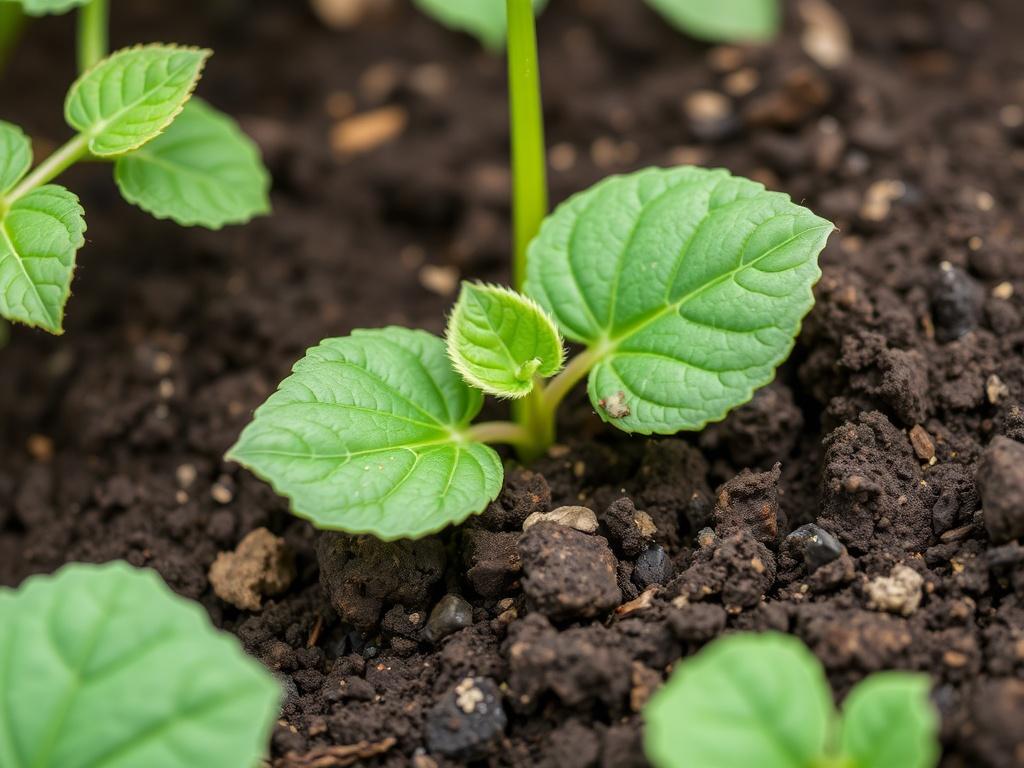
Damping-off and seedling root rot plague new starts and require both preventive and curative action. Sterilize seed trays and tools, use clean potting mix, and avoid overcrowding to improve air movement and reduce humidity around seedlings.
Cinnamon powder is a gentle and popular remedy that has antifungal properties safe for seedlings; dusting newly sown seeds or lightly sprinkling cinnamon on potting surface can reduce fungal growth. For established seedlings showing early root issues, a very dilute hydrogen peroxide dip can oxygenate roots and reduce anaerobic pathogens.
Beneficial microbes such as Trichoderma and mycorrhizal inoculants can be mixed into potting media to provide long-term biological protection. These commercially available products are not homemade, but they integrate well with homemade cultural methods for stronger root defense.
Specific diseases and targeted homemade strategies
Knowing which remedy works for a particular disease makes treatment faster and more effective. Below are common diseases and the most useful natural or homemade tactics to try in each case.
Powdery mildew: use weekly baking soda or milk sprays, remove heavily infected leaves, and increase air circulation. Avoid high-nitrogen fertilization that promotes soft growth more susceptible to mildew.
Downy mildew and blight: these need strict sanitation, improved drainage, and copper or neem applications in severe cases; avoid overhead watering and remove infected plant debris to break the disease cycle. Early detection and rapid removal of affected parts limit spread.
Leaf spot and black spot: apply baking soda or copper sprays, remove and destroy infected leaves, and keep foliage dry by watering at the soil level. Staking and pruning to increase airflow reduces humidity that favors these pathogens.
Rusts: prune and remove infected tissue, apply neem oil or baking soda sprays, and rotate susceptible plants to a different area next season. Monitor nearby wild hosts because many rust fungi persist on alternate hosts in the landscape.
Root rot: improve drainage, use raised beds or containers with coarse mixes, and treat early cases with soil drench of diluted hydrogen peroxide. Severely infected plants usually require removal; sanitize tools and replace contaminated soil where practical.
Application techniques that improve effectiveness
Coverage and timing are as important as the remedy itself: sprays must reach both upper and lower leaf surfaces, and drenches need to reach the root zone. Apply in the cool of morning or late evening to reduce leaf burn and loss of volatile active compounds.
Repeat applications at regular intervals because most homemade sprays lack long-lasting residual protection. For most treatments, weekly applications are reasonable, increasing frequency temporarily during favorable conditions for disease spread.
Always test a spray on a single leaf or small plant section and wait 48 hours to check for phytotoxicity before treating the whole plant. Keep records of concentrations used and plant response so you can adjust formulas intelligently over time.
Combining methods: an integrated approach
Integration is the gardener’s best strategy: combine sanitation, cultural improvements, and targeted sprays rather than relying on one tactic alone. Removing infected material, spacing plants for airflow, and selecting resistant varieties reduce the amount of intervention needed.
Rotate different homemade treatments to avoid stressing beneficial microbes with repetitive exposure to the same active ingredients. For example, alternate a milk spray with baking soda or neem oil in different weeks to vary modes of action.
Use sticky traps and early-season insect control to limit vector-borne diseases, and pair those efforts with soil health building so plants remain vigorous and more disease-tolerant. Small, consistent actions multiply into large improvements in plant health.
When to stop and seek professional help
Please remove and dispose of heavily diseased plants that are serving as reservoirs for pathogens when multiple remedies fail to halt spread. If entire rows are affected, or symptoms worsen rapidly despite proper homemade care, contact a local extension or plant clinic for lab diagnosis and treatment advice.
Systemic infections that penetrate vascular tissues or widespread root rots often require chemical intervention or plant replacement to protect neighboring plants. Extension services can identify the exact pathogen and recommend targeted, safe measures based on local rules and resistance profiles.
Professional advice is also necessary if a disease affects commercially important crops where regulations and thresholds differ from home garden practices. Don’t delay seeking help when stakes or scale increase.
Simple prevention schedule for an organic garden
Consistency beats intensity: a weekly routine of inspection and targeted action prevents minor problems from becoming crises. Start each week by walking the garden, looking under leaves, and noting any changes in color, texture, or growth rate.
Spray preventive solutions like a mild neem oil or baking soda mix every 7–10 days in high-risk seasons, and apply compost tea monthly to support soil life. After storms, check for standing water and increase ventilation by pruning where needed to reduce fungal risk.
Rotate crops annually and practice sanitation at the end of the season—remove debris, compost properly, and clean tools—to reduce overwintering inoculum for many diseases. These habits make the biggest difference over multiple seasons.
Practical recipes and a quick reference table
Here are concise, tested recipes you can make with common household items; measure carefully and label containers with date and dilution. Always test on a small area before wide application.
Problem
Recipe
Frequency
Powdery mildew
1 tbsp baking soda + 1 tsp soap per gallon water
Every 7–10 days
General fungal issues
10% milk solution (1:9 milk:water)
Weekly
Insects & mild fungi
1–2 tbsp neem oil + 1 tsp soap per gallon water
Every 7–14 days
Bacterial control
Dilute 3% H2O2 1:3 for foliar dip; 1:32 for soil drench
As needed; infrequent
Seedling protection
Light dusting of cinnamon or seed soak in chamomile tea
At sowing
Real-life examples: what worked in my garden
Last summer my tomato plants developed early powdery mildew after a stretch of humid weather following heavy fertilization. I removed heavily affected leaves, switched to morning soil watering only, and began weekly milk sprays; within three weeks new growth remained clean and productive.
In another season roses near a compost pile developed black spot; pruning to improve airflow combined with alternate applications of neem oil and baking soda reduced new lesions dramatically. These examples showed me that cultural changes combined with mild sprays often outperformed any single treatment.
On a raised bed that had recurring root rot, replacing the soil with a well-draining mix, adding mycorrhizal inoculant at planting, and avoiding overwatering prevented further outbreaks when I replanted the following season. The cost of preventive changes was far lower than repeated salvage efforts.
Common mistakes to avoid
Overconcentrating homemade sprays and applying them in full sun are frequent errors that cause leaf burn and stress plants further. Always follow safe dilution rates and apply during cooler parts of the day to protect foliage and preserve volatile compounds.
Relying solely on sprays without addressing environmental drivers—poor drainage, dense planting, improper fertilizer—leads to recurring problems. Treat symptoms and fix root causes to break disease cycles for good.
Another trap is applying remedies to the wrong problem; fungicides don’t help nutrient deficiencies or viral diseases. Accurate diagnosis before treatment saves time, money, and plant lives.
Recordkeeping and observation: the gardener’s tools
Maintain a simple log of treatments, weather conditions, and plant responses to learn what works in your garden’s microclimate. A few notes after each application help refine concentrations, timing, and methods across seasons.
Photographs taken at regular intervals are especially useful for tracking disease progression and for showing extension agents if you seek outside help. Over time these records form a practical playbook for your garden’s unique challenges.
Observation also trains you to intervene earlier, which is when homemade remedies are most effective. The sooner you catch a problem, the less heavy-handed the response needs to be.
Eco-conscious considerations and pollinator safety
Even natural products can hurt beneficial insects if misused, so avoid spraying open flowers and time applications for early morning or late evening when pollinators are less active. Choose less persistent remedies when pollinator presence is high and favor targeted applications over blanket sprays.
Compost tea and microbial amendments support diverse soil life that benefits pollinators indirectly by producing healthier plants and more flowers. Avoid copper and other persistent metals when you frequently treat flowering areas to reduce long-term buildup.
Finally, store homemade concoctions safely and label them clearly to prevent accidental misuse by children or pets. Many natural ingredients are safe in the garden but concentrated forms can be hazardous if improperly handled.
Further resources and community support
Your local cooperative extension, native plant societies, and university plant clinics are excellent sources for region-specific disease identification and management recommendations. Many offer free or low-cost diagnostic services and practical guides tailored to local pests and pathogens.
Online gardening forums and local gardening clubs can provide real-world feedback on which home remedies work in your area’s unique climate. Use reputable sources to confirm community advice and cross-check recipes before applying them widely.
Books by trusted organic gardening authors and horticultural bulletins from universities provide tested recipes and safety data that complement hands-on experience. Keep learning and adapt techniques season by season.
Final thoughts for the patient gardener
Natural remedies offer powerful, affordable, and low-toxicity options for managing many common garden ailments when used thoughtfully and early. They work best as one part of a broader strategy that includes sanitation, soil care, and plant selection.
Be willing to experiment on a small scale, keep clear records, and combine measures rather than expecting a single cure-all. Over time, attentive gardening and modest homemade interventions will reduce disease pressure and make the garden more resilient.
When problems exceed what gentle remedies can handle, don’t hesitate to seek professional diagnosis and advice; the goal is healthy plants and a garden that brings pleasure season after season. Apply what fits your situation, learn from each season, and enjoy watching plants recover and thrive under your care.