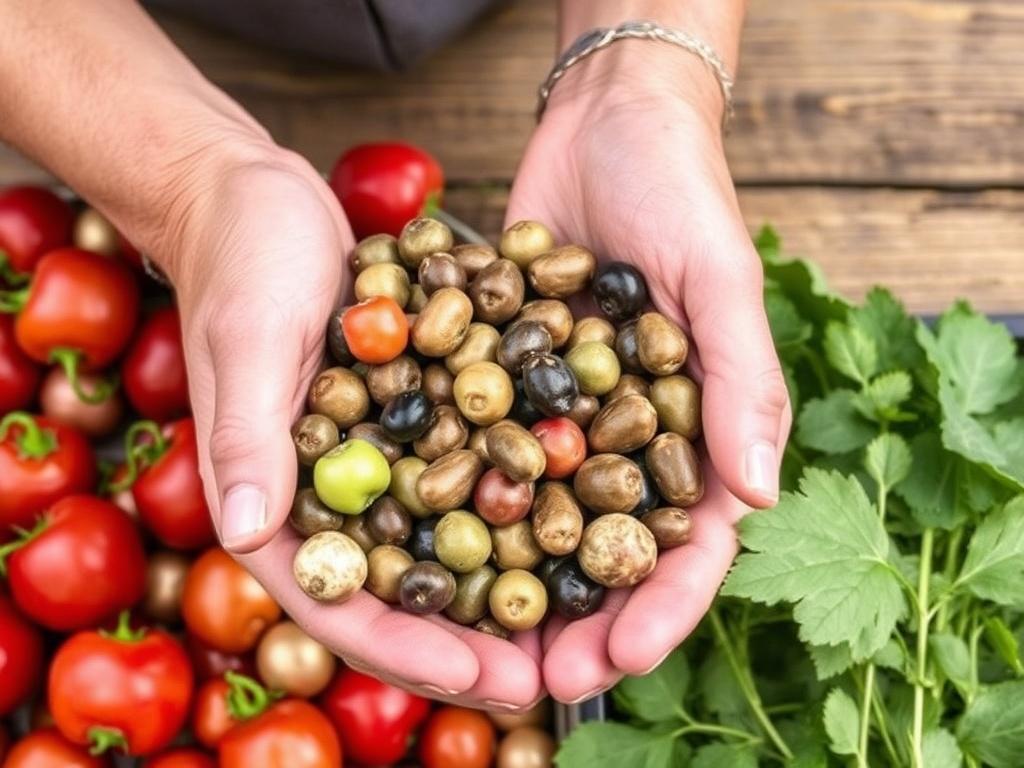
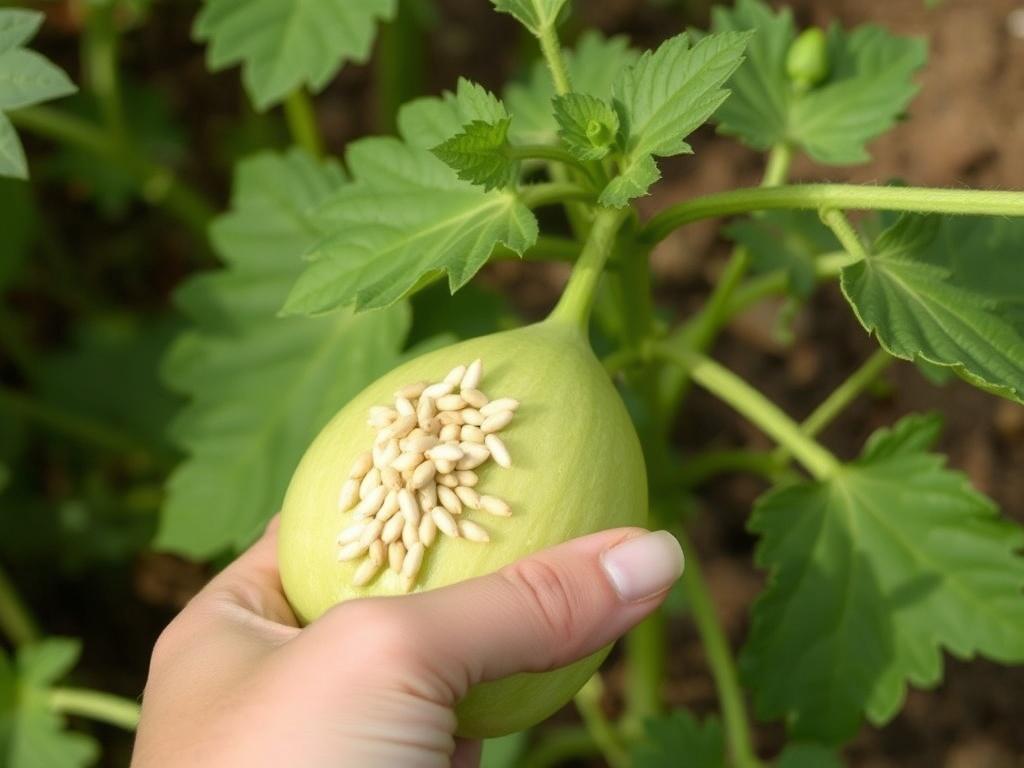
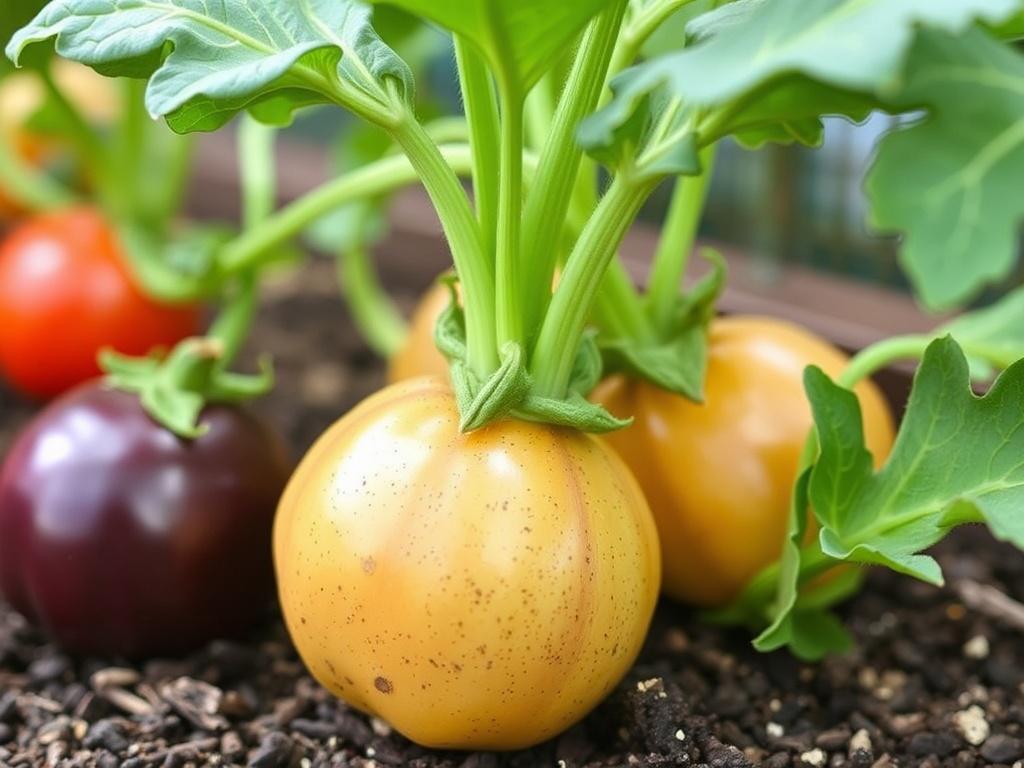
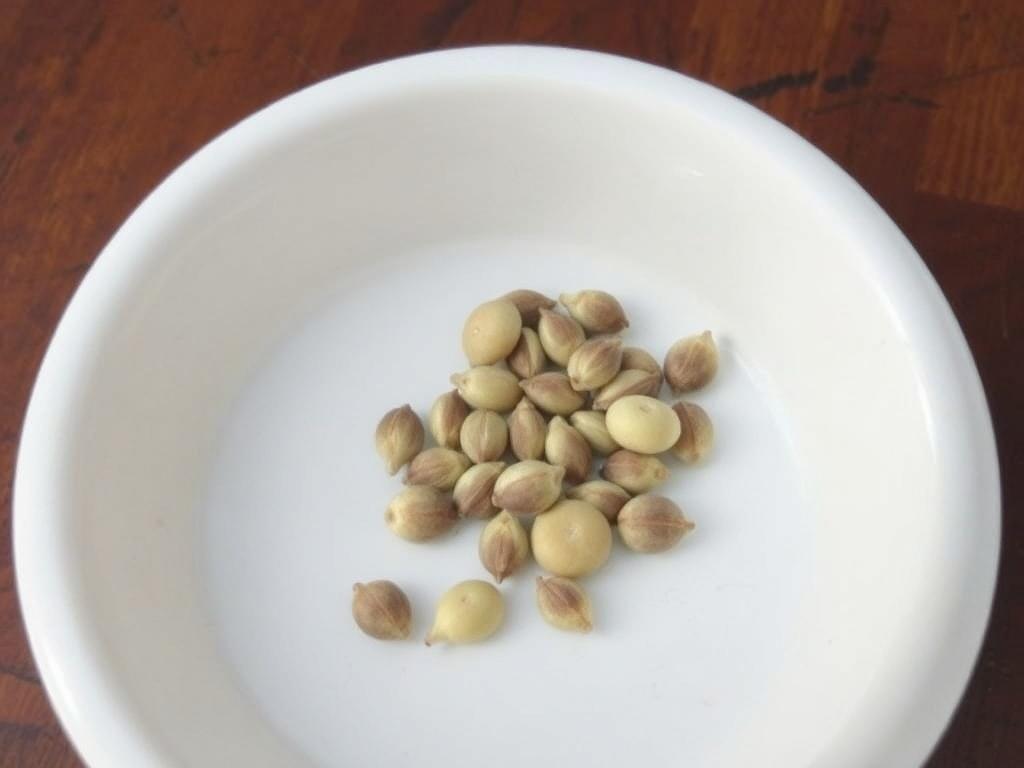
Saving your own seed is equal parts handcraft and slow science, a way to lock in flavor, resilience, and history while nudging plants toward your soil and climate. Whether you’re stewarding a family tomato variety or coaxing a new strain to thrive in your neighborhood, the basic practices—timing, isolation, cleaning, storage, and selection—stay the same. This article walks through those techniques in detail so you can return to each season with better, truer seed.
Содержание
Understanding heirlooms, open‑pollinated, and adapted varieties
Heirloom varieties are typically open‑pollinated varieties that have been saved and passed down for generations, prized for consistent traits and flavor. Open‑pollinated simply means pollination occurs naturally—by wind, insects, or self‑pollination—allowing offspring to closely resemble parents if isolation and selection are managed.
Adapted varieties are populations that have undergone local selection pressures and perform well in a particular place, even if they began as heirlooms, introductions, or mixed seed lots. The goal of saving seed for adapted varieties is not only to preserve identity but to enhance traits that match your microclimate—drought tolerance, disease resistance, or timing that fits your season.
Why save seeds: reasons that matter
Home seed saving reduces dependency on suppliers, cuts costs, and keeps culinary and cultural traditions alive. Beyond economics, seed saving is ecological: it preserves genetic diversity, supports resilient local food systems, and allows varieties to evolve in place.
On a personal level, saving seed connects you to a seasonal rhythm. I remember the first year I saved beans from a grandmother’s variety: the act of harvesting, drying, and labeling felt like reading a family letter spread across season and soil. That experience is common—seed custody carries stories as well as genes.
Planning your seed-saving season
Good seed saving begins with planning. Sketch a garden map for the season that marks where each variety will grow, which plants will be dedicated to seed production, and which beds will be rotated for disease management. Space and timing are the two most important resources; plan to allocate at least a portion of plants solely for seed.
Decide early which crops you’ll prioritize. Perennials and biennials need different planning than annuals; some crops require isolation distances or pollinator control. Making notes about why you keep a particular variety—taste, yield, adaptation—will guide your selection decisions in future years.
Choosing varieties to save
Opt first for open‑pollinated and heirloom varieties if your aim is true‑breeding seed; hybrids often revert or segregate unpredictably when saved. If you want to save seed from a hybrid for adaptation work, treat it as a new population and expect variability for a few generations as selection stabilizes desired traits.
Pick varieties that already perform reasonably in your garden. A marginal performer might be a candidate for long‑term selection, but if you need reliable food this year, prioritize saving seed from robust, healthy plants that show the traits you want to retain.
Assessing scale: how many plants do you need?
The number of plants required to maintain genetic diversity depends on the crop and your goals. For highly self‑pollinating crops like wheat or beans, 20–50 plants can maintain reasonable diversity for household use; for outcrossing crops like corn or cucurbits, several hundred plants are ideal to avoid inbreeding depression. Your scale will influence whether you do small, careful hand‑pollination or broad, community seed increases.
When in doubt, save more. Greater numbers preserve more alleles and give you more room to select. I have scaled up pea seed production from a dozen plants to a hundred after noticing that small seed lots lost vigor and uniformity after a few years.
Isolation, pollination biology, and maintaining purity
Understanding how a plant is pollinated is central to preventing unwanted crosses. Plants fall into rough categories: self‑pollinators (beans, peas, tomatoes), wind‑pollinators (corn, some grasses), and insect‑pollinators (squash, brassicas, many flowers). Each group requires different isolation strategies.
Isolation reduces gene flow between varieties and protects traits. Techniques include distance isolation, temporal isolation (staggered planting to separate flowering times), physical barriers (row covers, cages), and hand‑pollination with bagging. Choose the method that fits the crop and your scale.
Recommended isolation distances
These are general guidelines; local pollinator pressure and landscape context can change needs. If you save seed near wild relatives or other growers, increase distances or use physical methods to be safe. Hybridization risk is often underestimated in suburban and rural gardens where bees travel freely.
Crop group
Pollination
Suggested isolation distance
Beans, peas
Mostly self‑pollinating
20–30 feet
Tomatoes
Self‑pollinating
10–20 feet or bagging
Peppers
Self‑pollinating (occasional outcrossing)
20–30 feet
Cucurbits (cucumber, squash)
Insect‑pollinated
300–1,000 feet or isolation by timing/hand‑pollination
Corn
Wind
1/4 mile or temporal isolation; roguing & hand‑pollination for small plots
Brassicas
Insect
1,000+ feet or caged repeats
Harvest timing and seed maturity
Harvest timing depends on seed type. Dry seeds (beans, peas, grains) ripen and dry on the plant; wait until pods or seed heads are fully brown and crisp. Wet‑seeds or fleshy fruits (tomatoes, cucumbers, melons) need to be fully mature—often beyond culinary ripeness—because seed dormancy and viability correlate with fruit ripeness.
Symptoms to watch for are clear: pods that rattle, seeds that separate easily from flesh, and color changes in pericarps. Overharvesting too early is a common beginner mistake; underharvesting can risk loss to weather or birds. A staggered harvest and a few test pods can give confidence.
How to collect, clean, and dry seeds
Cleaning and drying are where much seed saving succeeds or fails. Proper cleaning removes chaff and diseased tissue, while correct drying prevents mold and premature aging. Handling varies by crop: dry seed crops are processed with screens and winnowing; fleshy fruits require fermentation or washing.
Creating a clean workspace and using sanitized tools reduces disease carryover. I learned this after a season when I dried tomato seeds on a counter near last year’s compost; stray fungal spores ruined a significant portion of that year’s harvest. Ever since, my seed processing takes place on a disinfected tray in a low‑humidy area.
For dry seeds, strip pods and allow them to finish drying on a tray in a warm, well‑ventilated room. Once brittle, thresh by hand or with a light rub to release seed, then winnow using a fan or gentle breeze to separate chaff. Use a series of screens or sieves to remove broken seeds and debris.
Final drying should reach stable moisture before storage—often a week or two in controlled conditions. If seeds feel soft when bitten, they’re too moist. Avoid overdrying in direct sun, which can reduce viability; aim for slow, even drying out of direct sunlight.
Tomato seeds generally benefit from fermentation, which removes gelatinous seed coatings and reduces some seed‑borne pathogens. Scoop seeds and pulp into a jar, leave uncovered on a tray for 2–4 days until a layer of mold forms, then add water, swirl, decant, and repeat until clean. Rinse seeds and dry them on nonstick surfaces, stirring occasionally to prevent clumping.
Cucumber, melon, and squash seeds are often washed to remove pulp. Scoop seeds into a fine mesh and rinse under running water, rubbing gently to free seeds from flesh. Pat seeds dry and spread in a single layer to finish; do not pile seeds together while drying or they may adhere and mold.
Tools and supplies for cleaning and drying
Flat trays and parchment or mesh drying screens for airflow.
Fine mesh sieves and screens for sorting; wide sieves for winnowing dry seeds.
Clean jars and containers with tight lids for storage.
Labels, pens, and a digital record system for provenance, year, and selection notes.
These tools are inexpensive and last for years when kept clean. I store a small seed processing kit in a tote so processing can be done quickly after harvest, reducing the chance of loss to weather or pests.
Seed storage: moisture control, temperature, and containers
Longevity depends heavily on moisture and temperature. The general rule of thumb is «cool, dry, and dark.» Lowering storage temperature by 10°C roughly doubles seed life for many species, and reducing moisture prevents metabolic activity and fungal growth. Aim for seed moisture around 4–8 percent where feasible.
Containers should be airtight where possible—glass jars, vacuum bags, or sealed Mylar with desiccant work well. Label seeds clearly with variety, year, source, and any selection notes. Rotate seed stock in normal inventory fashion: use older seed first and keep small working lots while preserving backups in cold storage.
Seed longevity reference table
Crop
Typical viability years (cool, dry)
Notes
Tomato
4–6 years
Seeds tolerate room temps if dry; refrigeration extends life.
Beans, peas
3–5 years
Keep very dry; viability drops from humidity.
Squash, cucumber, melon
4–8 years
Large seeds store well when dry and cool.
Lettuce
1–2 years
Shorter shelf life; keep very cold to extend.
Onion
1–2 years
Often biennial; seed production needs overwintering.
Testing seed viability and germination rates
Before planting saved seed broadly, test germination. A simple paper towel test gives reliable estimates: place 10–20 seeds on a moist paper towel, fold, place in a sealed bag in a warm spot, and count sprouts after the typical germination window. Percent germination informs planting rates and whether a seed lot needs renewal.
If germination is low but still viable, you can boost stands by increasing seeding density or rejuvenating seed lots with a small increase bed. For long‑term health, cull seed lots with consistently poor germination and focus selection on vigorous, true‑to‑type plants in subsequent generations.
Selection and adaptation strategies
Selection is what makes a seed lot local and resilient. Mass selection—choosing the best plants each season to parent the next—gradually shifts a population toward traits that suit your conditions. Traits to select for include yield, flavor, disease resistance, earliness, and stress tolerance. Keep records so you can track changes across generations.
Roguing—removing off‑types, diseased, or weak plants—is essential for maintaining variety identity. I keep two rows of each variety: one for seed production and one as a reserve for observation. If I see an off‑type in either row, it is removed immediately. This practice keeps the gene pool tight without needing complicated breeding programs.
Practical selection methods
For vegetables I care about eating each year, I select from the best performing plants and ensure an adequate number of parents to maintain diversity. For adaptation work, I intentionally keep a larger, more variable population and select across multiple stressors—drought, heat, or soil compaction—over several seasons. Over time, the population becomes better suited to my specific yard and planting dates.
Introduce new selection criteria slowly; rapid directional selection can reduce diversity and lead to unintended losses. Record each season’s selection rationale and outcomes, and consider keeping duplicates in separate microclimates or with trusted neighbors as backups.
Hand pollination, isolation cages, and preventing unwanted crosses
For crops where purity is vital, hand pollination and caging are efficient. Hand pollination is straightforward: collect pollen on a small brush or cotton bud and transfer it to a receptive stigma, then bag the flower to prevent bee visits. For small plots, isolation cages with a single variety inside can both control pollinators and retain local insect services if you introduce a few pollinators yourself.
Timing can also help. If you stagger planting so varieties flower at different times, you achieve temporal isolation without physical barriers. This works well for crops with flexible planting dates, but requires careful planning and attention to local climate variability.
Biennials, overwintering, and storing living seed parents
Biennial crops such as carrots, parsnips, and many brassicas flower in their second year and must be overwintered as roots or young plants. To save seed, dig and store roots in moist sand in cool, frost‑free conditions, then replant in spring to produce flowers. Alternatively, grow biennials in a protected environment to force flowering in the same season where climates permit.
Some gardeners plant biennials in containers and overwinter them in unheated garages or cold frames. This method reduces soil pests and gives more control over survival, but label plants and track records meticulously to avoid losses and mixups.
Disease prevention in seed production
Diseases can travel on seed, so sanitation matters. Remove diseased or weak plants before seed set, avoid saving seed from plants that showed systemic infections, and use clean tools and surfaces during processing. For certain crops, heat or chemical seed treatments are used commercially to reduce pathogens, but home gardeners typically rely on sanitation and selection.
Crop rotation and field hygiene reduce disease pressure in future seed crops. If you had a fungal or viral issue in a bed, avoid producing seed there for a few seasons and choose resistant varieties or different families to interrupt pathogen cycles.
Scaling up: cooperative seed increases and community seed banks
If you want larger seed quantities or to preserve a strain for the neighborhood, cooperative increases and community seed banks are effective. Work with neighbors to stagger isolation distances across properties and share responsibility for selection, processing, and storage. Agreements on naming, distribution, and stewardship can prevent disputes.
Community banks benefit from redundancy: store duplicates in multiple locations, and maintain clear provenance notes. I participated in a local seed cooperative where each household kept a portion of the seed lot; when one lot suffered mold, the backups allowed the variety to persist and continue breeding for our climate.
Record keeping: the invisible tool that makes seed saving repeatable
Records are where success compounds. Track parent plant numbers, selection criteria, pollination methods, harvest dates, processing steps, germination rates, and planting results. Even a simple spreadsheet with photos will turn guesswork into reproducible practice across seasons.
Label physical seed packets carefully and archive digital notes. I keep a paper notebook in my seed kit for immediate notes at harvest and a cloud backup for seasonal summaries. Those records have been invaluable when tracing the origin of a sudden change in fruit size or disease resistance.
Common problems and troubleshooting
Low germination: check moisture during drying and storage conditions; run a germination test and increase seeding rates or plan a fresh seed increase if needed. Mixed or off‑type plants: improve isolation, rogue earlier, and increase parent numbers to reduce drift.
Mold during drying: move seeds to a drier, more ventilated space and reduce pile thickness. Seedborne disease: cull affected plants, improve sanitation, and consider replacing the lineage if problems persist. Unexpected crosses: introduce stricter isolation tactics or hand pollination next season.
Ethics, exchange, and legal considerations
Seed stewardship carries both ethical duties and practical considerations. When sharing seed, include information about origin, years of selection, and recommended growing conditions. Recognize and credit community and indigenous sources where appropriate, and follow local rules on plant variety protection and plant patents when sharing commercially derived varieties.
Most heritage and open‑pollinated seeds are freely exchanged, but hybrids and patented varieties have restrictions. If you plan to commercialize a community variety, discuss ownership and benefit sharing early with contributors to avoid misunderstandings.
Continuing to learn: resources and communities
Seed saving is a craft sharpened by practice and community. Look for local seed saver groups, extension courses, and seed schools for hands‑on learning. Many organizations publish detailed crop‑specific guides that are invaluable for regionally relevant details like isolation distances and disease profiles.
Local botanical gardens and university extension services often run workshops; I recommend attending at least one hands‑on seed cleaning session to see practical methods in action. Practical experience combined with reading accelerates confidence far more than theory alone.
Putting it into practice: a seasonal checklist
Choose varieties and mark dedicated seed rows before planting.
Plan isolation distances and hand‑pollination schedules where necessary.
Monitor for off‑types and disease; rogue promptly.
Harvest only fully mature seed; process promptly and clean thoroughly.
Dry to stable moisture, test germination, and store cool and dry with clear labels.
Use this checklist as a template and adapt it to your scale and crops. Over time, small refinements in timing and technique will yield disproportionately better seed.
Saving seed is both an ancient skill and a practical modern tool. With consistent practice, clear records, and attention to the biology of each crop, you can steward heirloom and locally adapted varieties that taste better, endure local conditions, and carry meaning beyond a single season. Start small, protect your seed, and let each growing season teach you what matters in your garden and your place.