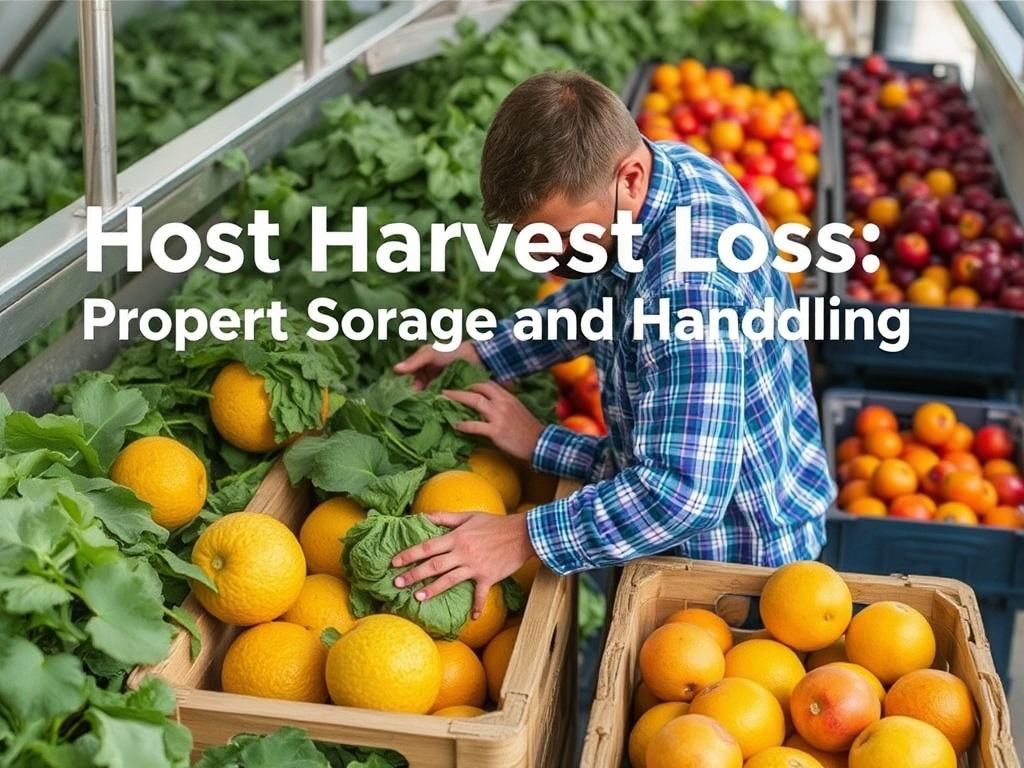
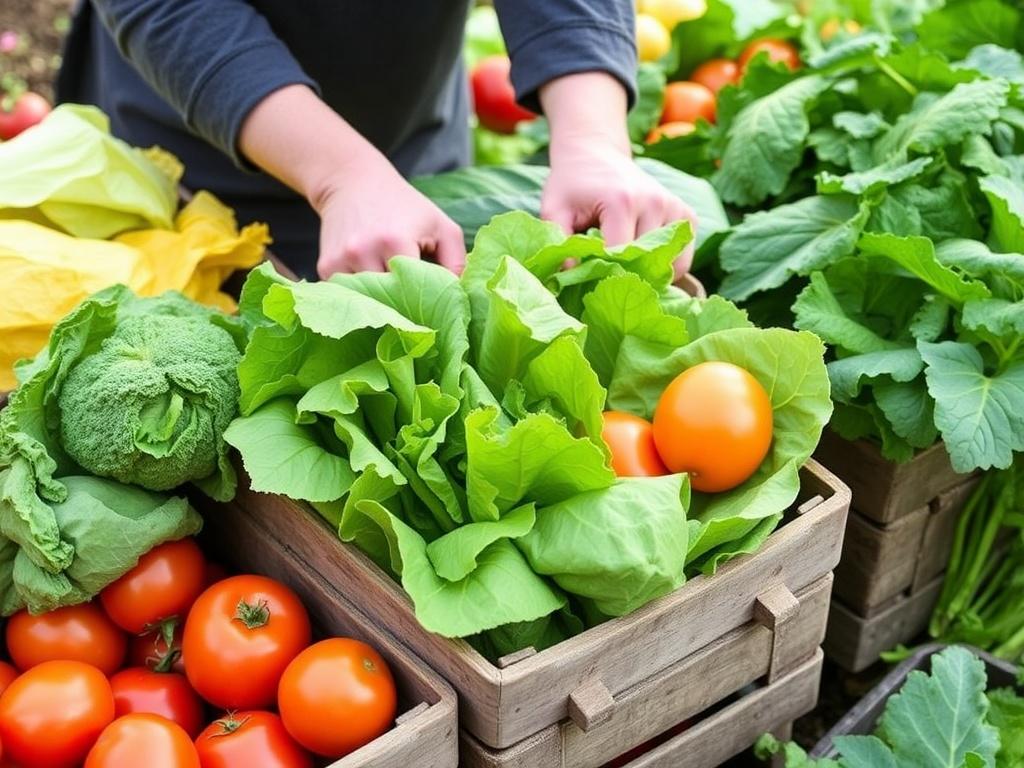
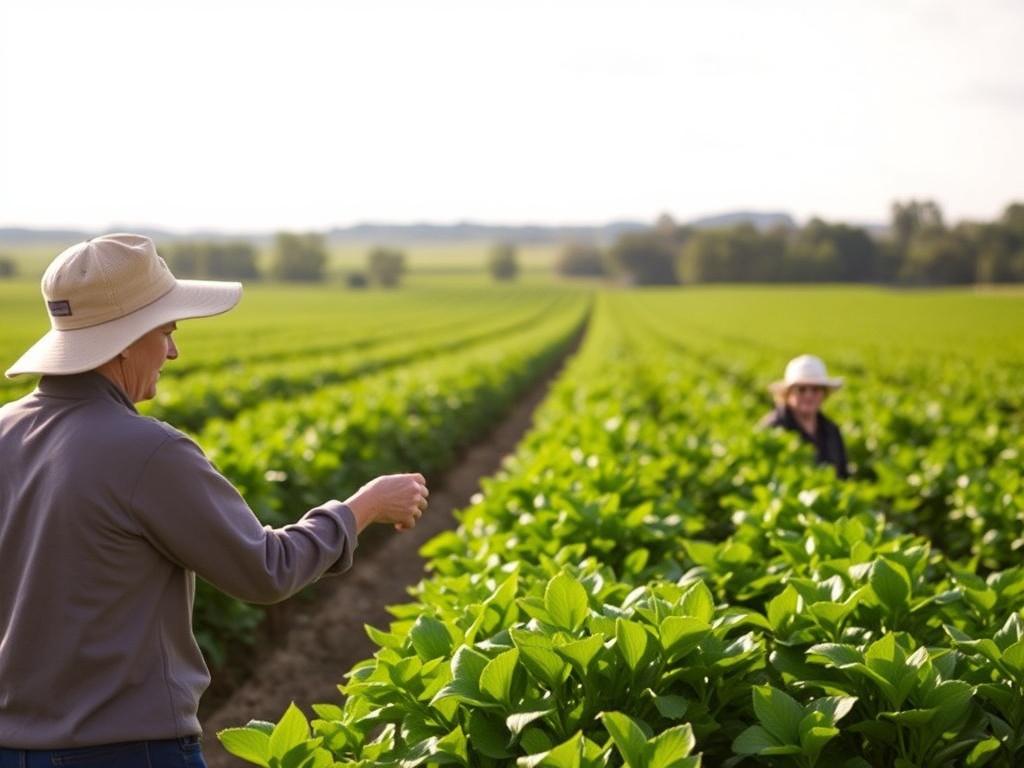
Every bushel that never reaches a plate represents lost income, wasted resources, and a missed opportunity to nourish people. Reducing Post-Harvest Loss: Proper Storage and Handling is not just a technical problem; it is a practical one that farmers, packers, transporters, and buyers can address with relatively straightforward changes. This article walks through the why and how of protecting crops after harvest so food stays fresh longer, values are preserved, and waste falls.
Содержание
Why post-harvest loss matters
Globally, a significant share of fruits, vegetables, grains, and roots is lost between harvest and consumption. Those losses are measured in lost calories, lost revenue, and added greenhouse gas emissions when products decompose. The scale of the problem varies by region and commodity, but where infrastructure, knowledge, or investment is thin, losses climb rapidly.
Smallholder farmers often feel the consequences most sharply: crops that fetch decent prices at harvest become worth a fraction after bruising, insect damage, or mildew. For traders and retailers, inconsistent quality raises transaction costs and erodes trust with buyers. Immunizing the supply chain against these risks yields immediate returns in income stability and market efficiency.
Beyond economics, there’s a sustainability angle. Every kilogram of produce that spoils represents upstream water, fertilizer, labor, and fuel spent for no benefit. Reducing losses conserves resources and reduces pressure to expand production onto marginal land. It’s a multiplier: fewer losses mean more food available without raising production.
Fundamental principles of proper storage
Storage is not about stuffing crops into a room and hoping for the best. Effective storage begins with understanding the biological and physical needs of the commodity. Temperature, humidity, gas composition, light exposure, and sanitation interact to determine lifespan and quality. Tailoring conditions to the crop is critical.
Another core principle is separation. Keep different commodities, different maturity stages, and different quality grades apart. Mixing invites cross-infestation: a single infected bag can spread pests or disease through an entire warehouse. Segregation also helps with targeted handling and marketing strategies.
Finally, think in layers. Loss reduction combines good harvest practices, post-harvest handling, packaging, transport, and warehouse management. Neglect one layer and the others carry the burden. Coordinated improvements across the chain yield the biggest reductions in spoilage.
Temperature control
Temperature is the single most powerful lever for slowing respiration and decay in most perishable foods. Lowering temperature delays ripening, reduces microbial growth, and preserves texture and flavor. The optimal temperature depends on the crop: leafy greens need near 0–2°C, while many tropical fruits tolerate higher temperatures but benefit from cooling nonetheless.
Pre-cooling immediately after harvest makes a major difference. Methods range from forced-air cooling in pallets to simple hydro-cooling and room cooling. The goal is to remove field heat as quickly as possible to slow metabolic processes. In my years advising vegetable co-ops, I’ve seen quality jump when growers invested in a modest pre-cooler — bruised leaves dropped, shelf life extended by days, and market prices improved.
For non-refrigerated storage, shading, insulated structures, and strategic ventilation reduce temperature spikes. Even passive technologies like earth-sheltered stores or reflective roofing can help. When mechanical cooling is available, maintain consistent set points and avoid frequent door openings, which undo the work of the refrigeration system.
Humidity and ventilation
Relative humidity control complements temperature management. Too low humidity causes wilting and weight loss in vegetables and fruits; too high humidity encourages mold and rot. Each commodity has a humidity range that minimizes shrinkage and decay. For example, most leafy greens prefer 90–95% RH, while dry grains require low humidity to avoid fungal growth.
Ventilation helps manage humidity while also removing ethylene gas and other volatiles that accelerate ripening. Proper airflow prevents pockets of warm, stagnant air where insects and mold thrive. Fans, vents, and carefully designed airflow paths in storage rooms reduce hotspots and maintain uniform conditions across stored batches.
Simple tools such as thermometers and hygrometers allow managers to monitor conditions and react before problems spread. Routine checks — morning and evening — are inexpensive insurance. Where power is intermittent, passive ventilation strategies and evaporative coolers can achieve meaningful humidity control without continuous electricity.
Sanitation and pest control
Cleanliness is a frontline defense. Dirt, leftover debris, and spilled grain create breeding grounds for insects, rodents, and microbes. Regular sweeping, removal of damaged produce, and cleaning of storage surfaces reduce infestation pressure. Sanitation is not glamorous, yet it’s one of the highest-return practices on a farm or in a warehouse.
Pest control should combine good housekeeping with targeted strategies: sealed storage, proper packaging, and physical barriers like screens and sealed doors. When chemical controls are necessary, use them sparingly and according to label directions to avoid residues and resistance. Integrated pest management (IPM) that emphasizes monitoring, traps, and biological controls reduces reliance on pesticides.
Record-keeping of pest observations, sanitation schedules, and treatment actions builds institutional memory. In operations I’ve observed, a simple logbook transformed pest control from reactive firefighting to proactive prevention, with measurable drops in infestation rates over a season.
Handling best practices from field to store
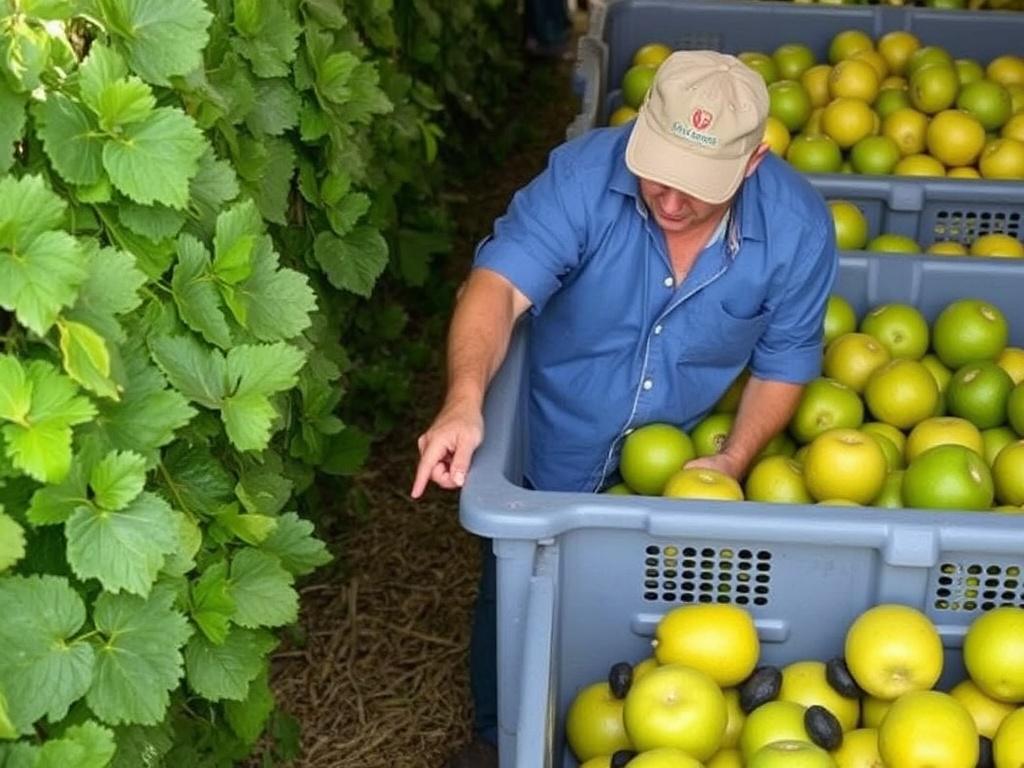
Post-harvest handling begins in the field and continues into the storage structure. Each touch point — cutting, picking, loading, transport — introduces risk of bruising, contamination, or moisture change. Training workers on gentle handling and timing can cut losses dramatically. Sometimes a small adjustment, like using padded crates or avoiding overfilling harvest containers, shifts outcomes significantly.
Field-to-store timing matters. Rapid transfer from field to pre-cooler or shaded holding areas minimizes exposure to heat and sunscald. Scheduling harvests for cooler parts of the day and planning transport to reduce delays are practical choices that reduce stress on produce. A well-coordinated plan can reduce the need for heavy-handed cooling later.
Equipment matters too. Clean harvest tools, appropriate harvest knives, and smooth conveyance systems reduce mechanical injury. Regular maintenance of bins, trucks, and pallets prevents splinters, contamination, and crushing. Investing in equipment that matches crop volumes and sensitivity pays off quickly in quality retention.
Harvesting techniques
Harvest timing influences shelf life. Harvest too early and fruit may not develop desired flavor; harvest too late and susceptibility to bruising and pathogens increases. Understanding maturity indices — color, firmness, sugar content — for each crop helps determine the right harvest window. Proper training of harvest crews on these indices produces more uniform, marketable lots.
Gentle cutting and handling prevent tears and bruises that invite rot. Use clean, sharp tools to make quick, clean cuts; dirty tools transmit pathogens. For root crops and tubers, minimizing impact with the ground during harvest reduces skin breaks that later allow fungi and bacteria to enter.
After harvest, shade and avoid stacking produce too tightly in the field. Leaving openings between layers improves airflow and reduces heat build-up. In my own work with small-scale farmers, simple practices like limiting pile height and using ventilated crates made a visible difference in post-harvest quality.
Sorting and grading
Sorting separates damaged, diseased, or overripe items from healthy ones. Grading by size and quality creates homogenous lots that store and sell consistently. While sorting may reduce immediate volume for sale, it raises average quality and price, and lowers spoilage among the preserved bulk.
Use clear specifications for grades tied to buyer expectations. Mechanical sorters can improve speed and consistency for larger operations, but manual sorting remains effective for many producers when done carefully. Training hands-on sorters to recognize early signs of disease or chill injury helps preserve entire batches.
Keep sorted categories separate through storage and transport to avoid cross-contamination. Labeling crates and pallets with grade, harvest date, and origin simplifies traceability and decisions downstream. Traceability is increasingly important for food safety, buyer confidence, and quick problem diagnosis when issues arise.
Cleaning and pre-cooling
Cleaning removes field soil, debris, and microbial loads that can accelerate decay. For some produce, gentle washing with clean water followed by drying reduces surface microbes. However, washing must be managed to avoid waterborne spread of pathogens — use clean water and change it regularly or employ recirculation with filtration in larger setups.
Pre-cooling is a triage step. Removing field heat quickly reduces respiration and water loss. Forced-air cooling is efficient when pallets can be arranged to allow airflow; hydro-cooling benefits crops like leafy greens and broccoli; room cooling suits many fruits and vegetables. Select a method appropriate to both crop and scale.
Where electricity is scarce, coolchains can be extended with evaporative coolers or insulated transport. Even simple measures — moving produce to shaded, breezy areas and cooling at night — reduce heat stress. These low-tech options often provide substantial shelf-life gains when implemented consistently.
Storage technologies for different scales
Storage solutions should fit the scale and context. Smallholders benefit from affordable, low-tech options that are simple to maintain; commercial cold chains require capital but support large volumes and high-value crops. Understanding the tradeoffs helps target investments effectively.
Choose materials and designs that match local climate, crop types, and market timelines. In humid tropical areas, ventilation and raised floors help; in arid regions, humidity control and pest exclusion are priorities. Local adaptation enhances performance and reduces operational surprises.
Maintenance and skills are as important as the hardware. A well-built storage room left unventilated or mismanaged will fail. Training local operators to monitor and maintain equipment prevents downtime and preserves stored goods.
On-farm low-cost solutions
For many farmers, low-cost interventions offer the best return. Improved granaries with wire mesh floors, raised platforms, and sealed doors keep rodents and damp out. Simple solar dryers reduce moisture in tubers and cereals, making them less prone to fungal attack. These solutions are low-tech but effective when implemented with attention to detail.
Evaporative coolers, sometimes called pot-in-pot systems, use wet sand and airflow to create cooler, humidified storage spaces for fruits and vegetables. They are inexpensive, use little energy, and can extend shelf life by several days to weeks depending on the crop and climate. Community-level installations can serve multiple farms and spread costs.
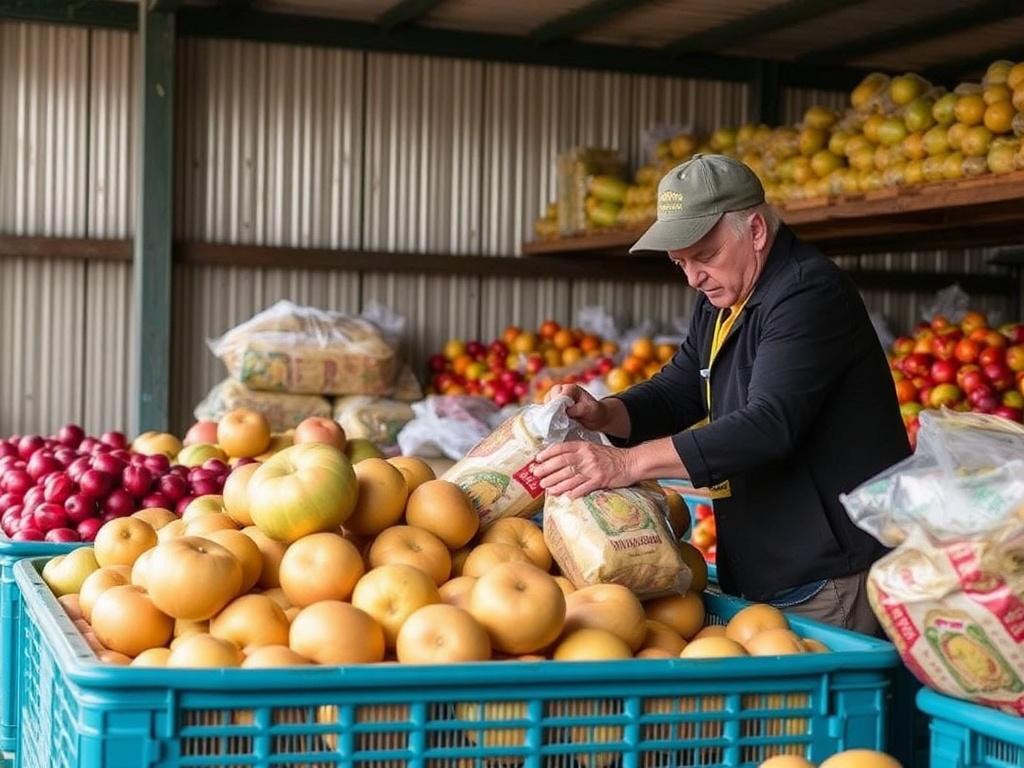
Another low-cost option is hermetic storage for grains: airtight bags or sealed containers that starve insects of oxygen and maintain quality without chemicals. Adoption of hermetic bags has reduced losses for many smallholders managing maize, sorghum, and legumes.
Commercial cold storage and controlled atmosphere
Commercial cold storage provides consistent temperatures and humidity control at scale. These facilities serve exporters, processors, and large retailers. Controlled atmosphere (CA) storage adds another tool by managing oxygen and carbon dioxide levels to slow respiration and extend shelf life for specific fruits such as apples and pears.
Design and operation are technical: insulation, refrigeration sizing, backup power, and airflow design all matter. For operators, energy efficiency and preventive maintenance are critical cost drivers. Smart scheduling to load and unload with minimal temperature disturbance preserves product quality and reduces energy waste.
Access to commercial cold storage can change market dynamics, enabling producers to time sales for better prices and enter higher-value markets. In my experience working with a regional cooperative, access to a shared cold room allowed growers to coordinate shipments and reduce post-harvest distress selling at low prices.
Innovative technologies
Newer solutions combine sensors, mobile connectivity, and data analytics to give real-time visibility into storage conditions. Wireless temperature and humidity loggers, coupled with alerts, enable rapid response to door openings or equipment failures. These technologies are becoming affordable for mid-sized operations and co-ops.
Modified atmosphere packaging (MAP) and edible coatings extend shelf life by tailoring gas exchange at the package level. These techniques are especially useful for high-value perishables destined for distant markets. They work best alongside robust cold chains and careful handling.
Solar-powered refrigeration is expanding possibilities in off-grid areas, offering reliable cooling where grid power is absent or unreliable. Coupled with battery storage and efficient insulation, these systems bring cold-chain benefits to communities previously excluded from temperature-controlled storage.
Packaging and transport considerations
Good packaging protects against mechanical damage, controls microclimates around the product, and communicates information to buyers. The right choice balances protection with cost and environmental considerations. Ventilated crates, breathable bags, or stackable bins each have contexts where they outperform alternatives.
Transport is a moving storage environment. Temperature and humidity management must continue in transit, and packaging must secure loads to prevent crushing and bruising. Training drivers and handlers on the importance of loading patterns, speed, and gentle handling reduces in-transit loss.
Route planning and consolidation reduce transit times and exposure to heat. Where possible, combine smaller loads to fill refrigerated trucks — partial loads waste energy and can lead to poorly managed temperature zones. For perishable goods, timely delivery is as important as storage quality at origin.
Monitoring, record-keeping, and quality control
What you measure, you can improve. Track temperature, humidity, pest sightings, and product condition regularly. Simple logs and charts reveal trends and trigger corrective actions before losses get out of hand. Over time, this data informs investment decisions and operational improvements.
Quality control checks at entry and exit of storage validate handling practices and provide traceability. Testing for moisture content in grains, checking sugar and acidity in fruits, and performing random inspections are examples of actionable checks that prevent surprises. Regular audits of cleaning schedules and equipment maintenance close the loop between practice and performance.
When problems occur, trace records help identify where and when conditions degraded. Rapid response minimizes the spread of spoilage and protects unaffected lots. In one case I observed, a daily log revealed a refrigeration thermostat fault within 48 hours, averting a large-scale loss the following week.
Economic and social benefits of reducing post-harvest loss
Reducing losses improves farmers’ incomes by increasing sellable volume and preserving quality for higher prices. That benefit ripples through rural economies as stable incomes support reinvestment in seed, tools, and education. For buyers and processors, reduced variability lowers procurement costs and boosts predictability.
At the consumer level, more consistent supply reduces price volatility and lowers the environmental footprint of wasted production. In regions where food security is precarious, preserving harvested food contributes directly to local resilience. These benefits accumulate: lower waste, higher incomes, and improved food access form a virtuous cycle.
Socially, post-harvest improvements often create jobs in storage, transport, and quality control. Building local capacity for handling and storage strengthens rural economies and reduces dependence on distant facilities. When communities control their preservation infrastructure, they gain bargaining power in regional markets.
Policy, training, and community approaches
Policy incentives can catalyze investments in storage infrastructure — grants, low-interest loans, and tax incentives reduce barriers. Governments and development agencies often play a role in financing community cold rooms or subsidizing hermetic bags to accelerate adoption. Effective policies focus on enabling both private entrepreneurs and community groups.
Training is equally important. Workshops that teach best practices in harvesting, cooling, sanitation, and record-keeping build local skills. Peer-to-peer learning and visits to model facilities accelerate adoption. In my experience facilitating such programs, hands-on demonstration sites provide the most lasting change.
Community-level solutions like cooperative storage facilities, shared evaporative coolers, and joint transport arrangements spread costs and increase utilization. When communities co-invest in storage, they create assets that serve multiple farmers and stabilizing market influence follows.
Practical checklist and quick guide
A compact checklist helps teams move from planning to action. Prioritize quick wins: sanitation, separation of poor-quality lots, and immediate pre-cooling. Combine those with medium-term investments such as hermetic bags or insulated rooms, and long-term options like refrigerated facilities when markets justify them.
Sanitation: daily cleaning, removal of debris, sealed doors and screens
Segregation: separate by grade, maturity, and commodity
Temperature: pre-cool within hours; maintain consistent set points
Humidity: monitor and control to crop-specific levels
Pest control: IPM, hermetic storage, and routine inspections
Packaging: ventilated crates, protective liners, and clear labeling
Transport: plan routes, avoid long delays, and train drivers
Record-keeping: log temperatures, pest sightings, and maintenance
Follow these steps in the order that fits your operation. For example, a smallholder may start with hermetic bags and a shaded, ventilated storage area before advancing to evaporative coolers or a shared cold room. The key is consistent application and learning from each season’s results.
Common crops: storage guidelines at a glance
Different crops call for different storage environments. Below is a concise snapshot of common commodities and their typical storage ranges. Use these as starting points for planning; fine-tuning will vary with cultivar and local conditions.
Crop
Temperature (°C)
Relative humidity (%)
Key considerations
Leafy greens
0–2
90–95
Rapid pre-cooling; avoid ethylene exposure
Tomatoes
12–15
85–90
Avoid chilling injury; keep ventilated
Apples
0–2
90–95
Consider controlled atmosphere for long-term storage
Potatoes
7–10
85–90
Store in dark, cool, ventilated conditions
Maize (grain)
Below 15
Below 12 (moisture basis)
Dry to safe moisture; hermetic storage reduces insects
This table summarizes typical ranges; always verify recommended conditions for specific varieties and local climates. Even modest deviations can change outcomes, so treat these values as guidance rather than absolute rules.
Case studies and real-world examples
In one West African village, a farmer cooperative adopted hermetic bags for maize and built a shared ventilated storage building. Within two seasons, average losses fell by more than half and members reported higher selling prices during off-peak months. The cooperative reinvested savings into seeds and a small solar dryer, multiplying benefits.
In another example, a vegetable grower in California installed a small forced-air pre-cooler and retrained harvest crews on timing and handling. The grower’s lettuce shipments retained crispness longer, reducing shrinkage at the retailer and cementing a supply contract that improved cash flow. The investment paid back in under a year through avoided waste and premium pricing.
These stories share a theme: targeted interventions, suited to scale and commodity, deliver clear returns. Whether it’s a hermetic bag or a well-run cold room, the right tool applied consistently can transform seasonal variability into steady value.
Common mistakes and how to avoid them
Several recurring errors undermine storage efforts. First, trying to cool or dry everything the same way. Different crops need different care; one-size-fits-all approaches often backfire. Second, neglecting maintenance — a broken seal or clogged fan rapidly turns a good storage room into an incubator for spoilage.
Third, failing to monitor. Without records, problems go undetected until quality is lost. Fourth, underestimating human behavior: if staff aren’t trained or incentives aren’t aligned, best practices won’t stick. Address these issues with tailored procedures, training, and simple monitoring systems.
Correcting these mistakes is often inexpensive. Fix a drafty door, repair insulation, or run a short training session — these actions prevent costly losses and build a culture that values post-harvest care.
Financing and cost considerations
Costs vary widely: hermetic bags and pallets are inexpensive, while CA storage or industrial cold rooms require substantial capital. A cost-benefit analysis that includes loss reductions, price improvements, and extended market access helps prioritize investments. Many governments and NGOs offer subsidies or credit schemes for storage improvements, so explore local financing options.
Shared facilities spread fixed costs across multiple users and increase utilization rates that make larger investments viable. Business models like fee-for-service cold storage or contracted aggregation services reduce up-front costs for producers. Choose a model that matches the local market’s scale and predictability.
Remember to include operating costs — energy, maintenance, and labor — in budget calculations. Energy-efficient designs and sensible maintenance programs lower lifetime costs and reduce the risk of facility abandonment.
Next steps for growers and handlers
Start with a simple assessment: identify your biggest sources of loss, then pick two or three practical changes you can implement this season. These might include improving cleanliness, adopting hermetic storage for grain, or implementing a pre-cooling routine for perishables. Measure outcomes and iterate on your approach.
Engage buyers and neighbors in planning. Shared interests create economies of scale: pooled transport, shared cold rooms, and collective marketing stabilize returns. Training programs and extension services can accelerate adoption of best practices and provide technical backup.
Finally, document results. Keeping records of losses, prices realized, and cost savings builds the case for future investments and helps secure financing. Over time, better handling and storage become not just a technical discipline but a business advantage that shapes farm resilience and community well-being.
Reducing Post-Harvest Loss: Proper Storage and Handling is a practical, achievable goal at every level of the food system. With focused attention on temperature, humidity, sanitation, and the human practices that connect field to market, producers can protect value and improve food availability. The steps are clear, the tools range from simple to sophisticated, and the benefits are both immediate and lasting.