Starting with a bee colony is equal parts science, art, and neighborly diplomacy. Whether your goal is to boost orchard yields or bottle a jar of golden honey, understanding the basics before you suit up makes every season smoother and safer. This article covers practical steps, common pitfalls, and seasoned tips to help you succeed with the Fundamentals of Beekeeping for Pollination and Honey without wasting time or bees.
Содержание
Why bees matter beyond honey
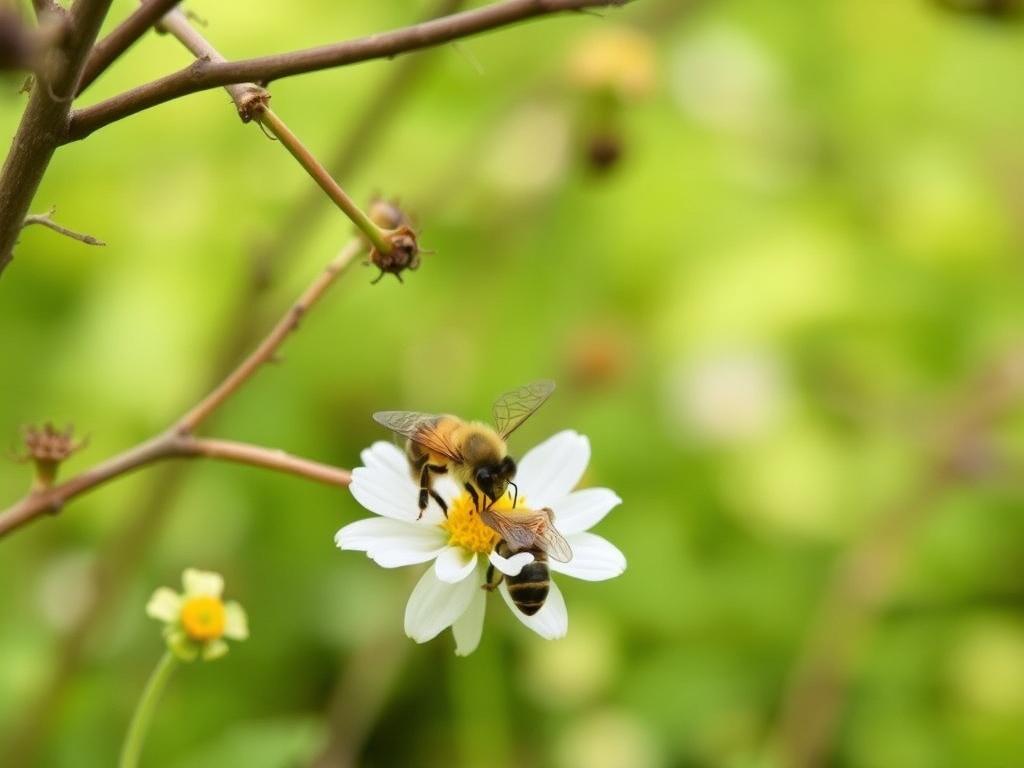
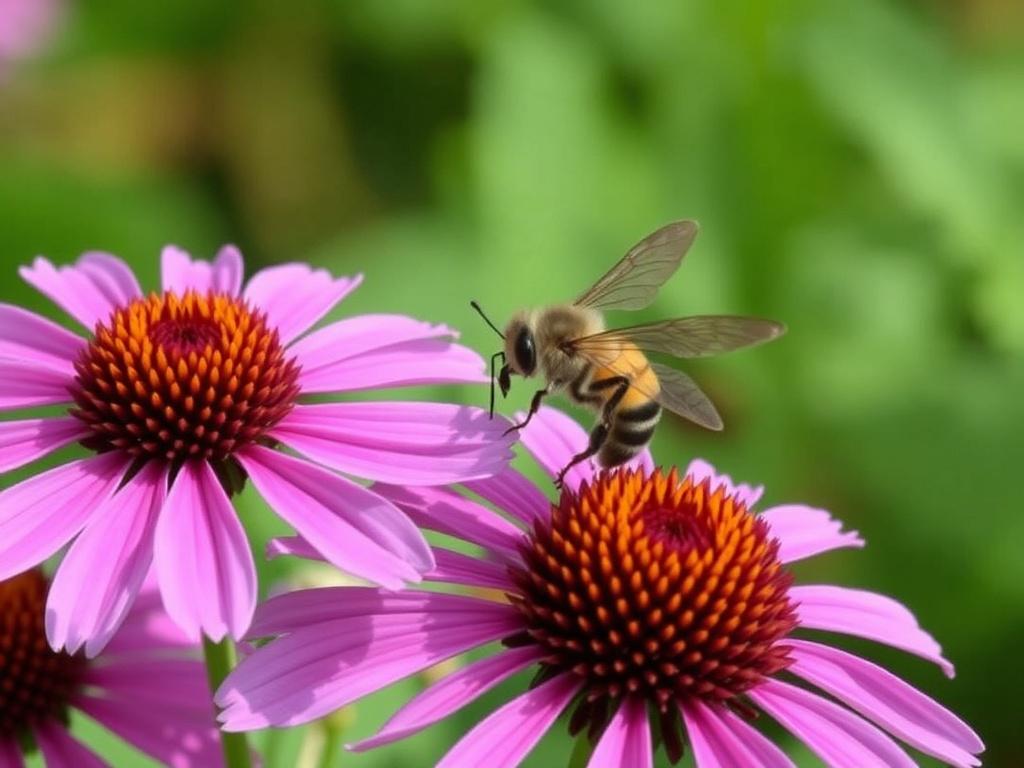
Bees are pollination engines that underpin much of the food we eat, from fruits and nuts to many vegetables. A well-tended hive can dramatically increase pollination in nearby fields or gardens, improving both quality and quantity of crops. Keeping bees for pollination often changes your calendar: you think in bloom windows and crop needs as much as in brood cycles.
Honey is the tangible reward most people picture, but it’s also an indicator of colony health and forage availability. A surplus of honey is a sign your bees found abundant blossoms and were spared devastating disease or pests that season. Managing for both pollination and honey production requires balancing the colony’s needs with your harvest plans.
Understanding the honey bee colony
A honey bee colony functions as a single superorganism, where each bee plays a specialized role across its lifetime. Worker bees perform virtually every task: nursing larvae, collecting nectar and pollen, building comb, defending the hive, and regulating temperature. Their division of labor shifts with age, which keeps the colony adaptive and efficient.
At the center of it all is the queen, the colony’s reproductive heart. She lays eggs—sometimes thousands in a single month during peak season—and her pheromones maintain social order. Drones exist primarily to mate with virgin queens away from the home hive, and they are typically tolerated only during good forage periods.
Brood, stores, and hive structure
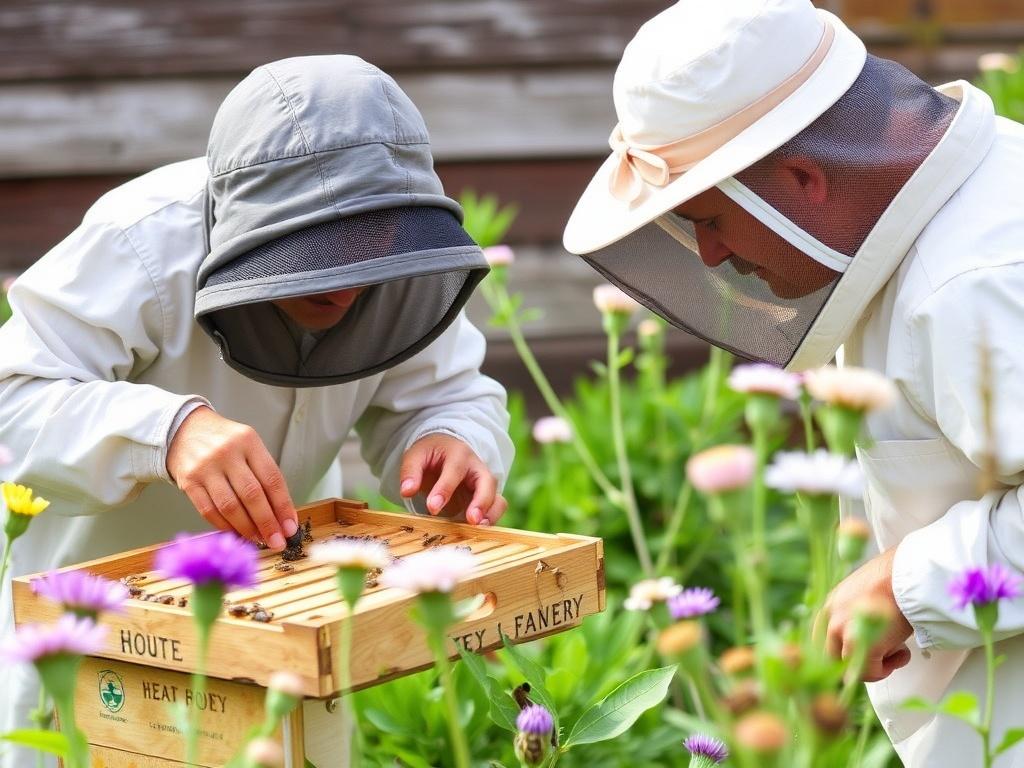
When you inspect a hive, you look for three things: healthy brood, adequate stores (nectar and pollen), and a functioning queen. Brood appears as patterns of capped and uncapped cells, indicating steady reproduction. Irregular brood patterns or many empty cells can point to queen problems, disease, or poor feeding.
Food stores—nectar turned to honey and pollen—sustain the colony through dearths and winter. A hive with insufficient stores will conserve resources and may fail to rear enough workers. Good beekeepers monitor stores and intervene with feeding when necessary, especially in early spring or late fall.
Choosing a hive type and layout
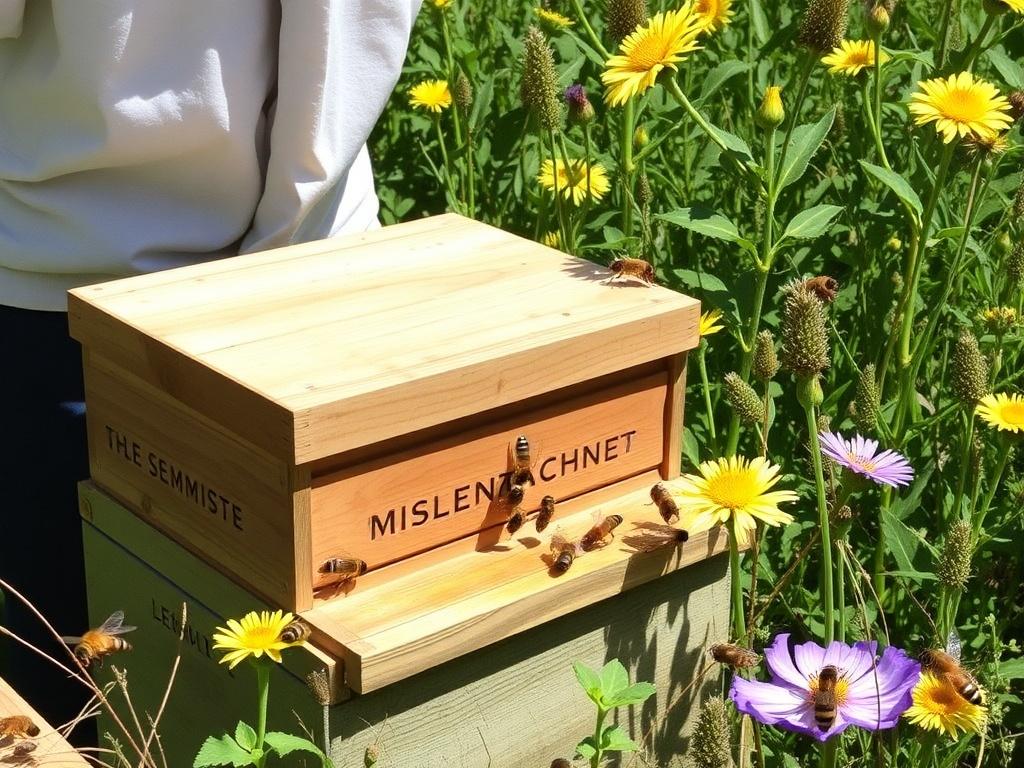
Your choice of hive affects management style, equipment needs, and even honey extraction methods. The three mainstream options are Langstroth, top-bar, and Warre hives. Langstroth boxes with removable frames are the most common for commercial and hobbyists, offering flexibility for inspection and honey extraction.
Top-bar hives encourage a more hands-off approach with horizontal expansion and minimal frame manipulation. Warre hives mimic a natural hollow tree with fixed comb and quilt boxes for insulation. Each has trade-offs: ease of harvest, interference with bees, and wintering characteristics vary substantially.
Comparing hive types
A short comparison helps new beekeepers choose a system that matches their goals, physical capabilities, and honey expectations. Think about how often you’ll inspect, whether you’ll extract honey at home, and how comfortable you are lifting heavy boxes. Practical comfort often decides the system more than philosophy.
Hive type
Pros
Cons
Langstroth
Modular, easy inspections, widely supported by equipment and literature
Heavier lifts, more interventions, can be disruptive if handled poorly
Top-bar
Gentler on bees, simple construction, lighter handling
Lower honey yields, comb more fragile, manual harvesting
Warre
Low disturbance, good insulation, closer to natural conditions
Less accessible brood for checks, limited equipment availability
Essential equipment checklist
Start with a few reliable items: a hive or two, frames or bars, a bottom board, an inner cover and outer cover, and a smoker. Protective gear—veil, jacket, and gloves—reduces sting anxiety and keeps inspections calm. You don’t need the fanciest gear; consistent, correct use matters more than brand names.
Tools like a hive tool, frame grip, and bee brush speed routine tasks and reduce bruising to the colony. For honey production, an extractor, uncapping knife, and proper jars become necessary once you reach harvest. If you plan to swap queens or move hives for pollination work, additional transport and queen-handling gear will be required.
Hive boxes and frames or top-bars
Bottom board, inner cover, outer cover
Smoker and fuel
Hive tool and frame grip
Protective veil and jacket
Feeder for syrup or pollen substitute
Extractor and uncapping gear for honey harvest
Where to site your hives
Hive placement affects hive health, neighbor relations, and foraging efficiency. Choose a location with morning sun to encourage early foraging activity and some afternoon shade to prevent overheating. Avoid heavy foot traffic paths and position entrances away from property boundaries where possible.
Accessibility matters: you will lift boxes, move frames, and need clear space for your equipment. Place hives on level, sturdy stands to reduce dampness and pests. Good airflow reduces mold risk, but avoid exposed wind tunnels that blast the entrance and chill the brood.
Legal and neighborhood considerations
Local ordinances can restrict hive numbers, placement, and distance from property lines. Check municipal codes and homeowners association rules before placing hives. Inform neighbors and provide a polite orientation about bee behavior, focusing on how bees usually ignore humans when forage is plentiful.
Keeping a buffer of shrubs or a short flight barrier—such as a hedge—forces foraging bees to fly upward, reducing direct human contact at ground level. That small measure calms both bees and people and often avoids conflicts before they start.
Acquiring bees: packages, nucs, or swarms
There are three practical routes to start a colony: buying packaged bees, purchasing a nucleus colony (nuc), or capturing a swarm. Packages are a cost-effective way to get a large number of worker bees and a separate queen. Nucs come with established brood frames and are generally easier to establish quickly.
Swarm captures are free and ecologically attractive, but they require quick action and some skill in safely transferring the cluster to your hive. Swarms are transient and can be fragile, so provide a welcome environment quickly and consider combining with a nuc if stores are low.
Timing your purchase
Spring is the classic time to start a new hive because blossoms and nectar are returning, aiding colony build-up. Ordering bees in winter is common, but you’ll rely on a local beekeeper or supplier to deliver early in the season. If starting in late summer or fall, expect more intensive feeding and overwintering preparation to prevent winter failure.
Installing and the first inspections
When you install bees, move calmly and keep inspections brief to avoid chilling the brood. Place the queen over a frame of drawn comb if available, and ensure the cluster has immediate access to pollen and nectar stores or a sugar syrup feed. New colonies are vulnerable to robbing and should be started with small entrances or internal feeders to minimize exposure.
Your first 4–6 inspections are diagnostic: you check for a laying queen, brood pattern, stores, and pests. Look for eggs—tiny, upright white specks at the cell base—which prove the queen is present and laying. If eggs are missing after a couple of weeks, you may need to requeen or locate a missing queen.
Seasonal management: spring buildup
Spring is a time of rapid change in the hive. Workers ramp up brood production as days lengthen and flowers bloom, and the colony’s need for space increases. Add an empty box with frames once the brood chamber becomes crowded to prevent swarming and to give the queen room to lay.
Swarm prevention is a central spring task; watch for signs like queen cells or clustered bees at the hive entrance. Simple measures like adding space, splitting the colony, or performing targeted queen replacement can reduce the risk of losing half the bees to a swarm. Timely checks and decisive actions are hallmarks of confident spring management.
Feeding and nutrition in spring
Supplemental feeding supports early brood rearing when natural nectar is scarce. A light sugar syrup—1:1 sugar to water by weight—is a common choice for stimulating comb building and brood expansion. Pollen patties or substitute blends can help nurse bees raise healthy brood when local pollen sources lag behind flowering demands.
Monitor consumption and scale back feeding as natural nectar becomes available, because overfeeding late into spring can encourage unnecessary winter bees to be raised at the wrong time. Balance encourages growth but avoids creating imbalances in colony demographics and stores.
Summer: forage, fights, and honey flows
Summer brings peak forage and the busiest season for honey flows. During strong nectar flows, frames fill quickly; harvest timing becomes critical to maximize honey while leaving enough for the bees. Over-harvesting stress can lead to shortages late in the season, so record yields and compare with local averages for better planning next year.
Summer also elevates pest pressures. Varroa mites proliferate, and virus transmission increases as mite loads rise. Regular monitoring with sticky boards, powdered sugar rolls, or alcohol washes helps you gauge mite levels and time treatments correctly. Integrated pest management—combining mechanical, cultural, and chemical options—keeps resistance and collateral damage low.
Managing swarms and splits
If you miss early signs, you may have to intervene with a split to mimic natural swarming while retaining workforce and queens. A split moves frames with brood and a portion of the bees into a new hive, sometimes introducing a new queen or allowing the colony to raise one. Splitting reduces congestion and creates an extra colony you can sell or use for pollination work.
Document your splits and queen sources so you can track productivity and temperament across seasons. Good records turn hunches into informed choices about which colonies to breed from and which to retire.
Fall and winter preparation
Fall is about consolidation and protection: ensuring hives have enough stores, reducing entrances against robbing and mice, and preparing for lower temperatures. Consolidate weak colonies into stronger ones if you plan to overwinter, because a single robust hive has a higher survival chance than two weak ones. Feed late if stores are short, and consider using heavier insulation or wrapping in colder climates.
Varroa treatments often occur in late summer or early fall to reduce winter virus loads carried by mites. Timing is crucial; treatments too early allow reinfestation, while too late means winter bees are already compromised. Tailor your approach to local climate and the specific products you choose.
Common pests and diseases
Varroa mites are the most ubiquitous and damaging parasite in modern beekeeping, vectoring viruses that shorten worker lifespan and reduce colony vigor. Regular monitoring and varied treatments—organic acids, essential oils, and synthetic miticides used responsibly—are essential to keep mite populations below damaging thresholds. Rotating treatment types helps prevent resistance.
Other threats include American foulbrood, European foulbrood, nosema, and small hive beetles in warmer regions. Each disease has distinct signs: foulbrood smells and brood patterns give it away, while nosema causes dysentery and reduced foraging. Quick diagnosis and response often determine whether a colony survives or must be destroyed to protect neighbors.
Varroa destructor: monitor and treat as needed
American foulbrood: report and follow local regulations
European foulbrood: treat with antibiotics or managerial changes
Small hive beetle: traps and sanitation reduce impact
Record keeping and observation skills
Good beekeeping is built on observation and records. Note the date of inspections, queen status, brood pattern, stores, and mite counts. Over years, these records reveal patterns that help you predict swarms, time treatments, and estimate honey yields more accurately.
Train your eyes to read the colony’s story from a short inspection: a ragged spring buildup might hint at a late frost; dwindling foragers could mean pesticide exposure nearby. Learning to observe patterns saves time and prevents reactive, frantic interventions.
Harvesting honey without harming the colony
Harvest only surplus honey—leave the bees enough to survive scarcity and to feed brood. Extracting too much forces feeding with sugar syrup, which never replaces the complex nutrition of diverse nectar and pollen. A practical rule is to harvest after a sustained, strong nectar flow when multiple frames are fully capped and the bees show robust population health.
Use clean, food-safe equipment and minimize contamination. Gently brush or shake bees from frames back into the hive rather than using harsh methods, and close up the hive promptly to avoid robbing. Store honey in sealed, labeled containers away from direct sunlight for best shelf life.
Simple honey harvest steps
Identify fully capped honey frames—usually 80% or more covered.
Move frames to a clean, bee-free extraction area during cool parts of the day.
Uncap cells and extract by centrifugal extractor or crush-and-strain for small batches.
Filter and jar, allowing bubbles and fine wax to settle before final bottling.
Using bees for pollination services
Bees are rented by orchardists and growers because managed hives can significantly raise fruit set and improve uniformity. Pollination work requires careful timing; hives should arrive before bloom and be removed shortly after to reduce stress on the colony and minimize pesticide exposure. Contracts should specify hive density, placement, and liability clauses.
Transporting hives requires preparation: reduce entrances, secure tops, and ensure stable frames inside boxes. Provide adequate ventilation during transit and reorient entrance direction at the field if necessary. After placement, give the colonies 24 to 48 hours to acclimate before intensive inspections or manipulations.
Setting expectations with growers
Clear communication about bloom windows, chemical spray schedules, and access to water will protect your bees and the crop. Offer guidance on pesticide timing—applications at night or when bees are not foraging reduce harm—and request notification when treatments are planned. Strong partnerships increase yield for growers and reduce losses for beekeepers.
Scaling up: from hobby to small business
Growing from a few hobby hives to a profitable sideline requires planning in equipment, time, and markets. Consider whether you’ll sell honey at farmers markets, supply local stores, or offer pollination services. Each avenue has different regulatory, packaging, and liability implications.
Economies of scale favor standardized equipment and efficient workflows: stainless steel extractors, pallet jacks, and consistent labeling systems. But scaling also raises biosecurity needs; moving more hives increases disease spread risk unless you implement strict sanitation and monitoring protocols.
Practical tips I learned in the apiary
I began with two hives and plenty of mistakes—crowded supers, missed mite thresholds, and a swarm I could have avoided. One lesson that stuck: inspect often enough to read trends but not so often that you disrupt the colony’s rhythm. Slow, deliberate inspections yield more useful information than hurried, noisy ones.
Another hard-earned tip is to network with local beekeepers. Neighbors shared queens, showed me subtle disease signs, and swapped equipment. Those conversations saved hives and taught me regional nuances that no book covered, like a late-blooming tree that reliably fills supers each summer.
Ethics and environmental stewardship
Responsible beekeeping balances human goals with the needs of wild pollinators and ecosystems. Manage hives to minimize disease spillover, avoid introducing nonnative bee strains where they can harm local genetics, and provide water and forage without stressing native plants. Healthy beekeeping supports biodiversity rather than competing with it.
Be mindful of forage competition during scarce months; supplemental feeding can reduce pressure on native pollinator populations. Planting pollinator-friendly gardens and advocating for pesticide-reduced practices in your community are simple, effective actions that amplify the benefits of your own hives.
Resources for continued learning
Beekeeping is a craft where continual learning pays off. Local beekeeping associations are invaluable for hands-on workshops, swarm lists, and mentorship. Extension services, university publications, and reputable online courses provide region-specific guidance and up-to-date research on pests, treatments, and best practices.
Books, journals, and experienced mentors help you move from rule-of-thumb to evidence-based practices. Keep a small library of reference materials and subscribe to a trusted newsletter so you can adjust quickly to emerging threats like new mite variants or disease outbreaks.
Final practical checklist before you start
Before placing your first hive, confirm local regulations, secure protective gear, buy or build the right hive type, and line up healthy bees from a reputable source. Plan for at least an hour per colony per week in peak season for inspections and maintenance. Budget for unexpected treatments and replacements; beekeeping has rewards, but it also has ongoing costs.
If you’re aiming for both pollination and honey, clearly define priorities: do you want maximum crop pollination, larger honey yields, or a balanced approach? Your decisions about hive density, manipulations, and harvest timing will flow from that primary goal. With attention, patience, and respect for the bees, a single colony can become a reliable partner in both field productivity and local honey production.