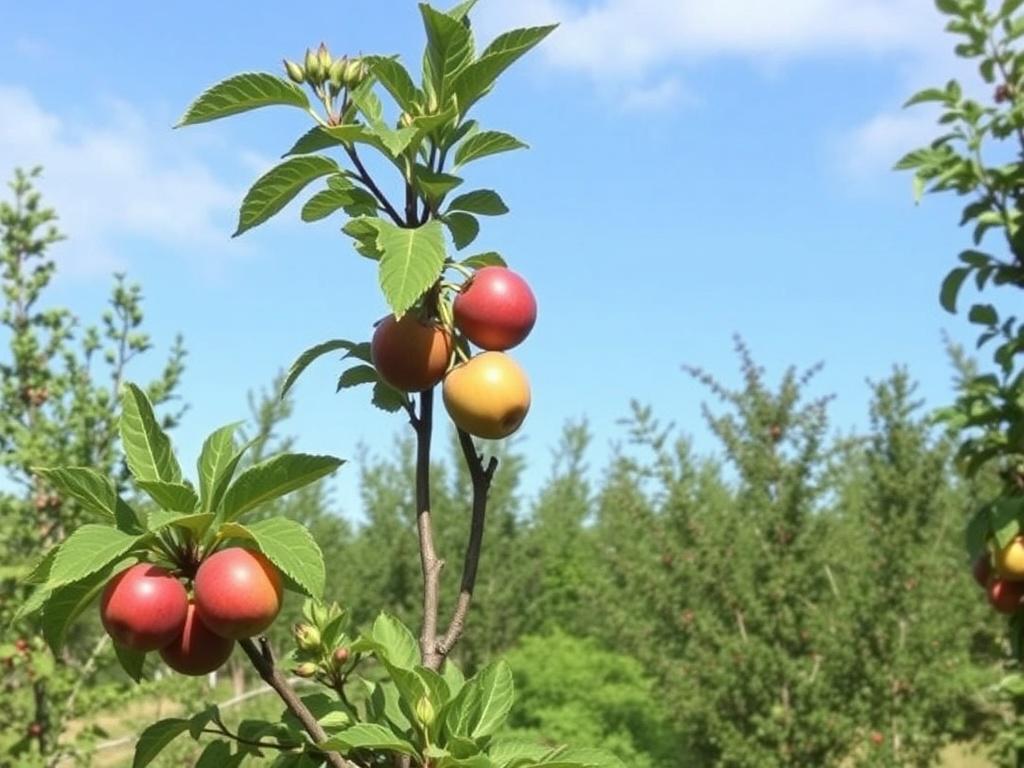
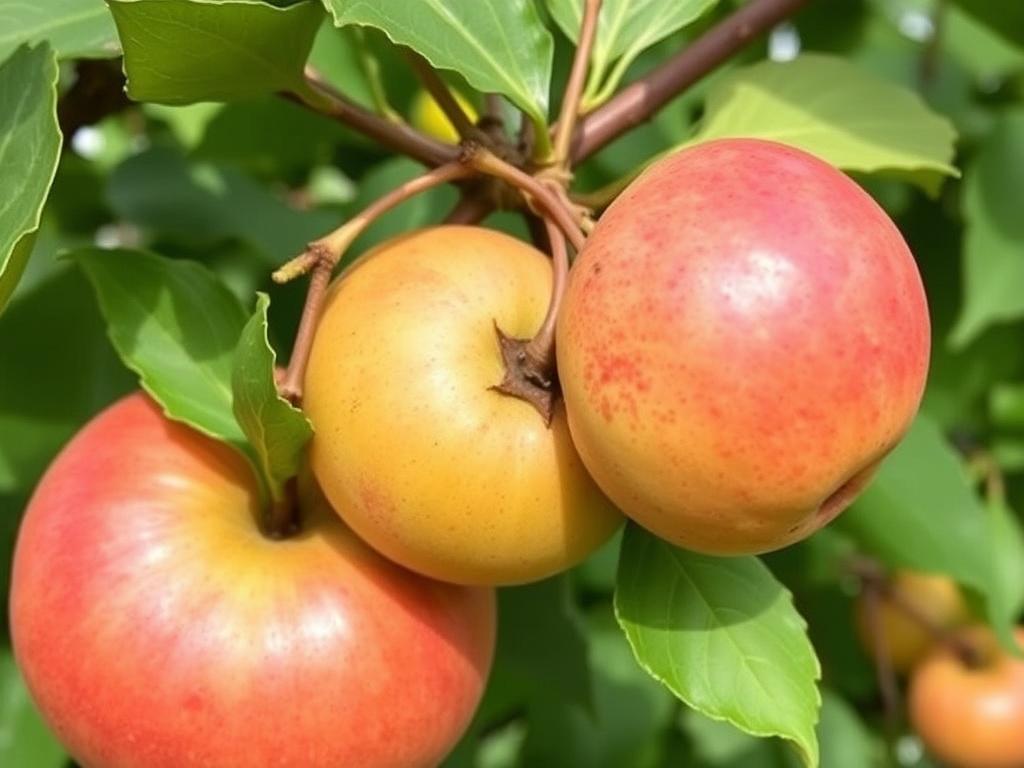
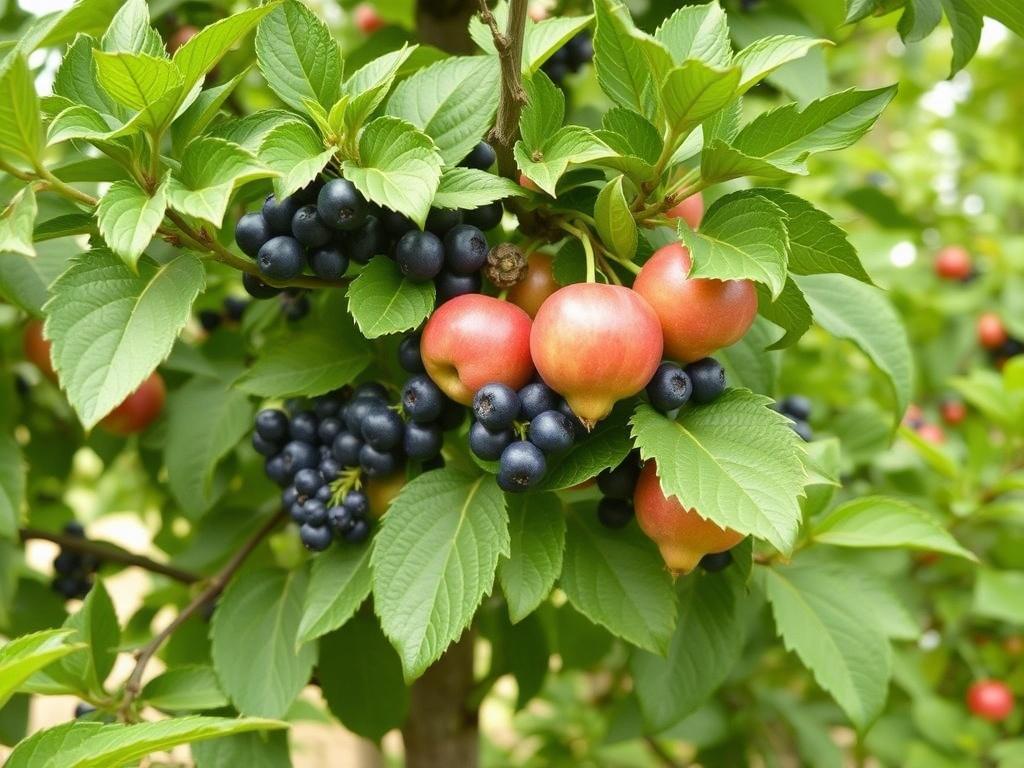
There’s a special satisfaction in biting into fruit you grew yourself: the fresh burst of flavor, the knowledge that you tended the tree or bush through seasons, and the way a yard can transform into a small working farm. This guide walks you through practical choices and everyday care so your trees and bushes reward you with fruit year after year. Read on for planning, planting, pruning, pest control, and real-world tips drawn from hands-on experience.
Содержание
Planning your edible landscape
Good results start well before a shovel hits the ground. Think of your landscape as a living system: light, soil, water, and neighbors all shape what will thrive. Sketch the space, note sunlight patterns through the year, and imagine where mature trees and canes will stand in five to ten years.
Deciding whether you want an orchard layout, mixed borders, or containers will influence every following decision. Consider access for harvesting and maintenance; a solitary fruit tree in a corner may look charming, but it should be reachable with a ladder and pruner. Small choices now—like spacing and orientation—save headaches later.
Assessing climate and chill hours
Fruit trees and many berries rely on a certain number of cold hours to break dormancy and set fruit. These “chill hours” vary by species and cultivar: apples and pears often need moderate chill, while apricots and some peaches require more. Check your USDA hardiness zone and local extension resources to match varieties to your winter profile.
Microclimates inside a yard matter too. South-facing slopes warm earlier and can mitigate late-spring frost risk, while low-lying hollows collect cold. I planted an early-maturing peach on a gentle slope after noticing a cold pocket in the lower lawn; that little move preserved my blossoms twice when neighbors lost theirs to frost.
Choosing the right space
Sunlight is nonnegotiable: most fruit trees and berry bushes want at least six to eight hours of direct sun daily during the growing season. Shady corners can work for some currants and gooseberries, but high-yielding apples, pears, cherries, and blueberries prefer full sun for sugar development and disease reduction. Map sun exposure before buying plants.
Think about wind, drainage, and proximity to buildings. Cold winter winds and hot drying breezes can stress trees; a windbreak or careful placement can help. Also leave room for growth—crowded plants yield poorly and become disease-prone faster than those with air circulation.
Soil testing and improvement
Healthy soil trumps exotic fertilizer cocktails. Start with a soil test from your local cooperative extension to learn pH, nutrient levels, and organic matter. Blueberries, for example, demand acidic soil (pH 4.5–5.5), while apples and pears tolerate neutral to slightly acidic conditions.
Amend soils based on the test: add compost to build structure, gypsum for heavy clay improvement, or sulfur to lower pH for acid-loving plants. Avoid over-tilling; fruit trees benefit from well-structured soil with living organic matter rather than deeply cultivated bare ground. In my yard, regular autumn compost top-dressing raised organic content visibly in three seasons and improved tree vigor.
Picking varieties and rootstocks
Choosing species and varieties is as much about flavor as it is about adaptability and disease resistance. Local nurseries and extension services often sell cultivars proven in your area—those are safe bets. Seek varieties with staggered ripening times to extend your harvest window across the season.
Rootstock matters more than most newcomers expect. The same apple variety grafted to different rootstocks will produce trees of dramatically different sizes and precocity (how soon it fruits). Decide whether you want dwarf trees for small yards and containers or standard trees for a traditional orchard.
Rootstocks: size and vigor
Rootstocks control tree size, anchorage, root disease resistance, and sometimes adaptability to soil moisture. For apples, commonly used rootstocks range from dwarf (e.g., M.9) to semi-dwarf (M.26) and standard (MM.111). Dwarf trees fruit earlier and are easier to harvest but may need staking and more winter protection.
Sour cherries and plums have their own specialized rootstocks. When choosing, balance space constraints, desire for early fruiting, and long-term maintenance. My compact backyard apple trees on semi-dwarfing rootstocks began producing useful crops in year three and stayed manageable for pruning without a tall ladder.
Varieties: disease resistance and ripening times
Resistant varieties reduce chemical inputs and frustration. Look for apples with scab resistance, pears with fireblight tolerance, and cherries less susceptible to bacterial canker. Read cultivar descriptions carefully and prioritize traits that match your priorities—flavor, storage life, or ornamental bloom.
Planting cultivars that ripen at different times can turn a short season into months of harvest. For instance, choose early-, mid-, and late-season apples or staggered blueberry varieties to avoid a single glut. Variety choice also affects pollination needs—some cultivars are self-fertile, while others require cross-pollinators.
Fruit
Typical chill hours
Pollination
Common rootstock size
Harvest
Apple
400–1,000 (varies)
Often requires another apple variety
Dwarf to standard
Late summer to fall
Peach
250–1,000 (varies)
Usually self-fertile
Semi-dwarf to standard
Mid to late summer
Cherry
600–1,200 (varies)
Sweet cherries need cross-pollination
Semi-dwarf
Early to mid summer
Pear
400–900
Often requires pollinator
Semi-dwarf to standard
Late summer to fall
Planting: step-by-step
Planting at the right time and depth gives young trees and bushes the best start. Bare-root trees are typically planted in late winter to early spring while dormant, while container-grown stock can be set out any time the soil isn’t frozen and conditions are stable. Prepare the hole, soil, and timing before you lift the plant.
Dig a hole twice as wide as the root ball but no deeper than the roots’ depth, keeping the root flare at or slightly above the soil surface.
Backfill with native soil amended with compost if necessary, avoiding high-nutrient backfill that encourages roots to stay near the surface.
Water thoroughly at planting, apply a mulch ring leaving space at the trunk, and stake if using a dwarf rootstock prone to wind rock.
Spacing matters: give trees room to grow and berries room to run or stand. Crowded rows lead to shaded fruit and more disease pressure, so follow nursery spacing recommendations and plan for future pruning needs. On a practical note, label new trees and keep receipts—varieties can be hard to identify later.
Watering, mulching and feeding
Young plants need consistent moisture while establishing roots. Deep, infrequent watering encourages roots to grow outward and downward; shallow frequent watering creates weak, shallow roots. Use a slow-soak hose or drip irrigation to wet the root zone to a depth of 12–18 inches.
Mulch conserves moisture, reduces weeds, and moderates soil temperature. Apply 2–4 inches of organic mulch like wood chips or shredded bark, keeping it a few inches away from trunks to avoid crown rot. Over several seasons the mulch breaks down, feeding beneficial soil life that supports healthier roots.
Irrigation strategies
Install drip lines or soaker hoses under mulch to deliver water efficiently and reduce foliar wetting that spreads disease. For trees, place emitters in a ring out to the canopy drip line to encourage radial root growth. Timers simplify consistent watering, especially in hot spells or when you travel.
Adjust irrigation by season: frequent in the first one to two summers, then taper as trees mature, except during droughts when supplemental watering maintains fruit size and tree health. I once reduced irrigation for established apples and saw harder fruit and reduced fungal problems, but I increased water in late summer of a dry year to prevent fruit drop.
Fertilizers and timing
Feed based on soil test results and tree vigor. Young trees often benefit from a balanced, slow-release fertilizer in early spring; mature trees rarely need heavy feeding unless leaves show deficiency signs. Overfertilization causes excessive vegetative growth and weak wood prone to disease and wind damage.
For berry bushes, specific needs differ: blueberries appreciate acid fertilizers formulated for azaleas, while cane berries respond well to moderate nitrogen in spring. Apply fertilizers evenly under the drip line and water in well to move nutrients to roots.
Pruning and training
Pruning shapes trees for sunlight access, structural strength, and fruiting wood renewal. While the thought of pruning can intimidate, a yearly routine keeps trees manageable and productive. Learn the basic cuts—heading, thinning, and rejuvenation—and practice on young, expendable branches before tackling prized scaffolds.
Timing matters: prune deciduous fruit trees during dormancy to reduce disease transmission and make structure visible. Summer pruning can slow overly vigorous growth and open crowns to light, but be cautious—excessive summer pruning removes fruiting buds for the next year in many species.
Pruning basics
Young trees benefit from formative pruning to establish a strong central leader or an open center, depending on species. Remove crossing branches and narrow V-shaped crotches that weaken under crop weight. Favor wide angles of attachment (60–90 degrees) for long-term strength.
For cane fruits, understand the two-year cane cycle: primocanes grow vegetatively in year one, while floricanes fruit in year two and are then removed. Each species has its rhythm, so mark calendar reminders for cane removal and renewal to keep yields steady. In my raspberry patch, annual cane renewal cut disease incidence and tripled usable harvest within four seasons.
Training forms: open center, central leader, espalier
Two common tree forms are the central leader (a main trunk with tiered scaffolds) and the open center (a vase shape). Central leader suits apples and pears with vertical vigor; open center works well for peaches and plums that fruit on lateral wood. Choose a form that fits your space and maintenance comfort.
Espalier and cordon training squeeze productive orchard rows into narrow spaces and make harvesting easy. They require initial investment in training, pruning, and support wires, but reward with accessible fruit and decorative structure. I trained a single apple as an espalier along a fence and gained both fruit and garden art in a compact footprint.
Managing pests and diseases
Pest and disease management is mostly predictable with vigilance, good sanitation, and appropriate tools. Keep fallen fruit and pruned debris cleared; many pests and pathogens overwinter in that litter. Observing trees weekly during active growth reveals problems early when they’re most manageable.
Start with cultural controls: resistant varieties, proper spacing, timely pruning to increase airflow, and avoiding overhead watering that wets foliage. When interventions are needed, favor targeted methods that preserve beneficial insects—sticky traps, pheromone disruption, and selective organic sprays come before broad-spectrum insecticides whenever possible.
Common pests
Common fruit pests include codling moth in apples, peach tree borers, aphids, and Japanese beetles. For berries, spotted wing drosophila and raspberry crown borer are frequent offenders. Identify the pest before treating—correct timing and method differ widely from species to species.
Simple monitoring tools like pheromone traps and sticky cards help you spot population buildups early. In my experience, a small investment in traps and a regular inspection routine paid off by keeping sprays to a minimum and saving fruit that would otherwise be lost to larval feeding.
Integrated pest management
Integrated pest management (IPM) combines monitoring, cultural practices, biological controls, and, as a last resort, chemical treatments. Encourage beneficial predators—lady beetles, lacewings, and predatory mites—by planting diverse flowering species and avoiding broad-spectrum sprays that wipe them out. Use selective insecticides if thresholds are exceeded and always follow label directions.
Recordkeeping helps refine your approach. Note pest outbreaks, weather patterns, and treatment results on a simple calendar. Over several seasons, you’ll see patterns and can anticipate interventions rather than react in panic.
Caring for berry bushes specifically
Berries differ from trees in growth habit and maintenance but follow similar principles: right site, correct soil, and timely pruning. Many berry species are easier to grow and faster to produce than trees, making them excellent choices for impatient gardeners or those with limited space. Grouping different berries can diversify harvest and reduce single-point failure risks.
Consider planting raspberries and blackberries on trellises for management and air circulation. Blueberries need acidic soil and careful mulching; they reward patient growers with spectacular fall color and long productive life. Currants and gooseberries tolerate partial shade and are a great choice under light canopy or northern exposures.
Raspberries and blackberries
Raspberries and blackberries (brambles) come in summer-bearing and everbearing types. Summer-bearing varieties produce one main crop on floricanes, while everbearing types give a fall crop on primocanes and sometimes a smaller summer crop. Decide which fits your calendar and market—everbearing spreads the harvest, but summer types often have larger single crops.
Support canes with a simple T-bar or wire trellis to keep fruit off the ground and make harvest easier. Remove spent floricanes after fruiting to reduce disease and make room for new growth. I once let canes flop in an unused bed and learned the hard way that tangled brambles are a maintenance nightmare.
Blueberries
Blueberries are delightful but particular: they need acidic, well-draining soil, regular moisture, and winter chill. Plant at least two cultivars for good pollination and larger yields. Mulch heavily with pine needles or wood chips to maintain acidity and suppress weeds.
Annual pruning removes old wood and encourages vigorous new shoots that produce the next season’s fruit. If you live in a low-chill area, choose southern-adapted varieties and watch for heat stress—some home gardeners shade blueberries briefly during extreme afternoons. My first blueberry bed needed sulfur amendments for two seasons before the plants became visibly happier and produced larger berries.
Currants, gooseberries, and strawberries
Currants and gooseberries are underappreciated but hardy and productive in cooler, shadier sites. They fruit on older wood and respond to annual thinning and light rejuvenation pruning. Their tart flavor is excellent for jams and baking, and they’re often overlooked by birds early in the season.
Strawberries come in June-bearing, everbearing, and day-neutral types, each with different harvest patterns. Plant in raised beds or mounded rows with good drainage and replace beds every three to four years to maintain vigor. I rotate strawberry beds and use short covers to protect early blossoms from birds and late frosts with surprisingly good results.
Containers and small-space gardening
Containers expand options for small yards, balconies, and patios. Many dwarf trees, blueberries, and berries thrive in large pots with high-quality potting mixes and regular feeding. Use containers with good drainage and choose sizes that accommodate intended root growth—bigger is usually better for stability and moisture buffering.
Container plants dry faster and require more frequent feeding. Water deeply when the top inch of potting mix is dry and apply slow-release fertilizers or liquid feeds through the season. I grew pears successfully in 25-gallon containers for several years, rotating them to follow the sun and moving them under shelter during severe winter weather.
Seasonal calendar and year-by-year care
Think in seasonal blocks to stay organized: dormant season pruning and planting, spring frost protection and bloom monitoring, summer irrigation and pest checks, and autumn clean-up and mulching. A simple calendar—planting dates, pruning reminders, spray windows, and harvest targets—keeps a busy household from missing critical windows.
Young trees require more hands-on attention, but mature trees benefit from consistent annual tasks like pruning, soil health checks, and irrigation adjustments. The following sections outline what to expect in year one, years two through five, and beyond, to help you plan labor and budget.
First year
In year one your focus is root establishment: keep the tree watered, mulch well, and avoid heavy pruning beyond removing damaged or rubbing branches. Protect trunks from sunscald and rodent damage with guards and maintain a weed-free ring around the base. Resist the urge to overharvest; leaving early fruit on young trees can reduce reserves needed for root growth.
Record growth measurements and take photos; they’re invaluable for spotting changes over time that indicate nutrient or pest issues. In my experience, photographing tree form annually revealed early limb weakness before it became a breakage problem, allowing me to correct structure early and avoid a loss during a storm.
Years 2–5
This window is about shaping structure and building production. Formative pruning early on pays dividends, and light fertilization supports steady growth without pushing excessive, tender shoots. Expect increasing yields, but continue to thin fruit if trees set too heavily—too much fruit stresses branches and causes biennial bearing in some species.
Watch for common problems like nutrient deficiencies, borers, and fungal diseases and respond promptly. If you planted multiple varieties, start observing ripening sequences; this is the time to refine your future pruning and thinning routines to suit your harvest goals.
Mature orchard maintenance
Mature trees require less frequent but more focused interventions: structural pruning to remove dead or crossing limbs, vigilant disease management, and occasional renewal pruning. Consider periodic soil tests every three years to monitor nutrient trends and pH drift. For older trees, selective limb removal and scaffold reinforcement can prolong productive life and reduce storm damage.
At maturity, harvesting logistics become a consideration. Invest in a sturdy ladder, lightweight picking buckets, and storage crates. If you plan to preserve or sell excess fruit, build routines for washing, cooling, and processing to handle larger volumes without waste.
Harvesting, storing, and preserving
Harvest at peak ripeness for flavor and storage longevity. Apples and pears often store better when harvested slightly early and then cured; berries are best eaten or processed quickly after picking. Learn the visual, tactile, and taste cues for each fruit to avoid unripe or overripe picks.
Storage options range from simple cool basements and refrigeration to home freezing, drying, and canning. Invest in basic preserving equipment—mason jars, a chest freezer, or a dehydrator—and you’ll convert seasonal surpluses into year-round satisfaction. I freeze berries in single layers before bagging so they don’t clump, which makes them easy to measure for smoothies and pies later.
Wildlife, pollinators, and beneficial plants
Pollinators are essential; a healthy population of bees and other insects multiplies fruit set and consistency. Plant pollinator-friendly flowers, provide water sources, and avoid broad-spectrum insecticides during bloom. Fruit set often improves markedly with a deliberate pollinator plan.
Wildlife can be both friend and foe. Birds eat fruit but also help control insect pests; deer browse saplings while raccoons and squirrels take ripe fruit. Use netting, trunk guards, and strategic fencing when necessary—sometimes the simplest solution, like a row of motion-activated lights or a chemical-free taste deterrent, makes the difference in saving a season’s worth of fruit.
Troubleshooting common problems
Brown leaves, stunted growth, or sudden branch dieback each point to different causes—water stress, nutrient lack, root disease, or pest pressure. Approach problems methodically: inspect, identify, research, and then treat. The internet offers many resources, but local extension offices and experienced neighbors are goldmines for region-specific advice.
Document symptoms with photos and notes; accurate descriptions speed diagnosis when consulting experts. Resist quick-fix sprays without identification—mismatched treatments waste time and money and sometimes make the problem worse. For example, overuse of high-nitrogen fertilizer can mask a boron deficiency and worsen fruit quality before you realize what’s happening.
Tools and supplies every home grower needs
Quality trimmers, loppers, a pruning saw, a sturdy ladder, gloves, and a soil probe are the backbone of orchard maintenance. Invest in sharp, well-fitting tools and maintain them—sharpen blades and oil moving parts to make pruning safer and more precise. A soil probe and a good digital pH meter make soil checks straightforward.
For irrigation, a simple drip line kit, a timer, and a pressure regulator can automate most needs. For pest monitoring, pheromone traps, sticky cards, and a handheld magnifier help you identify early issues. Keep a small stock of grafting wax, tree paint, and stake materials for quick repairs after storms or animal damage.
Final tips and encouragement
Start small and expand as your skills and confidence grow. A single apple, a row of raspberries, and a pot of blueberries can teach you almost everything you need to know and still produce a satisfying harvest. Avoid the temptation to buy everything at once; a phased approach spreads out learning and cost.
Learn from seasons: failed bloom years, unexpected frosts, and pest outbreaks are part of the process and provide practical lessons that no manual can fully teach. Share surplus with neighbors and join local grower groups—community knowledge and shared labor make fruit gardening more joyful and productive. With patience and a few key practices, a yard can become a reliable source of fresh fruit for years to come.