Stretching the productive months of a greenhouse is less about magic and more about careful choices: the right structure, controlled environments, and thoughtful crop planning. This guide walks through the practical systems and decisions that let you grow longer, harvest earlier, and push later into the year without burning cash or plants. Whether you manage a hobby greenhouse or run a small commercial operation, the principles are the same — control the environment, reduce stress, and match crops to conditions.
Содержание
Understanding microclimates and greenhouse fundamentals
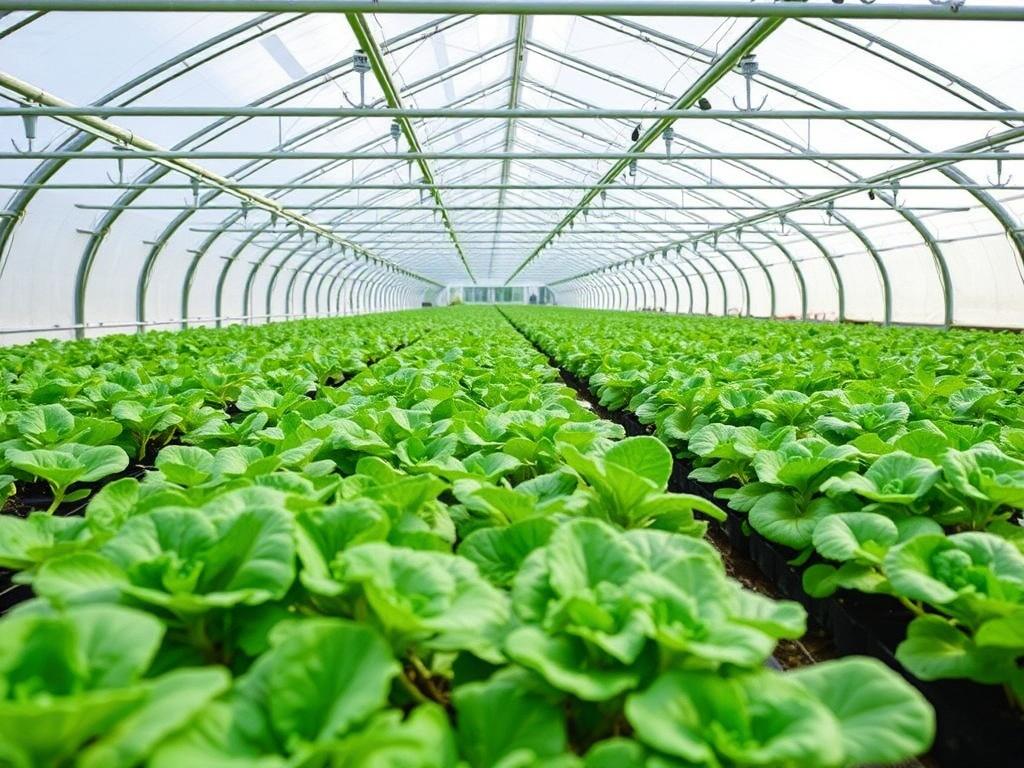
A greenhouse creates a microclimate: a small, controlled pocket where temperature, humidity, light, and airflow can be deliberately adjusted away from outdoor extremes. Recognizing how your greenhouse differs from the surrounding environment is the first step toward extending the season effectively. Walls, glazing, orientation, and surrounding landscape shape that microclimate and determine which interventions will pay off.
Site selection and structure form the baseline for everything that follows. A greenhouse tucked against a south-facing wall with wind breaks will conserve heat and shade more effectively than one sitting exposed to strong northern winds. Likewise, the type of frame and glazing — polycarbonate, glass, or polyethylene film — will change thermal behavior, light transmission, and maintenance needs.
Orientation, glazing, and structural considerations
Orient the longest side of your greenhouse toward the equator to capture the most winter sun. In the U.S., that means facing south or southeast. Simple orientation adjustments can add hours of usable light in winter and reduce heating needs by making the best use of available solar gain.
Glazing choice balances light, insulation, and cost. Single-pane glass transmits abundant light but insulates poorly. Double-wall polycarbonate offers better insulation with respectable light transmission and a lower risk of breakage. Polyethylene film is inexpensive and versatile but requires more frequent replacement and careful sealing to prevent heat loss.
Thermal mass and insulation
Thermal mass — materials that absorb heat by day and release it slowly at night — helps dampen temperature swings. Water drums, stone, and brick are common, affordable options that moderate nocturnal drops without continuous fuel use. Placing thermal mass where it receives direct sun during the day improves its effectiveness.
Insulation matters nearly as much as heating capacity. Seal gaps, insulate end walls or a north-facing wall, and consider retractable thermal curtains for night insulation. Small improvements in R-value can cut fuel expenses substantially over a season and make it easier to maintain stable conditions for plants.
Heating strategies: making warmth efficient and reliable
Heating is the dominant cost for extending into colder months, but efficiency decisions reduce that burden. Combining passive solar gain, thermal mass, targeted active heat, and good insulation lowers overall demand and stretches fuel resources. The goal is not to eliminate heating but to use it where it delivers the biggest benefit.
Active heating can be provided with electric heaters, propane or natural gas units, wood stoves, or hot-water systems. Each method has trade-offs in installation cost, operating cost, responsiveness, and suitability for different greenhouse sizes. Matching the heating method to your scale and budget will keep operations both resilient and economical.
Comparing heat sources
Electric heaters are clean and easy to control but can be expensive where electricity rates are high. Propane and natural gas provide greater output for the price in many regions but require safe ventilation and combustion management. Wood heat can be cost-effective if fuel is available locally, though it demands daily attention and produces particulate matter.
Hydronic (hot-water) systems provide gentle, even heat distribution with good efficiency and the option to couple with solar thermal collectors. They require higher upfront costs and access to a boiler. For many small growers, a hybrid approach — passive solar with a backup electric or gas heater — strikes the best balance.
Practical tips to save on heating
Use zone heating rather than attempting to warm the entire structure uniformly. Heat benches, root-zone heaters, or small localized heaters allow you to maintain conditions where plants actually are. This concentrates energy where it matters and extends seasons with less fuel overall.
Night insulation, such as thermal curtains or double-layer coverings, is one of the most cost-effective measures. Draw curtains at dusk to trap warm air and prevent radiative heat loss. Doing so often cuts nightly heat loss by 30–50 percent, which compounds over weeks and months.
Cooling and ventilation: preventing summer stress in extended operations
Extending the growing season also means protecting crops from heat in shoulder months and midsummer spikes. An overcooled greenhouse in winter can be remedied with heating, but an overheated greenhouse damages plants quickly, so cooling strategies require careful planning. Ventilation, shading, and evaporative cooling are the main tools to keep temperatures within a productive range.
Natural ventilation through roof vents and sidewalls is passive and reliable with correct sizing and placement. Cross-ventilation helps flush hot pockets of air, while ridge vents allow hot air to escape. Adding fans enhances airflow and creates a more uniform environment, particularly in larger structures.
Shading and evaporative cooling
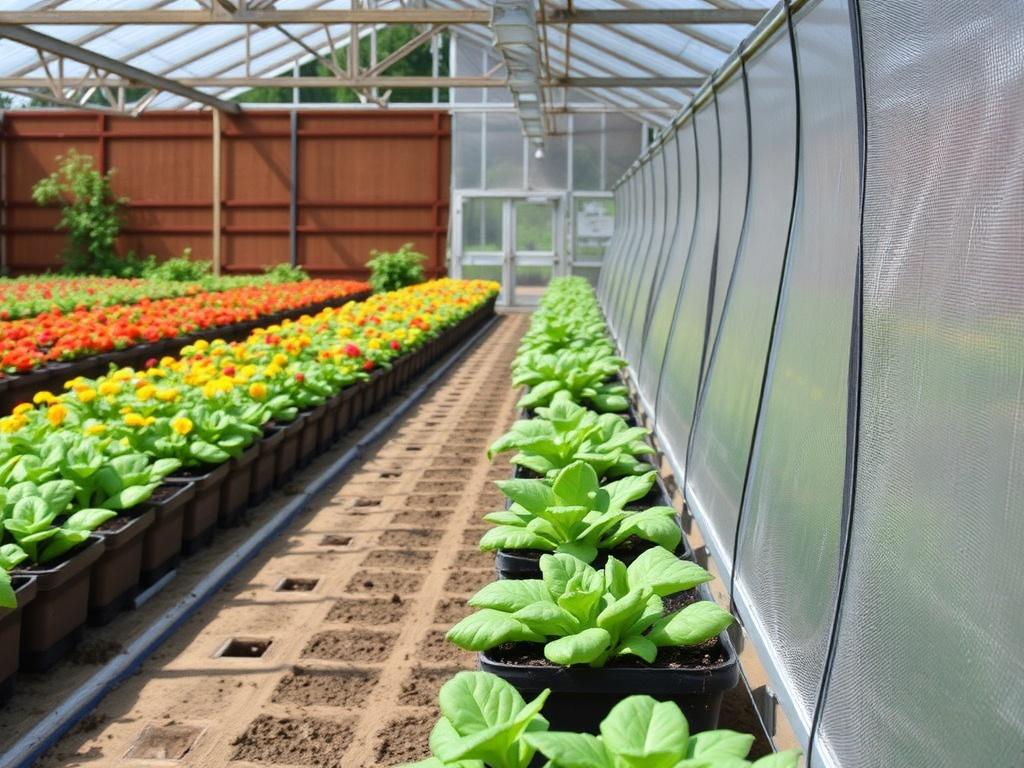
Shading is essential for managing light intensity and temperature during extended seasons that include warm days. Shade cloths of varying densities can be deployed seasonally and retracted when not needed. Internal or external shades can reduce peak temperatures and prevent sunscald on leaves.
Evaporative coolers (swamp coolers) are highly effective in dry climates but offer limited benefit in humid regions. They work by passing warm air over wetted pads, cooling it through evaporation. If you use evaporative cooling, monitor humidity closely to prevent fungal issues.
Light management: extending the day and quality of light
Light is the engine of growth, and managing both quantity and quality is crucial when stretching seasons. In late fall and early spring, the sun’s angle and shorter day length reduce photosynthetically active radiation (PAR), so growers often supplement with artificial lighting for key crops. Proper lighting boosts growth but also increases energy use, so it must be used judiciously.
LED fixtures have transformed greenhouse lighting by offering targeted spectra, high efficiency, and low heat output. Use LEDs to supplement daylight, particularly for seedlings and leafy greens that respond well to blue and red spectra. Control schedules to provide consistent photoperiods that match crop requirements.
Light schedules and crop responses
Many vegetables and ornamentals are sensitive to day length. Extending day length with supplemental lighting can accelerate flowering in day-neutral crops and maintain vegetative growth in others. For instance, providing 14–16 hours of light for lettuce and herbs can double production speed compared with short-day conditions.
Balance the cost of lighting with expected gains. Seedlings and high-value crops typically justify supplemental lighting, while slow-growing field crops may not. Use dimmers and timers so lighting runs only as long as necessary, and position fixtures to minimize shading between plants.
Irrigation and root-zone management
Extending the season often means watering more or differently than in a summer garden. Evapotranspiration rates change with temperature and humidity, and plants may require less water at cool night temperatures but more frequent shallow watering during dry, warm days in shoulder seasons. Root-zone stability is just as important as aerial conditions.
Drip irrigation and ebb-and-flow benches deliver water precisely and reduce foliar wetness that encourages disease. Automated irrigation controllers paired with soil moisture sensors keep plants consistently watered without overwatering, which is a common issue in mixed-season greenhouses.
Fertigation and nutrient timing
When you stretch the season, nutrient demands change. Cooler temperatures slow nutrient uptake, and over-fertilizing during low uptake periods risks salt buildup and root burn. Adjust feed concentration according to growth rate and root-zone temperature measurements rather than a fixed schedule.
Split applications, using lower concentration but more frequent feeds via fertigation, maintain a steady supply of nutrients and avoid peaks that stress roots. For hydroponic or soilless systems, maintain EC and pH within crop-specific ranges and record trends rather than guessing.
Pest and disease management for a longer season
Keeping plants healthy across an extended season requires a vigilant integrated pest management (IPM) program. Pests that overwinter in greenhouses can become continuous problems if left unchecked, and higher humidity from winter heating strategies can favor fungal pathogens. Prevention, monitoring, and quick targeted action are more effective than reactive, heavy-handed treatments.
Start with sanitation: remove plant debris, disinfect benches, and use footbaths at entry points. Good housekeeping reduces inoculum and pest harborage, giving you a head start on keeping outbreaks small and manageable.
Monitoring and biological controls
Sticky traps, regular scouting, and pheromone traps provide early warning of pest presence. Once pests are detected, consider biological controls like predatory mites, parasitic wasps, or hypovirulent organisms depending on the pest. Biologicals work best as part of a preventive IPM plan rather than as last-ditch emergency measures.
For fungal pathogens, manage humidity and airflow and remove infected tissue quickly. UV sterilization of air and surfaces can reduce spore loads in high-value production environments. When chemical controls are necessary, rotate modes of action and follow label directions to preserve efficacy and safety.
Crop selection and succession planning
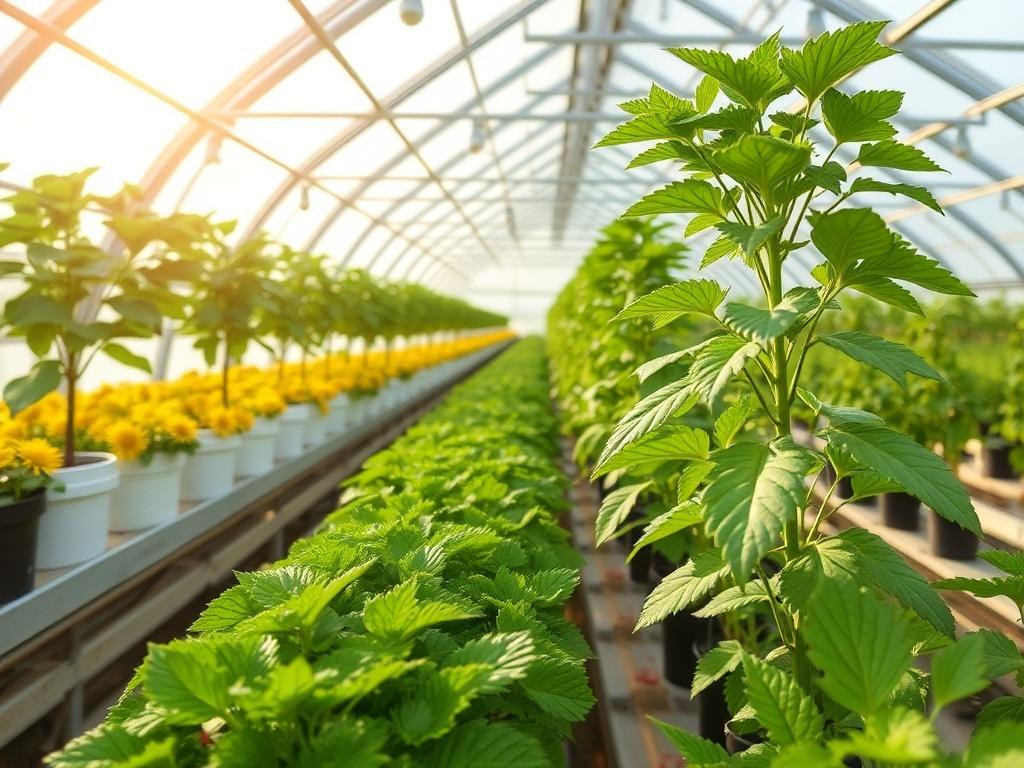
Choosing crops that thrive under the specific conditions you can maintain is critical to success. Some crops tolerate cool nights or short days, while others demand steady warmth and long photoperiods. Matching crops to seasons, and staggering plantings, creates continuous production without overextending systems.
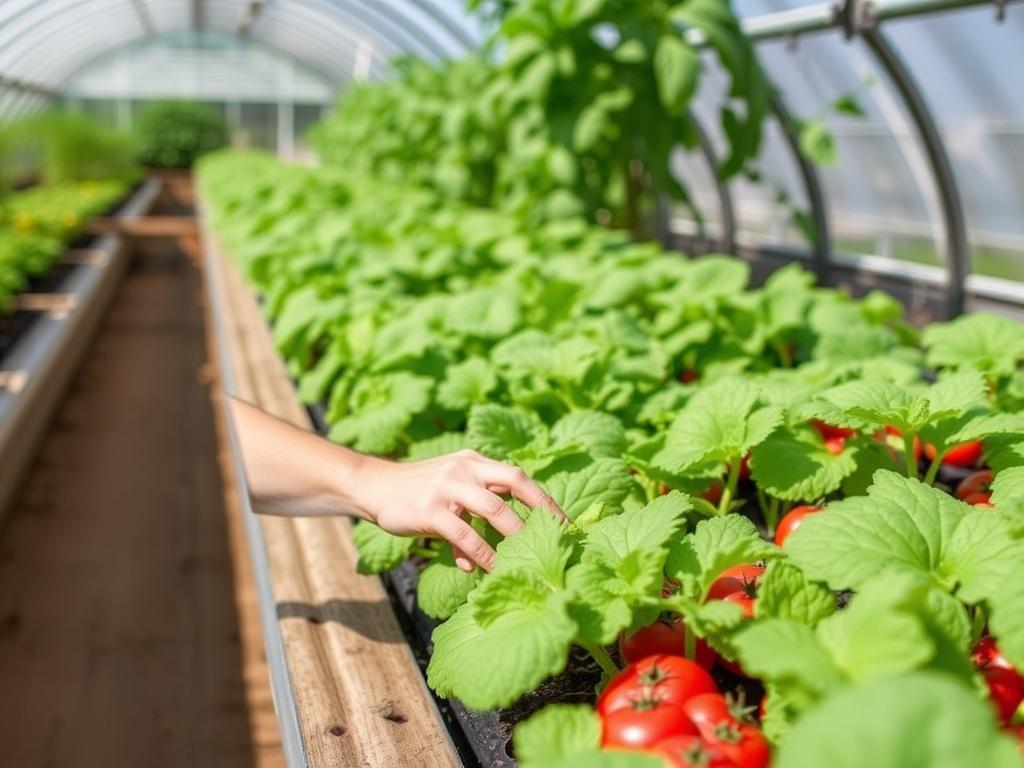
Leafy greens, brassicas, and root crops often perform well in cool-season conditions and are ideal for extending production into fall and spring. Warm-season crops like tomatoes and peppers require additional heat and light investment but can be grown into shoulder months when supported by efficient heating and supplemental lighting.
Sample seasonal crop schedule
Using staggered sowing dates and alternating crops in beds reduces peak labor and spreads harvest. For example, start batches of lettuce every two weeks in late summer to maintain a continuous supply through fall. Rotate brassicas into beds vacated by summer crops to keep soil health and pest cycles in check.
Below is a short sample schedule showing crop types suitable for different parts of an extended season. Adjust timing based on your local climate and greenhouse capabilities.
Season
Good crops
Notes
Late summer to early fall
Leafy greens, basil, peppers
Use shade and ventilation for heat spikes; begin succession sowing
Fall to early winter
Spinach, kale, swiss chard, cold-tolerant herbs
Focus on insulation and low-light growth strategies
Late winter to spring
Seedlings, microgreens, early tomatoes under protection
Supplemental light speeds seedling production
Environmental monitoring and automation
Accurate, continuous monitoring of temperature, humidity, light, and soil moisture is a multiplier for good decisions. Manual checks are useful, but automation with alarms and data logging helps you respond quickly and see patterns that inform long-term changes. Small investments in sensors pay back in reduced crop loss and more efficient energy use.
Modern controllers can sequence heating, ventilation, and irrigation to maintain target ranges autonomously. Tie in remote alerts to your phone so you can react to failures outside normal hours — a heater that fails on a cold night can ruin weeks of work if unnoticed. Reliable automation reduces labor and provides consistency that plants prefer.
Choosing the right sensors and controllers
Start with a minimum set: air temperature, relative humidity, and soil moisture for each major crop zone. Light sensors that measure PAR are helpful if you plan to manage supplemental lighting precisely. For larger or commercial greenhouses, add CO2 monitors, leaf wetness sensors, and multiple soil moisture probes.
Open-source and commercial control systems range from simple thermostats to fully integrated greenhouse management platforms. Buy what you will actually use: many growers find a straightforward controller with logging, alarms, and remote access delivers the best value without unnecessary complexity.
Soil management and bed preparation for continuous production
Extending the season often means keeping beds productive longer through cover crops, amendments, and rotation. Maintaining soil structure and fertility prevents the slump that can come from continuous greenhouse production. Regularly top-dress with compost, monitor pH, and replace substrate in containers as needed.
In raised beds or ground-based greenhouses, plan for rest periods and green manures where possible. Fast-growing cover crops like buckwheat or clover grown in interim periods can suppress weeds, build organic matter, and support beneficial organisms when managed appropriately.
Sanitation and substrate management
Replace or pasteurize growing media if you detect persistent disease or salt accumulation. Many soilless mixes are amenable to sterilization with steam between crops. Keeping media in good condition reduces transplant shock and supports steady root growth across seasons.
Sanitation also includes tools, pots, and bench surfaces. Implement a routine for washing trays and disinfecting pruning tools to limit disease spread during long production cycles.
Labor, workflow, and record keeping
Extending the season shifts labor from short, intense summer peaks to a steadier workload across more months. Design workflows and benches to optimize repetitive tasks like seeding, transplanting, and harvest so one person can manage more area efficiently. Ergonomics matter when you are working across more seasons.
Keep meticulous records of plant varieties, planting dates, fertilization schedules, energy use, and pest interventions. These records allow you to iterate and improve season-to-season, identifying which combinations of practices produced the best yields for the least cost.
Seasonal budgeting and economic choices
A simple budget that compares expected revenue against additional energy, labor, and input costs helps decide whether a crop justifies the extended season. High-value crops and specialty markets often cover the added costs, while commodity crops may not. Track energy prices and be ready to alter crop plans if fuel costs spike.
Consider value-added opportunities like microgreens, potted herbs, or CSA shares that fetch higher prices per square foot and suit controlled-environment production well. Diversifying product lines reduces reliance on a single crop and spreads financial risk across the extended season.
Practical examples from real greenhouse work
In my own experience running a 1,200-square-foot greenhouse in the Northeast, we extended production into late fall primarily by improving insulation and using movable thermal curtains. The upfront cost for curtains and improved sealing paid back in two seasons through reduced propane use and fewer crop losses to cold snaps.
We also shifted toward high-turnover crops like baby greens and micro-herbs in shoulder seasons. These crops used supplemental LED lighting effectively and required minimal heating, while generating steady cash flow during months when full-sized vegetables would have been inefficient to grow.
Case study: winter spinach production
A small commercial grower I worked with used double-layer polycarbonate and a compact hydronic system to produce spinach through winter. By focusing on root-zone heating and ventilation balancing, the operation maintained consistent harvests while keeping fuel costs manageable. The key was precise monitoring of both soil temperature and humidity to avoid bolting and disease.
They also staggered plantings every 10–14 days and used a lightweight frost cloth for the coldest nights. This combination of strategies smoothed harvest volumes and reduced the financial risk that a single freeze would ruin the whole crop.
Common mistakes and how to avoid them
One frequent error is over-investing in heating without addressing insulation and air sealing. A powerful heater cannot compensate economically for leaky glazing or gaps in framing. Start by tightening the envelope, then size heating equipment for the reduced load.
Another mistake is neglecting humidity management while focusing solely on temperature. High humidity encourages pathogens and reduces crop quality; low humidity can stress some warm-season crops. Plan for both humidity control and airflow to protect plant health during extended production.
Avoiding one-size-fits-all solutions
Each greenhouse and climate is unique. What works in arid Colorado won’t match the practices needed in humid Georgia. Use local weather data and a short trial period when testing a new system or crop. Small-scale pilot runs reveal interactions among heating, humidity, and light that aren’t apparent on paper.
Lean on local extension services and fellow growers for region-specific advice. Practical recommendations informed by local experience save time and help you avoid costly missteps in infrastructure and crop selection.
Sustainability and energy strategies for longer seasons
Extending seasons sustainably aligns conservation with profitability. Solar thermal collectors, waste-heat recovery from nearby operations, and cogeneration systems all offer ways to reduce fossil fuel dependence. Even modest efficiency measures — LED upgrades, better insulation, and heat curtains — reduce carbon footprint while cutting costs.
Consider integrating renewable energy where feasible. Solar PV combined with battery storage can offset lighting or fan loads, while solar hot-water panels can supplement hydronic heating. Evaluate payback periods carefully, but don’t underestimate the value of long-term stability and protection against volatile fuel prices.
Designing with resilience in mind
Resilience means planning for outages, extreme weather, and market variability. Backup generators, redundant sensors, and emergency heat plans protect crops during unexpected events. Build contingency into your calendar by staggering crop maturities and maintaining a buffer stock of transplants where possible.
Community collaboration — sharing resources with nearby growers during crises — can also increase resilience. In my region, a cooperative approach to bulk propane purchase and shared emergency generators reduced individual risk and strengthened seasonal production overall.
Tools and resources to continue learning
Extension services, university horticulture departments, and grower associations offer regionally relevant guides, workshops, and troubleshooting help. Online forums and local grower groups provide practical tips, variety trials, and secondhand equipment that can speed learning and reduce startup costs.
Invest in a few reference books focused on controlled-environment agriculture and greenhouse operations, and subscribe to a couple of reputable newsletters. Knowledge compounds over seasons; small investments in education often prevent much larger mistakes later.
Extending your greenhouse season is a series of adjustments rather than a single fix. Start with structure and insulation, add sensible heat and light, automate monitoring where it matters, and choose crops that match the conditions you can reliably provide. With incremental improvements and careful records, most growers can add productive months to their calendar and improve both yield and profitability.