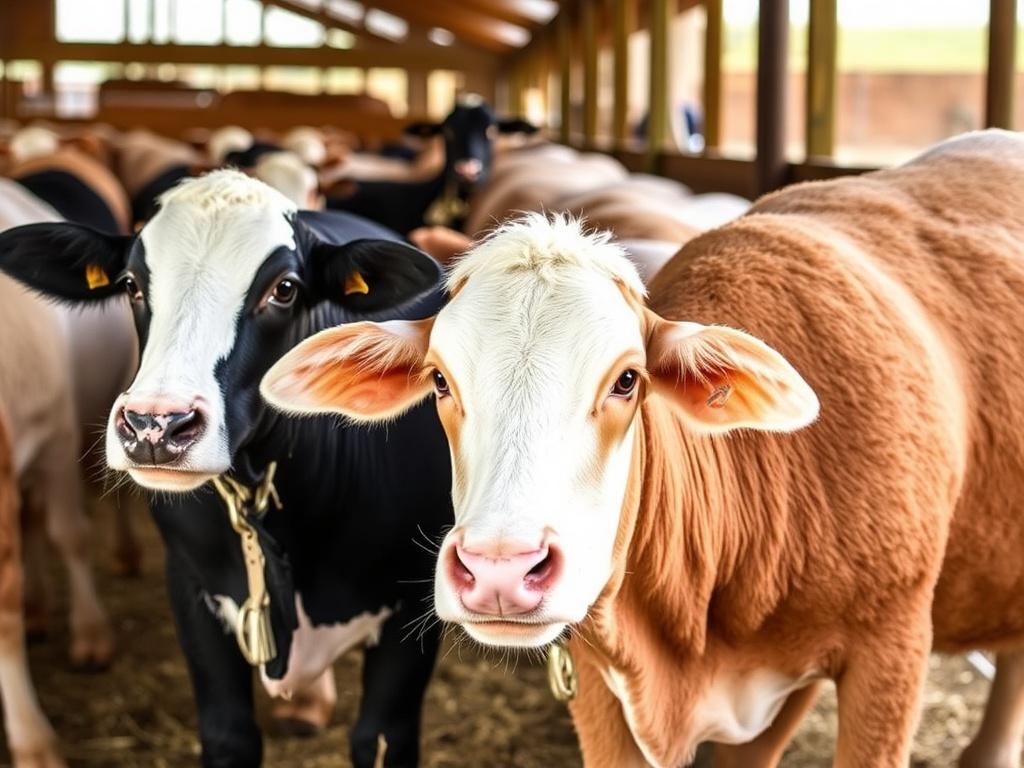
Good animal care is not a luxury—it’s the backbone of resilient, productive farms. This article walks through the practical, evidence-based steps livestock farmers can take to improve health, behavior, and productivity while meeting ethical and market expectations. Expect actionable strategies you can adapt whether you run a small mixed farm or manage several hundred head.
Содержание
Why welfare matters beyond compassion
Livestock welfare affects more than an animal’s day-to-day comfort; it shapes production, food safety, and community trust. Animals that are healthy and calm convert feed more efficiently, suffer fewer losses, and require less emergency veterinary care, which directly influences your bottom line.
Regulatory pressure and consumer preferences are shifting toward higher welfare standards, and market access increasingly depends on verifiable practices. Investments in welfare today can reduce risk, open premium channels, and build a reputation that withstands scrutiny.
Finally, welfare improvements reduce labor intensity in the long run. Systems designed around natural behaviors and comfort are easier to manage and safer for workers, producing a quieter, more predictable daily routine on the farm.
Core principles of livestock welfare
Good welfare rests on a few fundamental principles: proper nutrition, suitable environment, health care, appropriate behavior opportunities, and humane handling. These principles are universal across species, though how they are applied will differ for dairy cows, pigs, poultry, or small ruminants.
Assess welfare with both resource-based measures (space, bedding, feed access) and animal-based outcomes (injury, behavior, growth). The resource measures tell you what you provide; animal-based outcomes tell you whether those provisions are effective.
Use the Five Freedoms as a practical checklist: freedom from hunger/thirst, discomfort, pain/injury/disease, fear/distress, and freedom to express normal behavior. Thinking in these terms helps prioritize changes that yield the biggest benefits.
Designing appropriate housing and environment
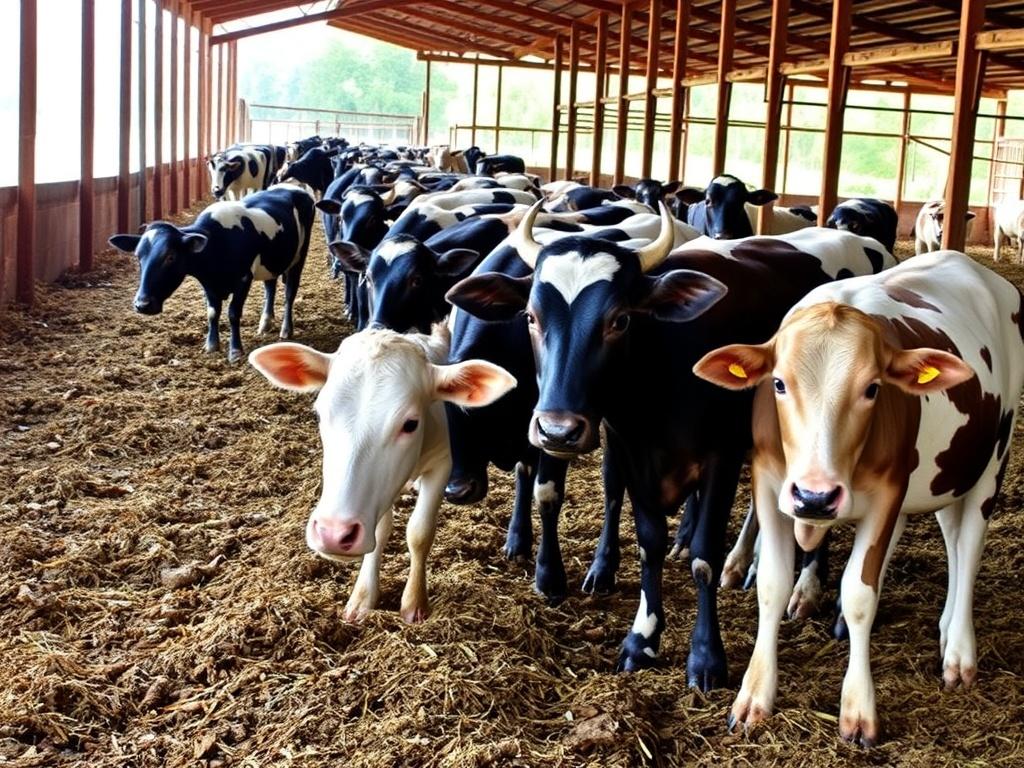
Housing shapes daily life: ventilation, temperature, space, and flooring directly influence comfort and disease pressure. Aim for designs that maintain air quality, control moisture, and minimize heat stress in warm climates and cold drafts in cooler regions.
Stocking density matters. Overcrowding raises aggression, increases pathogen spread, and reduces feeding opportunities. Use space guidelines specific to species and weight classes, and be prepared to adjust during seasonal or management-driven fluctuations.
Bedding and flooring should match the animal and the local climate. Comfortable, dry bedding reduces lameness and mastitis in dairy cattle and improves weight gain in young stock. Where bedding is scarce, consider rubber matting or slatted floors with careful hygiene regimes.
Feeding strategies for health and welfare
Nutrition underpins immune function, reproduction, and growth. A balanced ration tailored to life stage and production goals is the starting point; testing forage, using correct concentrates, and accounting for water availability are essential daily practices.
Feeding systems must promote fair access. Work out competition issues by providing enough feeding space per animal, using multiple troughs or pens for subordinate animals, and timing feed delivery to avoid crowding and stress.
Monitor body condition regularly. Visual scoring and occasional weight checks help you catch under- or over-conditioned animals before problems escalate. Adjust feed accordingly to support breeding, milk production, or finishing targets.
Water: the overlooked nutrient
Water is the single most critical nutrient for all livestock, yet it’s often taken for granted. Ensure clean, reliable access in all weather conditions and account for increased demand during lactation, hot spells, and high feed intake.
Regularly inspect drinkers and troughs for contamination, leaks, and icing in winter. A simple daily check can prevent dehydration-related productivity drops and reduce the risk of waterborne disease transmission.
Health monitoring and preventive medicine
Prevention beats treatment. A herd health plan developed with your veterinarian should set vaccination schedules, parasite control, and maternity management tailored to your farm’s risks and goals. Review it annually and after any disease event.
Early detection saves lives and money. Train staff to spot subtle changes—dullness, lowered feed intake, altered gait—and to record these observations. Small, consistent monitoring practices catch problems before they spread.
Biosecurity is not an add-on; it’s a daily practice. Control movement of people, vehicles, and animals; quarantine newcomers; and maintain cleaning and disinfection procedures for equipment and visitor pathways to limit pathogen introduction.
Antimicrobials and responsible use
Antibiotics and other critical medicines must be used responsibly to preserve efficacy and comply with regulations. Follow veterinary guidance, use diagnostics when possible, and prioritize husbandry changes that reduce disease pressure and thus medication need.
Keep detailed treatment records—drug, dose, animal ID, withdrawal times—and review patterns to identify recurring problems. Overreliance on medications often signals an underlying management issue that needs correcting.
Low-stress handling and behavioral considerations
Animals respond strongly to handling techniques. Calm, predictable movements reduce fear and injury. Design facilities with good sightlines, non-slip flooring, and solid-sided raceways to prevent distractions that cause balking and panic.
Train handlers in animal behavior basics: livestock read body language, and small cues can trigger large reactions. Slow movements, quiet voices, and consistent routines foster trust and safer interactions.
Allow animals to express normal behaviors. Sow stalls, excessive tethers, or barren environments generate stress and abnormal behavior that signal welfare compromise. Enrichment—straw, manipulable objects, or perches—can significantly reduce boredom and aggression.
Breeding, genetics, and selection for welfare
Genetics influence resilience. Select lines with lower incidence of lameness, better maternal instincts, or improved feed efficiency to reduce welfare issues without compromising productivity. Avoid traits that compromise health for minor performance gains.
Balance selection goals: extreme production often comes with trade-offs like metabolic disease or poor fertility. Include welfare outcomes in breeding indices—mortality, culling rates, and robustness metrics keep selection humane and sustainable.
When introducing new genetics, monitor performance and health across the herd. What works in one system may not fit another; adaptability matters as much as peak performance when the goal is long-term welfare.
Handling breeding and birthing events
Periparturient periods are high risk. Attend farrowing, lambing, and calving areas with appropriate hygiene, lighting, and quick access to help if complications arise. Calm, prompt intervention reduces losses and long-term problems for dams and offspring alike.
Keep birthing areas comfortable and private to reduce stress-related complications. Provide clean bedding, separate sick or weak neonates, and ensure colostrum is available—colostrum management is a decisive factor for neonatal survival and immunity.
Document births, dystocia, and interventions. Patterns in birthing problems often point to management or genetic issues that can be addressed proactively with the herd’s veterinarian.
Transport, markets, and pre-slaughter management
Transport is a major stressor; planning minimizes risk. Move animals during cooler parts of the day in hot climates, avoid long fasting periods, and use well-ventilated, appropriately sized vehicles to reduce injury and dehydration.
Handle loading and unloading with the same low-stress techniques used on the farm. Experienced handlers, well-designed ramps, and brief waits before selling give animals time to recover and preserve condition for market value.
Coordinate with transporters and markets to reduce wait times and rough handling. Establish clear expectations in contracts and consider welfare audits or third-party certification if market demands require it.
Humane euthanasia and end-of-life care
When an animal cannot be treated humanely, prompt euthanasia prevents prolonged suffering. Use methods approved by veterinary authorities, and ensure staff are trained, competent, and prepared emotionally and logistically to act when necessary.
Develop an end-of-life protocol that includes decision criteria, approved methods, equipment maintenance, and carcass disposal plans. Having decisions and tools in place avoids delay and emotional uncertainty at critical moments.
Aftercare matters. Recordkeeping and debriefs help teams learn and refine protocols, and a well-managed end-of-life process maintains public and staff confidence in your farm’s ethics.
Staff training, safety, and culture
Welfare improvements fail without staff buy-in. Invest in regular training that covers animal behavior, low-stress handling, early disease recognition, and humane interventions. Practical hands-on sessions are most effective.
Create a culture that rewards careful observation and early reporting rather than speed and shortcuts. When staff see management respond constructively to welfare reports, engagement improves and problems are caught sooner.
Worker safety and animal welfare go hand in hand. Safer, calmer animals reduce injury risk for handlers, and good ergonomics alongside predictable routines reduce burnout and turnover among farm staff.
Recordkeeping, audits, and traceability
Accurate records are the evidence of good management. Keep logs of feed, treatments, births, deaths, and movements; these data are invaluable for troubleshooting, audits, and meeting market or regulatory requirements.
Periodic internal audits help you spot weak points before an external review. Use simple checklists to assess housing, handling, and health protocols and assign responsibility for corrective actions and timelines.
Traceability is increasingly demanded by buyers and regulators. Implement clear tagging, batch records, and movement logs so you can respond quickly to food safety, disease, or welfare inquiries.
Simple welfare monitoring table
Indicator
What to measure
Frequency
Body condition
Score key groups (breeders, lactating, market prep)
Monthly
Lameness
Visual gait scoring and hoof checks
Weekly for high-risk groups
Mortality & morbidity
Record causes and rates by group
Ongoing, review monthly
Feed/water availability
Inspection of troughs, supply systems
Daily
Enrichment and environmental complexity
Enrichment reduces harmful behaviors like tail biting or stereotypies. For pigs, chewable materials such as straw or wood; for poultry, perches and dust-bathing areas; for cattle, brush stations can make a measurable difference.
Enrichment doesn’t have to be costly—simple solutions tailored to species needs work best. Rotate items, monitor use, and adjust based on what animals actually interact with to maintain novelty and benefit.
When enrichment is incorporated into system design rather than added as an afterthought, it becomes part of daily management, improving welfare and making animals easier to handle and observe.
Economics of welfare: balancing costs and returns
Welfare investments can require upfront cost, but many deliver returns via reduced disease, lower mortality, improved growth, and access to premium markets. Run basic cost-benefit analyses on major changes like ventilation upgrades or bedding systems.
Non-monetary benefits—reduced labor stress, fewer emergency vet calls, and reputation—are real and often influence long-term viability. Factor these into decisions alongside direct financial returns.
Where budgets are tight, prioritize changes with high impact and low cost such as staff training, routine maintenance, and improved recordkeeping. Small, consistent steps compound into meaningful welfare gains.
Marketing welfare: transparency and certification
Consumers and buyers increasingly look for verified welfare claims. Certification schemes can add value but require consistent documentation and adherence to standards. Understand program requirements before committing.
Transparency is a selling point. Share farm practices, photos, and data where appropriate to build trust with buyers and consumers. Honest storytelling about improvements and challenges resonates more than unverified claims.
Local markets and cooperative arrangements can reward welfare-conscious producers without the overhead of national labels. Explore partnerships with processors and retailers who prioritize animal welfare and are willing to compensate fairly.
Case studies and practical examples from the farm
On a midsize dairy I visited, a simple change in cow flow—creating a quiet lane between feedbunks and milking parlors—reduced slipping and improved milking speed. That adjustment was inexpensive but improved both safety and yield.
A hog operation I consulted introduced daily enrichment in the farrowing rooms and reorganized feeding times to lower competition. Aggression dropped noticeably and piglet mortality fell by a measurable margin over a single season.
These examples underline a point: practical, farm-specific solutions often outperform off-the-shelf prescriptions. Observing animals closely and testing pragmatic changes yields the best results.
Implementation roadmap: stepping from audit to action
Start with a quick welfare audit using your monitoring table to identify the most pressing issues. Rank problems by risk, cost to fix, and potential benefit, then set a realistic 12-month plan with milestones and responsible people.
Break larger projects into phases. For example, upgrade ventilation in one barn this year while improving bedding management farmwide. Phased approaches spread cost and allow learning between steps.
Communicate plans with staff and stakeholders regularly. Transparency in goals and progress builds accountability and keeps momentum as improvements begin to show results.
Checklist for the first 90 days
Conduct a full walk-through and record immediate hazards or welfare concerns.
Meet with staff to collect observations—those on the ground have invaluable insights.
Establish daily checks for water, feed, and bedding, and assign responsibilities.
Create a simple treatment log and ensure all medicines are labeled and stored properly.
Plan one practical training session on low-stress handling and emergency responses.
Monitoring progress and continuous improvement
Set measurable targets—reduced lameness rate, lower mortality, improved body condition—and review them quarterly. Use records to spot trends and adjust management before problems worsen.
Encourage a feedback loop. Staff should be empowered to suggest changes and report near-misses. Recognize improvements publicly to reinforce behaviors that support welfare goals.
Stay abreast of evolving science and regulations. Welfare science advances, and what was best practice five years ago may be superseded by better methods; adapt as new evidence warrants.
Handling public scrutiny and community relations
Farms are part of their communities. Proactively sharing your welfare commitments and improvements reduces suspicion and can turn neighbors into allies. Host farm days or invite local buyers to see practices firsthand when biosecurity allows.
Prepare clear, honest responses for common concerns. If an incident occurs, timely transparency, corrective action, and documented learning go a long way toward maintaining trust.
Good relationships with the local veterinary practice, extension services, and commodity groups provide support when challenges arise and help you stay informed about best practices and funding opportunities.
Tools and technologies that support welfare
Modern technologies like automatic feeders, climate control sensors, and activity monitors help detect problems early and maintain consistent environments. Use them where they make sense for your scale and species.
Simple tech—water level alarms, motion-activated cameras for remote observation, or smartphone-recorded logs—can be cost-effective ways to improve oversight without major capital outlay.
Data is useful only when acted upon. Set alerts and routines so technology prompts practical responses instead of generating unused reports that add workload.
Policy, standards, and keeping ahead of regulation
Regulatory landscapes change, and proactive farms have an advantage. Understand local and national welfare laws, and where possible, aim above the minimum standards to avoid rushed, costly compliance later.
Engage in industry groups and standards discussions. Farmers who help shape practical standards ensure regulations are meaningful and implementable in real-world conditions.
Documentation and continuous improvement not only satisfy regulators; they protect you in the event of disputes and help demonstrate the legitimacy of your practices to customers and the public.
Final practical tips to get started tomorrow
Walk your pens at feeding time and observe which animals are missing feed or water—then act. Small, immediate fixes to competition points and damaged drinkers pay quick dividends in welfare and productivity.
Set a monthly meeting with staff to review records and discuss one welfare improvement. Making welfare part of routine management gradually embeds it into the farm’s DNA without overwhelming resources.
Finally, accept that improvement is incremental. Track changes, celebrate wins, and pivot from what doesn’t work. Over time, those steady efforts build a healthier herd, a safer workplace, and a farm legacy grounded in respect for the animals that sustain it.