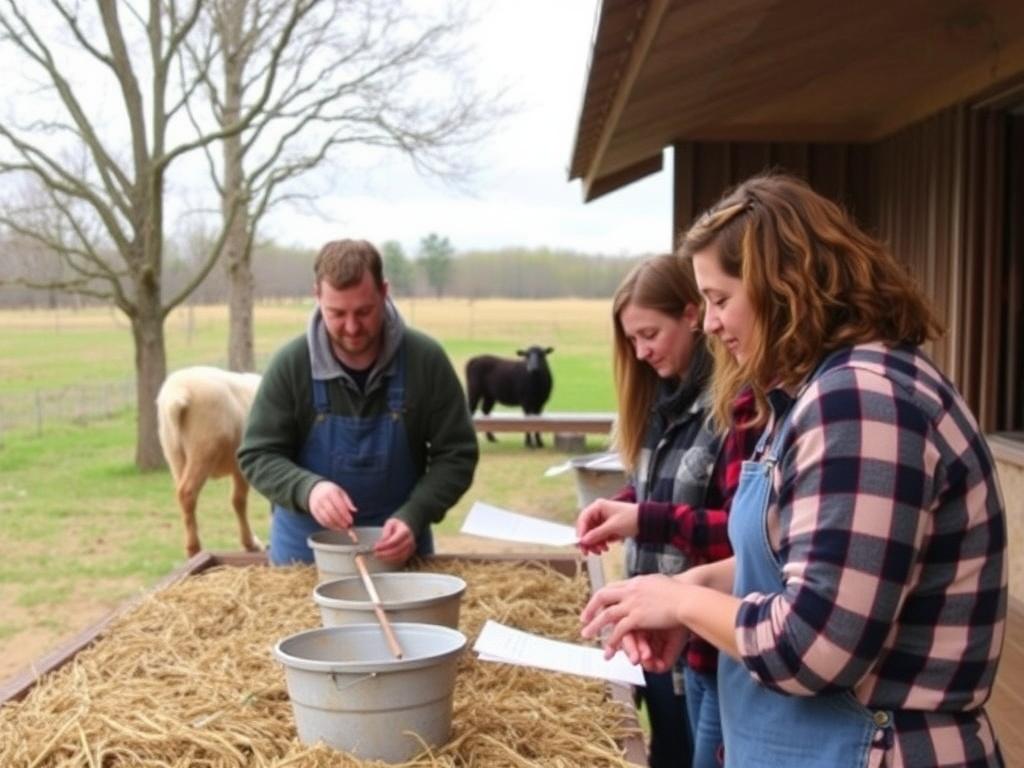
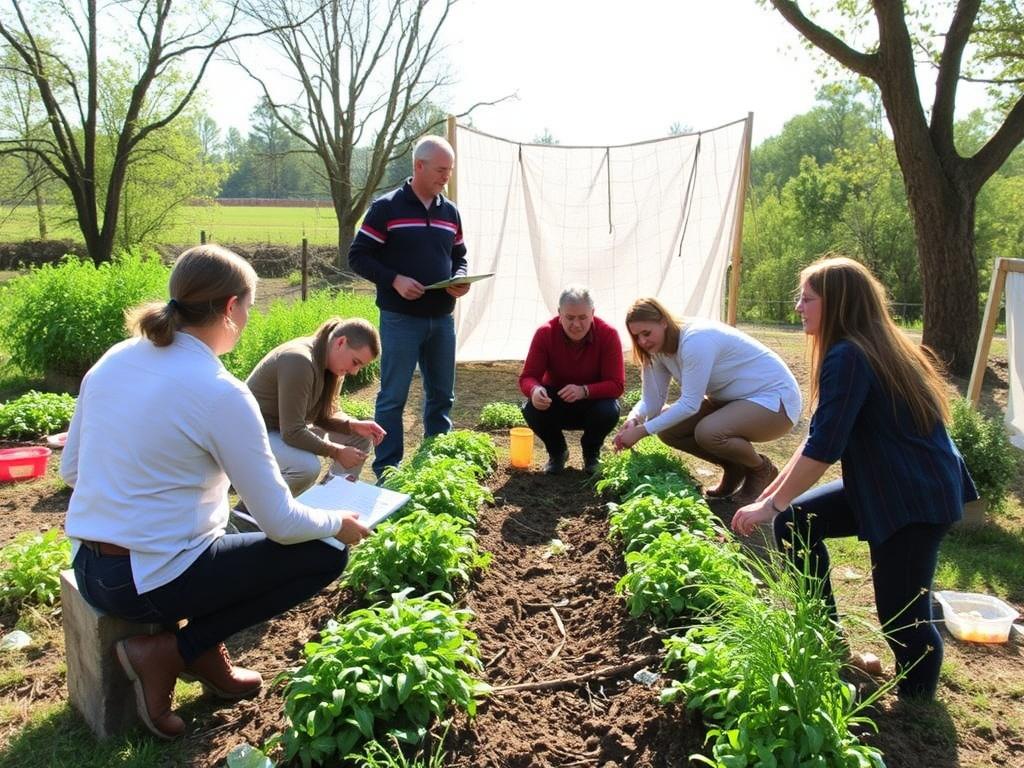
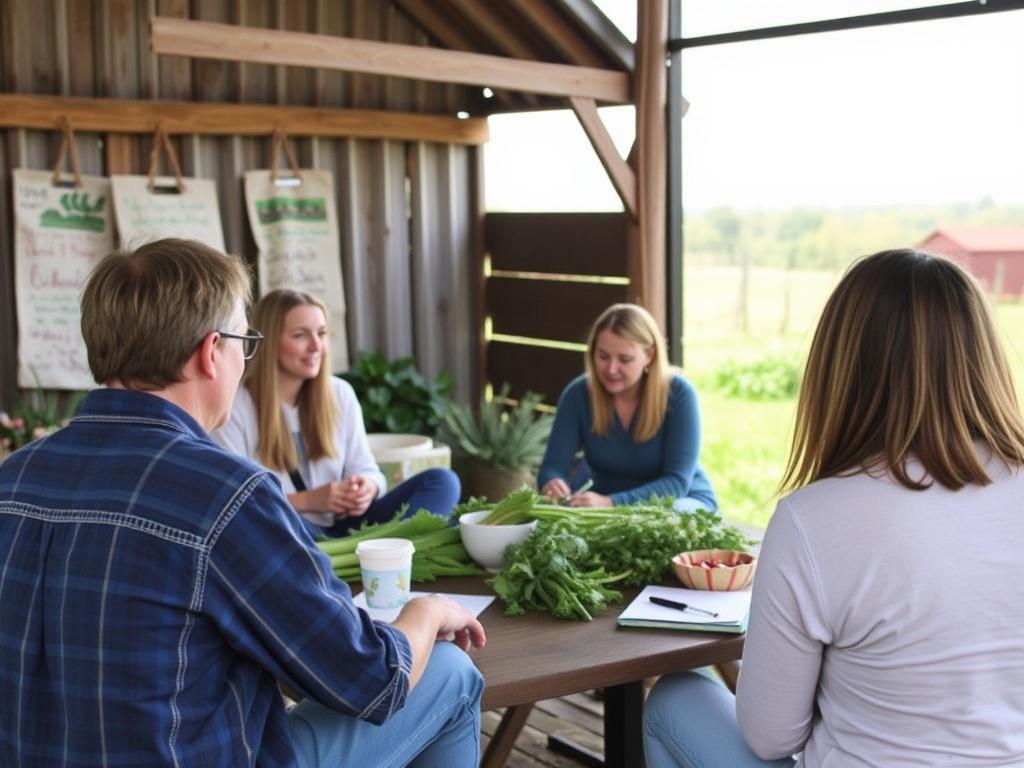
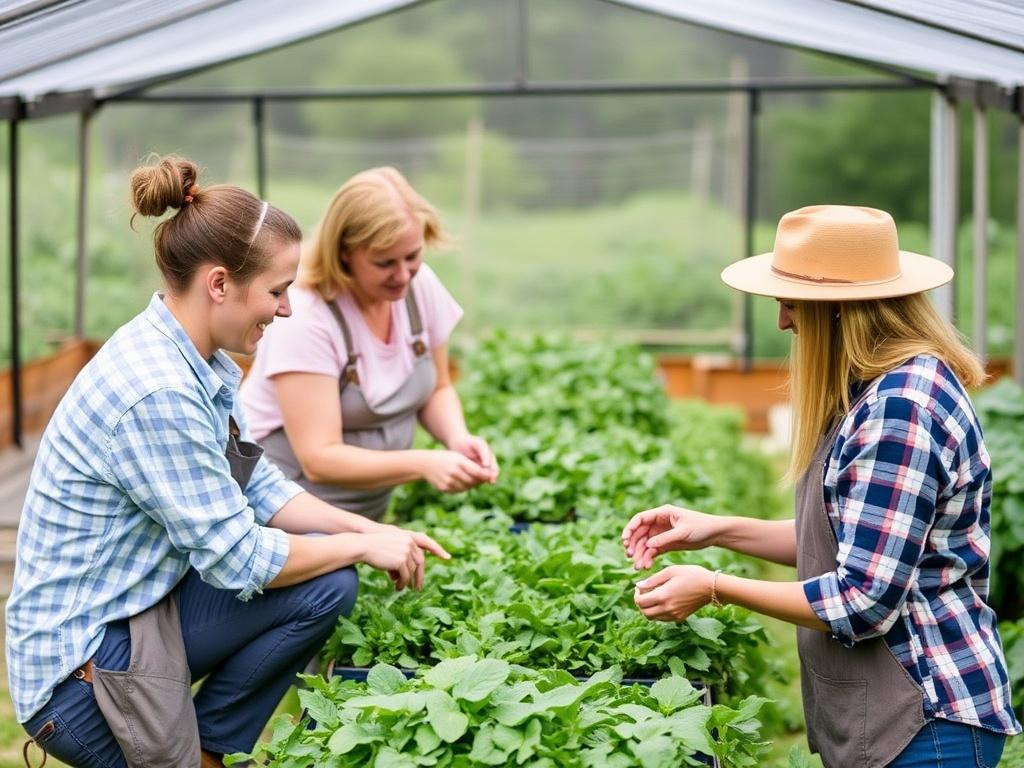
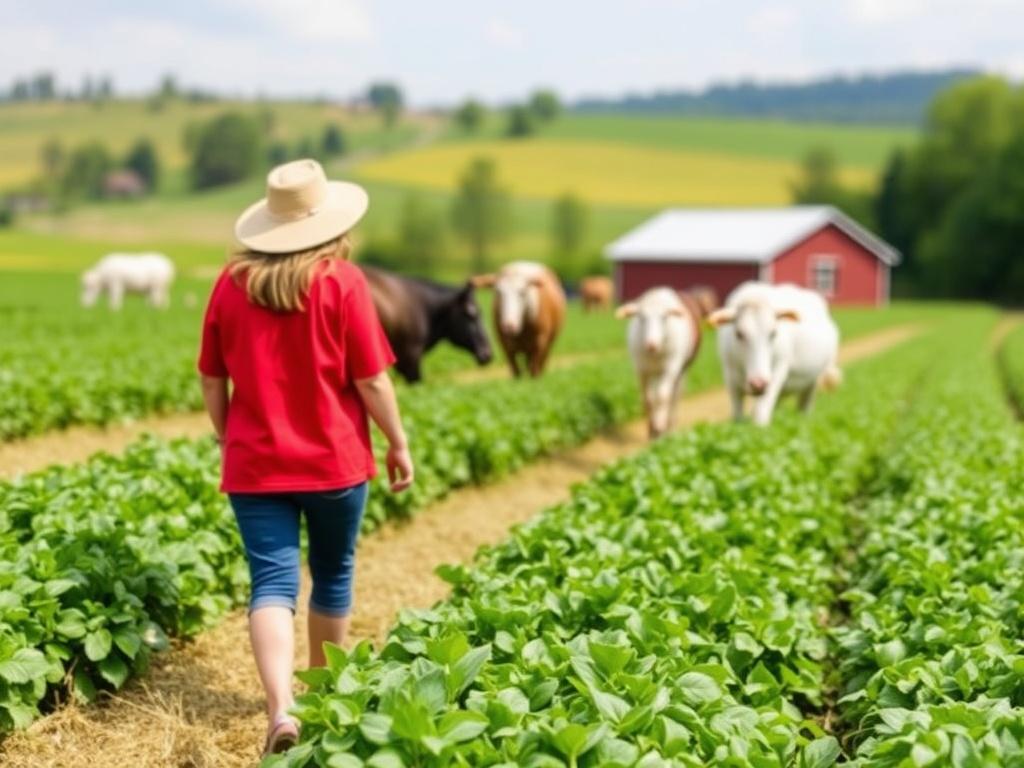
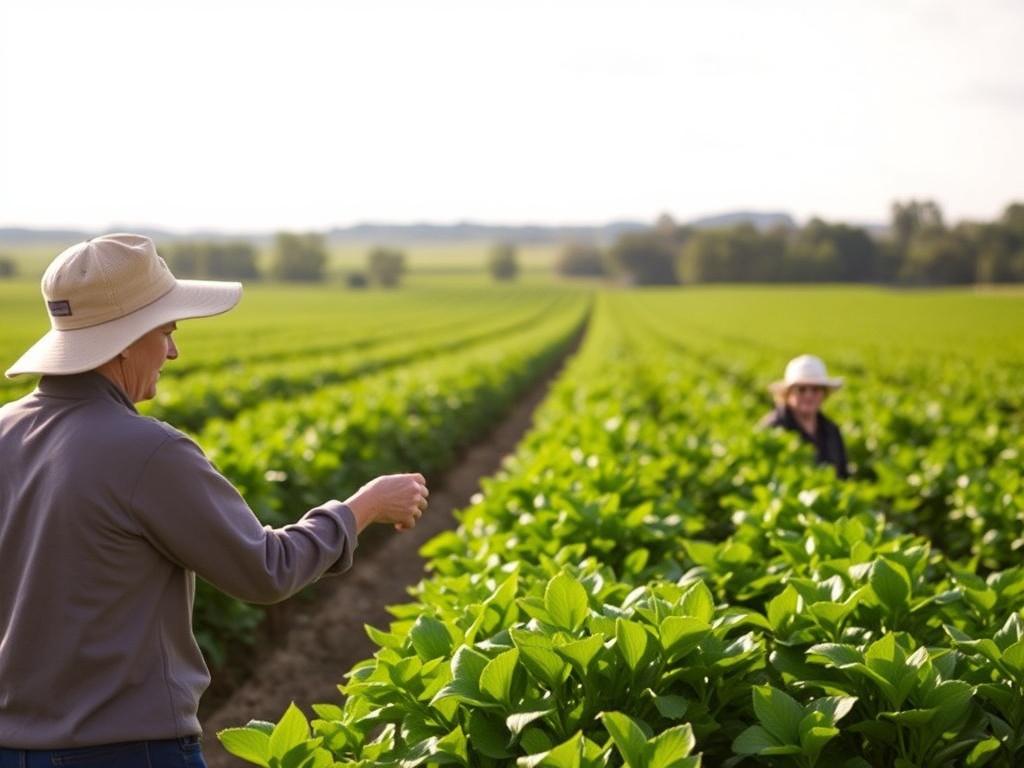
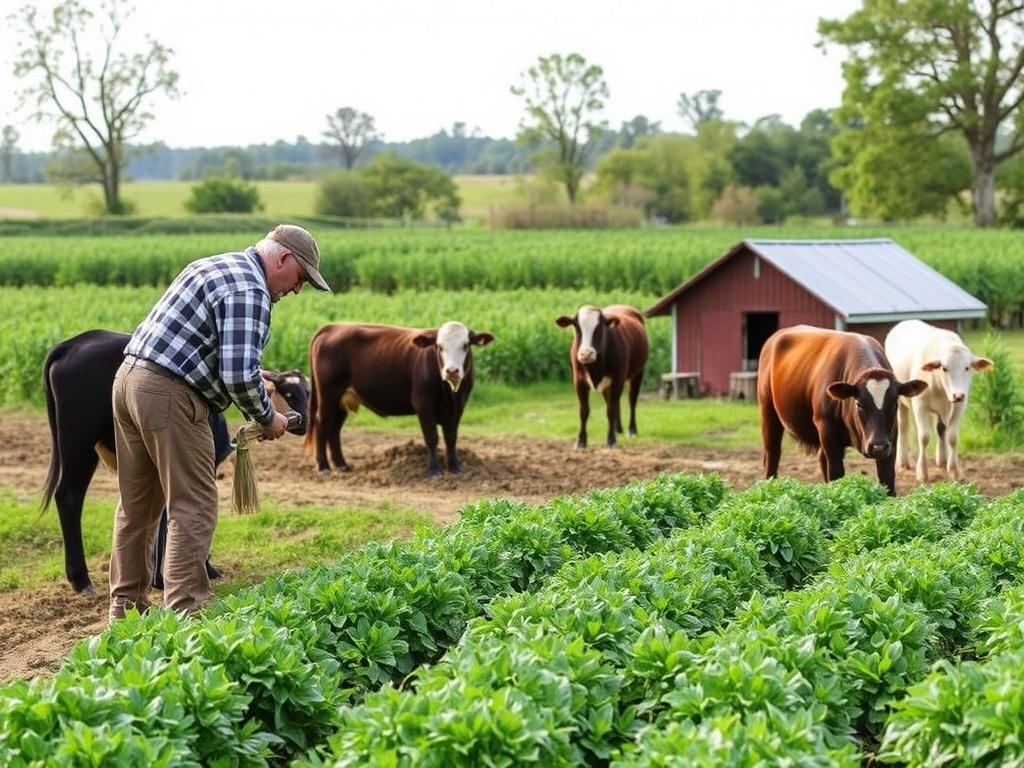
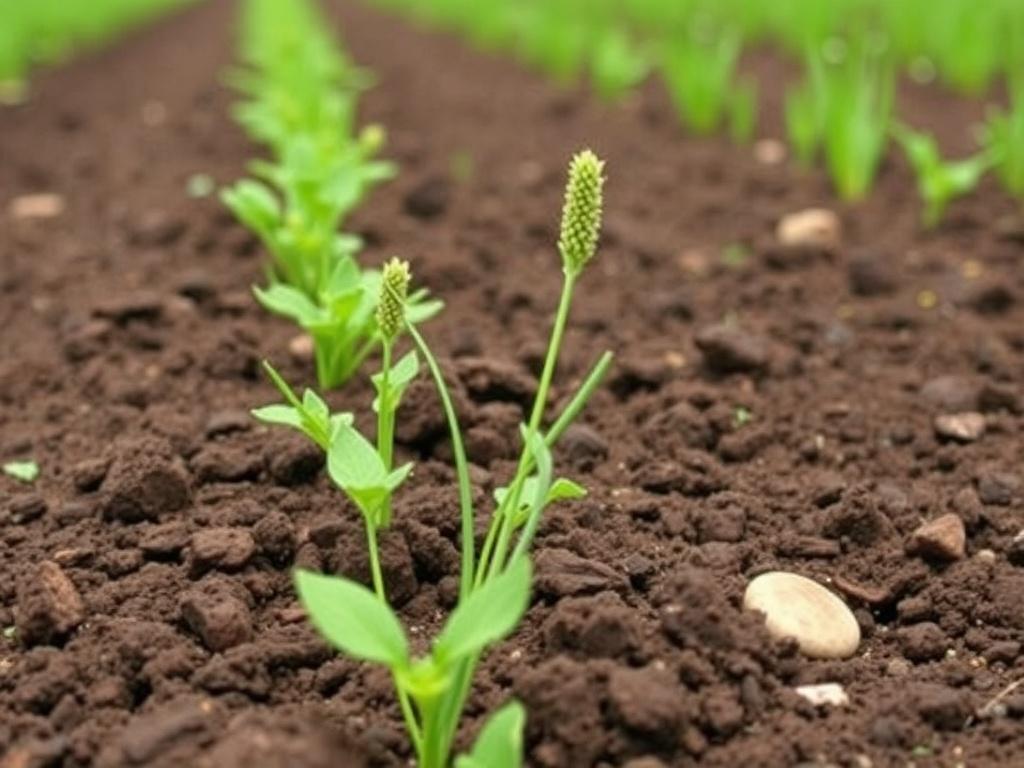
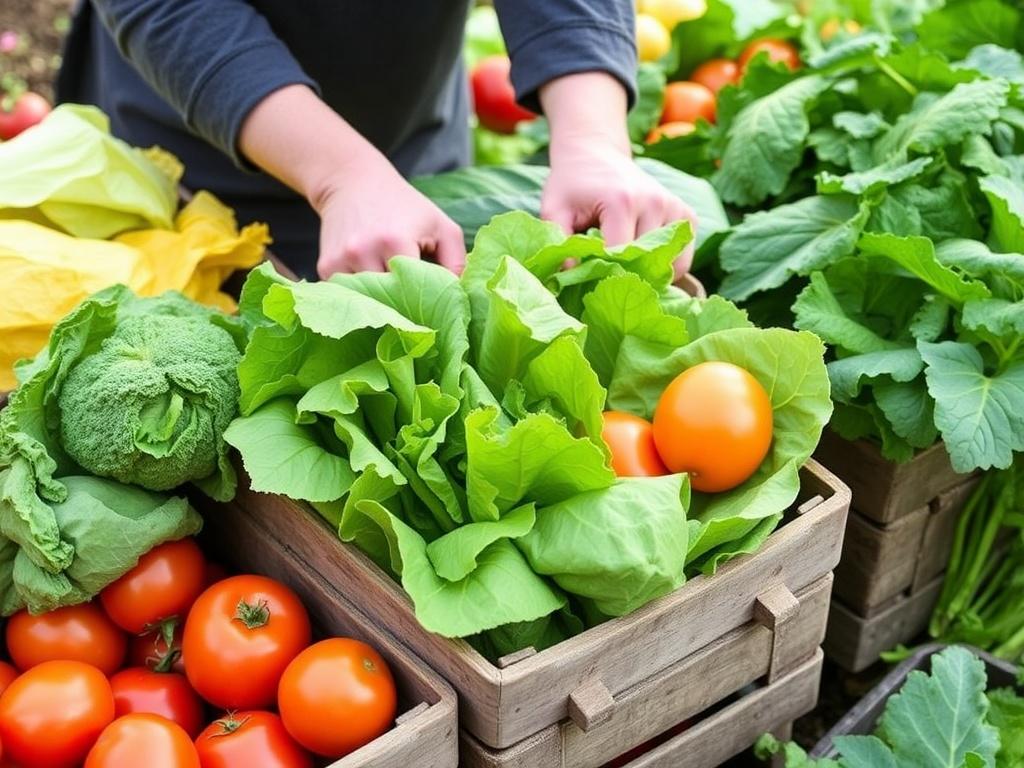
Turning a working farm into a classroom is part art, part logistics and all heart. You can teach seed-to-harvest techniques in a sunlit field, show urban visitors how chickens fit into a healthy homestead, or guide a classroom of teens through soil tests and worm bins. Whether you want to generate supplemental income, strengthen community ties, or simply share hard-won skills, workshops let the landscape itself be the lesson.
Содержание
Why invite learners onto your land?
Hosting workshops connects the public to the realities of agriculture in a way videos and blog posts cannot. People arrive with curiosity and leave with soil on their hands and a tangible memory—education becomes experiential rather than abstract. That transformation builds advocates for local food systems, increases direct sales, and deepens trust between consumers and producers.
Workshops also diversify income and soften seasonal cashflow swings. A well-run series of weekend classes can cover a significant portion of operating costs while requiring less infrastructure than adding livestock or new crops. Beyond money, teaching clarifies the farm’s story: when you explain practices to others, you refine why you do what you do.
Finally, workshops strengthen community networks. Schools need field trips, nonprofits seek partners, and neighbors often want to learn sustainable practices. When your farm becomes a place people come to learn, it occupies a new role in the local landscape: part market, part school, part public commons.
Start with clear goals and a defined audience
Before you put a date on the calendar, decide what success looks like. Are you aiming to recruit customers, train volunteers, or offer accredited instruction for new farmers? A class focused on backyard gardeners will look very different from a technical workshop for aspiring commercial growers. Clear goals shape curriculum, marketing, and pricing.
Define your audience by age, skill level, and motivation. Families with children, adult hobbyists, school groups, and early-career farmers each require different pacing, hands-on time, and safety measures. Targeting a specific audience helps you craft messaging that resonates and reduces the friction of mixed-ability groups.
Set measurable learning outcomes. Instead of «teach composting,» write «participants will be able to build and turn a hot compost pile and troubleshoot temperature problems.» Clear outcomes let you design activities that demonstrate achievement and let attendees leave feeling competent.
Designing curriculum that fits the field
Good farm instruction is modular and flexible. Break content into discrete units—demonstration, hands-on practice, reflection, and Q&A—so you can adjust according to weather, group size, or unexpected distractions like curious animals. Each module should serve a learning outcome and fit into an overall timeline.
Balance demonstration with doing. People retain information far better when they perform tasks themselves. If a workshop is about pruning, show the technique, then pair participants and have them practice on sacrificial branches. Circulate, correct posture and grip, and offer immediate feedback before moving on.
Include low-prep, high-value activities when possible. Soil tests, seed planting, garlic-clove planting, or simple pest scouting are inexpensive, require minimal space, and give hands-on satisfaction. Reserve intensive or expensive demonstrations—like grafting or large-animal handling—for smaller groups or premium offerings where you can charge more.
Sample learning flow for a half-day workshop
Here is a flexible framework you can adapt to many topics. Start with a welcome and orientation to set expectations, move into a demonstration, provide hands-on practice with instructor coaching, and close with a debrief and resources. This structure supports active learning while allowing time to address individual questions.
Keep transitions deliberate. After a 20–30 minute demonstration, shift to paired or small-group practice to lower intimidation and increase engagement. End with a short synthesis where learners share what they did and what they’ll try next, reinforcing retention and creating momentum to apply skills at home.
Time the day to natural rhythms. Mid-morning energy is ideal for seedling potting; late afternoon suits harvesting or sensory activities. Being mindful of light and temperature keeps participants comfortable and helps you avoid trying to force a muddy or hot crowd into a long lecture.
Time
Activity
Purpose
9:00–9:20
Welcome, safety briefing, barn orientation
Set expectations, meet neighbors, review rules
9:20–10:00
Demonstration and Q&A
Show main skills, model tools and technique
10:00–11:00
Hands-on practice in small groups
Skill application with instructor coaching
11:00–11:30
Guided taste/observation (harvest, soil) and discussion
Connect sensory learning with concepts
11:30–12:00
Wrap-up, resources, feedback
Reinforce takeaways, collect evaluations
Practical logistics: space, facilities, and flow
Use the landscape to your advantage. Set demonstration stations near parking and restrooms, and locate hands-on areas within a short, accessible walk to one another. Avoid requiring attendees to cross active equipment zones or muddy fields to reach learning spaces.
Restrooms, handwashing stations, and shade are not optional. Attendee comfort affects learning. Portable toilets and handwashing units are reasonable investments, and providing water and shade increases the perceived value of the experience. If you sell refreshments, make sure there’s a hygienic prep area.
Consider flow and sightlines. Arrange demonstration areas so everyone can see without crowding the presenter. If small groups need to rotate among stations, mark paths and provide a clear schedule so rotations are smooth. Keep a backup plan for rain—tents, barns, or an indoor classroom help avoid last-minute cancellations.
Permits, insurance, and legal considerations
Check local zoning laws and agricultural exemptions before advertising classes. Some municipalities treat public gatherings differently than private farm activities, especially when food sales are involved. Contact your county planning office or cooperative extension to confirm what’s required in your area.
Liability insurance is essential. A basic farm liability policy that covers visitors and events is often affordable and protects you if someone is injured during a hands-on activity. Require waivers for higher-risk activities and keep them simple and clear so participants understand the hazards and your safety expectations.
Food safety matters if you serve or sell food. Follow local food safety regulations and consider certified food handlers for meal service. For workshops that include tasting, label allergens and avoid cross-contamination for participants with dietary restrictions.
Managing safety and accessibility
Every workshop should start with a safety briefing tailored to the day’s activities. Cover animal boundaries, tool use, vehicle traffic, poison plant identification, and emergency procedures. Make the briefing concise and practical so it actually gets heard and remembered.
Plan for first aid and emergency response. Keep a stocked first-aid kit accessible and train staff in basic first aid and CPR. Identify the nearest emergency services and have directions on hand. For longer events, consider a professional medic or an experienced volunteer positioned centrally.
Design with accessibility in mind. Create paths for wheelchairs, provide seating options, and communicate accessibility features in your listing to avoid surprises. Small accommodations—like offering large-print handouts or allowing service animals—make workshops welcoming to more people.
Materials, tools, and demonstration tips
Create a tool kit for participants and another for instructors. The participant kit should include safety gear such as gloves and eye protection, while the instructor kit contains extra tools, replacement parts, and backup supplies. Having duplicates reduces downtime and keeps momentum moving.
Label tools and materials clearly. Color-coding or tagging reduces confusion, especially with mixed groups or children. Use inexpensive laminated cue-cards to outline steps at each station so people can follow along even if the instructor is busy with another group.
Keep demonstrations deliberate and paced. Break actions into small steps and narrate why you make each choice. Demonstrating both common mistakes and correct technique speeds learning; people remember how not to do something as well as how to succeed.
Essential items checklist
First-aid kit and emergency contact list
Participant gloves, safety glasses, sun protection
Extra hand tools, sharpener, replacement parts
Signs, cones, and tape for marking safe zones
Portable seating, shade structures, and handwashing station
Printed handouts, resource lists, and evaluation forms
Pricing your workshops and tracking costs
Price transparently and with purpose. Consider your time, materials, permits, insurance, and the value of the experience when setting fees. Some hosts use tiered pricing—early-bird, standard, and premium—to capture different market segments and incentivize advance registration.
Account for hidden costs: staff time for setup and cleanup, marketing expenses, and the amortized cost of infrastructure like tents and signage. A simple spreadsheet that tracks these line items will help you calculate a break-even price and identify areas where you can trim expenses or justify higher fees.
Offer discounts strategically. Reduced prices for students, seniors, or neighborhood residents can build goodwill and fill seats on slower dates. Use promo codes or members-only pricing to reward repeat customers while keeping regular rates visible for new attendees.
Cost category
Typical items
Estimate per person (example)
Materials
Soil, seeds, gloves, handouts
$5–$15
Facilities
Portable toilets, tents, handwashing
$2–$10
Labor
Instructor prep and on-site staff
$20–$60
Marketing & admin
Ads, booking software, payment fees
$3–$10
Marketing strategies that actually fill seats
Marketing a farm workshop mixes storytelling with practical outreach. Show, don’t just tell: photos of participants digging in, tools in use, and smiling faces are persuasive. Use email newsletters and social media to build anticipation and showcase past classes rather than relying solely on a single event post.
Partner with local institutions—schools, environmental groups, and farmer networks—to tap into existing audiences. Offer a teacher preview or a discounted group rate for community organizations; the initial goodwill and word-of-mouth can fill multiple sessions.
Make registration effortless. Use simple booking software that accepts payments and sends automated reminders. People are far more likely to commit if the payment and cancellation policies are clear and they receive details like weather contingency plans and what to bring.
Channels and messaging checklist
Local Facebook groups and neighborhood pages — highlight community connection
Your farm newsletter — share stories and upcoming dates
Event platforms (Eventbrite, local calendars) — reach people who search events
Flyers at cafes, co-ops, and libraries — good for older or less-online audiences
Partnership emails to school and nonprofit lists — bulk outreach to relevant groups
Teaching techniques for different learners
Adults learn differently than children; adults bring experience and prefer practical relevance and autonomy. Use problem-based learning for adults—pose a real challenge like soil compaction and let them diagnose and propose solutions. For children, keep activities short, sensory, and concrete to hold attention.
Use questioning to guide discovery. Instead of telling participants every detail, ask probing questions that lead them to observe, hypothesize, and test. This strategy deepens engagement and empowers learners to transfer skills to new situations.
Be adaptable during sessions. If a demonstration sparks a flurry of practical questions, restructure the schedule to allow more hands-on time. Flexibility shows respect for learners’ interests and often results in more memorable experiences.
Dealing with group dynamics and difficult moments
Groups are unpredictable. Some participants will dominate, others may be quiet or anxious. Set behavioral expectations at the start and use small-group work to distribute participation more evenly. Facilitators should intentionally invite quieter members to share thoughts without putting them on the spot.
Handle criticism with grace. If a participant questions your practice or challenges your method, treat it as a teaching moment: explain the reasoning, acknowledge alternatives, and, where appropriate, invite a small experiment to compare approaches. That kind of openness builds credibility.
Plan for disruptions. Have a weather plan, a neutral area to de-escalate conflicts, and relief staff to manage emergent issues. A calm, pragmatic response reduces tension and keeps the class productive.
Building partnerships that amplify your reach
Strategic partnerships are time-savers. Cooperative extension agents can amplify your credibility and help recruit attendees, while local chefs or food educators can co-host farm-to-table events that broaden your audience. Partnerships also open funding opportunities for subsidized programs.
Work with schools to create curricula-aligned field trips. Teachers appreciate turnkey experiences that meet learning standards and require minimal preparation. Offer pre-visit materials, clear learning objectives, and post-visit activities to make your farm an easy choice for school coordinators.
Nonprofits and civic groups can help you reach underrepresented communities. Offer sliding-scale pricing or sponsored seats so more people can attend. These relationships often lead to repeat bookings and stronger community support for your farm’s broader mission.
Measuring impact and gathering feedback
Collect both qualitative and quantitative data. Use short exit surveys to capture satisfaction, perceived learning, and suggestions. Ask direct questions such as «What skill will you try this week?» to measure intended behavior changes rather than vague satisfaction scores.
Track long-term outcomes when you can. For repeat attendees, record topics of interest and skill progression to inform future offerings. Testimonials and photos can become marketing assets if participants consent to share them publicly.
Iterate quickly. Use feedback to refine timing, materials, and marketing. Small changes—moving a demonstration when participants are most alert or adding a shade canopy—often yield big improvements in attendee experience and retention.
Scaling up: retreats, certification, and online hybrids
Once you have a steady audience and polished curriculum, consider expanding to multi-day retreats or certificate programs. Longer formats allow deeper skill acquisition and justify higher pricing, but they require more planning, lodging logistics, and staff support.
Hybrid models can multiply reach without losing the farm’s hands-on strength. Offer pre-recorded lessons for background knowledge and use in-person sessions for tactile learning and assessment. Recording parts of a workshop also creates evergreen content you can sell separately.
Scaling responsibly matters. Don’t overextend staff or compromise the quality that made your workshops successful. Growing slowly, testing new formats on small groups, and reinvesting profits into infrastructure will keep offerings sustainable.
Workshop ideas and formats that work well on farms
Workshops can range from a ninety-minute tour to a weekend intensive. Popular formats include seasonal classes (seed starting in spring), core skills (pruning, grafting), thematic events (farm-to-table dinners with instruction), and industry-focused trainings for new farmers (cover cropping, business planning).
Family-friendly events such as «farm morning» sessions with animal feeding and simple planting activities typically draw strong community attendance. Advanced technical classes—irrigation planning, tractor maintenance—attract serious learners willing to pay more for specialized instruction.
Offer micro-workshops as entry points. A two-hour fermented foods class or a composting 101 session can entice newcomers to try the farm experience without the commitment of a full-day course and often converts attendees into longer-course participants.
Personal experience: how workshops changed my farm
On my property, we started with a single summer workshop on seed saving to test the waters. That first session sold out not because of a flashy ad but because neighbors told neighbors, and the participants left with a small paper envelope of seeds and plans to try it at home. That practical takeaway turned curious visitors into repeat learners.
We refined logistics after early mistakes. I learned to set a clear meeting point—people kept wandering across fields to look at chickens—so now we use a bright sign and a short orientation. We also started offering a waiting area with lemonade, and the small comfort boost reduced early departures during hot afternoons.
Expanding slowly made a difference. We added a monthly «garden repair» clinic where attendees bring problem plants; the peer-to-peer troubleshooting that follows has become as valuable as the instruction. These recurring events built a loyal base and cut our marketing time by a third.
Sample 3-month plan to launch your first workshop series
Launch planning benefits from a timeline. Month one is research and goal setting: identify your audience, topics, and budget. Month two focuses on logistics—permits, insurance, and booking software—while also drafting promotional material and reaching out to partners. Month three is testing and marketing: finalize materials, run a pilot session, and promote the series with testimonials and photos.
Use the pilot as a learning lab. Charge a modest fee and treat the first session as an experiment to refine pacing, materials, and pricing. Offer a discount to early participants in exchange for detailed feedback and photo permissions for future marketing.
Keep a rolling calendar. Book future sessions before the current series ends to capture momentum, and schedule dates seasonally to align with farm rhythms. People plan ahead; a published calendar helps students and families build your workshops into their yearly routines.
A simple checklist for your first workshop
Define learning outcomes and target audience.
Choose a date with a weather backup plan.
Secure permits and update insurance coverage.
Create a clear schedule and safety briefing.
Prepare materials kits and instructor backups.
Set up registration, payments, and automated reminders.
Plan marketing: social posts, partner outreach, and newsletter.
Run a pilot, collect feedback, and adjust before full launch.
Final practical tips from the field
Don’t overpromise. If hands-on time is limited, advertise the amount clearly and set expectations for what participants can realistically accomplish in the timeframe. Honest descriptions reduce dissatisfaction and build trust.
Document everything. Keep a binder or digital folder with lesson plans, supply lists, photos, and feedback. When you repeat a workshop, having those resources saves time and helps you scale without reinventing each session.
Celebrate small victories. A well-timed laugh, a messy success with seedlings, or a handclap for a first pruning cut are the markers of meaningful learning. Those moments are what keep folks returning and recommending your farm to friends.
Teaching on a farm is a rhythm of sharing knowledge, refining logistics, and listening to your community. When done with clarity and care, workshops become more than revenue streams—they are living classrooms that cultivate relationships, practical skills, and long-term supporters for your work on the land. Start small, learn fast, and let the farm lead the lesson.