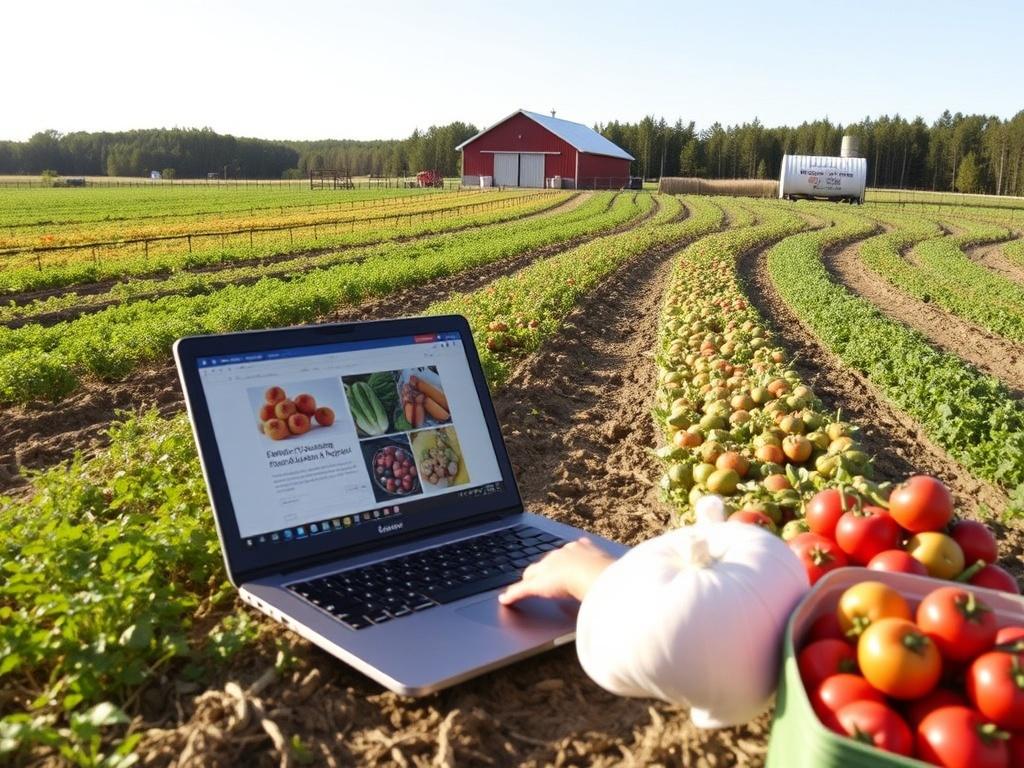
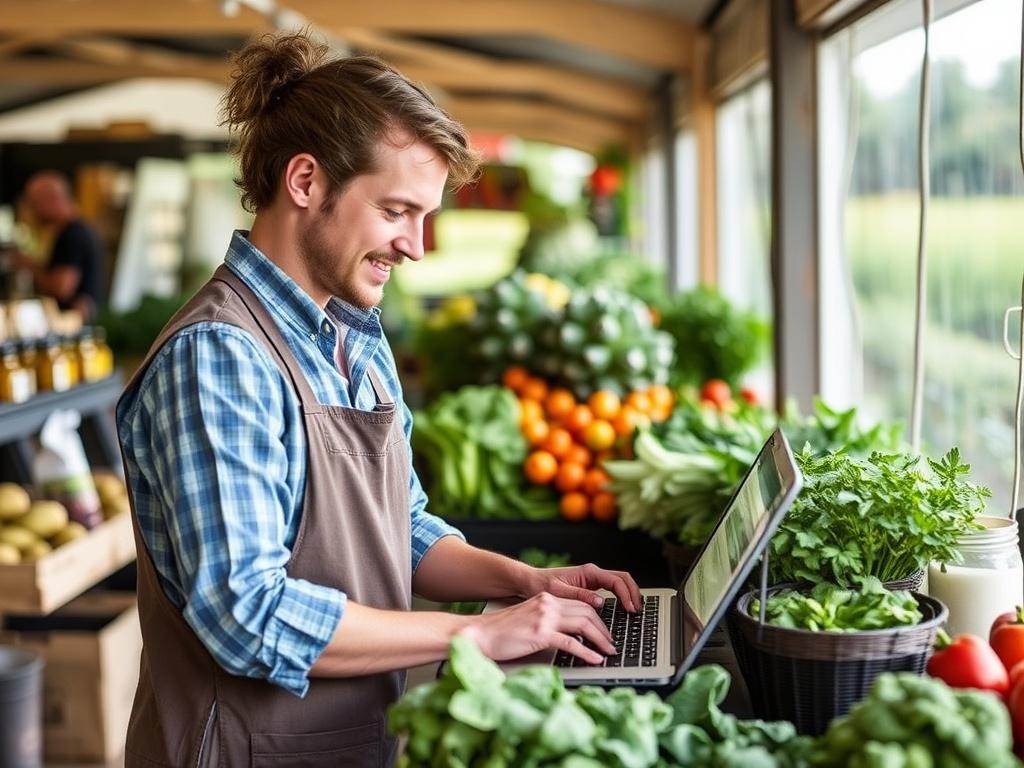
Farming isn’t just about soil and seasons anymore; it’s also about stories, photos, and building relationships one inbox at a time. Whether you grow vegetables, raise livestock, make cheese, or sell cut flowers, learning how to market your products online and through social media opens new customers and dependable revenue streams. This article walks through the practical, step-by-step tactics that small and mid-size farms can use to reach buyers, handle orders, and turn casual followers into regular customers.
Содержание
Why selling online and using social channels matters now
Consumers are shopping differently: they look for convenience, provenance, and connection. When your farm shows up online, you meet those needs by offering easy ordering, transparent production stories, and direct lines of communication. Presence on social channels also lets you showcase the seasonal rhythms and tactile details—things a text label can’t convey.
Another immediate benefit is diversification. Farmers markets and restaurant accounts are valuable, but a website and social media reduce reliance on a single outlet and help you smooth seasonal cash flow. If bad weather or supply disruptions strike, online channels can keep revenue coming through preorders, subscriptions, and local delivery.
Finally, selling online gives you customer data. An email list, order history, and engagement metrics let you refine your products and offers based on what real customers want. That intelligence helps you plan production, reduce waste, and increase profitability over time.
Start with who you sell to and what they value
Marketing without a clear buyer is like planting without a map: possible, but inefficient. Spend time defining your core customers—are they weekly CSA members, city chefs, restaurant buyers, grocery shoppers who want local meat, or gift buyers seeking artisanal pantry items? Each group has different motivations, price sensitivity, and preferred buying channels.
Map motivations into messages. For example, urban families may prioritize convenience and food safety, while chefs care about consistency and traceability. Once you know who you serve and why, craft content and offers that speak directly to those priorities rather than trying to please everyone at once.
Segmenting customers early makes your marketing more effective. Use simple tags in your email platform or shop—for example, “CSA,” “restaurant,” and “retail pickup”—so future promotions reach the right people without spamming everyone.
Build a simple, trustworthy online presence
Your website is your digital storefront, and it doesn’t need to be complicated to be convincing. A clean homepage, clear product pages, an About page with photos and a mission statement, and basic shipping or pickup details will cover the essentials. Focus on clarity: customers should understand product, price, and how to buy within a few clicks.
If you aren’t ready for a full ecommerce site, start with a simple online order form, a link to a payments page, or a shop on a marketplace. Over time, migrate to a lightweight ecommerce platform that handles inventory, payments, and order confirmations automatically. That reduces manual work and prevents double-sold items during busy weeks.
Make contact information and pickup/delivery instructions obvious. Customers trust farms when they can see the people behind the brand, so include a few candid photos and a short story about how your farm operates. Realness builds trust faster than glossy stock images.
Website platform comparison
Platform
Best for
Pros
Cons
Shopify
Full ecommerce
Reliable, easy payments, apps
Monthly cost; transaction fees without plan
Etsy
Artisanal pantry items, gifts
Built-in audience, low setup
Marketplace competition; fees
WordPress + WooCommerce
Custom control, content-rich sites
Flexible, many plugins
Requires hosting and maintenance
Squarespace
Simple stores and visual portfolios
Beautiful templates; easy editing
Less ecommerce depth than Shopify
Facebook/Instagram Shop
Social-first sellers
Direct discovery in apps
Dependent on platform rules
Choose platforms that match your audience and skills
Not every platform suits every farm. If your customers are older and local, Facebook plus email may deliver the best return with minimal fuss. If you target younger urban shoppers and visual storytelling, prioritize Instagram and TikTok. Chefs and wholesale buyers may prefer direct B2B outreach, a downloadable price list, or a password-protected wholesale portal.
Combine platforms rather than scattering effort everywhere. A focused mix—website, email, and one or two social channels—usually beats weak activity across five networks. Pick channels you can sustain and measure for at least three months before changing course.
Remember time and skill constraints. If photography and short video are not your strengths, plan a simple content system you can maintain: one weekly photo and one biweekly video are more powerful than sporadic posting across platforms.
Platform-specific tactics
Facebook
Facebook remains valuable for local reach, event promotion, and community groups. Use your page for announcements, event RSVPs for farm stands, and to host a simple shop. Facebook groups—yours or local community groups—can be great places to share availability when you have a surplus.
Paid local ads on Facebook can efficiently promote a new CSA sign-up window or weekend pickup. Targeting by ZIP code and interests lets you reach nearby customers at modest cost. Test small budgets first and scale what works.
Instagram
Instagram is visual and excellent for behind-the-scenes storytelling. Use high-quality photos of produce, short reels showing harvest moments, and Stories for daily availability. Hashtags and geotags can help new local customers discover you, but community engagement—liking, commenting, and responding—drives real followership.
Shoppable posts and link stickers in Stories make it easy for followers to move from inspiration to purchase. Keep captions informative but human: tell customers what’s in season, when to expect a restock, or how to prep a new vegetable variety.
TikTok
TikTok rewards authentic, short-form video; farms that show the work, humor, and seasonal surprises often find eager audiences. Quick clips of planting, animal antics, or fast recipes can build awareness and drive traffic back to your shop or email list. Trends and music help your content reach beyond current followers.
Don’t overproduce; candid, well-composed phone videos perform well. Layer in helpful captions for accessibility and to keep viewers watching when sound is off.
Pinterest and YouTube
Pinterest works well for recipe-driven products, gift packaging ideas, and seasonal bundles because people search for inspiration there. Create pins linking to product pages or blog posts with longer-form recipes. Pins have a long shelf life and continue driving traffic for months after posting.
YouTube is ideal for longer educational content like farm tours, how-to canning demos, or expanded recipe videos. These pieces build authority and can be repurposed into shorter clips for other social channels.
Craft content that converts: photos, video, and stories
People buy from farms they trust and like. High-quality photography that captures color, freshness, and scale makes products appealing. You don’t need professional gear—good natural light, simple staging, and steady framing go a long way when paired with thoughtful captions.
Video increases conversion because it shows texture, handling, and portions more clearly than photos. Short recipe snippets, quick “how to store” tips, and day-in-the-life clips help buyers imagine using your products. Repurpose the same video across platforms to save time.
Storytelling is the glue. Explain why you plant a particular variety, what the season has been like, or who on the farm handled an order. That context justifies price differences and fosters loyalty. Remember: buyers often purchase values—local sourcing, humane treatment, and family tradition—more than commodities.
Content ideas list
Weekly “what’s in season” post with product availability and quantities.
Short recipe or serving suggestion using your product.
Behind-the-scenes harvest or packing clip (15–60 seconds).
Customer feature or testimonial with photo.
Live Q&A about storage, uses, or farm practices.
Pricing, packaging, and shipping for real orders
Set prices to cover production costs, labor, packaging, and a margin for investment. Many small farms underprice because they don’t capture labor or overhead—track time spent harvesting, packing, and customer service to refine your pricing over a season. Transparent pricing helps customers understand value, so explain what’s included in a box or bundle.
Packaging should protect product while conveying your brand. Use clear labeling with product name, weight, ingredients (if applicable), and storage instructions. Branded stickers or simple printed cards elevate perceived value and encourage social shares when customers post their purchases.
Shipping perishable goods requires planning. If you deliver locally, set clear delivery windows and minimum orders. For multi-day shipping, partner with carriers experienced in perishables or use insulated packaging with appropriate ice packs. Consider offering flat-rate shipping for a region and free local pickup to avoid unpredictable costs.
Practical shipping tips
Test packaging by sending boxes to nearby friends and noting temperature and condition on arrival.
Use clear cutoff times for same-week orders and communicate them on product pages.
Charge a fair shipping fee that covers materials and labor; don’t hide fees at checkout.
Consider subscription boxes or CSA models to reduce last-minute shipping and forecasting complexity.
Regulations, food safety, and labeling basics
Regulatory requirements vary by state and product. Check local health department rules for selling meat, dairy, eggs, and value-added foods. Proper labeling—ingredients, allergens, and production dates—is not only often required but also reassures customers about safety and quality. Keep records of production and sales to simplify audits and inspections.
If you sell across state lines or into restaurants, verify licenses and insurance requirements early. Liability insurance and a basic traceability system protect you from costly mistakes and help maintain trust when issues arise. When in doubt, consult your state agricultural extension or a local cooperative attorney for guidance.
Food safety also includes how you present storage and handling information online. Post clear instructions for refrigeration, freezing, and reheating to reduce customer confusion and returns. Accurate guidance reduces complaints and builds credibility.
Promotions, pricing strategies, and paid ads
Use promotions to move surplus product, reward loyal customers, or introduce new items. Limited-time offers, early-bird CSA discounts, and bundle deals work well when tied to the season. Avoid constant discounting, which erodes perceived value; instead, create promotions that feel exclusive and time-bound.
Paid ads amplify messages to specific local audiences. Start small—$5–$20 per day—with a clear goal like driving CSA sign-ups or promoting a weekend farm stand. Use simple A/B tests: two images or two headlines, run them briefly, and keep what performs better. Track cost-per-signup or cost-per-order to judge ROI.
Email marketing often outperforms social ads for repeat business. A clear weekly or biweekly newsletter with availability, recipes, and a direct purchase link encourages repeat buys. Segment offers to match customer preferences, and always include a simple unsubscribe option to keep your list healthy.
Customer service, retention, and community
Exceptional customer experience is your best marketing engine. Prompt replies, on-time deliveries, and small personal touches—like a thank-you note or a recipe card—turn first-time buyers into ambassadors. Word-of-mouth from delighted customers often brings more valuable new buyers than paid ads.
Loyalty can be built through subscriptions, rewards, or early access to special products. A simple punch-card system translated to an email list, or a referral discount for both referrer and friend, keeps customers engaged and increases lifetime value. Track repeat purchase rates and ask for feedback to learn how to improve.
Community engagement amplifies reach. Host occasional farm tours, virtual tastings, or pop-up dinners to deepen relationships with city buyers. Partnering with nearby small businesses—bakeries, breweries, or retailers—creates cross-promotion opportunities and introduces you to new audiences.
Tools to streamline work and measure success
You don’t need a huge tech stack to be effective; choose tools that reduce repetitive tasks and offer clear metrics. A reliable scheduling tool for social posts, a simple email platform, and a shop that captures order data will cover most needs. Use a spreadsheet or simple CRM to track repeat customers and notes on preferences.
Important metrics to monitor include website traffic, conversion rate (visitors who buy), average order value, and email open/click rates. For social platforms, track engagement rate and direct messages that convert to sales. Don’t chase vanity metrics; focus on the few numbers that tie directly to revenue and customer retention.
Common affordable tools include free analytics from platforms, low-cost email services, and scheduling platforms that post to multiple networks. Automate confirmations and receipts to reduce manual customer service time and set aside one or two hours weekly to review metrics and adjust tactics.
Step-by-step launch plan for selling online
Launching online is best done in phases so you can learn without being overwhelmed. Below is a practical sequence to start generating orders quickly and scaling responsibly over a season.
Define products and audiences: Choose 6–12 SKUs to launch—items you can consistently supply. Mark which are for local pickup, delivery, or shipped orders.
Create a simple shop or landing page: Use a template service to get a buy-now flow. Include clear pickup/delivery options and payment methods your customers already use.
Collect contacts before launch: Announce a sign-up window on local community pages and ask for email addresses in exchange for early access or a small discount.
Produce a week of content: Photograph products, write product descriptions, and plan a two-week social schedule that includes posts announcing the launch, product highlights, and a behind-the-scenes clip.
Open orders with a deadline: Accept preorders for a limited window to set expectations and help plan harvest. Communicate cutoffs clearly and confirm orders automatically.
Deliver and collect feedback: Use the first weeks as user research—ask buyers what they liked and what could improve, then iterate on packaging, portions, and delivery.
Scale with paid promotions: Once fulfillment runs smoothly, test local ads or boosted posts to expand reach, and consider partnerships with local chefs or retailers for wholesale channels.
Real-world example from hands-on work
Working with a diversified small farm some years ago, I helped them move from an informal Facebook marketplace presence to a small ecommerce site plus weekly newsletter. We focused on three flagship products and a weekly farm box to simplify logistics and messaging. The clarity of a single weekly offering made production planning much easier and reduced missed orders.
We kept photography simple and authentic—no heavy props—and used customer testimonials in the newsletter. The farmer handled pickup windows and community-supported deliveries, while I managed content and the email calendar. That division of labor kept the operation manageable and let the farm reallocate time from customer calls to harvesting.
The most valuable lesson was incremental change: small improvements to checkout flow and clearer pickup instructions reduced customer confusion more than flashy ads would have. Real customers appreciated predictable procedures and a friendly voice in communications.
Common mistakes and how to avoid them
One common error is overpromising availability. Listing too many items without reliable supply creates disappointed buyers. Be conservative, update product pages quickly when items sell out, and use waitlists for popular products.
Another frequent misstep is underestimating time for customer service and fulfillment. Track how long you spend packing, responding to messages, and delivering, and build that labor into your pricing. Automate confirmations to give customers immediate answers while you handle the work.
Finally, avoid chasing every platform or marketing fad. Consistent presence and clear communication on one or two channels usually outperform scattered efforts. Measure results, then reinvest in whatever yields repeatable orders.
Sustaining growth: batching, hiring, and reinvestment
As orders grow, protect your time by batching tasks. Photograph and write captions for the week in one session, set aside a single inbox hour for customer messages, and schedule deliveries in routes to save fuel and time. These small efficiencies compound quickly and reduce stress.
Consider hiring part-time help for packing and driving when volumes rise. Paid help often frees the farmer to focus on production and strategic growth. Reinvest a portion of online revenues into better packaging, a more robust ecommerce plan, or modest advertising to bring in new customers while maintaining service quality.
Finally, keep learning. Agricultural extension services, regional farmer networks, and online small-business resources can provide legal updates, bookkeeping advice, and marketing workshops tailored to farms. Periodic training helps you make smarter, lower-risk investments as your online presence matures.
Moving farm products online and through social services is less about gimmicks and more about steady systems: clarity in what you sell, consistent communication, dependable fulfillment, and honest storytelling. Start small, measure what works, and let your customers’ needs guide how you expand. With the right mix of visual storytelling, simple e-commerce, and community engagement, your farm can find new customers and build a reliable income that follows the seasons and grows with your ambitions.