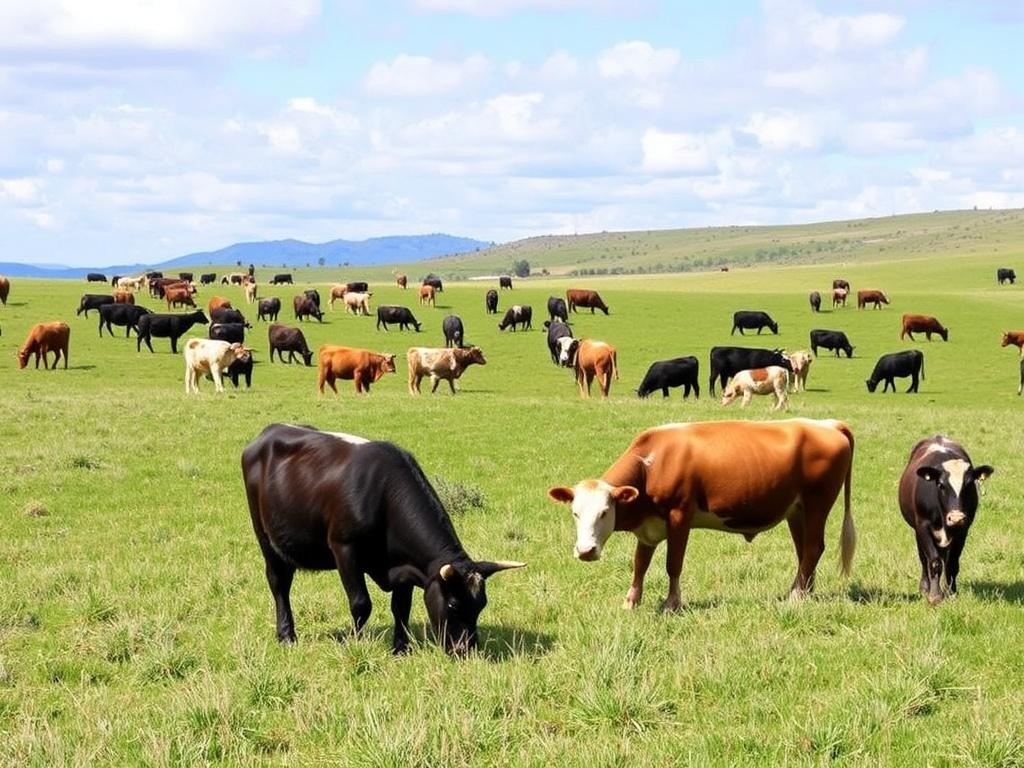
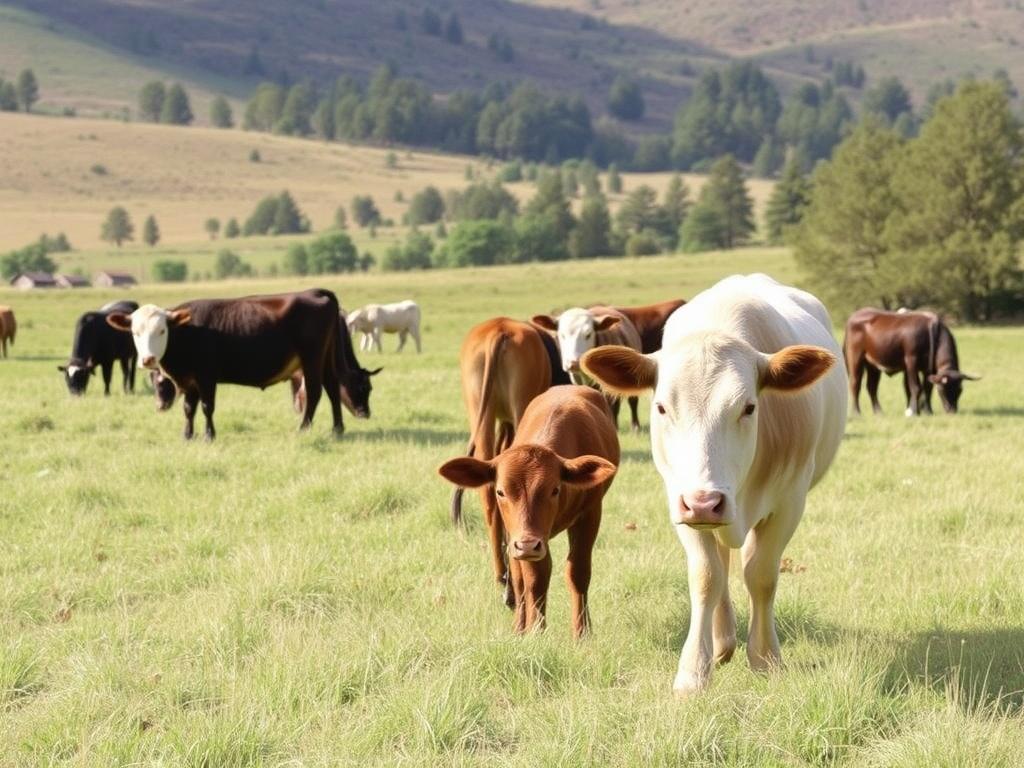
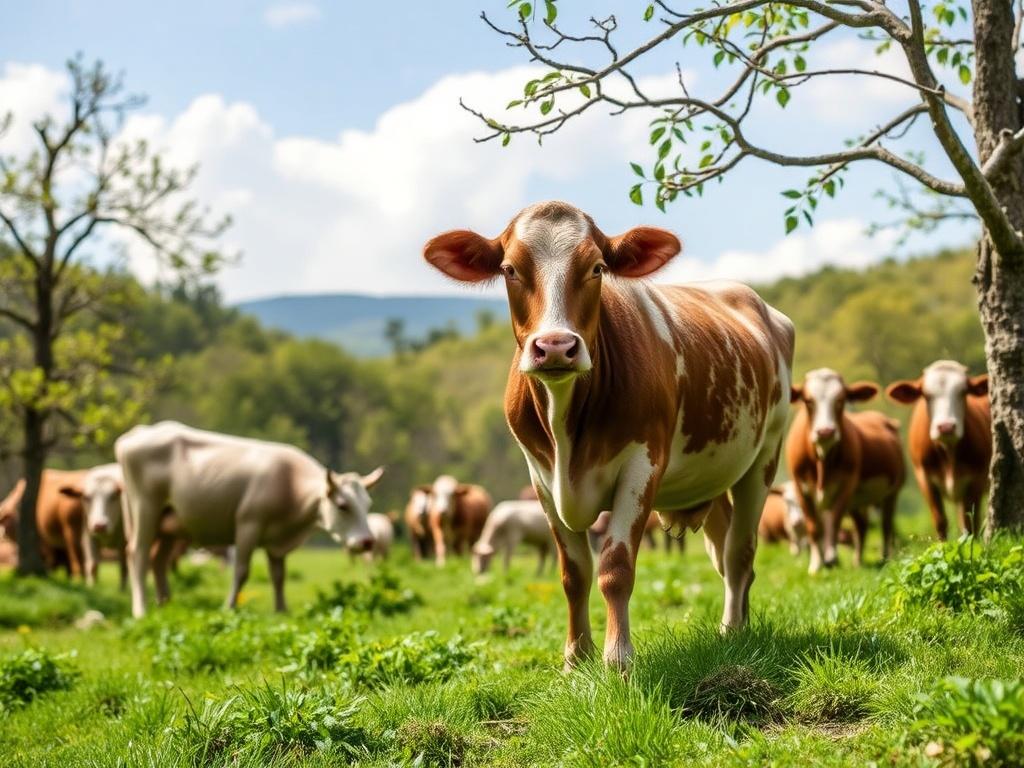
Pastures are living systems, not static fields to be mined for forage. Managed thoughtfully, they can support livestock, store carbon, conserve water, and host biodiversity for generations. This article walks through practical, science-based approaches to grazing that strengthen soil, improve herd productivity, and reduce long-term costs.
Содержание
Why sustainable grazing matters now
Climate variability and rising input costs make resilient pastures an economic necessity as much as an ecological one. Well-managed grazing buffers farms against drought, reduces reliance on purchased feed, and stabilizes yields over time.
Beyond the bottom line, healthy pastures provide ecosystem services: they capture carbon, filter water, and offer habitat for pollinators and beneficial insects. Those services translate into lower flood risk, cleaner streams, and more stable landscapes.
Adopting sustainable grazing practices is not a single action but a shift in thinking—treating animals, plants, and soil as parts of one interconnected system. That systems view lets managers respond to changing conditions rather than react to crises.
Core principles of plant–animal–soil interactions
Plants, animals, and microbes form a tight feedback loop on pasture. When grazing is timed and controlled, plants regrow more vigorously, roots expand, and soil microbial activity increases. Those gains feed livestock production in turn.
Key to that loop is recovery time. Plants need sufficient rest after defoliation to rebuild carbohydrate stores and restore root growth. Shortening recovery stunts both shoot and root systems, eroding soil and forage productivity over seasons.
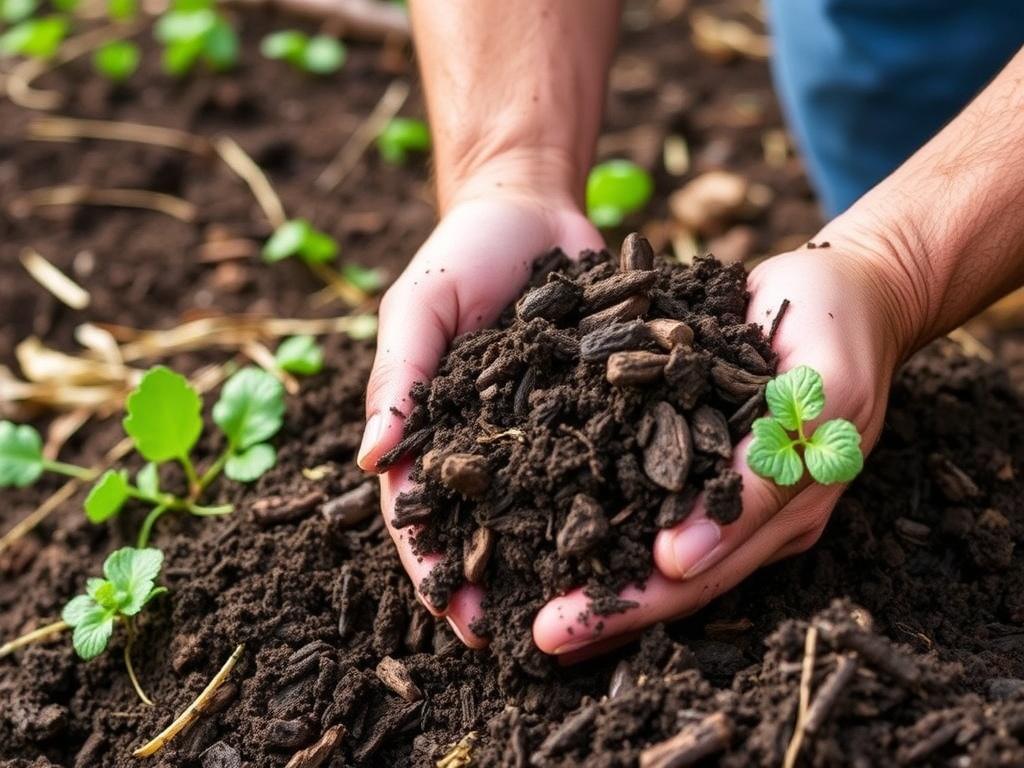
Soil health underpins everything. Organic matter improves water infiltration and nutrient retention, making pastures more drought-resilient. Grazing strategies that protect and build soil organic matter pay dividends for years.
Understanding stocking rate and carrying capacity
Stocking rate—the number of animals on a unit of land over time—should match forage production, not a predetermined herd size. Overstocking is the most common driver of pasture degradation worldwide.
Carrying capacity fluctuates with season, rainfall, and forage species. Good managers measure available forage or estimate it from pasture condition and adjust stocking accordingly, either through temporary reductions or moving animals to other forage sources.
Adaptive stocking, where numbers change with forage availability, is preferable to fixed stocking targets. Flexible planning reduces risk and often increases productivity per acre by aligning demand with supply.
Grazing systems: options and trade-offs
There is no one best system; each approach fits different goals, labor availability, and landscape. Common systems include continuous grazing, rotational grazing, intensive (or cell) grazing, and management-intensive grazing variants like mob grazing.
Continuous grazing is simple but often leads to selective overuse of preferred plants and underuse of others, reducing diversity over time. Rotational systems bring rest periods that allow more uniform utilization and plant recovery.
Intensive rotational systems, including short-duration or mob grazing, apply higher stocking densities for brief periods to stimulate plant regrowth and trampling of seed and organic matter. They require more planning and fences but can speed pasture recovery.
Rest and recovery: timing matters
Rest is the interval between grazing events for a paddock, and it must be long enough to let plants rebuild leaf area and root reserves. The appropriate rest period varies by species, season, and soil moisture.
Spring growth may need shorter intervals because plants are actively growing, but early-season grazing during active regrowth carries high risk of depleting reserves. Conservative timing early in the season protects long-term vigor.
Using growth-stage cues—such as pre-reproductive height for grasses or early bud stage for legumes—helps managers decide when to move animals. These biological indicators are more reliable than arbitrary day counts.
Improving pasture composition and diversity
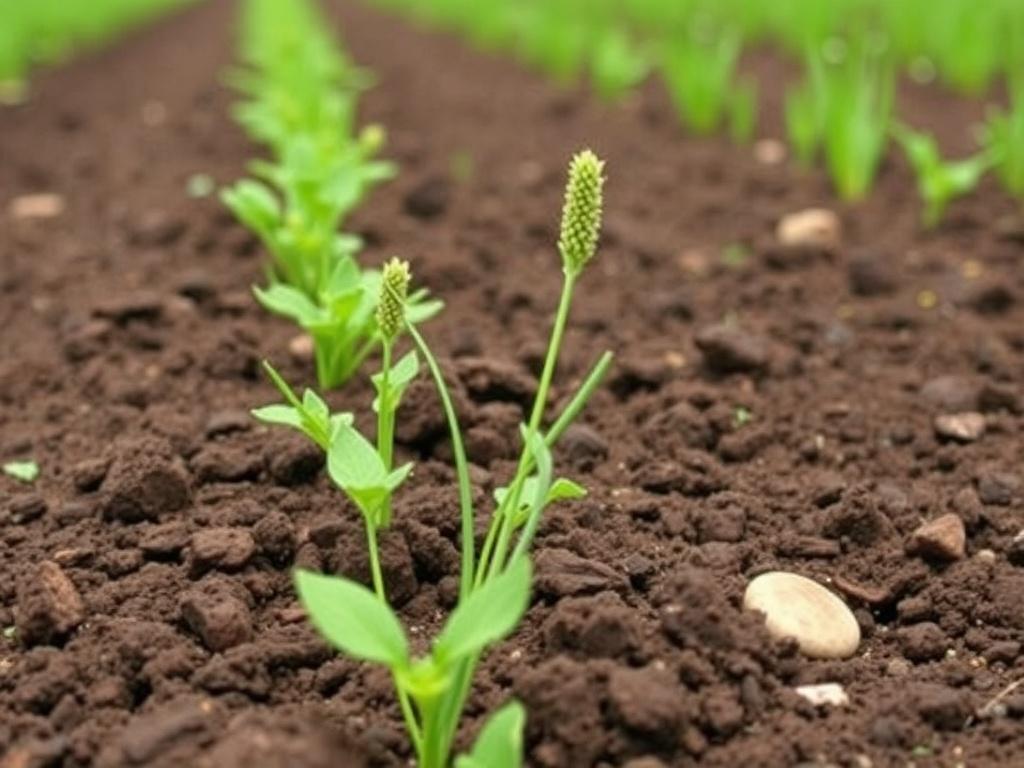
Monoculture grass stands are convenient but fragile. Mixed pastures with grasses, legumes, and forbs provide better nutrition, extend grazing seasons, and stabilize soil. Legumes fix nitrogen and reduce fertilizer needs.
Introducing diverse species requires planning: choose plants suited to soil, climate, and grazing pressure. Interseeding during favorable conditions or renovating heavily depleted pastures can shift species balance over time.
Encouraging complexity can be as simple as reducing overgrazing and tolerating some native forbs. Where seeding is necessary, include a mix of cool- and warm-season species to balance forage production across the year.
Water, riparian areas, and livestock distribution
Water points shape animal movement; clustering water sources concentrates grazing pressure and can lead to erosion. Strategically placing water and shade encourages even use of a paddock and protects vulnerable riparian zones.
Riparian buffers—strips of vegetation along streams—should be fenced or managed to prevent overuse. Allowing periodic, managed access (with controlled timing and flow) can maintain both animal needs and stream health.
Simple infrastructure changes—adding off-stream water, rotational access lanes, or hardened crossing points—often yield outsized benefits in reducing bank damage and nutrient runoff.
Soil biology and carbon sequestration
Grazing that supports deep-rooting plants and continuous live root presence tends to build soil organic matter, sequestering carbon while improving water-holding capacity. Soil microbes are key mediators in this process.
Practices that minimize bare soil, reduce compaction, and maintain plant cover encourage microbial communities that cycle nutrients efficiently. Avoiding excessive disturbance preserves these biological networks.
Measuring soil organic matter and tracking changes over time gives managers feedback on whether their grazing practices are producing the desired soil benefits. Small improvements compound into meaningful gains over years.
Animal welfare and production outcomes
Well-managed grazing supports animal health by providing fresh, diverse forage and reducing parasite loads through appropriate rest periods. Pasture-based systems can lower feed costs and improve meat or milk quality when matched to herd needs.
High stocking density for short durations can improve forage utilization and create more uniform pastures, but it must be balanced against stress on animals and risks of hoof damage in wet conditions. Timing and terrain matter.
Observing animal behavior—grazing patterns, body condition, and rumination—offers immediate clues about pasture quality and informs grazing adjustments faster than yield estimates alone.
Monitoring, record-keeping, and decision tools
Practical monitoring keeps managers ahead of problems. Simple measurements—paddock forage height, percent bare ground, and animal weight trends—provide comparators to guide moves and stocking adjustments.
Maps and grazing charts documenting paddock sizes, rest periods, and animal movements make short-term decisions easier and long-term planning possible. Digital tools and apps can automate record-keeping for busy operations.
Periodic photographic records and soil tests create an evidence base for changes. When you can show how a practice altered soil organic matter or carrying capacity, it helps justify continued investment.
Implementing adaptive management
Adaptive management is iterative: plan, act, monitor, and adjust. Set clear goals—such as increased forage production or reduced erosion—and select metrics to measure progress against those goals.
Start with small changes to build confidence: shift a subset of the herd into a rotational system or add one additional water point. Use results to refine your approach before scaling up across the whole operation.
Flexibility is the core of adaptation. Weather and markets change; successful managers build options into their plans rather than locking in rigid schedules or stocking numbers.
Practical fencing and infrastructure options
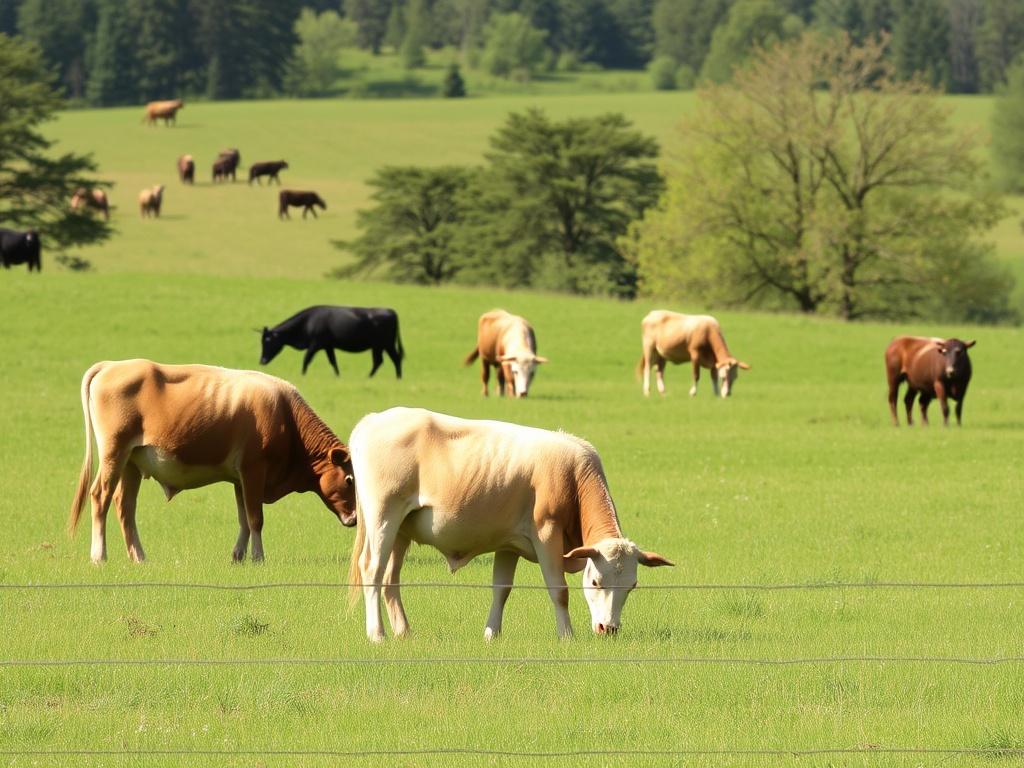
Fencing is a tool for control, not a barrier to nature. Portable electric fencing is cost-effective and enables subdividing fields for rotational grazing with minimal permanent infrastructure.
Gates, lanes, and handling facilities should minimize stress and movement time. Well-designed flow from paddock to water and to handling yards reduces labor and improves animal behavior.
Infrastructure investments should be phased to match expected returns. Start with flexible fencing and essential water points; add permanent structures as systems prove their worth.
Economics: cost, return, and risk management
Upfront costs—fencing, water systems, and labor—can be barriers for small operations. But many practices reduce feed and fertilizer needs, improving margins over time. Conduct a simple cost-benefit analysis before major investments.
Risk reduction is an economic benefit often overlooked. Resilient pastures lower vulnerability to drought and feed-price spikes, stabilizing cash flows and protecting equity in the business.
Some expenses can be offset through conservation grants, tax incentives, or cost‑share programs. Check local agricultural extension or conservation agencies for available support.
Common challenges and solutions
Resistance to change is common; many producers worry that new systems mean more work or risk. Demonstration projects and neighbor-to-neighbor learning can bridge that trust gap effectively.
Labor and knowledge gaps are solvable through training, hiring seasonal help, or adopting technologies that reduce manual tasks. Incremental changes lower the learning curve and spread labor demands over time.
Pests and invasive species may proliferate under improper grazing. Timely monitoring, targeted seeding of competitive species, and corrective rest periods help control undesirable plants without heavy herbicide reliance.
Case study: a midwest beef operation
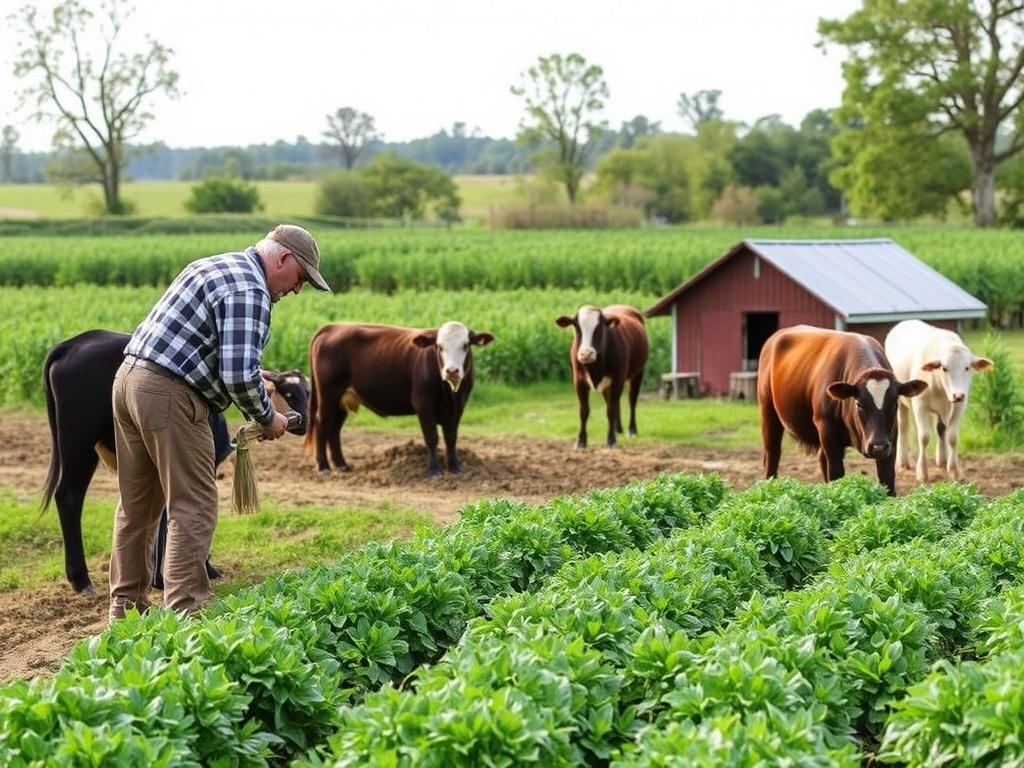
On a 400‑acre beef ranch I worked with, the owner shifted from continuous grazing to a 30‑paddock rotational plan over three years. They installed portable electric fencing and two new water points per section to even grazing pressure.
In the first year, herd weight gains held steady while forage utilization improved by an estimated 20 percent. By year three, carrying capacity had increased enough to support a modest herd expansion without buying extra hay during dry months.
Soil tests taken before and after the change showed a measurable rise in soil organic matter and improved aggregate stability. The ranch owner reported lower feed bills and greater confidence managing through dry spells.
Case study: a small dairy transitioning to diverse pastures
A small mixed dairy in the Northeast replaced part of its ryegrass-dominant pasture with a mix of clovers, chicory, and deep-rooted grasses. They also shortened rotations in spring to protect regrowth and lengthened rest in late summer.
Milk production per cow improved slightly, but more importantly, veterinary costs declined and peak season forage shortfalls were rare. The farm reduced purchased nitrogen fertilizer thanks to clover nitrogen fixation.
The owner emphasized that patient, measured change—rather than wholesale reconstruction—made the transition manageable while maintaining cash flow and milk contracts.
Tools and technologies that help
Remote sensing, pasture‑growth apps, and simple forage meters give managers better visibility into pasture condition. GPS collars and virtual fencing are increasingly practical for controlling animal distribution without permanent fences.
Soil moisture probes and weather stations add another layer of data, helping time moves and predict growth. These investments can be scaled: start with a single probe or a low‑cost app before adding more hardware.
Even low-tech tools—clipboards, maps, and a consistent monitoring routine—improve outcomes. Technology should augment good decision-making, not replace it.
Policy, incentives, and community programs
Government programs, conservation districts, and agricultural nonprofits often offer funding and technical support for sustainable pasture practices. These programs can reduce financial barriers to infrastructure upgrades.
Participating in cooperative programs or regional grazing groups also opens access to shared equipment and collective marketing opportunities. Social capital matters: learning from neighbors speeds adoption.
Track available programs in your region and prepare simple proposals that tie grazing changes to measurable conservation outcomes—soil health, water quality, or habitat enhancement.
Measuring success: indicators to track
Choose a handful of indicators that align with your goals. Useful measures include forage mass per acre, percent ground cover, soil organic matter, animal weight gain, and labor hours per unit of production.
Regularly revisiting those metrics converts intuition into evidence. Over time, even small annual improvements compound into meaningful shifts in productivity and resilience.
Share data within producer networks to benchmark performance. Seeing comparable operations succeed can motivate continued improvement and attract partners or funding.
Practical checklist for getting started
Begin with a clear inventory: paddock sizes, water locations, soil types, and current herd pressures. Map these elements to understand movement patterns and pressure points.
Set short- and medium-term goals—such as reducing bare ground by a certain percentage or increasing rest periods—and pick three metrics to monitor progress. Keep the plan realistic and tied to farm resources.
Implement in phases: improve water placement, add temporary fencing for a trial rotation, then scale infrastructure as benefits appear. Document changes to support learning and adaptation.
Table: quick comparison of common grazing systems
System
Main advantage
Primary challenge
Continuous grazing
Simple, low labor
Uneven use, risk of degradation
Rotational grazing
Improved plant recovery and forage distribution
Requires fencing and planning
Mob/intensive short-duration
High utilization, quick recovery
High management intensity
Addressing grazing in sensitive landscapes
Steep slopes, wetlands, and fragile soils require modified approaches. Reducing stocking density, shortening grazing periods, and installing off-stream water are common adaptations.
Protecting riparian buffers from concentrated use preserves water quality and aquatic habitat. Where access is necessary, create hardened crossings and limit time near streams.
In sensitive areas, combine grazing with other conservation practices—restoration plantings, exclusion zones, or reduced-intensity grazing—to achieve both production and protection goals.
Integrating livestock with crop and forage systems
Combining grazing with crop rotations—such as cover crops grazed in the off-season—adds fertility and breaks pest cycles. Integrating animals can turn a cost center into a soil-building tool.
Timing is crucial: graze cover crops at stages that protect soil and allow regrowth where appropriate. Properly managed, these systems reduce input needs and boost overall farm resilience.
Coordination among cropping schedules, livestock movements, and labor planning increases complexity but can meaningfully improve land productivity and profitability when done well.
Education, extension, and peer learning
Farmers learn most efficiently from peers who have tested practices under similar conditions. Farm tours, grazing groups, and cooperative extensions are invaluable for sharing practical lessons.
Workshops and mentoring programs reduce the perceived risk of trying new systems. A mentor can help with fence layout, water design, and setting realistic stocking targets based on local experience.
Online forums and local networks complement in-person learning, offering quick troubleshooting and access to a broader experience base for unusual problems.
Dealing with drought and extreme events
Resilient pastures provide buffer forage during dry spells, but extreme droughts still require active management: reduce stocking rapidly, bring in supplemental feed, or sell as a last resort to protect land condition.
Strategic reserve forage—stored hay produced in wet years—buys time during drought. Conversely, having options to move animals to alternate grazing lands reduces forced sales and helps maintain pasture integrity.
Develop a drought plan in advance that outlines trigger points for actions such as destocking thresholds, alternative feed sources, and timelines for pasture rest and recovery post-drought.
Scaling practices for different operation sizes
Small farms can implement rotational grazing with a handful of paddocks and portable fencing, while large ranches may use larger cell sizes and strategic water placement. Principles remain the same; scale changes logistics.
Collaborative grazing, where neighboring farms share pastures or coordinate rest periods, allows scaling of practices without requiring each farm to own all infrastructure. Shared resources can lower costs.
Regardless of scale, start with achievable steps: measure forage, adjust stocking, and add one water source. Gradual scaling reduces risk and builds institutional knowledge within the operation.
Legal and social considerations
Fencing, water development, and grazing near public lands can involve rules and permits. Understand local regulations to avoid costly conflicts or delays in implementing changes.
Neighbors may notice changes in animal movement or traffic. Clear communication about plans, timelines, and expected benefits builds goodwill and can prevent disputes over boundary use or perceived nuisance issues.
Engage local extension agents or conservation staff early to navigate permitting and to identify potential funding or technical resources that support sustainable changes.
Measuring pasture productivity without complex tools
Simple forage clips, a stick calibrated to grass height, or even a visual estimate of percent cover give actionable information for day-to-day decisions. Consistency is more important than precision for many management choices.
Track animal weight and condition scores regularly; these are integrative measures that reflect pasture quality and management effectiveness. Small declines often precede visible pasture damage.
Keep a weather log and note grazing events. Over time, you’ll see patterns that inform timing of moves and expectations of pasture growth under local conditions.
How to balance short-term needs with long-term stewardship
Short-term pressures—cash flow, immediate feed shortages, or market demands—can tempt managers to overuse pastures. A stewardship mindset balances these pressures with the need to protect the resource base that supports future production.
Practical ways to balance include strategic feed purchases tied to defined thresholds, temporary stock adjustments, and building contingency funds for lean seasons. Avoiding depletion preserves options in bad years.
Long-term gains often come from small, consistent practices: maintaining cover, adding legumes, and avoiding repeated overuse. These choices compound and make farms more productive and easier to manage over time.
When to bring in outside help
Complex issues—severe erosion, deep species shifts, or chronic herd health problems—often benefit from consultants or extension specialists. An outside perspective can diagnose underlying causes quicker than trial-and-error.
Technical assistance helps design irrigation or water systems, plan reseeding, and evaluate grazing layouts for maximum efficiency. Use professional help where it accelerates learning and avoids costly missteps.
Peer consultation—working with a trusted neighbor who has already implemented similar changes—can be as valuable as a paid consultant, particularly for on-the-ground logistics and labor planning.
Final practical tips from experience
Start small and measure everything. On operations I’ve advised, a modest trial paddock produced clear signals—less bare ground, better animal gains—which made expanding the system far easier to justify.
Expect a learning curve and budget time for adjustments. Early seasons are about collecting data, understanding growth patterns, and establishing routines that become second nature over years.
Above all, treat the landscape as a partner. When grazing decisions are made in tune with plant and soil cycles, the land rewards with steadier production, lower inputs, and greater resilience against the unpredictable.