Turning extra acres into extra income doesn’t always mean planting another crop or buying new equipment. Agri-tourism can reshape what your farm means to a community while adding reliable revenue streams and spreading risk across seasons. This article walks through practical, tested ideas and the steps to launch them so you can pick the right mix for your land, lifestyle, and goals.
Содержание
Why add tourism to your farm portfolio?
Farms face fluctuating commodity prices, unpredictable weather, and rising input costs; tourism provides a different kind of income that often reacts differently to those pressures. Visitors pay for experience, not tonnage, which lets you monetize landscape, heritage, and the simple pleasure of rural life. That income not only cushions bad years but builds a brand and direct customer relationships that can support on-farm sales.
Beyond money, guests become advocates, customers for your value-added products, and a source of word-of-mouth advertising that outperforms most paid channels. Opening the farm to people also strengthens community ties, creates educational opportunities, and can attract partners for future ventures. Done right, agri-tourism enhances farm resilience without turning the land into a theme park.
Keep in mind that tourism requires skills different from crop management: hospitality, scheduling, safety protocols, and marketing. Expect a learning curve and some upfront investment in facilities, insurance, and training. But many small and mid-size farms find the payoff in diversified revenue and a more stable business model.
Core principles for successful agri-tourism
Start with a clear guest proposition—what unique experience can only happen on your property? That clarity guides choices about facilities, pricing, staffing, and marketing and keeps operations focused when new ideas tempt you. A strong proposition also helps control costs and ensures every dollar of investment supports the visitor experience.
Design with flow and safety in mind; visitors should move easily, find signage helpful, and access restrooms and shelter without scrambling. Tour routes, parking, and busy zones deserve the same planning as crop rotations because poor logistics create bad reviews fast. Safety, including clear instructions, first-aid readiness, and liability measures, should be baked into every activity.
Plan for seasonality, both in customer demand and farm chores. Some experiences peak in fall, others work year-round; mix offerings so income doesn’t dry up for months. Finally, track both financial and non-financial outcomes—guest satisfaction scores, repeat visits, and social media impressions matter as much as profit margins early on.
Initial feasibility: a short checklist
Before investing time and money, run this quick feasibility check to avoid common pitfalls. Evaluate your site, regulatory environment, market demand, skills, and cash runway. A short, realistic assessment can save months of wasted effort and guide you to the best first project.
Use this checklist as a starting point and revisit it annually as operations grow and conditions change. Small adjustments early are easier and cheaper than large course corrections later. Keep your checklist simple and actionable so it actually gets used.
Land access and parking capacity
Local zoning and event restrictions
Availability of water, sanitation, and shelter
Nearby markets and visitor demographics
Insurance and liability requirements
Estimated start-up costs and break-even timeline
Quick cost and revenue comparison
Different agri-tourism activities have wildly different startup costs, staffing needs, and revenue potential. A simple comparative table helps prioritize projects that match your capacity and desired return. Think of this as a planning tool, not a promise.
Activity
Typical startup cost
Ongoing labor
Revenue potential
U-pick orchard
Low–Moderate (fencing, signage)
Seasonal
Moderate (per-acre yield)
Farm stay / B&B
High (renovation, utilities)
Year-round
High (per-night rates)
Workshops & classes
Low (equipment, marketing)
Variable
Moderate (per-seat pricing)
Events & weddings
Moderate–High (amenities)
Event-driven
High (one-off revenue)
Farm stays and on-site lodging
Hosting overnight guests is one of the most lucrative agri-tourism paths if you have the buildings and zoning to support it. Farm stays can range from a single guest room above a barn to multiple cabins or luxury glamping tents on a scenic ridge. The key is comfort and authenticity: visitors want farm character but also clean beds and functioning bathrooms.
Renovation costs vary greatly by condition and local code requirements, especially for fire safety and plumbing. Consider beginning with a single, well-appointed unit and use guest feedback to refine décor, amenities, and rules. Word-of-mouth and repeat bookings often build faster in hospitality than from paid advertising.
Managing lodging requires a hospitality mindset: quick responses to inquiries, clear house rules, and local recommendations for dining and activities. In my experience visiting rural stays, hosts who provide simple extras—trail maps, fresh eggs at breakfast, or a quiet reading nook—get higher review scores. These small touches convert first-time visitors into repeat guests and brand ambassadors.
Glamping and tiny cabins
Glamping and tiny cabins let you offer distinctive stays with relatively low construction costs compared to full renovations. Proper siting, comfortable bedding, climate control, and private bathrooms lift the guest experience. These units can be booked year-round if you insulate and provide heating, increasing revenue potential.
Permits and septic capacity often determine how many units you can add, so consult local planners early. Modular units or yurts allow you to scale gradually, testing demand before investing in permanent structures. A cluster of three to five units can create higher occupancy through group bookings for retreats or family reunions.
U-pick, farm stands, and on-farm markets
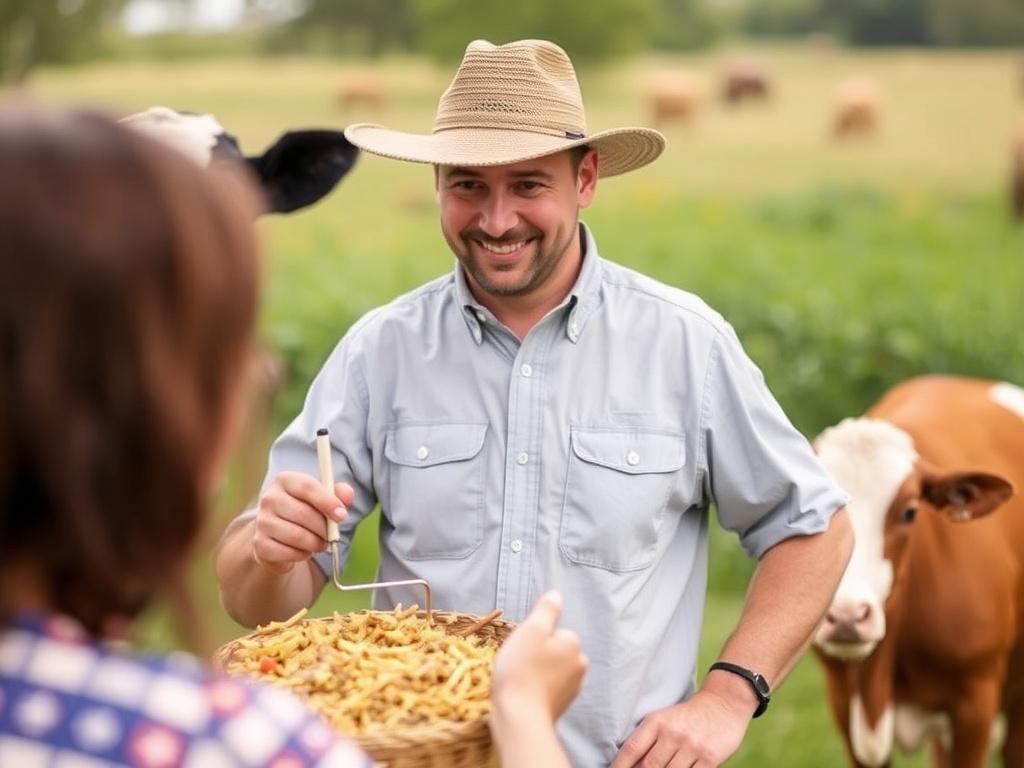
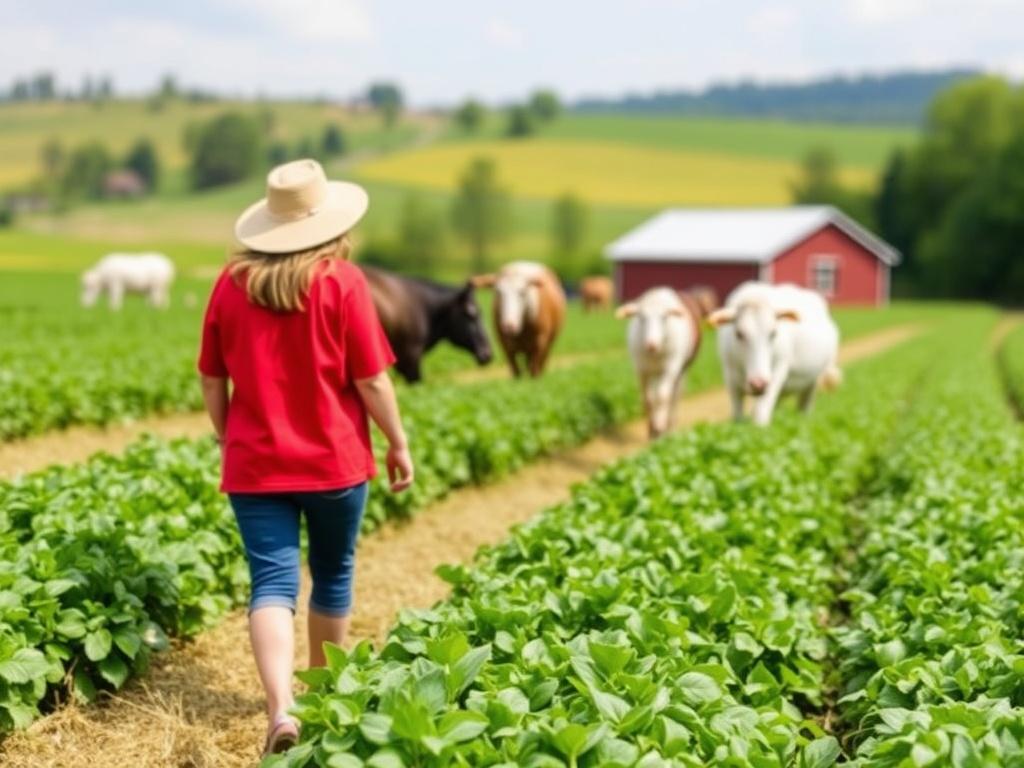
U-pick operations are a classic and straightforward way to bring people to the farm and reduce your harvest labor. You provide the crops and guidance; customers do the picking and pay by weight or container. The model blends retail pricing with an experience, often allowing you to charge more than wholesale rates.
Success depends on crop selection, timing, and clear directions. Choose crops that are safe and reliable for casual pickers—berries, apples, pumpkins, and certain vegetables are common choices. Publicize peak picking windows and provide tools, containers, and staff to help customers find and harvest quality produce.
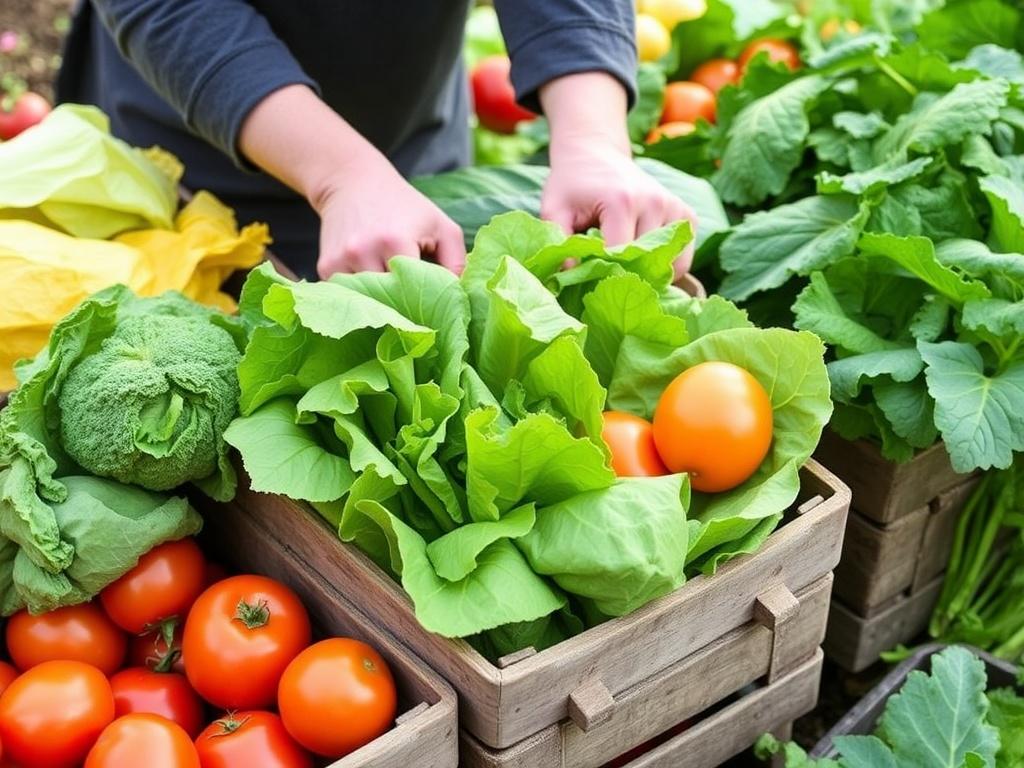
On-farm markets or a small farm store extend the visit and lift average spend per customer. Selling value-added products—jams, cider, baked goods—turns casual visitors into loyal customers. Many farms find that a friendly market and a clean restroom increase dwell time and sales noticeably.
Pricing strategies for pick-your-own
Price U-pick carefully: too low and you undercut your on-farm labor savings; too high and you discourage repeat customers. Consider tiered pricing—lower rates for families, premium prices for already-picked premium produce, and value bundles that include fresh-squeezed juice or a baking kit. Track per-visitor spend to fine-tune pricing each season.
Offer simple upsells at checkout like picnic kits, recipe cards, or branded harvest bags to increase revenue without dramatic extra labor. Clear signage about harvesting etiquette (no overpicking, where to leave unripened fruit) protects yields and guest relationships. Collecting emails at the stand helps promote future seasons and special events.
Farm-to-table dining, classes, and tasting experiences
Food paired directly with place sells well. Hosting dinners, pop-up meals, or tasting flights that showcase your products elevates perceived value and lets you capture margins beyond raw produce prices. Intimate chef dinners or monthly farm-to-table nights build a narrative and a calendar that keeps customers coming back.
Small cooking classes and canning workshops also attract people who want skills, not just scenery. These events benefit from a clear story: seasonal menu, ingredient sourcing walk, and hands-on instruction. Limit class sizes to maintain quality and make sessions more intimate and memorable.
Partnering with a local chef or culinary school can reduce the operational burden and create cross-promotion. I’ve attended a farm dinner where the chef walked guests through the field to harvest ingredients—those guests spent twice as much in the farm market afterward. The direct link between harvest and plate is a powerful marketing tool.
Seasonal festivals and themed events
One-off events like harvest festivals, sunflower weekends, or holiday markets bring concentrated visitor traffic and create seasonal income spikes. Festivals allow you to showcase multiple offerings—food vendors, kids’ activities, craft sales, and live music—turning a farm into a community destination for a day. The first year, aim for manageable scope and a reliable core attraction to avoid overcommitting.
Permits, crowd control, parking, and restroom access require careful planning for events; poor logistics can turn a successful event into a reputational risk. Consider using ticketing systems with timed entries to smooth peak arrivals and keep operations predictable. Work with local food trucks and artisans rather than trying to run every component yourself.
Marketing an event benefits from partnerships with local media, community groups, and neighboring businesses. Festivals also create content—photos and positive reviews—that you can repurpose across the year to build your farm’s profile. Start small, measure satisfaction, and iterate the following year based on what worked most.
Educational programs, school tours, and camps
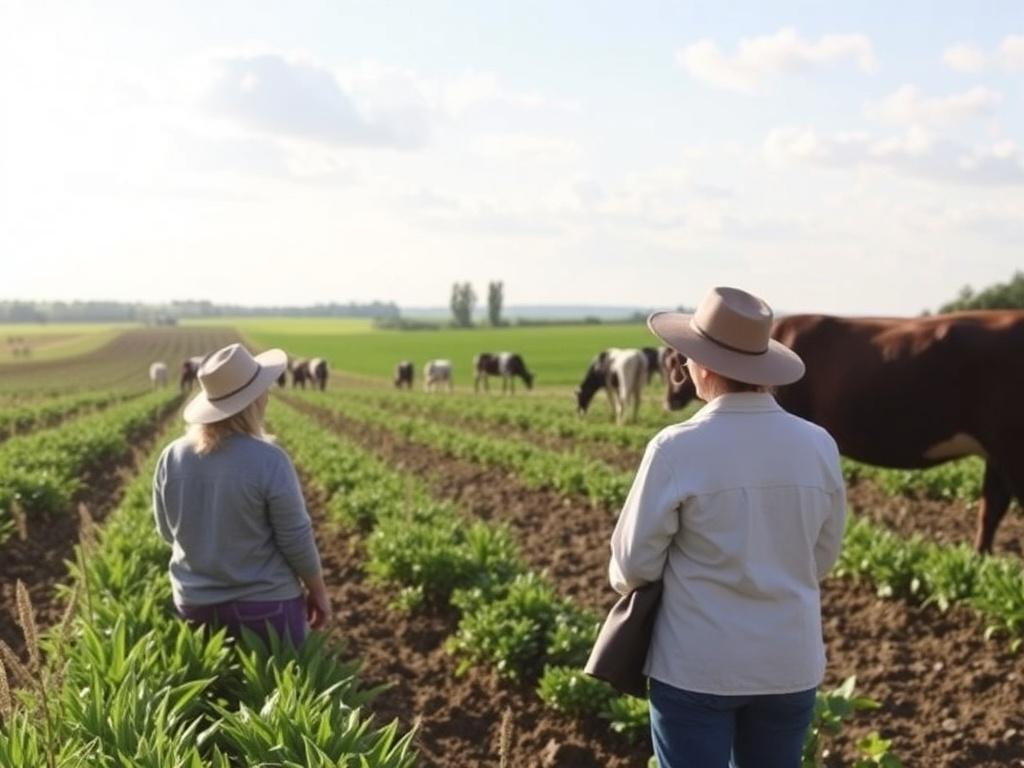
Schools, scouts, and youth groups often seek hands-on agricultural learning that complements classroom lessons. Guided tours, animal interactions, and planting demonstrations are natural fits for farms that value outreach and education. These visits are typically weekday daytime bookings, which helps use the farm during slower business hours.
To serve school groups, develop clear lesson plans, age-appropriate activities, and risk-averse interactions with animals. Provide chaperone guidelines and pre-visit materials to teachers so they know what to expect. Many farmers find that once a school visits, repeat bookings follow, and families become long-term customers.
Summer camps for kids can be a multi-day extension of day visits, combining crafts, nature hikes, and animal care. Camps require additional staffing, clear child-safety policies, and liability coverage, but they create steady seasonal income and deepen community connections. Consider partnering with education nonprofits to reach more families and secure grants.
Workshops, artisan classes, and maker experiences
People increasingly value learning a craft as part of their leisure time. Hosting workshops—cheese-making, beekeeping, wreath-making, or natural dyeing—uses your farm as a classroom. These small, ticketed sessions can generate good revenue per hour with minimal recurring costs after the initial setup.
Design workshops around materials that are easy to source on your farm or locally and that attendees can carry home. Keep class sizes small to ensure an excellent experience and positive word-of-mouth. Recording classes for an online audience later can add a passive revenue stream without much extra overhead.
Local artisans often welcome collaboration; invite them to teach at your farm in exchange for a split of ticket sales. This approach reduces your teaching burden while expanding the range of experiences you offer. A steady calendar of classes keeps customers engaged year-round.
Animal interactions and petting zoos
Hands-on animal experiences attract families and create memorable visits, but they require rigorous management for animal welfare and guest safety. Provide supervised interactions, hand-washing stations, and clear instructions to protect both animals and humans. Rotating animals and limiting handling time reduces stress and keeps the attraction healthy long-term.
Consider adding scheduled meet-and-greets, feeding demonstrations, or shepherding experiences for sheep and goats. Ticketed sessions help control numbers, and small group rotations prevent overhandling. Work with your veterinarian to set health protocols and signage requirements for zoonotic disease prevention.
Animal experiences pair well with educational elements—explain lifecycle, feed, and care routines to deepen visitor appreciation. Families often extend their visit to other farm areas, increasing overall spend. With careful management, animals become one of your most effective draws.
Event venues: weddings, reunions, and corporate retreats
Farms make attractive event venues because of their scenery and flexibility. Weddings, family reunions, and corporate retreats typically pay premium rates for exclusive access and a picturesque backdrop. Converting a barn or field into an event space often pays off quickly if the site is accessible and you can provide reasonable amenities.
A successful event venue needs reliable infrastructure: adequate parking, restrooms, power for caterers and DJs, and a contingency plan for bad weather. Clear rental packages and vendor lists simplify the booking process and protect your farm from unexpected demands. Building relationships with tent providers, caterers, and planners streamlines logistics and improves guest satisfaction.
Consider phased growth: host a handful of events while you refine workflows and pricing. Many farms find that event income can support capital improvements that benefit other agri-tourism activities, like upgraded restrooms or a paved parking area. Manage expectations clearly to avoid scope creep and ensure the farm operates as a business, not just a venue.
Agri-entertainment: corn mazes, hayrides, and immersive attractions
Agri-entertainment—corn mazes, haunted trails, hayrides—turn agricultural resources into immersive play. These attractions work best in areas with good population catchment and seasonal appeal. They can be high-margin once established but require on-the-ground staffing and design creativity to remain fresh each year.
Safety, signage, and crowd control matter more than for many simple activities; you are responsible for people moving through your landscape after dark in some cases. Invest in clear paths, lighting for evening events, and trained staff to handle wayfinding. Rotate maze designs or add themed events to encourage returning visitors year after year.
Combine these attractions with food vendors, live music, or artisan booths to increase per-visitor revenue. Seasonal passes or family bundles create predictable cash flow. Monitor wear on your land and plan rest periods to protect soil and crops from repeated foot traffic.
Value-added production and on-site retail
Turning raw products into shelf-stable, branded items dramatically raises margins and gives visitors something to take home that reminds them of their experience. Jams, canned vegetables, dried herbs, cheese, and baked goods are classic choices that extend your product line. A small retail area or farm store captures impulse purchases and promotes direct sales year-round.
Regulations around food processing and labeling vary by state, so check rules before developing a dozen-flavor jam line. Many regions allow small-scale production under cottage food laws, but commercial distribution usually needs inspected facilities. Start small with products you can legally and easily make, and expand as demand and compliance capacity grow.
Packaging and storytelling matter: labels that tell the farm story, list seasonal sourcing, and provide recipe ideas perform better on shelves and online. Offer samplers at your market or during events to increase conversions. Selling online can broaden your reach but requires reliable shipping and inventory systems.
Breweries, distilleries, and on-farm food production
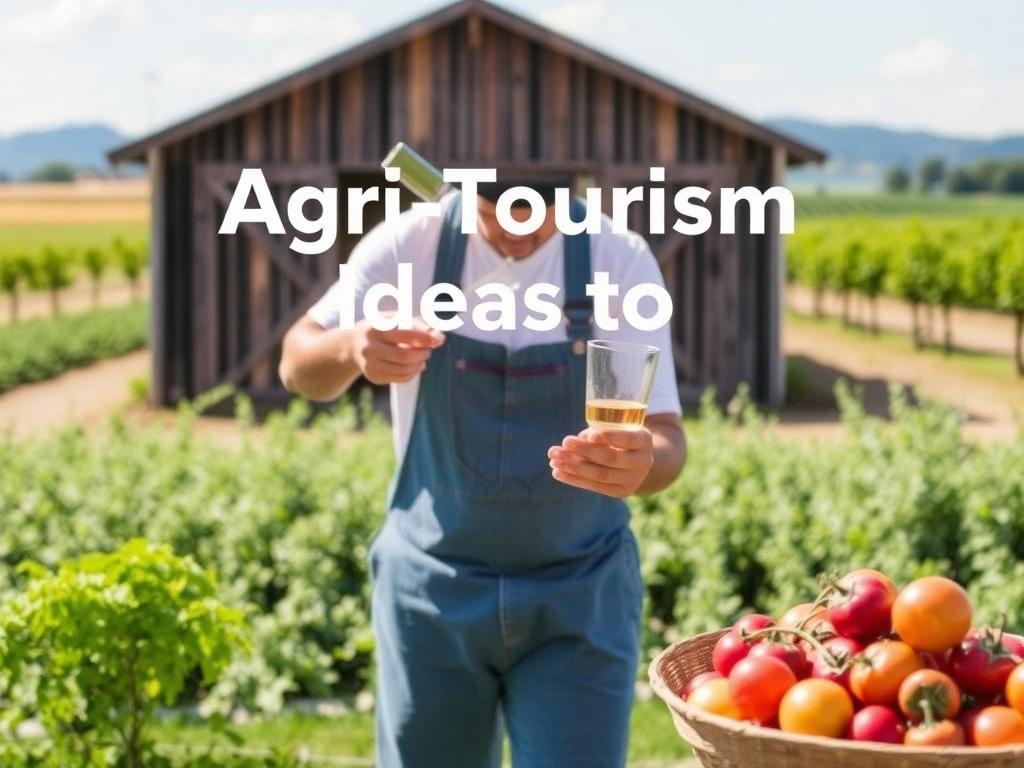
Brewing beer, making cider, or distilling spirits on-farm connects products directly to terroir and can attract niche tourism. Tasting rooms and tours create experiences that command higher prices than retail bottles alone. These operations require significant regulatory compliance, licensing, and capital, so evaluate closely before committing.
Partnering with an established craft brewer or cidery reduces startup complexity while giving your farm a branded outlet for fruit or grains. A tasting room can be an on-site magnet, and hospitality offerings often compound the value of other farm attractions. Ensure you have the production capacity or raw material supply to sustain the operation at scale.
Plan for noise, wastewater, and odor control, which can attract complaints if not managed. A well-run beverage operation can be a long-term anchor for your farm’s tourism calendar, offering regular tours, tastings, and seasonal releases that bring visitors back.
Photography sessions and media rentals
Many photographers and filmmakers seek scenic farms for portraits, fashion shoots, and location filming. Renting your landscape for short-term shoots is low-effort revenue with high per-day rates, especially during peak visual seasons. Create a clear location-use policy and a rate card so bookings are straightforward.
Designate a few photo-ready spots with easy access, parking, and power so shoots run smoothly and leave the farm intact. Require permits and deposits to protect against damage and ensure cleanup. Offer basic props or access to farm animals for an added fee, and build a portfolio of images that photographers can reference when deciding to book your site.
Wedding photographers, magazines, and local TV stations can be repeat customers if you preserve your reputation for reliability and accessibility. Keep an online gallery of past shoots to attract similar clients and speed booking decisions.
Volunteer programs, internships, and farm stays with work exchange
Work-exchange models can provide labor, create ambassadors for your farm, and deepen relationships with visitors. Programs like WWOOF-style exchanges bring hands-on helpers in return for housing and food, though they require clear agreements and supervision. These programs are less about direct revenue and more about capacity-building and education.
Design structured tasks, clear hours, and learning goals to make volunteer programs rewarding for both sides. Screen applicants, provide training, and assign a staff member to oversee the program to avoid inconsistency and safety gaps. Volunteers who leave inspired often return as paying guests or customers and recommend your farm to their networks.
Documenting volunteers’ experiences and sharing them on your website or social channels serves as authentic marketing. When well-run, these programs extend your workforce and deepen the farm’s social mission without compromising standards.
Operational considerations: staffing, scheduling, and workflows
Running tourism alongside production demands intentional scheduling so neither operation undermines the other. Create separate workflows for visitor days and heavy fieldwork, and delegate hospitality responsibilities so managers can focus on farm tasks. Cross-training staff helps during peak seasons when both harvest and visitor demand compete for attention.
Seasonal hiring is common in agri-tourism; cultivate a reliable pool of part-time workers and volunteers. Provide training manuals, checklists for opening and closing, and a simple point-of-sale system to reduce errors. Consider using reservation software for activities to predict load and staff efficiently.
Use visual calendars and clear task assignments to coordinate events, harvests, and maintenance. Regular pre-season meetings with your team help anticipate conflicts and create contingency plans. Documenting processes reduces reliance on one person and makes growth smoother.
Legal, insurance, and safety essentials
Agri-tourism faces unique legal and insurance considerations: guest injuries, property damage, and agricultural risks like livestock escapes. Consult an insurance broker with agri-tourism experience to design a package that covers general liability, participant liability, and property concerns. Liability waivers are common but not a substitute for comprehensive coverage and safe practices.
Check zoning, health department rules for on-site food sales, and any special permits for events or lodging. Local planners can flag requirements you might miss, such as restroom capacity, parking ratios, or wastewater treatment rules. Complying early saves fines and operational headaches later.
Safety planning should include first-aid kits, staff trained in CPR, controlled animal interaction protocols, and emergency evacuation routes. Perform a basic hazard assessment before opening activities to the public and regularly review policies after incidents or season changes. Transparent safety communication builds trust with guests and reduces your legal risk.
Marketing, branding, and building a calendar
Effective marketing for agri-tourism hinges on storytelling and consistent messaging across channels. Use your website, social media, local press, and email newsletters to tell the farm’s story, announce events, and show what a visit feels like. High-quality photos and short videos of real guests create stronger interest than stock images.
Create a seasonal calendar and promote it well in advance; people plan travel around weekends and holidays. Early bird tickets or referral discounts help generate momentum for new offerings. Local partnerships—tourism boards, farmer cooperatives, and visitor centers—amplify reach without heavy ad spend.
Track metrics: website traffic, booking conversion, cost-per-acquisition, and guest repeat rates. These numbers tell you what’s working and where to reallocate marketing dollars. Small farms often get the biggest return from email and local community engagement rather than broad paid ads.
Pricing, packages, and revenue management
Price experiences by value, not just cost recovery. Visitors pay a premium for unique, well-run experiences and for convenience. Experiment with tiered offerings—basic admission, premium add-ons, and VIP packages—to capture different customer segments and test price sensitivity.
Bundle products and experiences to increase average transaction value: a U-pick ticket plus a pie-baking kit, a farm dinner with overnight stay, or a class plus a market credit. Offer family and group rates to encourage larger bookings and spread fixed costs among more customers. Monitor occupancy or attendance limits to avoid giving away experiences just to boost headcount.
Use simple accounting to track profitability by activity. Some offerings will be loss leaders that build brand and market your retail products, while others should be true profit centers. Knowing which is which lets you decide where to invest for growth.
Managing seasonality and keeping revenue steady
Seasonality is a reality for most farms, but clever programming can even out revenue across the year. Winter events, greenhouse tours, cooking classes, and online product sales can maintain engagement during slow field months. A staggered calendar of smaller activations often works better than one large seasonally clustered event.
Consider subscriptions or memberships that provide consistent cash flow and encourage repeat visitation. Monthly farm boxes, members-only events, or early booking windows create predictable income and help forecast labor needs. Memberships also deepen customer loyalty and word-of-mouth referrals.
Diversify activities across seasons: harvest-centered events in fall, planting and education in spring, workshops in winter, and food experiences in summer. This mix keeps staff employed and spreads revenue risk while giving guests reasons to return in different months.
Measuring success and scaling thoughtfully
Define success beyond gross revenue: measure guest satisfaction, repeat visitation, product sales uplift, and operational efficiency. A program with modest revenue but high repeat rates may be more valuable long-term than a one-off event with large upfront costs. Track metrics and use them to decide whether to expand, refine, or retire an activity.
Scale intentionally. Add one new offering each year, test it, and refine logistics before expanding. When scaling, maintain quality—losing the personal touch often undermines repeat business that small farms rely on. Consider franchising or collaborating with neighboring farms to share the burden of large events and mutually amplify reach.
Invest in staff, infrastructure, and technology that support multiple activities—covered pavilions, upgraded restrooms, parking improvements, and reservation systems pay dividends across offerings. Sustainable growth balances visitor experience with farm health and your personal capacity as an operator.
Final practical checklist before you open
Before the first public opening, walk the site as if you were a guest and note friction points: parking, visibility of signage, restroom access, and staff visibility. Fix the highest-impact items first; a smooth arrival and clear directions significantly improve guest satisfaction. Prepare a simple FAQ for guests and a brief staff script to handle common questions consistently.
Confirm insurance, permits, and emergency contacts are current and accessible. Run a dress rehearsal with friends or family and invite honest feedback; small tweaks after a mock opening prevent larger problems during paid visits. Finally, set up ways to collect guest contact information so you can promote future events and build loyalty.
Agri-tourism can transform how your farm earns, connects with neighbors, and preserves land for future generations. With careful planning, attention to guest experience, and realistic scaling, these ideas can add meaningful and resilient income while sharing the rewards of rural life with visitors. Pick the projects that match your strengths, start small, and grow with intention.