Farming always has been a business of careful calculations and stubborn hope, where weather, markets, and biology conspire to keep even the best managers humble. Insurance is one of the few tools that turns uncertainty into a manageable cost, and the choices you make depend heavily on what you raise, where you operate, and how you market your products. This article walks through the main insurance options across farm types, practical trade-offs, and steps to build an insurance plan that fits the reality of your operation.
Содержание
Why insurance matters on farms
Insurance is financial triage: it preserves liquidity after a shock so the farm can keep operating rather than selling off assets or cutting productive inputs. A crop failure, livestock disease event, or a barn fire can erase a season’s earnings and ripple into future years without proper coverage.
Beyond indemnity payments, insurance affects access to credit, lease negotiations, and contract fulfillment. Lenders often require certain coverages, and having thought-through protections can lower borrowing costs and improve business resilience.
Understanding insurance basics for agriculture
Most agricultural policies fall into two broad categories: indemnity-based coverage that pays for a loss, and revenue-based coverage that protects expected income. Indemnity policies usually measure losses against yield or physical damage, while revenue products consider price and yield together to trigger payments.
Policies are written to cover named perils, yield shortfalls, price declines, or combinations thereof. Many government programs are cost-shared, and private insurers fill gaps or offer specialized endorsements, so understanding who underwrites what is the first practical step toward choosing coverage.
Common policy features you need to know
Premiums, deductibles, coverage limits, and policy triggers determine whether a plan helps in small setbacks or only catastrophic events. A lower deductible raises premium but shortens the time between loss and payment, which matters for cash-tight farms.
Endorsements and riders customize standard policies for specific risks such as hail, prevented planting, or revenue shortfalls. Ask about waiting periods, loss reporting timelines, and salvage rights—those operational details often define the real value of a policy.
Row crops and grain farms
Corn, soybeans, wheat and other field crops are well served by established federal crop insurance programs that focus on yield and revenue protection. Multi-Peril Crop Insurance (MPCI) and Revenue Protection (RP) products are the backbone for many grain farmers, managing yield shortfalls and price swings in a single instrument.
Crop-hail insurance is a common complement for hail-prone areas and can be tailored to stages of development or market value. Farmers often combine revenue-focused federal products with private hail and additional perils coverage to close specific gaps in protection.
For farms with multiple commodities or marketing arrangements, Whole-Farm Revenue Protection (WFRP) can be attractive because it insures overall revenue rather than individual crops. This option works well for diversified grain operations and farms with varied income streams, but it requires good recordkeeping of revenue history.
In practice, many grain farm managers layer coverage: a federal policy for the bulk of acres, crop-hail where needed, and marketing contracts or futures hedging for known price exposure. That blend reduces both production and market risk while keeping premiums proportional to the farm’s tolerance for smaller losses.
Specialty crops, orchards, and vineyards
Fruits, nuts, and wine grapes pose a different insurance challenge because losses can be sudden and permanent, and damage can span several years depending on tree or vine recovery. Traditional MPCI works for many specialty crops where practical, but timing and stage-of-loss rules are strict and sometimes don’t reflect the long-term damage to perennial plants.
Tree, bush, and vine coverage or nursery policies exist in many markets to address establishment loss, freeze damage, or fruit loss, but specialty growers often rely on crop-hail, private contracts, or mutual funds to manage risks that standard policies don’t cover. Frost, spring freeze, and late-season storms are common triggers that require prompt reporting and, in some cases, specialized loss adjustment.
Because specialty crops often command premium prices in the market, private crop insurers may offer revenue-based products tailored to the grower’s marketing system. Be aware that proving lost premium value—what the crop would have sold for as a specialty product—requires meticulous documentation and sometimes custom appraisal methods.
Many orchardists and vintners also invest heavily in preventive measures—wind machines, frost pumps, sprinkler systems—because the cost of prevention can be much lower than lost production plus higher insurance costs. Insurance is part of the toolkit, not a substitute for reasonable on-farm mitigation.
Dairy and livestock operations
Dairy and livestock production face intertwined risks: commodity prices, feed costs, animal mortality, and disease outbreaks. For dairy producers, programmatic options that protect margins—i.e., the difference between milk price and feed cost—are widely used and can stabilize cash flow in volatile periods.
Livestock producers can access specialized products such as Livestock Risk Protection (LRP) and Livestock Gross Margin (LGM) that focus on price and margin volatility. These tools are particularly useful when the herd is a major income source and market prices fluctuate sharply due to export shifts or feed-price shocks.
Animal mortality and theft are covered under standalone livestock insurance or as endorsements; disease outbreaks may be excluded or handled by emergency government programs depending on the event. Producers should check disease exclusions, movement restrictions, and the specific indemnity calculations for mortality policies.
On-farm biosecurity, vaccination programs, and animal identification systems reduce both the probability and magnitude of losses. Insurers often view farms with documented health protocols and strong recordkeeping as lower risk, which can translate into premium savings.
Poultry and egg producers
Poultry operations have high throughput and sensitive production cycles where a single disease event can lead to massive losses. Mortality insurance and business-interruption coverage that accounts for depopulation and decontamination costs are common necessities for commercial producers.
Many poultry producers operate under production contracts with integrators; those contracts often transfer market and some production risks. Contract growers should carefully review contract provisions and ensure their property and liability insurance align with contractual obligations and the integrator’s insurance.
Layer operations and broiler farms also face biosecurity and feed cost issues. Insurance that considers the barn structure, equipment (like automated feeders and climate control), and continuity of production—which can require temporary housing or stock replacement—should be part of an integrated plan.
Small farms, CSAs, and diversified operations
Small-scale and diversified farms often struggle with traditional agricultural insurance because product variety, small volumes, and direct marketing complicate valuation. Whole-Farm Revenue Protection is a notable exception since it insures overall farm revenue regardless of commodity type, making it a good fit for many diversified operations and Community Supported Agriculture (CSA) programs.
Farmowners policies provide a package that covers the dwelling, outbuildings, equipment, and liability for many small-holder operations. Those policies may need endorsements for commercial activities like on-farm markets, agritourism, or farm-to-table events to ensure liability is adequately covered.
Product liability and food safety concerns are increasingly important for farmers selling directly to consumers. Even small farms should consider separate product liability insurance or a business umbrella policy to protect against claims arising from food-borne illness or product contamination.
Organic farms and certification considerations
Organic producers face unique risk dynamics because higher market prices and costly certification processes change the stakes of a loss. Insurers and government programs recognize organic practices, but not all policies automatically account for the organic premium growers might have expected to earn.
Whole-farm approaches and revenue-based policies can better protect organic farms that lose premium value after a loss, but they require clean, verifiable revenue history during the organic transition and beyond. Recordkeeping—sales invoices, processor contracts, and market receipts—becomes essential in negotiating claims.
Transitioning acres present special exposure; if a transitional field fails, recouping lost time and certification progress is not straightforward. Because of this, organic producers balance insurance with tight on-farm quality controls and diversified marketing to smooth revenue during transition years.
Greenhouses, nurseries, and controlled-environment agriculture
Greenhouse and nursery operations depend on controlled environments, so equipment failure, power outages, and contamination events are primary risks. Standard crop policies may not cover losses from HVAC failure or electrical interruption, making equipment breakdown and business-interruption coverage vital.
Many greenhouse operators carry greenhouse-specific insurance that responds to temperature-related crop loss, mechanical failure, and loss of biological controls. Insurers often require preventive maintenance records and redundant systems to reduce premiums and avoid coverage gaps.
Nurseries and plant propagation operations also face pest quarantine and invasive species risks, which can lead to costly eradication orders. Policies that include contamination and government action coverage—where available—help mitigate the costs of compliance and replanting after regulatory interventions.
Aquaculture and fisheries
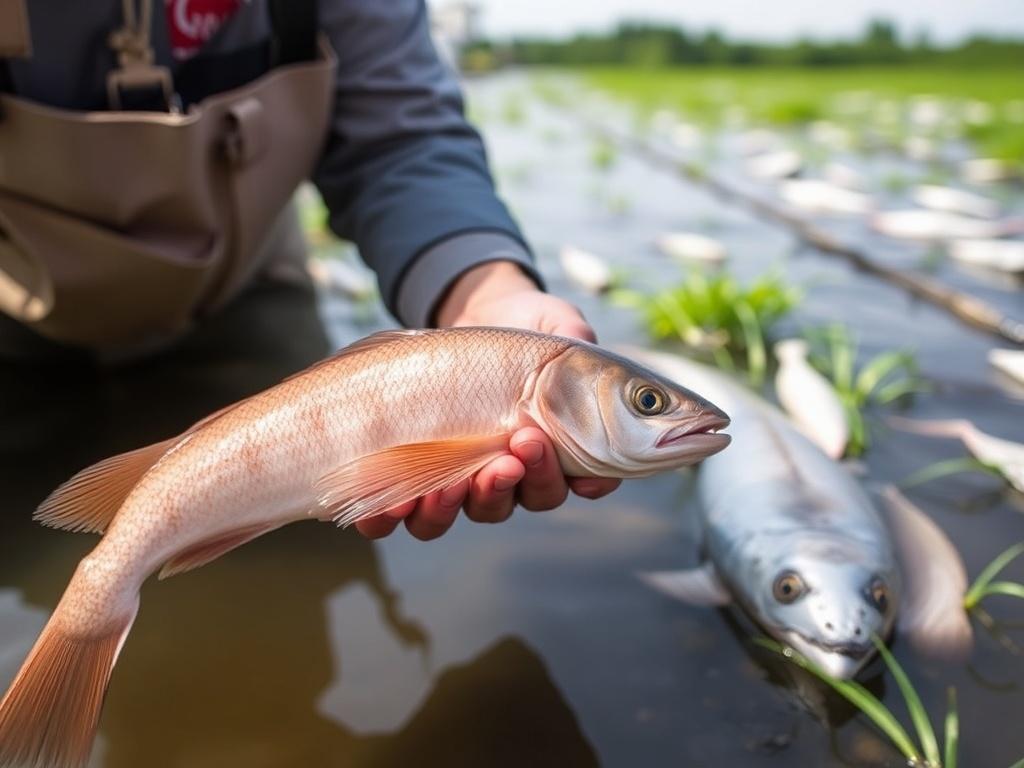
Aquaculture raises specialized risks tied to water quality, disease, and environmental events. Mortality insurance and water-quality monitoring programs are common tools, and some regions offer index-based products that trigger payments when water temperature or oxygen thresholds are breached.
Pollution liability, fish kill response, and equipment failure (pumps, aerators) are critical coverages for pond or tank-based systems. Because aquaculture is less standardized than field crops, many farms combine private insurers, cooperative arrangements, and targeted mitigation measures to manage risk.
Seafood producers and commercial fisheries also contend with regulatory closures, market access, and piracy or theft in some locales. Insurance that accounts for business interruption due to closures and supply-chain disruptions can be an important part of maintaining market relationships.
Hobby farms and equine operations
Hobby farms and horse operations have insurance needs that straddle personal property and business exposures. Mortality and major medical policies for high-value animals, liability for riding or boarding activities, and coverage for barns and arenas are commonly required by boarding agreements and event hosts.
Liability limits should reflect the realities of equine activities, which can involve guest riders, lessons, and events. An umbrella policy that increases liability coverage and covers gaps between commercial and personal policies is often a cost-effective addition.
Those who host clinics, lessons, or trail riding should ensure their policy explicitly covers these activities. Exclusions for organized events or commercial instruction can leave operators exposed if they assume a homeowners policy is sufficient.
Insurance for farm equipment, structures, and liability
Property coverage for barns, silos, grain bins, and equipment protects the capital investments that enable production. Many farmowners policies bundle these elements, but heavy machinery and specialty equipment may require separate scheduled coverage to ensure agreed values are recognized at settlement.
Liability insurance protects personal injury and third-party property damage claims arising from farm operations, including hosted agritourism and on-farm sales. Pollution liability and environmental impairment endorsements should be considered where fuel, pesticides, or manure handling create contamination risk.
Equipment breakdown and mechanical failure policies cover the high cost of replacing compressors, boilers, and other machinery crucial to day-to-day operations. When a refrigeration unit or mill fails, those policies can make the difference between a temporary setback and a permanent loss of customers.
Alternative risk management tools beyond insurance
Insurance is one part of a broader risk-management portfolio that can include futures and options, forward contracts, diversification, and off-farm income. Commodity hedging through futures and options can reduce price risk for row crop and livestock producers, though familiarity with these tools is necessary to avoid unintended exposure.
>
Index insurance—where payouts are triggered by measurable parameters like rainfall or temperature—can be faster and cheaper than indemnity-based policies for some risks, though basis risk (where the index doesn’t match the farmer’s actual loss) must be understood. Community-based or cooperative arrangements can also spread risk in ways traditional insurance does not.
Mitigation actions—irrigation infrastructure, improved genetics, fencing, and biosecurity—lower exposure and can reduce premiums. Consider each dollar spent on mitigation as an investment that both lowers expected losses and makes you a more attractive applicant to underwriters.
Choosing the right insurance mix
Start with a clear list of your exposures: per-acre production risk, market or price risk, capital equipment exposure, and liability events. Rank those risks by probability and financial impact, and then match products to the highest-priority exposures rather than buying every available policy.
Consider the farm’s cash flow and tolerance for retained losses. Some operators prefer higher deductibles and lower premiums to preserve cash for other investments, while others buy lower deductibles to avoid disruption when a loss occurs. There’s no single “right” answer; the choice depends on both risk appetite and cash reserves.
Think about how insurance interacts with other risk tools like marketing contracts, cooperative pooling, and savings. A comprehensive plan integrates insurance with these tools rather than layering redundant protections that drain capital without improving resilience.
Working with agents, adjusters, and government programs
Find an agent who specializes in agricultural insurance and understands your type of operation. Agricultural insurance requires nuance: coverage options, endorsements, and reporting requirements differ from standard homeowners or commercial policies, and an experienced agent will spot gaps that generalists miss.
Federal programs, administered by agencies like the USDA Risk Management Agency and the Farm Service Agency, provide a framework and cost-share for many crop and livestock policies. Those programs also establish loss-adjustment protocols and reporting deadlines that farms must follow precisely to preserve eligibility.
Keep a relationship with an adjuster or have a plan for rapid contact after a loss. The quicker you report and document, the more straightforward indemnity calculations and salvage arrangements become, which speeds the return to production and reduces dispute risk.
Claims process and recordkeeping best practices
Timely notice and meticulous documentation make claims faster and more robust. Keep yield histories, planting dates, sales invoices, and photographic records; these are often core components of a claim and may be required to trigger payments under revenue-based policies.
Stop any salvage or cleanup that could destroy evidence until you consult the insurer in major losses, but balance that with safety and biosecurity considerations. Document everything: timestamps, temperatures, scouting notes, and a chronological account of actions taken before and after the event.
Work respectfully but assertively with adjusters and be prepared to provide supporting data like sample analyses, lab results, and third-party appraisals for specialty crops or high-value livestock. Discrepancies are easier to resolve when both sides share clear documentation and consistent assumptions.
Cost control and subsidy strategies
Premiums can be the largest ongoing cost of an insurance program, so controlling them without exposing the farm unduly is essential. Evaluate coverage levels annually, adjust deductible choices based on cash position, and consider group discounts through producer associations or cooperatives when available.
Take advantage of cost-sharing and premium subsidy programs where eligible. These programs lower the barrier to obtaining meaningful coverage and are especially important for smaller farms or those with tight margins.
Invest in loss prevention that has a strong return on investment: fencing to prevent stray livestock losses, firebreaks around structures, and redundancy for critical systems often reduce both expected losses and insurance premiums. Those investments also improve insurability in the long run.
Real-life examples and lessons learned
When I worked with a midwestern grain operation, they chose revenue protection on corn and soybeans and added crop-hail for high-value fields near a hail-prone ridge. After a storm season, the revenue policy covered price drops while crop-hail addressed the isolated field damage—together they prevented the operator from liquidating equipment to meet cash needs.
A small organic orchard I visited relied on a mix of private tree insurance and intensive frost-mitigation practices. When a late freeze hit, the orchard’s sprinkler system and wind machines reduced the worst damage, and the private coverage helped with replanting costs that the grower’s normal crop policy wouldn’t have recognized.
On a dairy operation I consulted with, the producer paired a margin protection program with forward feed purchases during a period of low prices. That strategy kept margins tolerable while avoiding the volatility from making spot feed purchases at market peaks, illustrating how insurance and smart purchasing can work together.
Practical examples of layering coverage
Layering means matching coverages to the loss magnitude and timing you most fear. For example, a mixed crop-livestock farm might use MPCI on major grain acres, LRP for a core finishing herd, a farmowners policy for buildings, and a business umbrella for extra liability protection. Each layer addresses a different risk dimension and payment timeline.
A vineyard might carry frost mitigation investments and a temperature-index product to provide rapid payouts after a cold snap, plus a revenue product to guard against a seasonal price collapse. This combination helps the vineyard remain solvent while waiting for longer, more complex indemnity claims to process.
Table: quick comparison of farm types and recommended insurance options
Negotiating with insurers and reading the fine print
Policy language matters; exclusions, definitions, and condition clauses determine whether a loss is covered. Negotiate agreed values for high-value items and get endorsements in writing for activities such as on-farm events, food processing, or storage for third parties.
Ask for sample claim scenarios from your agent that are specific to your farm type and geographic region. That exercise clarifies how policies respond in practice and reveals hidden limits, such as waiting periods or sub-limits for specific perils.
Managing catastrophic and systemic risks
Catastrophic risks—major droughts, market collapses, or disease outbreaks—require special planning because no single policy will cover all consequences. A combination of insurance, emergency savings, contractual fixes, and participation in community response plans is usually necessary.
For systemic risks like a regional disease outbreak, government programs often provide disaster assistance, movement compensation, or indemnity payments under declared emergencies. Being plugged into local extension services and industry groups helps farms access those resources quickly when they’re activated.
Succession planning and estate implications of insurance choices
Insurance decisions have estate and succession implications, since proceeds can be part of a farm’s liquid assets and affect equalization among heirs. Consult with an advisor about how policy ownership, beneficiary designations, and cash-value policies may fit into broader succession plans.
Well-structured insurance can protect the transfer of productive assets by ensuring the operation remains viable during transitions. Conversely, inadequate coverage can force asset sales at the worst possible time and complicate family agreements.
Emerging trends and innovations in agricultural insurance
Technology is changing actuarial models: satellite imagery, remote sensing, and machine learning improve index products and speed up claims. These innovations can lower costs for both insurers and producers, though adoption varies by commodity and region.
Parametric and index-based products are gaining traction in regions where traditional policies are expensive or administratively burdensome. These products trade some basis risk for speed and affordability, which can be the correct decision for certain farms with limited cash reserves.
Questions to ask your agent
Which perils are excluded and which require endorsements?
How are losses calculated—by yield shortfall, price variance, or both?
Are there waiting periods or reporting deadlines that could affect my claim?
What documentation will I need to support a claim for my specific operation?
How do these policies interact with my lender’s requirements or production contracts?
Checklist: setting up insurance for your farm
Start by documenting your assets, revenue streams, and highest risks, then prioritize coverage for exposures that would threaten ongoing operation. This inventory makes discussions with brokers and underwriters efficient and reveals where mitigation spending yields the best return.
Maintain clear, dated records of planting, sales, and maintenance to support any future claims. Set calendar reminders for acreage reporting, premium deadlines, and renewal windows so you never miss critical program dates that could affect eligibility or payment timelines.
Regularly revisit your insurance mix after significant changes—a new enterprise, added acres, or a major equipment purchase—to ensure your policies reflect reality. Insurance is dynamic; the plan that fit five years ago may not protect you today.
Final practical tips
Insure the exposures that would force you to sell productive assets or stop business operations first; convenience or low-probability perils come afterward. Use mitigation measures to lower both risk and premium where effective, and document everything precisely.
Choose an agent who explains not just premiums but how losses are measured and what evidence will be required at claim time. Frequent review, honest risk assessment, and a blend of insurance and non-insurance tools will leave your farm better prepared for whatever comes next.
Insurance on the farm is never a silver bullet, but when chosen and used intelligently it keeps the lights on, the animals fed, and the fields planted after the unexpected. Treat the process as strategic planning, and you’ll build a risk-management program that protects both production and the people who depend on it.