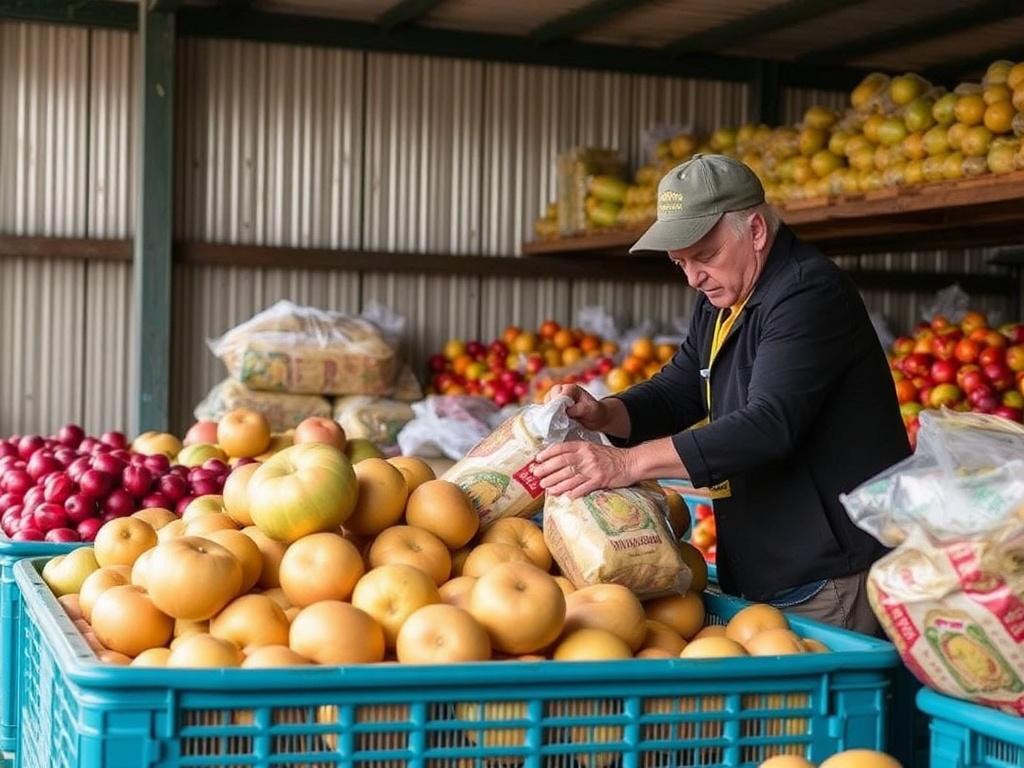
Every harvest brings a rush of decisions: which bins to prioritize, how to route workers, when to cool product, and how to get crates out the door without losing quality or time. The packing shed is where produce meets market, and small inefficiencies multiply into lost revenue or wasted fruit. In this article I’ll walk through practical strategies—layout, equipment, labor, and metrics—that tighten each step of the process so your harvest moves with purpose and precision.
Содержание
Why packing-shed efficiency matters now
Markets demand consistently high quality and fast turnaround. If your packing shed is a bottleneck, fruit sits warm too long, markets shift, and labor costs climb. Efficiency is not just about speed; it’s about protecting quality, reducing waste, and creating predictable throughput that buyers can rely on.
Improved throughput often frees up capacity for more acreage without raising overhead proportionally. That means better margins, happier buyers, and less seasonal chaos. The investments and process fixes described below pay back in lower shrink, fewer rejections, and a steadier harvest rhythm.
Pre-harvest planning: layout and workflow design
Before the first crate comes in, the shed layout should read like a map of your operation’s needs. Logical sequencing—receiving, sorting, washing, grading, cooling, packing, and shipping—minimizes handling and cross-traffic. Each step should flow into the next with minimal backtracking and clear sightlines for supervision.
Plan for peak conditions. You can run a shed efficiently for a slow morning, but efficiency is tested during the busiest hour. Sketch multiple layout scenarios, then walk the shed at harvest speed with staff or a few empty bins to stress test them. Surface problems reveal themselves when people move through space.
Mapping the flow: ingress to shipping
Trace the journey from field to truck and aim to keep it linear. That means a receiving bay near the field access, a staging area for bins, and a one-way flow that avoids intersections. Consider separate lanes for returns and empty containers to avoid mixing clean and dirty stock.
Signage and colored floor markings help drivers and pickers follow the intended route. In my experience helping convert a small packing shed, a simple painted “keep left” path and labeled staging zones cut vehicle congestion by half and prevented several misrouted loads during peak harvest.
Work zones and ergonomics
Divide the shed into distinct work zones with tools and supplies allocated to each. A grader station should house scales, handheld scanners, and packaging materials within arm’s reach. Comfortable, well-lit, and well-drained stations speed worker rhythm and reduce fatigue-related mistakes.
Ergonomics is often overlooked but yields immediate returns. Adjustable-height tables, anti-fatigue mats, and proper lifting aids reduce injury risk and maintain output. When we introduced adjustable tables at a vegetable packing line, workers reported less back strain and throughput rose because people could pace themselves longer without breaks for discomfort.
Case example: rearranging for a berry harvest
On a mid-sized berry farm I consulted with, the shed was an old barn retrofitted over years with ad hoc extensions. During peak summer, bins piled up and the packing line became a slow-motion traffic jam. We reoriented the line so receiving and cooling were perpendicular rather than opposite, which halved handling time for each bin.
We also introduced a temporary overflow staging area outside under shade cloth for morning peaks. That simple addition allowed crews to unload field bins quickly and return to picking without waiting for line space, which improved field productivity and reduced backlogs in the shed.
Equipment and technology that speed processing
Investing in the right equipment is a force multiplier, but it has to match your volume and crop characteristics. Over-automation wastes capital on low-volume crops; under-equipped sheds waste labor and quality. Match scale to technology and favor modular systems that grow with you.
Key categories to evaluate are sorting and grading equipment, cooling and washing systems, and traceability tools. Prioritize equipment that minimizes handling and integrates with existing workflows to avoid creating new bottlenecks.
Sorting and grading tools
Manual sorting remains common for delicate crops; however, mechanized graders increase consistency and speed for uniform fruit. Optical sorters, belt graders, and shaker tables can remove foreign matter and grade by size and color. Start with semi-automated systems that augment human decision-making rather than replace it.
For mixed-size or specialty markets, flexible graders that accept different chute sizes and adjustable conveyors are better long-term. When purchasing, ask for demonstrations with your actual product—appearance in the vendor’s demo may not reflect performance on your crop.
Washing, cooling, and packing machinery
Proper cooling is non-negotiable; it preserves shelf life and reduces decay. Forced-air coolers, hydrocoolers, and room chilled systems each have trade-offs in throughput, water use, and cost. Hydrocooling is fast for certain crops but demands water management, while forced-air systems are gentler but slower.
Packing machinery that aligns with buyer requirements—tray sizes, liner types, or clamshell formats—reduces repacking at distribution centers. Modular packing stations with a few automated tasks (labeling, sealing) can speed throughput while keeping capital investment reasonable.
RFID, barcode, and traceability systems
Traceability reduces errors and speeds recall management when problems occur. Barcode and QR systems are inexpensive and integrate well with mobile devices. RFID offers hands-free scanning but requires higher upfront costs and infrastructure adjustments.
Implement traceability at receiving and carry it through cooling and shipping. A simple ledger paired with barcode labels can drastically cut the time to locate a lot and provide buyers with the provenance data they increasingly demand.
Equipment
Primary benefit
Typical scale
Semi-automatic grader
Consistent sizing, reduces manual sorting
Small to medium sheds
Hydrocooler
Rapid field heat removal
High-throughput berry/leafy operations
Forced-air cooler
Gentle, even cooling, lower water use
Most produce types
Labor management and training
Labor is often the largest variable cost during harvest, and managing it well reduces both direct expenses and error rates. Clarity in roles, staggered shifts, and fast onboarding protocols make seasonal work manageable and predictable. Investing in training yields disproportionately large performance gains.
Think of your labor plan as a network rather than a heads count. Supervision, float workers, and a rapid-response pool for unexpected surges keep the line moving when someone calls out or a truck arrives early.
Seasonal workforce planning
Forecast labor needs from historical harvest data and factor in weather uncertainty. Use a conservative baseline for critical tasks and keep a flexible pool for peak days. Contract labor partners, local agencies, or cross-trained full-time staff can fill short-term gaps without long hiring cycles.
Shift scheduling matters. Shorter, focused shifts with clear break patterns maintain intensity during harvest windows. Rotating roles slightly keeps workers engaged and reduces monotony-related errors that accumulate on long, undiversified tasks.
Training, standard operating procedures, checklists
Standard operating procedures (SOPs) turn individual knowledge into consistent practice. SOPs for cleaning, grading thresholds, packing configurations, and emergency responses reduce variability. Keep SOPs concise and accessible—laminate copies at each station for quick reference.
Practical training combines demonstration, hands-on practice, and immediate feedback. Use a buddy system pairing new hires with experienced workers and run short pre-shift huddles to set daily targets. Visual aids and simple metrics on boards help workers see progress and correct course during the shift.
Conduct a rapid orientation covering safety, workflow, and station-specific tasks.
Demonstrate each task at full speed, then let the trainee repeat while giving feedback.
Use checklists for the first 3–5 shifts; remove them as competence and confidence grow.
Hold brief end-of-shift reviews to capture issues and improvements for tomorrow.
Inventory, cold chain, and logistics
Inventory management in a packing shed is about timing. Too little staging causes idle trucks; too much risks spoilage. The right balance keeps trucks rolling and product cooled. Plan staging lanes and dock access so shipments load quickly and without confusion.
Cold chain integrity is critical from field pickup to final delivery. Monitor temperature continuously and make cooling a first-class process in the shed—shippers and retailers will pay for proven cold chain control with repeat business and fewer rejections.
Cold chain management best practices
Set target temperatures by crop and monitor with continuous loggers. Place loggers on representative pallets rather than relying solely on room sensors. Regularly calibrate equipment and maintain door seals to prevent temperature creep during loading.
Pre-cool loading docks before trucks arrive and match truck refrigeration settings to your pallet temperature at loading. A common mistake is loading chilled pallets into a warm truck and assuming the truck will immediately cool them; avoiding that misstep reduces condensation and decay risk.
Just-in-time shipping and staging
Just-in-time (JIT) staging reduces double-handling and storage time. Coordinate with drivers and buyers to tighten windows and use staging bays that keep shipments accessible and protected. For perishable premium produce, prioritize same-day outbound windows when possible.
Implement simple color-coded staging tags that indicate shipping time windows and urgency. That visual cue speeds decisions at the dock and ensures priority loads do not linger behind less urgent stock.
Quality control and waste reduction
Quality control should be a continuous thread in the packing process, not a final gate. Early detection of defects saves the cost of rework and creates opportunities for value recovery through secondary markets or processing. Make QC a shared responsibility rather than a single person’s duty.
Document QC findings and review them daily. Trends in defects often point back to field practices, transport conditions, or cooling performance, and addressing root causes prevents repeated losses.
QC sampling plans and data use
Design sampling plans that balance statistical value with speed. For high-volume lots, sample multiple crates across the lot rather than inspecting entire loads. Use simple scorecards that capture defect type, severity, and probable cause so data can inform quick corrective action.
Use collected QC data to run short weekly reviews with field managers. I once saw a consistent spike in stem-end damage traced to a change in field packing crates; reversing the crate type cut that damage instantly. Data turns anecdotes into fixable problems.
Value recovery and byproduct handling
Not all off-grade product is waste. Sorting product into value tiers—fresh market, processing, donation—recovers value and reduces disposal costs. Build relationships with local processors and food banks ahead of harvest to ensure smooth redirecting of lower-grade lots.
Composting and anaerobic digestion are options for unrecoverable waste, and both can be integrated into a sustainability plan that reduces disposal fees and creates soil amendment or energy credits.
Sustainability and energy efficiency
Sustainability intersects with efficiency. Using less energy and water often lowers operating costs while improving resilience. Evaluate the environmental footprint of cooling, washing, and lighting and prioritize upgrades that give both environmental and economic returns.
Energy-efficient measures can include variable-speed fans, LED lighting, better insulation, and heat-recovery systems. Water reuse systems cut water costs and reduce contamination risks when designed properly.
Energy-efficient equipment and renewable energy
Variable frequency drives (VFDs) on fans and pumps allow airflow and cooling to match demand, saving significant energy compared to constant-speed systems. Upgrading to LED lighting reduces heat gain and lowers electricity use for lighting and cooling combined.
Solar arrays tailored to your daily load profile can offset energy costs during peak harvest months. At one farm I worked with, running a refrigerated room off a solar-battery setup during afternoon peaks trimmed the electricity bill noticeably and reduced generator runtime during emergency backup events.
Water conservation and reuse
Install settling tanks and filtration for wash water reuse where crop and regulatory conditions permit. Closed-loop wash systems reduce freshwater demand and lower effluent volumes that require treatment. Properly managed washwater reuse also saves on water heating costs when recovered heat is redirected.
Track water usage at each station. Small leaks or inefficient spray systems can waste substantial volumes over a season; a single retrofit to nozzles with better atomization often pays for itself in months, not years.
Continuous improvement: metrics and culture
Efficiency gains come from incremental improvements, sustained by a culture that tracks performance and rewards problem solving. Define a short list of meaningful metrics and review them daily during harvest to keep attention focused on what matters.
Make improvement everyone’s job. Encourage frontline staff to suggest changes and test ideas on a small scale before rolling them out. Successful tweaks often come from the people who live the process every day.
KPIs to track
Choose KPIs that reflect quality, speed, and cost. Typical useful measures include throughput per hour, average time from receiving to cooling, percent of shipments on-time, yield loss percentage, and labor minutes per crate. Keep the dashboard simple and visible so the team stays aligned.
Use short-cycle feedback: weekly snapshots for strategic trends and daily mini-reviews for operational issues. When a KPI moves unexpectedly, perform a quick “five whys” to find root causes instead of applying surface-level fixes that won’t stick.
How to run a harvest after-action review
Close the season with a focused after-action review that captures wins, missed opportunities, and concrete actions. Include representatives from field, shed, logistics, and sales to ensure cross-functional learning. Document lessons and assign owners to improvement items for next season.
Make the review short and task-oriented. A successful meeting concludes with a prioritized list of improvements, responsible people, and timelines. This creates momentum and ensures that good ideas translate into implemented changes.
Practical checklist for a packing shed upgrade
A tangible checklist helps convert strategy into action. Below is a compact upgrade roadmap you can apply whether you run a small family shed or manage multiple packing lines. Tackle high-impact, low-cost items first and schedule capital purchases during the off-season.
Action
Expected benefit
Estimated time/cost
Repaint floor flow lanes and signage
Reduce vehicle/worker congestion
Low cost; 1–2 days
Install adjustable packing tables and mats
Improve ergonomics and throughput
Low-medium cost; 1 week
Implement barcode traceability
Faster recalls, buyer confidence
Medium cost; 2–4 weeks
Upgrade to VFD fans and LED lights
Energy savings and cooling efficiency
Medium cost; 1–2 months
Set up a QC sampling and reporting routine
Reduce rejections and identify root causes
Low cost; ongoing
Financing and phased implementation
Large upgrades can be phased to spread cost and validate benefits at each step. Start with quick wins—layout changes, SOPs, training, and minor equipment—that improve baseline performance. Use the savings and improved metrics to justify further investment in larger capital items.
Explore grants, agricultural loans, and energy-efficiency rebates to offset upfront costs. Many utilities offer incentives for VFDs, LED retrofits, or refrigeration upgrades, and these can significantly shorten payback periods.
Common pitfalls and how to avoid them
Choosing equipment without testing it on your product is a common mistake. Vendors often showcase ideal scenarios; insist on pilot trials and references from farms with similar crops and volumes to avoid mismatches. Run a trial over several shifts and under different loads before committing.
Another frequent pitfall is underestimating the human side: poor training or unclear expectations nullify even the best equipment gains. Spend as much effort designing training programs and SOPs as you do selecting new machines.
When automation backfires
Automation backfires when it lacks context. For example, a high-speed grader installed without redesigning feeding stations can create new bottlenecks upstream. Treat automation as part of the system, not a silver bullet, and ensure upstream and downstream processes can match the new pace.
Start with modular automation that you can scale and reconfigure. This reduces the risk of stranded capital and allows you to integrate new capabilities as volumes grow or market demands change.
Managing change with crews
Introduce changes incrementally and involve crews in testing. People resist change when they lack agency or fear job loss. Frame efficiency upgrades as tools that make work safer, less repetitive, and more rewarding, and reward crew suggestions that deliver measurable improvements.
Use pilot teams to model new processes and gather feedback. Early adopters become advocates and demonstrate benefits tangibly to skeptical workers, smoothing broader adoption across the workforce.
When you step back, a packing shed is a micro-economy of flows: materials, people, information, and energy. Tighten one flow, and others respond. The practical path to greater packing shed efficiency is deliberate redesign, targeted equipment, disciplined labor practices, and metrics that tell you when to push and when to adapt. These investments don’t just speed harvest—they protect quality, expand market access, and turn seasonal chaos into a predictable, repeatable operation ready for the next harvest.