Every season brings the same nervous energy: will the crew arrive on time, learn fast enough, and handle the weather swings without losing the harvest? Managing a seasonal workforce is less about luck and more about systems—clear job design, consistent training, thoughtful logistics, and humane leadership. This article lays out practical steps you can take to hire and manage seasonal workers so your planting, pruning, or harvest window becomes a controlled, repeatable operation rather than a frantic scramble.
Содержание
Why seasons change everything for labor
On many farms the busiest weeks determine the bottom line, and seasonal labor determines whether those weeks succeed. Unlike year-round employees, seasonal workers come with compressed timelines: they need to be recruited, vetted, trained, and productive in a matter of days or weeks. That pace magnifies mistakes and rewards preparation.
Seasonality also creates unique human dynamics. Workers may travel, stay in temporary housing, or balance multiple jobs during the year. If you expect consistent productivity, you must design processes that accommodate turnover, cultural differences, and varying levels of prior experience without lowering your quality standards.
Plan your labor needs before the calendar flips
Start by mapping the crop calendar backward from harvest or peak activity. Break the season into phases: pre-plant prep, planting, maintenance, pest and disease mitigation, and harvest. For each phase, estimate crew size, skill mix, tools, and shift lengths rather than guessing based on last year’s chaos.
Use simple worksheets to translate acreage and yield targets into labor hours. Track historical productivity by task—how many rows an experienced harvester covers per hour, how long pruning takes per plant—and apply conservative rates when deciding how many hands you’ll need. A small buffer for delays and sickness prevents catastrophic shortfalls.
Sources of seasonal labor: pros and cons
There are multiple channels to recruit seasonal workers, each with different cost structures and legal considerations. Local workers can be reliable and easier to manage but may be limited in number. Hired help through agencies or contractors adds convenience but reduces direct control over hiring practices.
Another option is the H-2A guest worker program, which allows employers to bring in international workers for temporary agricultural work when domestic labor is insufficient. H-2A offers a legal pathway but requires strict compliance with wages, housing, transport, and paperwork. Choose channels that match your capacity for recruiting, supervising, and meeting legal commitments.
Quick comparison of hiring channels
Channel
Speed
Control
Cost
Local walk-ins
Fast
High
Low
Temp agencies
Moderate
Medium
Moderate
H-2A guest workers
Slow (lead time)
High
High
Seasonal returners (past employees)
Fast
High
Low
Crafting clear job descriptions that attract the right people
Effective job descriptions are brief, specific, and honest. Describe tasks, expected pace, physical demands, schedule, pay, and housing or transportation details if you offer them. When workers know what they’re signing up for, you reduce early turnover and confusion on day one.
Include required certifications or skills only if they’re essential; otherwise note that training will be provided. Emphasize what makes the job manageable—regular breaks, shade, water, and safety equipment—to attract candidates who value safe working conditions and longevity in their seasons.
Recruitment tactics that actually work
Mix digital and analog recruitment. Post on local job boards, social media groups, farm co-op newsletters, and community centers. For bilingual or immigrant-worker communities, partner with trusted local organizations or churches and provide flyers in the appropriate languages.
On smaller farms I’ve worked with, the most reliable hires arrived through referrals from previous seasons. Incentivize referrals with small bonuses for workers who bring back teammates that complete a minimum number of days. Word-of-mouth multiplies the effect of your formal advertising.
Screening: balance speed and care
When hiring seasonal workers, time is a constraint but screening still matters. Use short interviews and practical demonstrations to assess stamina, reliability, and willingness to learn. Avoid long, formal interviews that scare away good applicants who are ready to work immediately.
Check references when possible and confirm work authorization in compliance with federal regulations. For positions involving machinery or driving, verify relevant certifications and a clean driving history. Document your checks so you can show due diligence if questions arise later.
Onboarding: first days set the tone
A structured onboarding process accelerates productivity and reduces accidents. Prepare a concise orientation that covers expectations, job tasks, compensation, break times, and emergency procedures. Give new hires a clear daily schedule and a point of contact for questions.
Pair new workers with experienced crew members for the first few shifts so learning happens on the job. Practical shadowing beats long lectures; seeing and doing cements procedures faster than any handout. Provide basic, job-specific checklists so newcomers know the measurable standards you expect.
Onboarding checklist (ordered)
Collect personal information and work authorization documentation.
Provide written job description and shift schedule.
Explain pay rates, pay periods, and any deductions transparently.
Conduct safety orientation and issue personal protective equipment.
Assign a mentor and run a short practical skills demonstration.
Document completion of onboarding steps and maintain records.
Training for speed, quality, and safety
Training should be modular and task-focused. Break complex tasks into bite-sized lessons: how to pick fruit to avoid damage, how to prune to specific standards, or how to operate a sprayer safely. Short, repeated practice sessions beat long one-time lectures.
Use visual aids—photos, diagrams, or short videos in the relevant language—so learning doesn’t rely solely on verbal instruction. Measure competence with a quick skills test or supervised trial shift before assigning workers to critical tasks during peak windows.
Supervision models that motivate without micromanaging
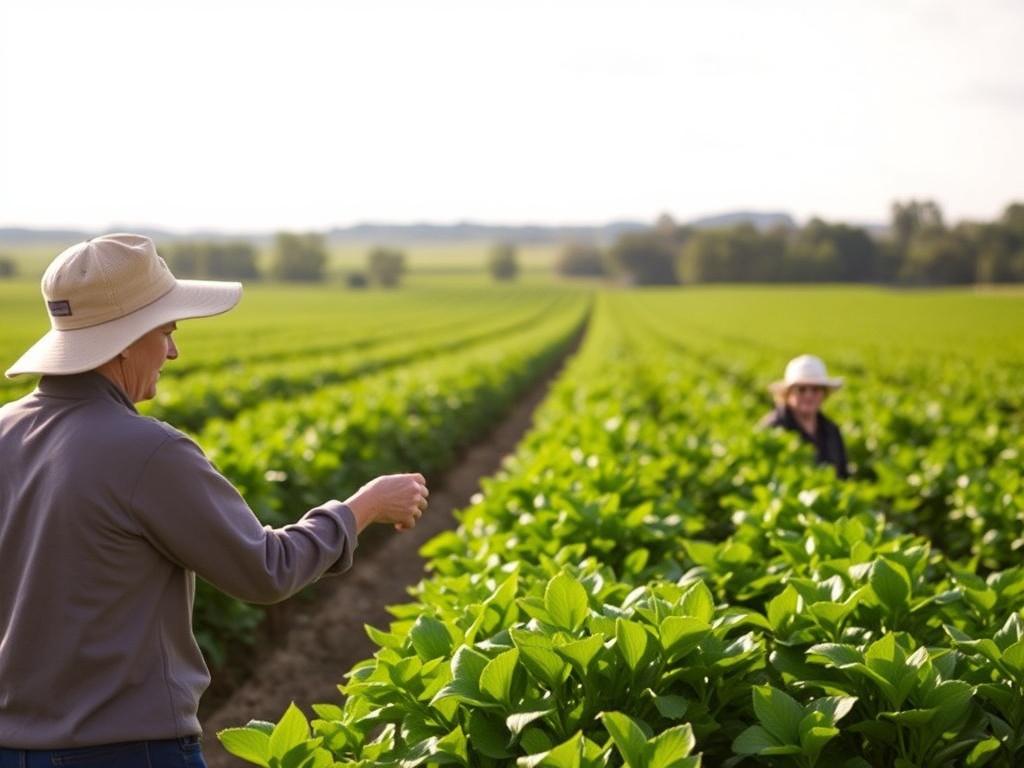
Good supervision combines clear expectations, regular feedback, and trust. Set daily production goals that are realistic and tied to fair pay. Walk the fields early to model standards and give immediate, specific feedback rather than vague criticism.
Empower crew leads by giving them authority over small operational decisions—who works where, who takes breaks, and how to handle minor quality issues—while you handle the bigger logistics. This keeps supervisors close to the work and reduces your constant involvement in micro-decisions.
Compensation strategies to attract and retain workers
Pay structure affects motivation. Hourly pay is straightforward and ensures fairness for beginners, while piece rates can reward efficiency but must be carefully monitored to ensure safety and quality. Consider blends—hourly base with performance bonuses—to balance steadiness and incentive.
Be transparent about pay and deductions. Late or confusing payments erode trust quickly. If you offer housing, meals, or transport, state their value in the hiring materials and ensure these arrangements meet legal and ethical standards.
Housing and transportation: logistics that make or break retention
When workers travel to your farm, predictable housing and reliable transport become essential parts of your offering. If you provide housing, it must meet local health and safety codes, offer privacy, and include reasonable amenities like hot water and secure storage for personal belongings.
Organize transport schedules to avoid long waits and to minimize lost work time. For remote farms, shuttle services between central towns and the fields save daily fatigue and allow workers to access local services. Remember that poor logistics increase absenteeism and reduce morale.
Health, safety, and compliance on the ground
Safety is non-negotiable. Maintain a written safety plan that covers heat illness prevention, pesticide use, machine guards, and first aid procedures. Train everyone in recognizing symptoms, administering first aid, and reporting hazards without fear of reprisal.
Comply with OSHA and EPA rules where applicable, and stay current with state laws on labor, housing, and transportation. Insurance, workers’ compensation, and accurate payroll records protect both your business and your employees if accidents occur. Audits and inspections go more smoothly when documentation is organized and accessible.
Safety basics checklist
Daily water and shade rotations during heat waves.
Mandatory PPE for tasks that require it (gloves, eye protection, masks).
Clear signage for chemical storage and equipment zones.
At least one trained first aid responder per crew.
Incident reporting protocol and regular toolbox talks.
Cultural competence and communication
Seasonal workforces are often culturally and linguistically diverse. Simple gestures—posting schedules in the crew’s languages, providing translated safety materials, and using pictorial guides—reduce misunderstandings. Respectful communication builds loyalty and makes supervision smoother.
Regular crew meetings that invite feedback create opportunities to resolve small issues before they escalate. When workers feel heard and know that managers act on reasonable suggestions, they are likelier to return in subsequent seasons and to talk positively about your farm to others.
Managing conflict and discipline humanely
Conflict is inevitable when people work hard under stressful conditions. Handle disputes quickly, privately, and consistently. Use clear, documented progressive discipline: verbal warning, written warning, suspension, and termination, while giving workers chances to correct behavior.
Always focus on the behavior and its impact rather than personal attacks. Offer mediation between workers if cultural misunderstandings are part of the issue. Keeping discipline fair and predictable prevents rumors and instability within the crew.
Performance measurement and incentives
Measure both productivity and quality. Track daily outputs by team and task, and record defect rates or crop damage. Data helps you identify bottlenecks, reward top performers, and provide targeted training where needed.
Incentives can be financial or non-financial: bonuses for meeting harvest targets, contests for quality picks, or recognition ceremonies at the end of the season. Small, frequent rewards often motivate better than big, distant payouts because they reinforce desired behaviors in real time.
Using returning workers to reduce hiring friction
Retaining a core group of returners stabilizes your operation and saves recruitment time and cost. Keep records of past seasonal workers—contact details, performance notes, and any certifications—so you can invite the best back first. Returning workers require less onboarding and often help train newcomers.
Offer modest incentives for returners, such as a loyalty bonus or preferential shift selection. Consider formalizing a “returning worker” status that guarantees an interview and a spot for those who met standards in prior seasons. That predictability becomes a recruiting tool when word travels through communities.
Technology and tools to support fast cycles
Simple technologies can make a significant difference. Mobile apps for shift scheduling, digital timekeeping, and crew messaging streamline communication and reduce paper chaos. Even offline-capable tools that sync when internet access is available help remote farms stay organized.
For larger operations, consider lightweight workforce management platforms that handle hiring paperwork, payroll export, and documentation for compliance programs like H-2A. The right tools reduce administrative load and let managers spend more time supervising in the field.
When mechanization is the right answer
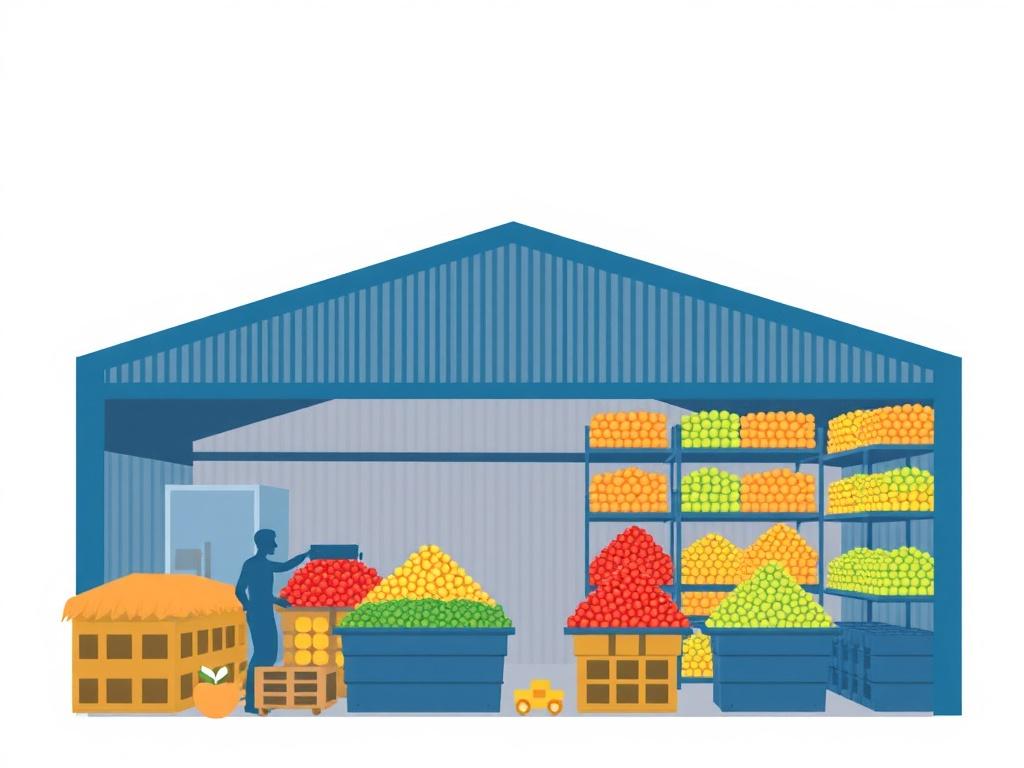
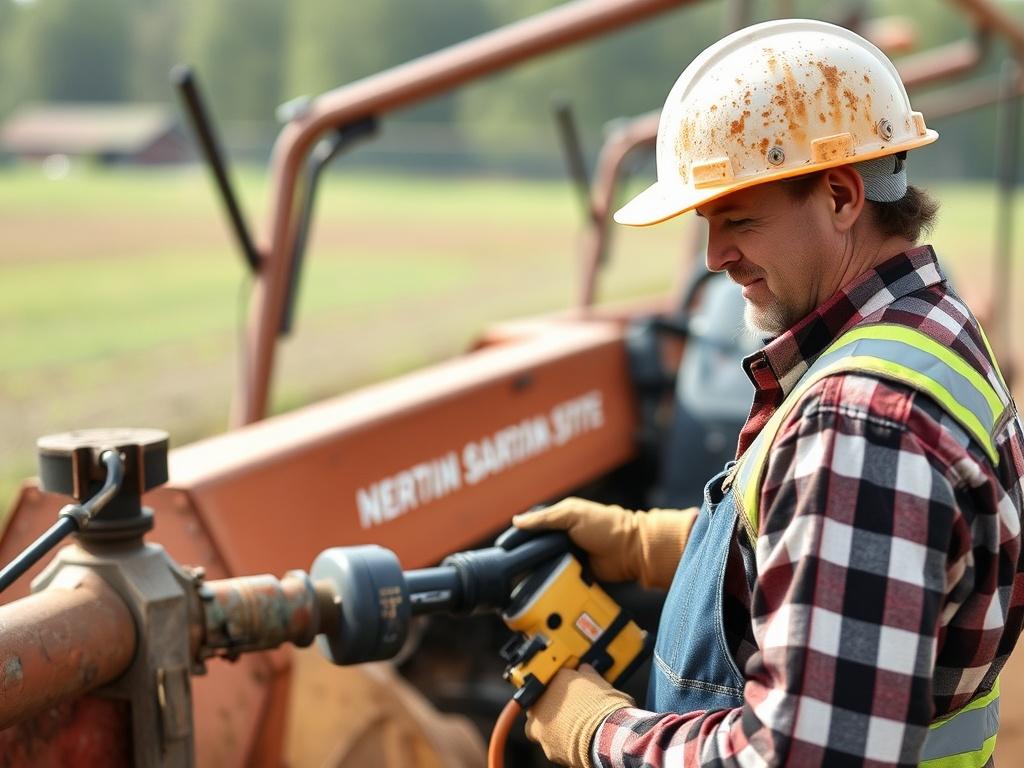
Mechanization reduces labor dependency but comes with trade-offs: capital expense, maintenance, and the need for skilled operators. Evaluate mechanization by task—can a harvester maintain the quality you require, or is hand-sorting essential? Sometimes a hybrid model (machines for bulk work, people for delicate tasks) offers the best value.
Invest in training and maintenance plans before buying equipment. A broken machine during peak harvest can be worse than having fewer workers. Match equipment size and type to your operation’s scale and crop characteristics to avoid over-investing in machinery you won’t fully use.
Contingency planning for weather, pests, and no-shows
Build resilience into your labor plan. Have an on-call list of short-notice workers, and maintain relationships with local temp agencies or neighboring farms that can lend help in an emergency. Cross-train staff so people can shift between tasks when priorities change suddenly.
Prepare logistics buffers: extra bins, transport contingency routes, and backup housing options. Plan harvest windows with weather variability in mind and communicate potential changes early to your crew so everyone can adapt without panic.
Recordkeeping: protect your business and your people
Keep organized, searchable records of hours worked, wage payments, housing assignments, and training completions. These records are critical for payroll accuracy, labor audits, and resolving future disputes. Digital records reduce the risk of lost documents and make reporting easier at season’s end.
Hold a short debrief after the season to document what worked and what failed. Capture metrics such as yield per worker-hour, turnover rate, and incident rate. Use this simple post-season intelligence to refine your plans for the next year.
Case study: a mid-sized berry farm’s seasonal turnaround
A five-acre berry farm I consulted with was losing crews mid-season for two years running. The owner relied on local walk-ins and repeated the same rushed orientation on day one. Productivity dipped and quality suffered as workers left for higher-paying, better-organized farms nearby.
We introduced a structured onboarding packet, simple visual training aids in two languages, and a modest day-one bonus for showing up and completing orientation. The owner also began documenting returning workers and offered a small loyalty bonus for those who returned the following season. By the third season, turnover fell by half and harvest windows ran smoothly, increasing net revenue without a major wage hike.
Practical templates you can use now
Start with a two-page operations sheet for each task: expected output per hour, tools required, safety notes, and quality standards. Post these where crews meet and include them in the onboarding packet. The transparency sets expectations and gives crew leads a clear reference when coaching workers.
Create a simple daily log for foremen: date, crew size, weather conditions, tasks completed, production metrics, incidents, and notes. A single sheet per day accumulates into a valuable dataset for planning future seasons and identifying recurring problems.
Legal pitfalls to avoid
Common legal mistakes include misclassification of workers, failure to pay proper wages and overtime where applicable, inadequate housing conditions, and poor documentation of work authorization. Missteps can lead to fines, lawsuits, and reputational damage that outlast any seasonal gain.
If you use guest worker programs, follow every requirement carefully—from recruitment rules to housing standards. When in doubt, consult an attorney or a reputable farm labor organization; the cost of advice is typically small compared to the risk of noncompliance.
Building a reputation that attracts quality workers
Word travels fast in agricultural communities. Farms known for treating workers fairly, paying on time, and providing decent housing attract better applicants. Conversely, a bad reputation means you’ll overpay premium rates or settle for less reliable crews.
Invest in consistent, humane management practices: predictable schedules, clean housing, respectful supervision, and transparent pay. Those investments pay back over several seasons through lower turnover and higher average productivity per worker.
Final practical tips for steady improvement
Keep your systems simple and repeatable. Develop standard operating procedures for hiring, onboarding, safety, and payroll so you’re not reinventing the wheel each season. Simplicity scales better and reduces stress for workers and managers alike.
Track a handful of key metrics—turnover, incident rate, yield per worker-hour, and on-time crew attendance—and review them within a week of season end. Small, targeted changes based on those numbers create steady improvement over several seasons and build a more resilient farm operation.
Hiring and managing seasonal farm labor effectively is a mixture of foresight, empathy, and disciplined execution. With clear job designs, honest recruitment, consistent training, safe housing, and fair pay, you’ll find that seasonal peaks become predictable, your workforce becomes a community, and profitability becomes less of a roller coaster. Start where you are: map next season’s critical weeks, recruit early, and document every step so lessons compound year after year.