Farm equipment sits at the center of every successful operation, yet it’s easy to treat machines as appliances—there until they suddenly aren’t. A deliberate approach to maintenance changes that story: routine care, careful records, and a few thoughtful habits can keep tractors, combines, planters, and sprayers running smoothly when the weather and market demand require them most. This article focuses on Farm Equipment Maintenance: Preventive Care to Avoid Downtime and offers actionable steps you can apply tomorrow to reduce breakdowns, save money, and protect your livelihood.
Содержание
Why preventive maintenance matters more than quick fixes
Waiting for a failure is expensive in more ways than the repair bill. A single unscheduled breakdown during planting or harvest can cost lost acres, rushed overtime, and damage to reputation with buyers and neighbors who depend on your timing.
Preventive maintenance shifts the balance from reactive firefighting to proactive planning. When small issues are caught early, they rarely cascade into catastrophic failures, and parts are easier to source and install on a schedule instead of at 2 a.m. in a muddy field.
Beyond immediate savings, a consistent maintenance program increases resale value and prolongs useful life. Equipment with full maintenance histories sells faster and brings better prices because prospective buyers can see the investment you’ve already made in care.
Start with a clear maintenance plan
A plan turns good intentions into repeatable actions. Begin by listing each machine on the farm, its key components, manufacturer intervals, and the seasons when the machine must be shipshape.
Set priorities by focusing on machines critical to planting and harvest windows and those with complex systems like hydraulics or electrical controls. These get the highest inspection frequency and quickest access to spare parts.
Translate the plan into an easy-to-follow calendar with daily, weekly, monthly, and seasonal tasks. Use color-coding or mobile reminders so nothing slips when the pace picks up.
Make checklists your frontline defense
Checklists turn expert knowledge into a consistent routine and prevent shortcuts when stress levels climb. Keep concise, machine-specific checklists in cabs or on durable placards in the shop for quick reference.
Include simple items such as fluid levels, visible leaks, tire pressure, and grease points on daily checklists, while reserving deeper inspections for monthly or seasonal reviews. Train operators to tick boxes honestly—an unchecked box in the morning can save an afternoon of downtime.
Digital checklists synced to a shared farm account work well when multiple operators are involved. They create a timestamped trail that helps diagnose when a problem began and who last operated the machine.
Daily and pre-operation inspections
Spend ten minutes before starting any major machine. A pre-op walk-around is cheap insurance: look for loose belts, disconnected hoses, low fluids, damaged lights, and anything unusual under the machine.
For wheeled equipment, check tire inflation against the recommended PSI and inspect for cuts, bulges, and uneven wear. If you operate tracks, examine shoes and tension to avoid track derailment in critical moments.
Operators are the first line of defense, so make pre-op checks part of their routine and reward reporting. Empowered operators who know the signs of impending failure are far more effective than emergency repairs after a breakdown.
Weekly and monthly routines that catch problems early
Weekly inspections should deepen the pre-op checks to include grease fittings, battery electrolyte (if applicable), belt tension, and lubrication points. Look for gradual leaks at joints and fittings that might get worse over time.
Monthly checks should examine filters, fuel system cleanliness, air intake restrictions, and the condition of hydraulic hoses. Replace any filters showing signs of clogging and clean air intakes to prevent power loss or overheating.
Keep a consistent schedule for oil and oil filter changes based on hours of operation and manufacturer guidance, not calendar dates alone. Logging engine hours makes it easier to time services to actual use patterns and avoid premature wear.
Seasonal maintenance: preparing for planting and harvest
Seasonal readiness is where preventive care pays its biggest dividends. Before planting, ensure planters and seed meters are calibrated, that coulters are sharp, and that monitor systems are fully functional. A crooked seed meter or worn opener can reduce germination uniformity across acres.
Before harvest, inspect combines for wear on concaves, sieves, and bearing clearances. Clean grain handling systems and test unloading augers under load conditions before the harvest peak to avoid 4 a.m. surprises.
After busy seasons, perform cleaning, detailed inspections, and preventive replacements so the machines enter dormancy in good condition. A thorough post-season check minimizes corrosion and rodent damage during storage.
Lubrication and fluids: the invisible foundation
Proper lubrication prevents metal-on-metal contact, reduces friction-related failures, and detects trouble early when grease appears contaminated. Follow manufacturer grease types and intervals for bearings, pivot points, and slides.
Monitor fluid levels daily for coolant, engine oil, transmission fluid, hydraulic oil, and fuel. Use sight glasses and dipsticks; unexpected drops often indicate leaks that will worsen unless addressed.
Fluid condition matters as much as level—look for milky oil (possible coolant contamination), dark or burnt-smelling fluids, and metallic particles in the pan or filters. Those signs call for immediate inspection and often a compression of service intervals.
Tips for efficient lubrication
Keep color-coded grease guns and dedicated lubrication charts for each machine. That prevents cross-contamination and makes the right grease choice obvious to anyone on the crew.
Strategically place grease points that can be serviced from ground level whenever possible to improve safety and reduce time spent on ladders. Consider adding remote grease banks for machines that are difficult to reach.
When working in cold weather, store lubricants indoors to maintain pumpability and avoid wasted labor trying to force thickened grease into fittings on freezing mornings.
Electrical systems and battery care
Modern equipment relies on electrical systems for diagnostics, guidance, and control—neglected wiring and batteries are a common source of downtime. Check battery terminals for corrosion, secure mounting, and charge state regularly.
Inspect wiring loom insulation for chafing and routed areas near heat or pinch points. Moisture intrusion into connectors is a recurring problem; use dielectric grease on connections exposed to the elements to repel water.
Keep spare fuses, bulbs, and basic sensors on hand, and ensure your multimeter and diagnostic software are available in the shop. A simple voltage check often separates electrical issues from mechanical ones quickly and cost-effectively.
Tires, wheels, and tracks: traction and reliability
Tire pressure affects fuel economy, compaction, and traction—regularly check and adjust pressure for load and field conditions. Track systems need different attention: monitor shoe wear, sprocket condition, and tensioning mechanisms.
Look for irregular wear patterns that might indicate alignment or suspension problems. Replace tires before deep sidewall cuts become failures; field punctures are fixable, but degraded sidewalls are a liability during heavy loads.
For heavier machines, confirm wheel torque to manufacturer specifications after 50 hours post-tire mount and again seasonally. Loose lugs are a preventable cause of wheel studs shearing under stress.
Hydraulic systems and PTO care
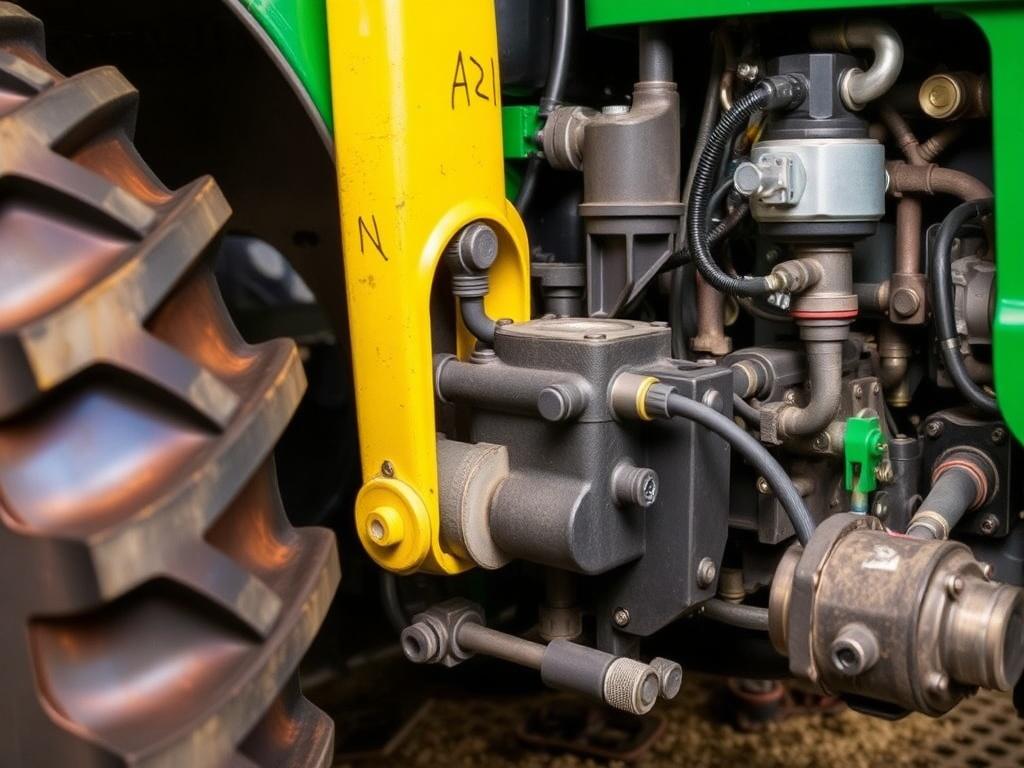
Hydraulic hoses, fittings, and cylinders are workhorses that operate under high pressure and temperature. Inspect hoses for abrasions, kinks, and swelling; replace hoses showing hardening or cracked outer covers.
Hydraulic fluid contamination shortens pump life dramatically, so maintain clean reservoirs and change filters at recommended intervals. When you open the system, use filtered containers and avoid working in dusty conditions.
PTO shafts and driveline components need regular lubrication and shield checks. A missing PTO guard is a safety and repair risk—replace guards immediately and ensure splines are clean and greased to prevent wear.
Belts, chains, cutters, and wear parts
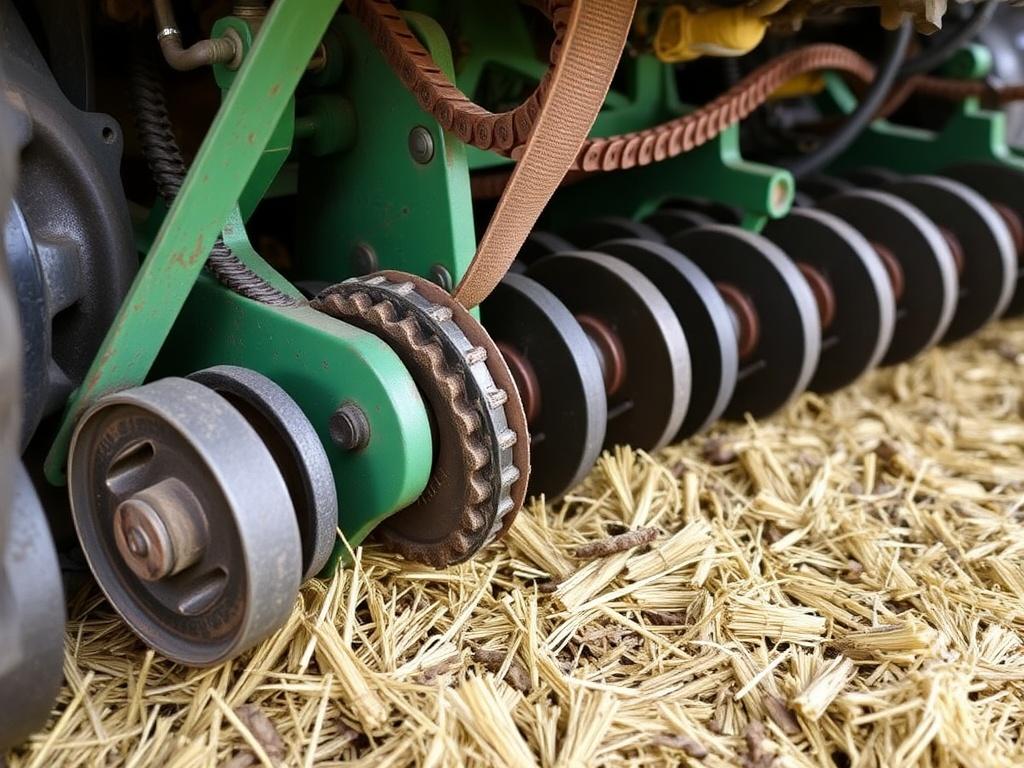
Wear parts determine the quality and efficiency of the work your machine does. Blades, belts, chains, and sprockets are cheap compared to the loss of productivity from dull or broken components during peak activity.
Keep spare belts and replacement cutters in stock based on usage patterns and seasonal peaks. When you change a belt, inspect pulleys and tensioners as well—often a failed tensioner kills the new belt prematurely.
Sharpen or replace cutting edges in a controlled setting so you enter a busy run with a full complement of fresh parts. For example, a rotary cutter with dull blades increases fuel use and leaves uneven cuts that impact follow-up tasks.
Simple inspection routines for wear parts
Use a visual wear gauge or simple ruler to compare current component dimensions to new parts. For chains, measure elongation regularly and replace before polarity or pitch issues cause tooth damage to sprockets.
Record lifecycle data: how many hours does a belt typically last in your conditions? Knowing this helps you pre-order spares and plan downtime for scheduled replacements rather than emergency stops.
Storage, winterizing, and protecting machines off-season
Storage is preventive maintenance in slow motion—what you do when equipment is idle determines the start-up reliability months later. Clean machines thoroughly to remove crop residues, corrosive fertilizers, and dirt that attract moisture and pests.
Winterize cooling systems with the correct concentration of antifreeze, protect fuel systems from condensation by topping off tanks, and add stabilizer if fuel will sit for months. Disconnect batteries or keep them on float chargers to prevent sulfation and failure.
Seal cabs and plug exhausts to prevent rodent nesting. Rodents chew wiring and insulation, and their damage often shows up as mysterious electrical faults in the following season.
Operator training and cultivating a maintenance culture
Operators who know the machines and respect early-warning signs reduce breakdowns significantly. Invest in brief, hands-on training that teaches simple diagnostics, pre-op checklists, and reporting procedures.
Create incentives for preventative behavior: recognition, small bonuses, or time-off awards for operators who maintain clean logs and catch problems early. A positive maintenance culture is cheaper than disciplinary programs for sloppy equipment care.
Rotate operators through different machines occasionally so more of your crew can spot issues across types. Cross-training prevents a single-operator knowledge bottleneck and improves scheduling flexibility during busy weeks.
Spare parts strategy and relationships with vendors
Parts availability often dictates how quickly a machine can return to work. Keep critical spares—belts, filters, hoses, bearings, and common sensors—on the shelf based on historical consumption and lead times for your suppliers.
Build strong relationships with local dealers and independent shops. A good parts vendor can provide advice on long-lead or hard-to-find items and may help expedite shipping during peak seasons.
For older or specialty machines, consider stocking serviceable rebuild kits or used parts sourced through trusted salvage channels. Rebuilds can be economical when supported by good inspection and testing procedures.
Scheduling and minimizing downtime during peak seasons
Plan maintenance windows so they don’t overlap with critical fieldwork. If possible, schedule routine servicing during low-activity times or stagger machine maintenance to keep replacements available when something is taken out of service.
Create contingency plans: have a backup tractor or contractor relationships to cover urgent needs. When weather compresses planting or harvest windows, having a prearranged plan prevents panic rentals and rushed repairs.
Use a maintenance calendar that matches seasonal workflows and includes buffer days for unexpected delays. Anticipating a 24–48 hour window for an in-shop repair reduces stress and helps prioritize parts ordering and labor allocation.
Cost-benefit: measuring the return on preventive maintenance
Quantify spending on preventive maintenance versus costs of unscheduled repairs, lost productivity, and accelerated depreciation. Track metrics like downtime hours per machine, repair costs per hour of operation, and resale value differences for well-maintained equipment.
Small, consistent investments in maintenance usually produce outsized returns. For example, replacing a worn bearing proactively may cost a few hundred dollars and an afternoon in the shop, whereas a seized bearing could damage a gearbox and cost thousands plus a week of downtime.
Use a simple spreadsheet or software to model scenarios and justify maintenance budgets. When operators and owners see the numbers, it becomes easier to treat preventive maintenance as an operating investment rather than a discretionary cost.
Technology that multiplies your maintenance effectiveness
Telematics and onboard diagnostics make targeted maintenance smarter by reporting engine hours, fuel consumption anomalies, and error codes in real time. These tools sharpen your response and help prioritize interventions before failures occur.
Basic technology investments—digital logs, maintenance management apps, and sensor kits—improve scheduling and parts forecasting. Use platform-agnostic systems when possible so data from different brands integrates into a single view.
Don’t rely solely on automation; combine sensor data with visual inspections. Technology is powerful, but a trained operator’s eye often detects subtle problems that sensors cannot yet interpret.
Sample maintenance task list
Below is a concise checklist you can adapt to most tractors, combines, and implements to start reducing downtime immediately.
Weekly: Grease fittings, inspect belts/chains, look for hydraulic drips, charge batteries if needed.
Monthly: Change filters as required, test electrical charging system, inspect brakes and clutch operation.
Seasonal: Sharpen/replace wear parts, calibrate monitors and metering systems, clean cooling systems, winterize or spring prep.
Record-keeping: the story your machines will thank you for
Records turn maintenance into a knowledge asset. Log every service event, including date, hours, parts replaced, and who performed the work, so you can track trends and spot recurring failures tied to specific components.
When resale time arrives, a detailed maintenance record reassures buyers and adds tangible value to the sale. For internal use, records help you predict when parts will need replacing and allow bulk purchasing to reduce costs.
Use paper logs for simplicity or adopt a farm management software that syncs with mobile devices. The key is consistency—partial records are less useful than a simple habit followed every time.
Common mistakes and how to avoid them
Many failures trace back to a few repeated mistakes: skipping pre-op checks, using incorrect fluids, ignoring small leaks, and deferring parts replacements until they fail. Addressing these behaviors prevents most downtime.
Another common error is poor storage—leaving equipment exposed to the elements invites rust and electrical damage. Clean and shelter machines when possible and use breathable covers to avoid trapped moisture.
Finally, don’t assume that because a machine “starts” it’s fit for heavy work. A limp engine can run but fail under load; always perform a short functional test under the conditions likely to be encountered in the field.
Developing an SOP for maintenance
Create a standard operating procedure for each machine that details daily checks, lubrication points, inspection frequencies, and emergency contacts. SOPs make training easier and help maintain consistent standards when personnel change.
Include photos or diagrams for key steps to make the SOP accessible and quick to follow. Place laminated copies in the shop and digital versions on shared devices for easy access.
Review and refine SOPs after seasons; real-world use will reveal gaps and opportunities to streamline procedures. Treat SOPs as living documents that improve with experience.
Real-life example: a harvest saved by timely maintenance
On a neighbor’s farm, a combine began overheating during the second week of harvest due to clogged radiator fins from high-chaff conditions. Because the operator followed a simple daily inspection and noted rising coolant temperatures, the problem was caught before a stuck fan bearing caused catastrophic damage.
They cleaned the radiators, replaced a failing fan bearing with a part from the spare bin, and rebalanced the fan the following evening. What might have been a multi-day repair and lost tonnage turned into a short maintenance window and a full harvest with minimal disruption.
That example highlights a practical truth: timely attention and small spare inventories prevent large headaches in busy seasons.
Sample maintenance schedule table
The following table gives a simple reference for interval-based tasks you can customize for your machines and conditions.
Plan the maintenance budget like a crop input budget. Forecast parts and service costs based on past seasons and known replacements, and set aside contingency funds for unexpected but inevitable issues.
Buy in bulk where practical, but avoid overstocking slow-moving items. Negotiate seasonal discounts with suppliers and schedule deliveries outside peak shipping periods to avoid delays.
Consider service contracts for complex systems like precision guidance or advanced electronics if local expertise is limited. A well-chosen contract can reduce downtime and provide access to factory-trained technicians when needed.
When to call a professional
Not every problem is a DIY fix, especially electrical control failures, major gearbox issues, or structural damage. Call a professional when diagnostics show internal transmission problems, when specialized lift equipment is required, or when safety is at risk.
Use local shops for faster turnaround and to support the rural service network; develop a relationship before you need urgent help so they know your equipment and history. During the off-season, invite technicians to perform deeper inspection and preventive service to avoid peak-season wait times.
Finally, keep detailed failure notes and ask technicians for a clearly written repair plan and cost estimate before work begins. That makes decisions easier and prevents surprises when bills arrive.
Final thoughts: routine as resilience
Preventive maintenance is less glamorous than a new machine, but it yields the steady, quiet returns that keep farms profitable and stress manageable. When the calendar tightens and weather pressures mount, a disciplined maintenance routine is the difference between calm productivity and frantic repairs.
Start small: pick a single high-priority machine, implement a pre-op checklist, and track the results for a season. As improvements mount, scale your program across the fleet and institutionalize the habits that protect uptime and margins.
With a plan, consistent execution, and the right relationships for parts and service, downtime becomes a rare event instead of an inevitable crisis—and that reliability lets you focus on the work that actually grows the farm.