Farms are workplaces, homes, and classrooms all at once. That mix is what makes them rewarding and makes safety complicated; you need rules that protect kids, families, seasonal workers, and full-time employees without turning the place into a sterile, joyless environment.
This article lays out clear, usable steps you can adopt immediately and improve over time, blending practical routines, training ideas, and examples that fit farms of all sizes. I’ll include checklists, a simple table for inspections, and small changes that yield big reductions in risk.
Содержание
Why clear safety protocols matter on the farm
Every year, agricultural operations see more severe injuries per worker-hour than most other industries. That reality is not an abstract statistic; it means fewer family dinners, lost wages, and long-term disability for people you care about. A thoughtful set of rules and habits changes outcomes before accidents happen.
Safety isn’t only about avoiding tragedies. Well-defined practices increase efficiency, reduce downtime, and improve morale. When everyone knows the expectations and consequences, work flows better and newcomers settle in more quickly.
Creating a safety culture that sticks
Culture is built by consistent actions, not posters. Leaders set the tone by modeling safe behavior, acknowledging good practice, and treating near-misses as learning moments rather than opportunities for blame. That kind of environment encourages people to speak up when something isn’t right.
Start weekly safety routines and make them routine. Short, focused toolbox talks, a five-minute hazard check before risky tasks, and visible corrective actions after problems demonstrate that safety matters in everyday decisions rather than being a once-a-year chore.
Conducting risk assessments and routine inspections
Seasonal changes shift the hazards on a farm. A winter risk profile looks different from summer. Schedule risk assessments at key points: planting, harvest, winterizing equipment, and when new staff or family members start. Regular reviews keep controls relevant.
Inspections should be brief, purposeful, and recorded. Use a simple form with checkboxes for common items and a space for corrective actions and deadlines. Consistent documentation makes trends visible and supports training priorities.
How to run a practical hazard review
Walk the operation with a checklist and at least one other person. Walk the fields, barns, shop, and yards during the busiest hour you can manage; risks often appear only when the pace is up. Talk about hazards as you see them and note who uses each area and when.
Prioritize hazards by likelihood and severity. Fix high-impact, likely issues first—exposed moving parts, unstable ladders, or blocked emergency exits. Lower-priority items can be scheduled for later, but every item needs an assigned owner and a finish date.
Simple inspection checklist
Below is a compact inspection table you can adapt to your farm. Keep a printed copy in the office and a digital version on a shared drive so everyone can add notes and see history. The table is intentionally concise to encourage regular use rather than becoming an ignored document.
Area
Common issues
Action required
Assigned to
Due
Machine shop
PTO guards missing, oil leaks
Install guards, repair leaks
Mechanic
7 days
Barn
Loose boards, wet floors, electrical outlets
Replace boards, improve drainage, check wiring
Barn manager
14 days
Fields
Blind spots for machinery, children playing
Mark work zones, restrict access
Field lead
3 days
Update this table after each inspection and review outstanding actions in a short weekly meeting. The visible commitment to closing items builds trust and keeps hazards from lingering.
Machinery and vehicle safety
Tractors, combines, ATVs, and pickups are essential tools and major sources of harm when protocols are lax. Regular maintenance, correct attachments, and conservative operating rules reduce incidents dramatically. Treat every machine as having the potential to injure and plan accordingly.
Make pre-start checks universal: brakes, steering, tires, lights, PTO shields, and hitch pins. Train everyone who operates equipment on these checks and require a sign-off during their first week on the job and annually thereafter.
Safe operating rules for tractors and implements
Never allow riders on tractors unless the seat is specifically designed for passengers. Use slow speeds on slopes, and always hitch implements at the correct points. Use roll-over protective structures (ROPS) and seatbelts consistently; those two items together save lives.
Keep power take-off (PTO) systems shielded. Many serious injuries happen when clothing or limbs are drawn into moving shafts. If a guard is missing, the machine must be removed from service immediately until repaired.
Lockout/tagout practices for small farms
Lockout/tagout isn’t only for factories; it’s vitally important in farm shops where multiple people may work on equipment. When maintenance is performed, isolate the energy source—remove keys, disconnect batteries, and block moving parts from unexpected motion.
Use simple, durable tags and a clear rule that no one operates tagged equipment. Keep a small supply of lockout devices in the shop and train every employee on their use during orientation and refreshers.
Chemical safety and safe storage
Pesticides, fertilizers, and solvents are routine tools, but they demand respect. Store chemicals in a locked, ventilated room with secondary containment, and maintain up-to-date Safety Data Sheets (SDS) within easy reach. Keep incompatible chemicals separated according to SDS guidance.
Mixing and application require PPE, weather awareness, and correct calibration of equipment. Never let inexperienced people mix chemicals without supervision, and ensure all containers are clearly labeled in the language your workers read best.
Spill response and disposal
Create and practice a spill response plan that identifies absorbent materials, disposal procedures, and emergency contacts. Small spills that are ignored become large problems if they contaminate water or soil. Regularly restock spill kits and check expiration dates on absorbents and neutralizers.
Dispose of unused or expired chemicals through community take-back programs when available. Never bury or burn chemical containers; follow local regulations for hazardous waste to avoid fines and environmental damage.
Animal handling, housing, and biosecurity
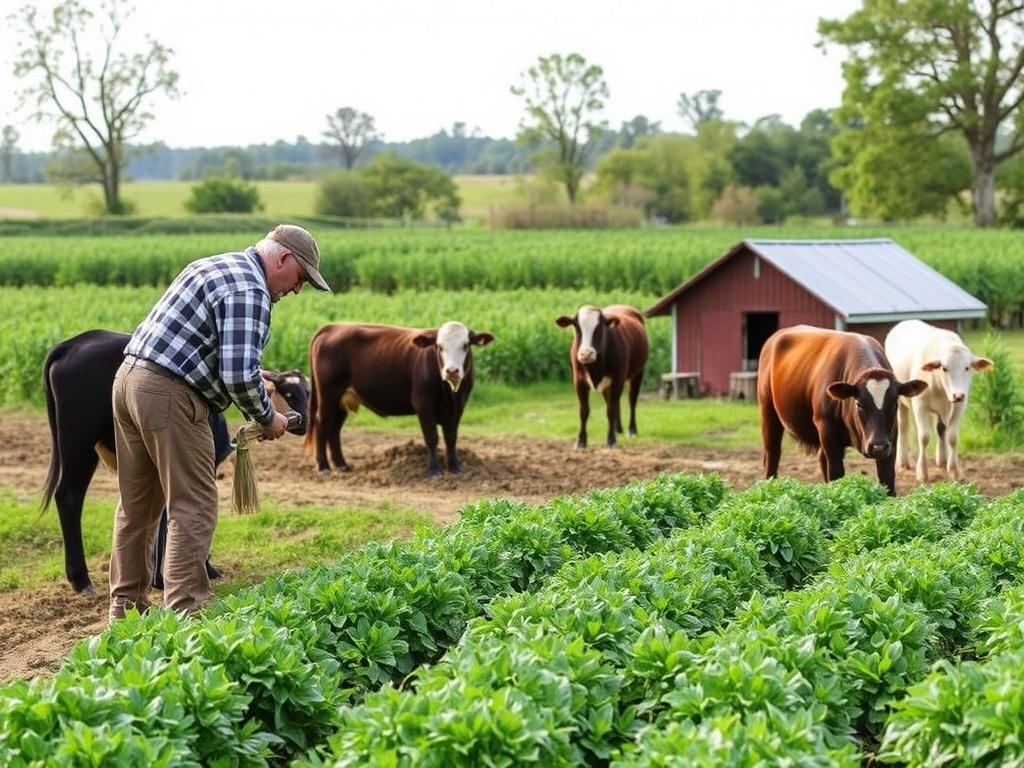
Animals are sentient participants in farm life and can react unpredictably. Set boundaries: alleyways with solid sides, escape routes for handlers, and secure gates that prevent animals from entering human-only spaces. Train people to read animal body language; early signs of stress prevent many injuries.
Biosecurity reduces disease, which keeps animals healthier and reduces the need for high-risk interventions. Simple steps—boot washes, quarantining new stock, and separating sick animals—preserve herd health and protect workers from zoonotic illnesses.
Safe birthing and handling of young animals
Birthing and neonatal care require planning. Have birthing kits, clean towels, and headlamps available, and schedule tasks so a second person is present when complications are likely. If veterinary intervention is necessary, don’t attempt high-risk procedures without proper training.
Keep children out of birthing areas and provide clear signage to visitors. Newborn animals can be unpredictable and stressed, and even friendly adults may be injured if they step into a restrained space without support.
Keeping children and visitors safe
Children belong on farms, but they don’t belong everywhere on farms. Designate safe play areas that are visible from common workspaces, fenced, and free from hazards like ladders, chemicals, and moving equipment. Rotate activities and ensure adults supervise during busy periods.
Visitors should always receive a brief orientation covering no-go zones, emergency points, and where to find first-aid. A five-minute orientation reduces risk dramatically and demonstrates a professional approach to safety whether the visitor is a neighbor or business partner.
Employee orientation and continuous training
Every new worker should receive a structured orientation on the first day that covers expectations, emergency procedures, PPE, and how to report hazards. Include a hands-on session where the new worker performs basic checks under supervision before working alone.
Refresher training keeps skills fresh and addresses evolving hazards. Use short, scenario-based toolbox talks weekly and formal training sessions quarterly. Record attendance and key items covered to build a training history for each person on the farm.
Training schedule example
The following cadence balances workload with retention and keeps safety visible without overwhelming schedules. Customize frequencies to fit your operation’s rhythm and the turnover rate of your staff.
Day 1: New hire orientation and site tour with supervisor.
Weekly: 10–15 minute toolbox talks on recent incidents, seasonal hazards, or equipment usage.
Quarterly: One-hour focused training (first aid, chemical handling, machinery lockout).
Annually: Comprehensive review and practical drills (evacuation, manure gas awareness).
Document training topics and attendance. Short quizzes or return demonstrations ensure understanding and provide proof for compliance and insurance requirements.
Personal protective equipment and hygiene practices
PPE is the last line of defense and must fit, be maintained, and be appropriate for the task. Provide gloves, eye protection, hearing protection, respirators when needed, and sturdy footwear. Enforce use at the point of work rather than leaving it to occasional reminders.
Personal hygiene reduces exposure to chemicals and pathogens. Handwashing stations and changing areas help workers remove contaminants before eating or leaving the site. Encourage clean clothing storage and a simple routine for decontamination after chemical tasks.
Emergency planning and first aid on the farm
Plan for the most likely emergencies: traumatic injuries, chemical exposures, animal kicks, and heat stroke. Map primary and secondary evacuation routes and post clear signs with rendezvous points so everyone knows where to go if an evacuation is necessary.
First-aid kits should be positioned where they are visible and replenished after use. Consider an automated external defibrillator (AED) for larger operations and ensure at least several staff are trained in basic life support and hemorrhage control.
Emergency contact and response table
Keep emergency contact information concise, readable, and accessible both in printed form and on phones. Practice calling emergency services and provide clear directions to the nearest road entry point for ambulances.
Contact
Number
Notes
Local EMS
911
Have farm GPS and nearest road access posted
Local veterinarian
Varies
Include after-hours number
Poison control
1-800-222-1222
Essential for chemical exposures
Regularly verify numbers and test radios and cell reception in the most remote parts of your property. Communication failures often make a manageable incident worse.
Incident reporting, investigation, and learning
Encourage reports of all incidents and near-misses without fear of reprisal. Near-misses are especially valuable, offering a free lesson on what controls failed before a serious injury occurs. Treat reports as opportunities to learn and improve systems.
Investigate purposefully: identify root causes and systemic issues rather than assigning blame. Simple corrective actions with clear owners and deadlines are effective. Follow up to verify fixes and share findings in a way that respects privacy but promotes learning.
Seasonal hazards and adapting protocols
Prepare for seasonal risks deliberately. Heat brings the danger of heat stress, while wet seasons mean slippery surfaces and higher machinery rollover risk. Create a seasonal plan that adjusts break schedules, staffing levels, and PPE to match environmental conditions.
Store seasonal gear where it’s quickly accessible: sun hats and cooling packs in summer, layered clothing and traction aids in winter. Seasonal checklists and signage help everyone remember short-term adjustments that can otherwise be forgotten in busy periods.
Mental health, fatigue management, and workload planning
Farm work is physically demanding and mentally taxing, especially during long harvests. Chronic fatigue increases mistakes and slows reaction times. Design schedules to include rest periods and rotate staff through demanding tasks to reduce physical and mental strain.
Fostering an environment where people speak up about stress, anxiety, or burnout saves more than productivity; it preserves the well-being of your household and workforce. Provide information on local support services and encourage using them without stigma.
Recordkeeping, compliance, and simple audits
Good records make safety sustainable. Keep training logs, inspection reports, maintenance records, and incident reports organized. These documents support internal decision-making and meet insurance or regulatory needs if questions arise.
Run a monthly mini-audit: review training completion, open corrective actions, and the status of emergency equipment. Small, frequent reviews prevent surprises and keep standards alive during busy seasons.
Low-cost technologies and tools that make safety easier
Safety technology doesn’t have to be expensive. LED floodlights, inexpensive trail cameras, and inexpensive wireless sensors can alert you to motion in restricted areas or equipment running outside normal hours. Small investments often provide disproportionate returns by preventing accidents.
Phone-based checklists, shared documents, and simple QR codes on equipment linking to operation manuals help less experienced workers access the right information at the right moment. Use technology to support human judgment, not replace it.
Practical PPE and tool upgrades worth considering
Upgrading to quick-release harnesses for work at height, anti-vibration gloves for long equipment use, and respirators fitted to workers’ faces reduces injuries and fatigue. Consider slip-resistant footwear for wet barn floors and easily washable coveralls to control contaminants.
Small shop changes, like magnetic tool holders and lockable storage for sharp implements, cut down on trips and hand injuries. These modest investments yield steady, long-term declines in minor but common incidents.
Sample weekly safety plan you can adopt
A simple weekly plan keeps safety active without stealing time from production. The model below is intentionally short so it is realistic and repeatable for small crews and busy family operations alike.
Monday: Quick equipment checks and review of open corrective actions.
Wednesday: Toolbox talk (15 minutes) focused on the week’s hazards.
Friday: Short inspection walkthrough and update on training needs.
Incorporate seasonal tasks into the weekly plan—like checking sprayer nozzles during application seasons or testing heaters before cold snaps. Consistency is more important than complexity for long-term compliance.
Real-life example from my time on a mixed farm
On a small mixed farm where I worked for a season, a simple change made a visible difference. We moved the chemical storage from a damp corner of the barn to a ventilated locked cabinet near the equipment yard and posted SDS summaries next to the main entrance. The change reduced confusion during mixing sessions and kept chemicals from being stored under tools.
Another improvement came from a routine: a two-minute pre-start check posted in three languages on the workshop wall. That small sign and the shared habit cut wheel-loss incidents and reduced the number of days machinery was out of service. Those wins came from listening to frontline workers and committing to small, practical fixes.
Hiring, subcontractors, and working with seasonal staff
When hiring or using subcontractors, insist on documented competency and provide a site-specific orientation. Temporary workers often perform high-risk tasks while still learning the landscape; supervision during the first week prevents costly errors.
Use checklists for accepting subcontractors onto the site, including proof of insurance, relevant certifications, and emergency contact information. Short inductions ensure clear expectations and protect both parties.
Designing the farm layout for long-term safety
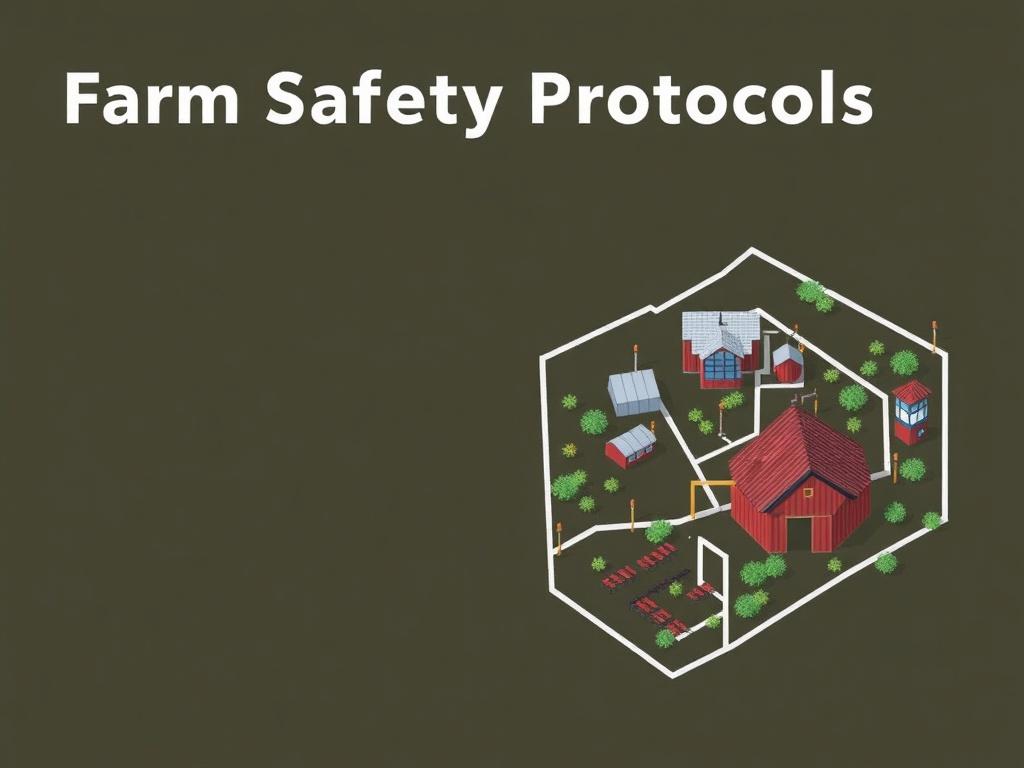
Long-term planning can remove hazards before they appear. Design machinery routes to minimize crossings with pedestrian paths, place fuel and chemical storage away from living spaces, and locate play areas where adults naturally watch. Small design choices pay dividends for years.
Invest in simple physical barriers when needed. Gates, signage, and bollards direct traffic and create boundaries that reduce the need for constant supervision. Over time, design choices reduce reliance on memory and supervision to keep people safe.
Working alone: rules and technologies to reduce risk
Many farm tasks are solitary. A clear lone-worker policy reduces risk: require check-in times, use simple GPS trackers or smartphone apps, and provide clear instructions for emergencies. Regular check-ins mean help arrives sooner when something goes wrong.
Training should emphasize conservative decision-making when alone—don’t attempt high-risk tasks without help, and avoid working under suspended loads. If someone must work alone, ensure they have communication devices and someone who knows their schedule.
Financial considerations and the case for investing in safety
Spending on safety is an investment, not a cost. Reduced downtime, lower insurance premiums, and fewer injury-related expenses justify modest safety expenditures. Small farms often see quick returns from targeted investments like a safety gate, a new guard for a PTO shaft, or regular PPE supply.
Document safety investments and the corresponding reduction in incidents. Concrete evidence of improvement builds a business case for future spending and helps prioritize what will have the most impact.
Working with children: education and engagement
Children can learn to be safe contributors. Teach age-appropriate responsibilities and rules, and involve them in safety routines like checking tools or identifying hazards under supervision. Education empowers them and reduces risky curiosity.
Make safety engaging rather than punitive. Short safety games, stickers for demonstrated safe behavior, and family toolbox talks reinforce habits in a positive way. Safety becomes part of farm life instead of an added chore.
Measuring progress: key performance indicators for safety
Track a handful of meaningful indicators: number of incidents, number of near-misses reported, percent of corrective actions closed on time, and training completion rates. These measures show whether efforts are working and where to refocus attention.
Keep KPIs simple and review them monthly with the team. Celebrate improvements and adjust when numbers stall; transparency about performance invites participation and shared responsibility for outcomes.
Working with local resources and regulations
Every region has different rules and resources. Reach out to local extension services, farm bureaus, or occupational safety agencies for training materials and grant programs that may subsidize safety improvements. Local contacts can advise on best practices tailored to your climate and crops.
Regulatory compliance is crucial but should be seen as the first step, not the endpoint. Use compliance as a baseline and then tailor common-sense practices to fit your people and operations.
Making safety simple and sustainable
Complex plans fail because they are hard to maintain. Keep protocols short, documented, and accessible. One-page checklists, laminated signs, and short recurring meetings embed habits more effectively than lengthy manuals that gather dust.
Assign clear ownership for each area—someone responsible for the barn, machinery, animal health, and training. Responsibility creates accountability, and accountability turns plans into action.
Next steps you can take this week
Pick three achievable steps: run a pre-start check for all major machines, hold a 15-minute toolbox talk on chemical safety, and update emergency contact lists. Small wins build momentum and make larger changes easier.
Document these actions and schedule follow-ups. Safety becomes a lived process when it is visible, frequently discussed, and visibly improved through practical, responsible choices.
Farm life blends work, family, and community; by adopting deliberate, human-centered safety protocols you protect the people who make that life possible. Start small, keep it consistent, and build systems that support safe decisions every day.