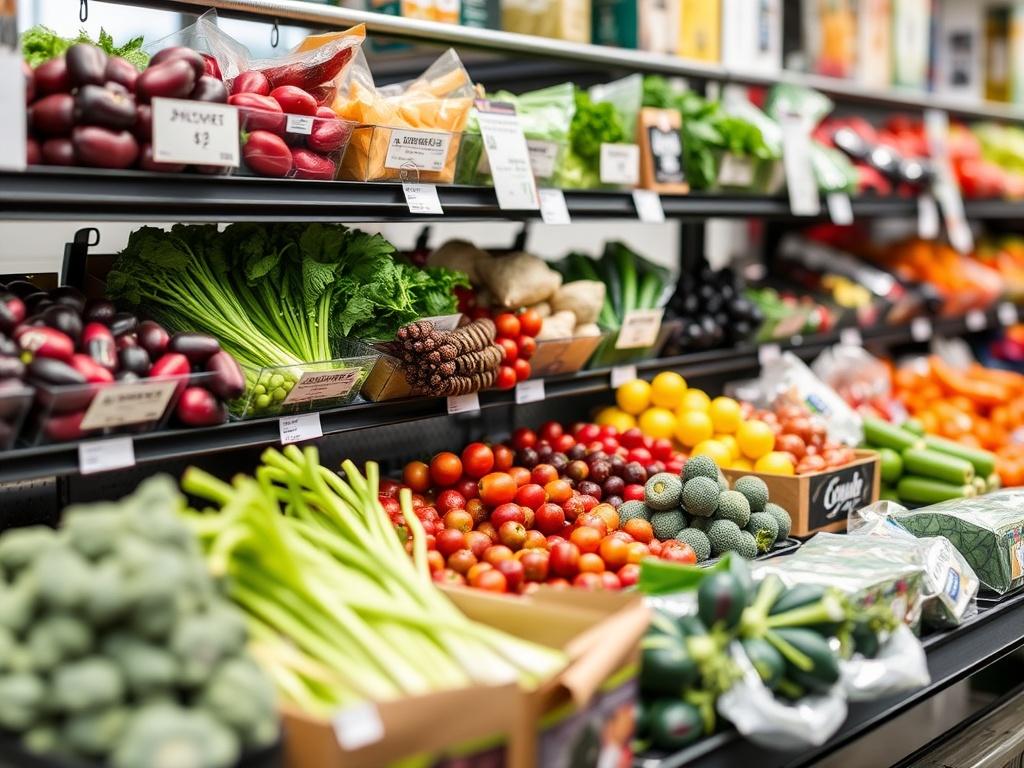
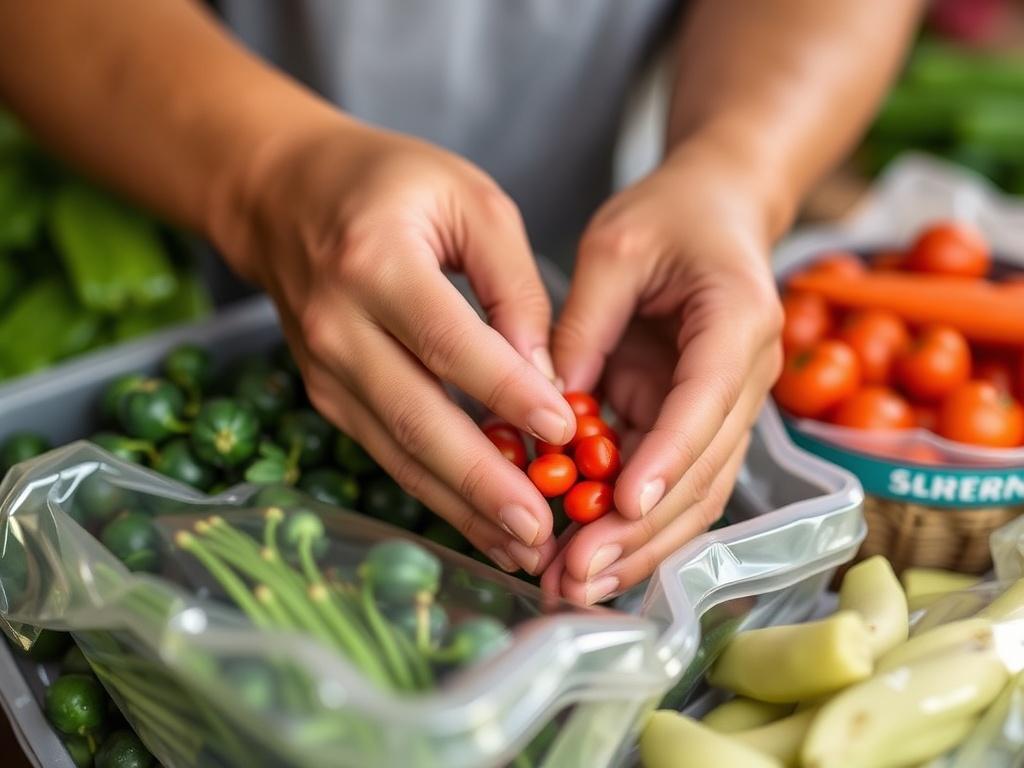
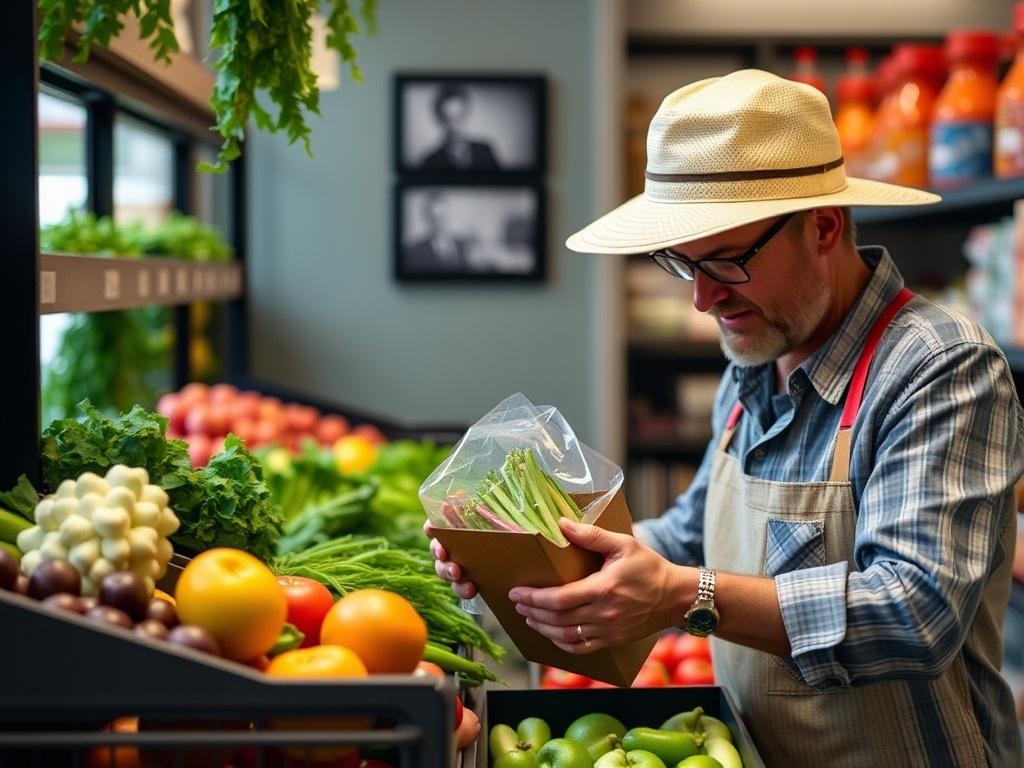
Turning a field of ripe tomatoes or a crate of bruised apples into dollars on a ledger requires more than good soil and hard work; it requires imagination, process, and strategy. This article lays out the roadmap for transforming raw produce into higher-margin goods, showing practical steps, real-life examples, and the nuts-and-bolts decisions that determine whether your next product will be a niche favorite or a costly experiment.
Содержание
Why value-added products matter today
Market volatility, rising input costs, and consumer demand for convenience and specialty items are pushing growers to seek revenue beyond commodity sales. A pound of raw strawberries has a modest farm-gate price; a jar of strawberry jam made from those same berries can command many times that price when paired with good branding and distribution.
Value-added strategies create multiple benefits at once: higher per-unit return, longer shelf life, reduced waste from imperfect produce, and the ability to capture customer loyalty through branded experiences. Those outcomes are why many small farms and food entrepreneurs now think about processing as part of their crop plan rather than as an afterthought.
What counts as a value-added product?
Value-added can mean any change to the raw agricultural product that increases its market value. That covers a wide range—from simple sorting and washing to full-on culinary processing and formulation.
Common categories include preserved foods, beverages, dried goods, fermented items, frozen prepared meals, specialty flours and powders, essential oils and extracts, cosmetic ingredients, and packaged fresh-cut produce. Each category carries different investments, regulatory needs, and market prospects.
Choosing the right category depends on several factors: the nature and seasonality of your crops, nearby markets, equipment and labor availability, and your appetite for complexity. The right match lets you leverage existing strengths—surplus fruit, skilled hands for processing, or a local tourist market hungry for artisan goods.
Broad examples of value-added outputs
Here are examples to spark ideas: fruit jams and conserves, cold-pressed juices, canned tomatoes, dried apple chips, pickles and krauts, hot sauces, apple cider vinegar, roasted and packaged nuts, fruit purees for baby food, herb-infused oils, beeswax balms from hives, and dehydrated vegetable powders used by chefs and bakers.
Not all of these require the same level of investment. A basic jam operation can start with a licensed home kitchen in states with cottage food allowances, while producing shelf-stable juices for supermarkets typically demands commercial pasteurization equipment and strict labeling compliance.
How to decide what to make: product selection checklist
Start with a short, precise checklist: which crops you have in volume, what seasonal surpluses occur, what local customers already buy, and what gaps exist in the market. A product that keeps costs low and taps existing demand is the best starting point.
Also evaluate perishability, transport logistics, and shelf life. If you cultivate a crop that spoils within days, options like freezing, drying, or acidic preservation extend selling windows and open distant markets. Healthy margins often follow from extended shelf life because you can sell when demand, not just supply, dictates price.
Market research: how to know people will buy
Market research does not need to be expensive or academic to be effective. Start with direct customer contact: set up a table at a farmers market, run a tasting, or offer samples at a local shop and observe reactions. Sales traction at these grassroots levels is a strong signal.
Online tools supplement face-to-face testing. Search keyword volume for product types, read reviews of similar offerings, and scan competitor pricing. Use social media polls and a simple landing page to capture interest and emails before you invest heavily in production.
Talk to local buyers—restaurant chefs, grocers, and specialty stores. Their ordering patterns, minimum purchase requirements, and shelf-space considerations will shape packaging sizes, case counts, and timetables. A chef might favor a concentrated puree in five-gallon pails, while a boutique grocer wants attractive retail jars with 12-week shelf life.
Regulatory, safety, and labeling essentials
Food regulations are strict for good reasons: consumer safety and predictable quality. Depending on product type and sales channel, you will navigate federal rules from the FDA, the Food Safety Modernization Act (FSMA), and state-level cottage food laws or commercial licensing requirements.
Labeling obligations include ingredient lists, net weight, manufacturer or packer name and address, and allergen declarations for major food allergens. Nutrition facts panels are required in many packaged food products, though there are exemptions or simplified labeling options for very small producers—check current FDA guidance and your state rules.
Food safety programs like HACCP (Hazard Analysis and Critical Control Points) or a written food safety plan may be required by buyers or regulators. Even where not mandatory, documented sanitation procedures and batch records are attractive to wholesale customers and co-packers.
Practical tips for compliance
Start early with regulatory conversations. Contact your state Department of Agriculture and local health department to map permit requirements and inspection schedules. Use extension services and state food business toolkits for templates that speed up permit applications.
For small-batch producers, shared-use kitchens and inspected co-packing partners can bridge the gap between cottage-scale production and larger commercial runs. They carry the facility permits and often have trained staff who understand label claims, shelf-stability studies, and FDA requirements.
Production pathways: where to process
There are four common production models: on-farm processing, shared-use commercial kitchens, co-packers or contract manufacturers, and mobile processing units. Each fits different scales and risk tolerances.
On-farm processing gives control and brand authenticity; your label can proudly say “processed on our farm.” The downside is the capital tied up in equipment and the need to meet facility permitting. Shared kitchens reduce capital outlay and regulatory burden but create scheduling constraints.
Co-packers are ideal when growth is the priority; they produce at scale and often handle packaging. However, minimum runs and lead times can be steep for startups. Mobile units offer flexibility for producers in rural areas, enabling certified processing that travels to the harvest site.
Choosing equipment and estimating costs
Equipment depends on product: jam requires kettles and jarring lines; juices need presses and pasteurizers; dehydrated products need commercial dehydrators and trays. For initial runs, look for refurbished equipment or rent short-term to test product-market fit before committing to large purchases.
Below is a table with very approximate cost ranges for commonly used equipment. These are ballpark figures for planning—actual prices depend on capacities, brands, and used versus new status.
Equipment
Typical capacity
Approximate cost range (USD)
Notes
Steam kettle / jam cooker
20–200 gallons
$3,000–$40,000
Jarring stations and vacuum lids add cost
Commercial pasteurizer
Small batch to continuous
$10,000–$150,000+
Continuous pasteurizers for juice cost more
Dehydrator (commercial)
10–200+ trays
$2,000–$30,000
Consider energy efficiency
Vacuum sealer / MAP
Tabletop to in-line
$500–$25,000
Modified atmosphere packaging extends shelf life
Fillers and labelers (semi-automatic)
Small to medium runs
$5,000–$60,000
Automatic lines reduce labor costs per unit
Formulation and recipe development
Recipe development blends culinary skill and food science. You must balance taste, texture, and safety. High-acid foods like pickles and jams are simpler to stabilize, while low-acid products like vegetable purees often require careful blanching, acidification, or refrigeration to be safe.
Work with food scientists or university extension programs for shelf-life testing, water activity measurements, and pH testing. These tests are essential when you want to claim shelf-stable status or sell outside short-term local channels.
Keep in mind ingredient sourcing and consistency. Variability in sugar content, moisture, and flavor from season to season requires either recipe adjustment or blending strategies to maintain a consistent product your customers expect.
Packaging, labeling, and storytelling
Packaging serves three vital roles: protection, information, and attraction. It must keep the product safe and present the brand story clearly to shoppers scanning shelves or browsing online. Investing in good label design often moves a product from «homemade» to «professional.»
Storytelling matters—consumers of specialty foods are buying more than flavor; they buy provenance, farmer identity, and a narrative about sustainability or locality. A concise label claim—family farm, single-origin, small-batch—paired with a short back-of-package story can foster loyalty and justify higher prices.
However, don’t let aesthetics overshadow functionality. Choose materials appropriate to the product: oxygen-barrier jars for oils, tamper-evident caps for sauces, and resealable pouches for dry snacks. Packaging choices also affect distribution: glass is heavy and costly to ship but signals premium; flexible pouches save freight and shelf space.
Pricing strategy and margin math
Pricing a value-added item requires accurate cost accounting: raw ingredients, labor, packaging, overhead, transportation, and indirect costs like marketing and permitting. A common target is a gross margin of 40–60% for retail products, though niche or artisanal goods can reach higher margins if consumers perceive premium value.
Here’s a simple pricing example for a 250-gram jar of jam to illustrate the calculation. Assume raw fruit cost is $1.20 per jar, sugar and pectin $0.40, jar and label $0.75, labor $0.80, fixed overhead allocation $0.35, and distribution/retail margin adds 50% on top of wholesale. That yields a production cost of $3.50, a wholesale price of $5.25, and a retail price around $7.50. These figures vary by region and scale but show how processing multiplies farm-gate value.
Adjust pricing for channel: farmers markets allow higher retail prices but limit volume; grocery requires lower retail margins but larger volumes. Track unit economics regularly and watch for hidden costs like returns or spoilage that erode profit.
Sales channels: matching product to route to market
Direct-to-consumer channels include farmers markets, farm stands, subscription boxes, and online sales. These channels offer stronger margins and immediate customer feedback but demand time for sales and fulfillment. Revenue tends to be more volatile but high margin.
Wholesale to grocery stores, specialty shops, or foodservice provides larger, steadier orders but at lower margins and with stricter delivery and packaging requirements. Retail buyers may require EDI (electronic data interchange), UPC barcodes, and shelf-life guarantees.
Consider hybrid strategies: use direct channels to build brand and test new SKUs, while pursuing wholesale for steady base volume. Online marketplaces and social commerce can scale DTC sales but expect fulfillment and shipping costs to rise quickly unless you set appropriate minimums.
Negotiating with buyers
Buyers care about reliability. Bring solid forecasts, consistent packaging, and clear lead times when pitching to retailers. Start small with a pilot store or a short-term seasonal placement to prove sales velocity. Use sell-through data from that pilot to negotiate wider distribution or better margins.
Be prepared to offer promotional support—tasting demos, in-store signage, or temporary discounts—to get initial shelf space. But calculate the net effect of promotions on margins before committing, and design promotions to be measurable and time-limited.
Labor, workflows, and time management
Processing introduces routine tasks that require skilled labor. Map workflows on paper before purchasing equipment. Identify bottlenecks—washing, peeling, filling, labeling—and consider whether automation or additional staffing will pay for itself through increased throughput and reduced spoilage.
Seasonality affects labor planning. Short harvest windows create intense processing periods that require temporary staff or staggered processing schedules. Cross-training employees in multiple tasks improves flexibility and reduces downtime when volumes fluctuate.
Quality control and consistency
Consistency builds repeat customers. Implement simple quality control steps: taste panels, batch ID tracking, temperature logs, and periodic microbial testing if selling shelf-stable products. Documented results not only protect consumers but strengthen your position with wholesale buyers.
Customer feedback is also a quality signal. Track returns, complaints, and online reviews. If a flavor profile shifts with the season, either adjust labeling to set expectations or blend product lots to reduce perceivable variation.
Managing risk: finance, insurance, and contingency plans
Value-added ventures require capital—equipment, packaging inventory, and working capital for production runs. Build a realistic cash flow model that accounts for slow inventory turns, upfront packaging purchases, and the lag between production and sales. Grants, low-interest loans, and agricultural extension financing are available in many regions; match funding sources to project risk.
Insurance is essential. Product liability insurance covers claims arising from contamination or allergic reactions. Property and equipment insurance protect against the financial hit of equipment failure, while business interruption policies can mitigate losses from forced shutdowns or disasters.
Have contingency plans for crop failure or unexpected demand spikes. Contract growers, forward contracts, or diversified product lines reduce exposure to a single crop’s misfortune. Conversely, keep process flexibility that lets you pivot surplus produce into alternate products when markets change.
Scaling up: when and how to grow
Growth requires systematic improvements: standardized recipes, scalable packaging, and stronger supply-chain agreements. Invest in systems—inventory software, accounting, and quality control protocols—before orders multiply. Scaling without systems often breaks operations and damages reputation.
Consider incremental steps: pilot in a neighboring region, sign a single small chain for test distribution, or run limited seasonal SKUs to build seasonal brand awareness. Each scaled step should be bound by performance metrics—fill rate, on-time delivery, and gross margin thresholds—that inform whether to invest further.
Sustainability and waste reduction as value drivers
Sustainability sells. Using imperfect fruit for juices or preserves, making vinegar from cider, and using pomace as animal feed or compost reduces waste and adds product lines. Communicate these practices honestly on packaging—consumers respond to tangible recycling and upcycling strategies.
Energy efficiency in processing—solar preheating, heat recovery systems on pasteurizers, or efficient dehydrators—reduces long-term costs. Waste streams can become income: spent grain goes to local farmers or breweries, and fruit peels might be processed into pectin or essential oils where feasible.
Real-life examples and lessons learned
Example 1: A small orchard I worked with turned a surplus of late-season apples into apple cider vinegar. They built a simple fermentation room in an existing barn, learned the slow acetification process, and sold the vinegar at the farm stand and local co-ops. By using fruit that was otherwise unmarketable fresh, their per-ton revenue rose, and they added a profitable SKU that sold all year.
Key lesson: Use existing assets—space and crop surpluses—and choose processes with low capital intensity and clear demand. Vinegar had low equipment needs and good shelf life, making it a low-risk starter product.
Example 2: A vegetable grower shifted part of their crop to sauerkraut and kimchi, targeting local restaurants. They partnered with a nearby shared-use commercial kitchen for initial runs and used the chef network to test flavor profiles. After six months, chefs were ordering bulk five-gallon pails, and the grower hired a part-time processor to expand.
Key lesson: Collaboration accelerates entry. Shared facilities and buyer partnerships reduce upfront investment and provide rapid market feedback.
Example 3: A cooperative of small berry growers pooled resources to invest in a freezing and IQF (individually quick-frozen) line. By aggregating volume, they negotiated contracts with a regional smoothie chain. Profits increased for members even after covering operating costs, because the cooperative captured value that had been lost in individual spot-market selling.
Key lesson: Scale and cooperation open higher-value markets that are inaccessible to single small producers. Shared ownership enabled capital affordability and collective bargaining power.
Simple business tools and checklists to get started
Use a business model canvas to map your value proposition, customer segments, revenue streams, and cost structure. It’s a fast way to spot gaps before you invest. Create a one-page timeline—seed-to-shelf—that lists harvest windows, processing dates, lead times for packaging, and delivery schedules.
Checklist essentials: confirm regulatory permits, build and test a recipe, perform basic shelf-life testing, secure packaging suppliers, pilot at a farmers market, and create a simple accounting system to track COGS (cost of goods sold) per batch. Checkpoints reduce waste and false starts.
Starter timeline example (12 weeks)
Week 1–2: Market research and recipe ideation. Sample customers and gather feedback while sketching label language and packaging needs.
Week 3–4: Regulatory checks and facility arrangements. Contact state agencies and secure a shared-use kitchen or on-farm permit where needed.
Week 5–7: Pilot production and small batch testing. Produce test batches, refine recipes, perform pH and shelf-life checks, and create labeling mock-ups.
Week 8–9: Packaging procurement and small-scale marketing. Order labels and packaging, prepare point-of-sale materials, and plan market demos.
Week 10–12: Launch at farmers market and local stores. Collect sales data, customer feedback, and adjust before scaling or approaching larger buyers.
Funding, grants, and external support
Funding options vary: microloans, USDA value-added producer grants, state small business grants, and community development financial institutions often support food processing investments. A strong business plan with market validation increases success chances for grants and loans.
Leverage technical assistance from extension services, Small Business Development Centers, and nonprofit organizations focused on food entrepreneurship. These groups often provide pro bono consultations, connections to co-packers, and help with food safety plans and grant applications.
Common pitfalls and how to avoid them
Pitfall 1: Underestimating labor. Many producers miscalculate the hands needed during harvest-to-processing windows. Solution: map labor by task and include buffer staff for peak times.
Pitfall 2: Ignoring packaging lead times. Custom jars and labels can take weeks to produce. Solution: order packaging early and keep safety stock to avoid missed delivery windows.
Pitfall 3: Skipping shelf-life testing. Assuming a product is stable can lead to costly recalls. Solution: invest in basic pH, water activity, and microbial testing before wide release.
Measuring success: KPIs and metrics
Track key performance indicators like gross margin per SKU, cost per unit, inventory turnover, waste percentage, on-time delivery rate, and customer acquisition cost. These KPIs show where process improvements or price adjustments are needed.
Sales velocity matters: how fast does a new product move off the shelf or out of inventory? Slow-moving SKUs tie up cash and shelf space. Establish target sell-through percentages for pilot placements to decide whether to continue, tweak, or withdraw the SKU.
Next steps: an actionable starter plan
Pick a single, focused product—one that uses current surplus and fits your capacity. Validate demand through small-scale sales or pre-orders. Use shared resources to reduce initial capital needs and document processes from day one.
Remember that success in value-added products rarely happens overnight. It is built on continual improvement: better recipes, smarter packaging, reliable deliveries, and a growing story that customers want to be part of. With careful planning, the extra steps between harvest and shelf can transform perishable abundance into steady, higher-margin income.