Pollinators move the world in ways most of us never notice until something goes missing from our plates or gardens. They are the quiet partners behind fruits, vegetables, wildflowers, and the ecosystems that support us, and learning how to welcome them can make a neighborhood—and a life—richer and more resilient.
Содержание
Why pollinators matter
Pollination is the biological handshake between plants and the animals that carry pollen from flower to flower. Without effective pollination, many crops would fail to set fruit and whole plant communities would struggle to reproduce and sustain themselves.
Economically, pollinators contribute billions of dollars in crop value globally each year by increasing yields and improving quality. Ecologically, they support biodiversity by enabling the sexual reproduction of flowering plants, which in turn feed and shelter countless other species.
Beyond measurable economics and ecology, pollinators touch culture and daily life: the taste of berries, the abundance of summer vegetables, and the seasonal displays of wildflower meadows all rely on their activity. Protecting and inviting them into our landscapes is an investment with tangible returns.
Who are the pollinators?
Pollinators are a diverse bunch—bees, butterflies, moths, birds, bats, flies, beetles, and even some small mammals and reptiles perform pollination. Each group has distinct behaviors, body shapes, and preferences that influence which plants they visit and how effectively they transfer pollen.
Understanding that diversity helps gardeners and land managers choose the right plants and features to support a broad community rather than a single species. Below are the main pollinator groups and what they need to thrive.
Bees: the efficient generalists
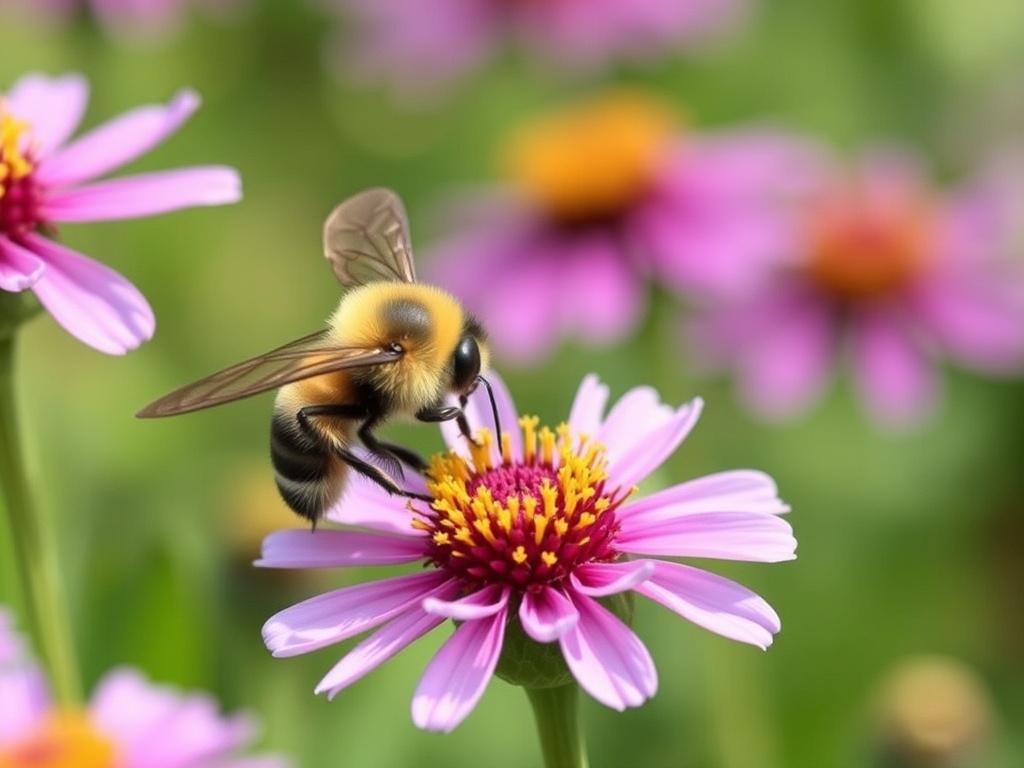
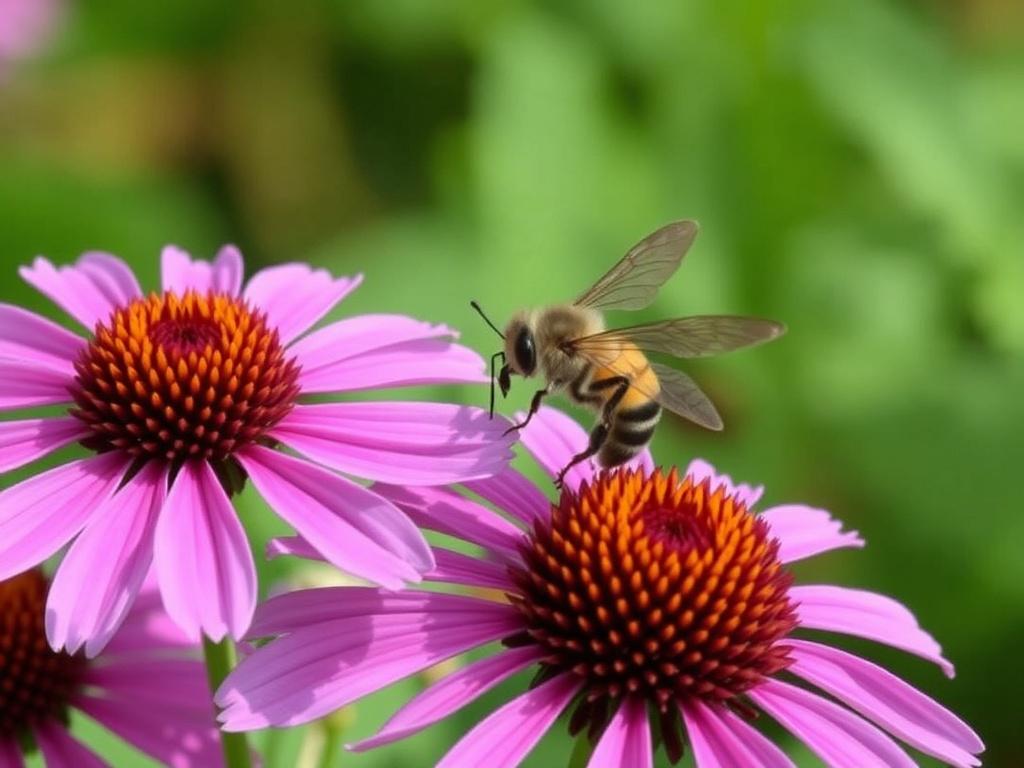
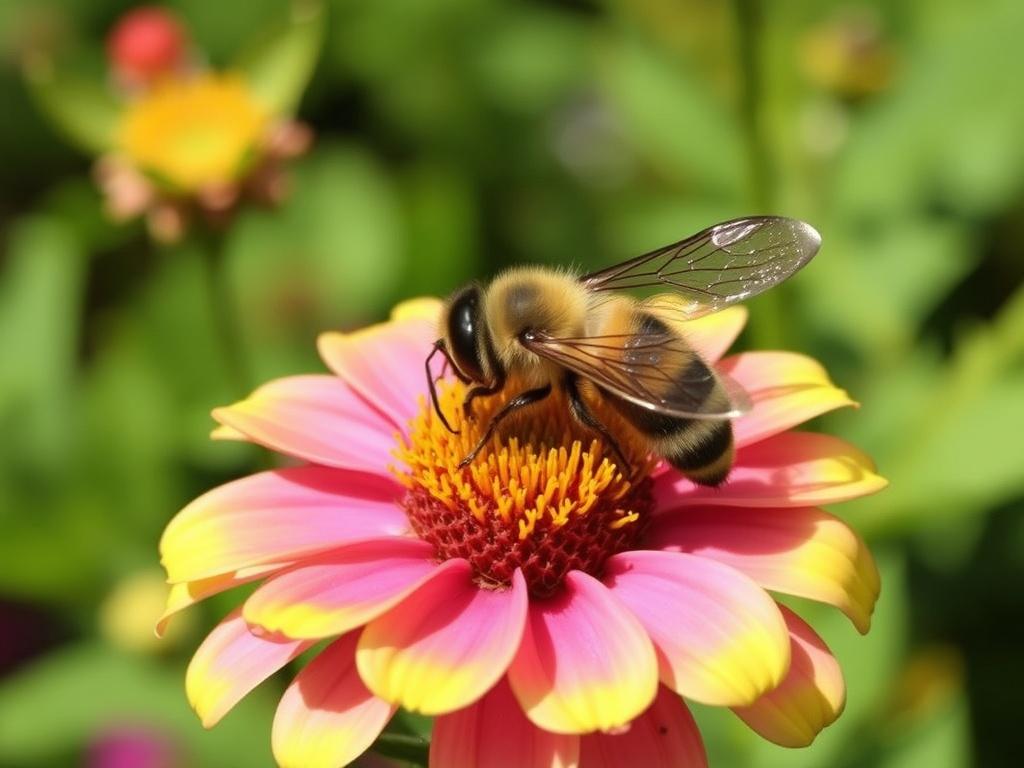
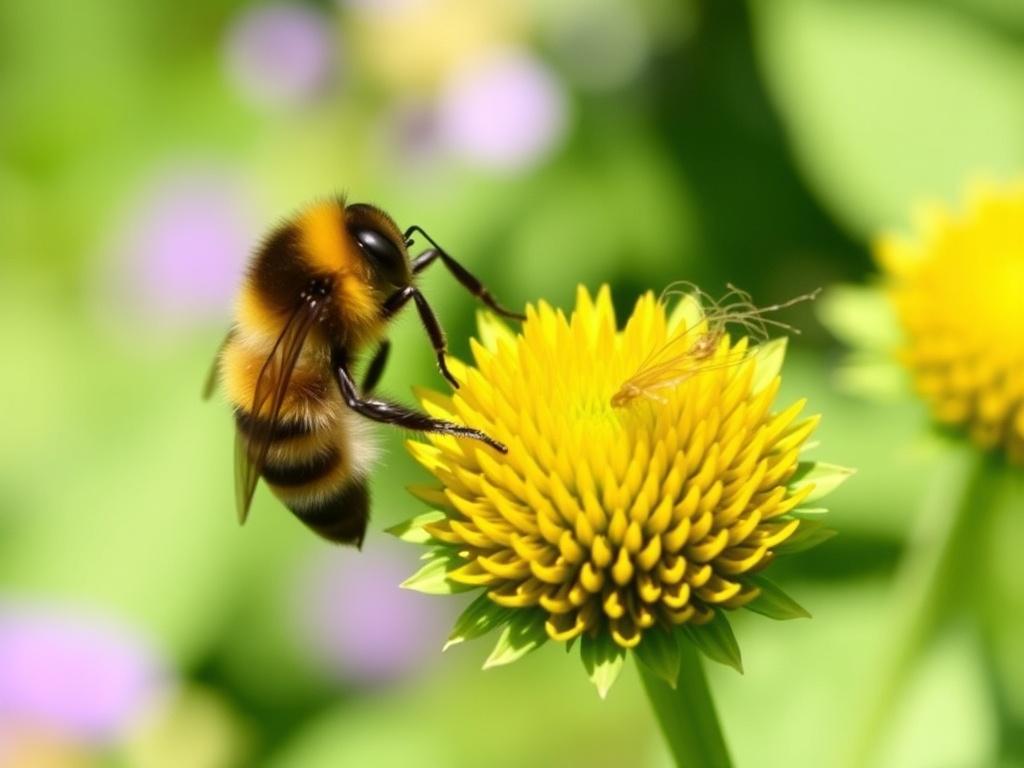
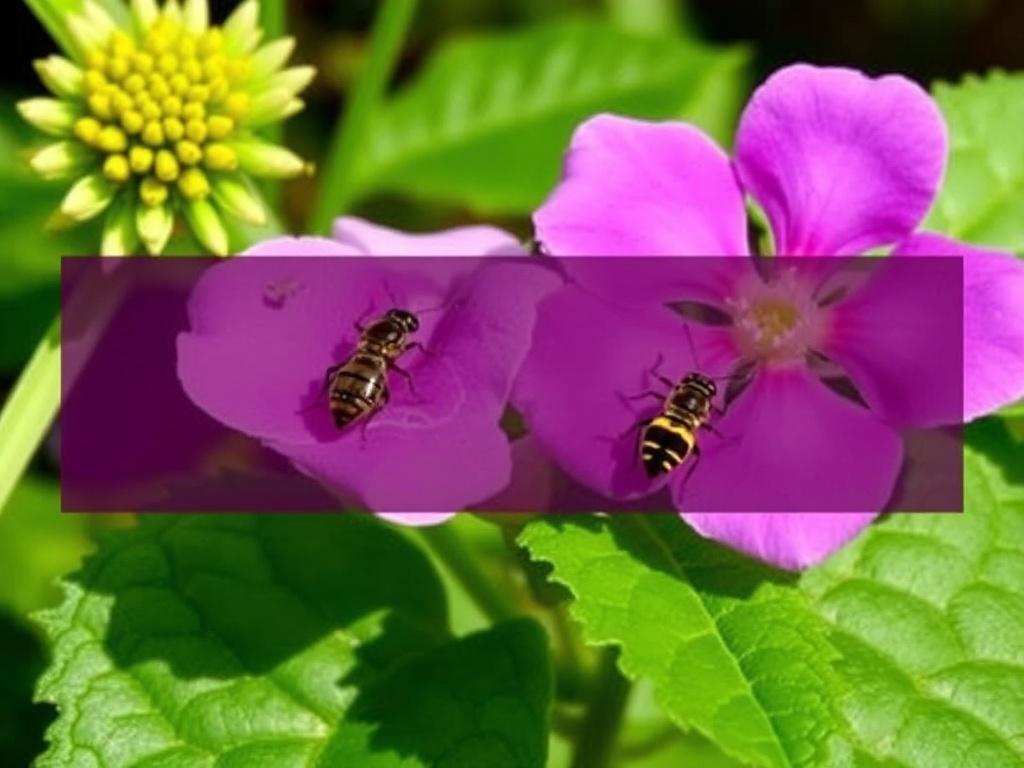
Bees are the most familiar and often most effective pollinators. Honey bees, bumble bees, and a vast number of solitary native bees like mason bees and leafcutter bees differ in social structure and foraging patterns, but they share adaptations—hairy bodies and specialized behavior—that pick up and move pollen efficiently.
Native bees are particularly important in native plant pollination and can outperform managed honey bees on many crops. They often nest in soil, hollow stems, or preexisting cavities, so providing nesting habitat is as crucial as planting flowers.
Butterflies and moths: the showy visitors
Butterflies and moths are attracted to brightly colored flowers and nectar-rich blooms. Butterflies often require sunny, sheltered spots to warm their flight muscles, and many have larval host plants they need to complete their life cycles.
Moths, active at dusk or night, pollinate different sets of plants, especially those with white or pale flowers and strong fragrances. Together, butterflies and moths contribute to pollination over a broader daily timeframe than daytime-only insects.
Birds and bats: the feathered and furry pollinators
In some regions, birds like hummingbirds and sunbirds are vital pollinators, drawn to tubular, nectar-rich flowers. Their rapid movement and long beaks transfer pollen as they feed, and they are especially important in gardens and wildlands with native, bird-adapted plants.
Bats serve as key pollinators in tropical and desert environments, visiting night-blooming plants and enabling the reproduction of species that depend on nocturnal pollination. Both groups require safe roosting or nesting habitat in addition to floral resources.
Flies, beetles, and wasps: underrated workers
Flies, including hoverflies and certain bee flies, frequently visit flowers and can be important pollinators, especially for plants with simple flower structures. Some beetles pollinate large, bowl-shaped blooms, while certain wasps also contribute to pollen transfer.
These groups often thrive where flowers offer easy access or abundant nectar rather than specialist structures. Providing a variety of flower shapes and sizes invites them into the garden and supports broader pollination services.
How pollination works: basic biology
Pollination typically involves pollen grains traveling from the male parts of a flower (anthers) to the female part (stigma) of the same or another flower. For many plants, this fertilization step enables fruit and seed formation.
Some plants are self-pollinating, but cross-pollination between different individuals usually produces healthier, more genetically diverse offspring. Animal-mediated pollination often promotes cross-pollination because animals move between flowers with different genetic backgrounds.
Flower traits are not random; they’ve evolved to attract particular pollinators. Shape, color, nectar composition, and scent are cues that match pollinator sensory systems and physical capabilities, forming intricate mutualisms honed over millennia.
Threats facing pollinators
Pollinators face multiple, interacting threats including habitat loss, pesticide exposure, disease, invasive species, and climate change. These pressures can reduce populations, weaken immune systems, and disrupt the timing between pollinator activity and plant flowering.
Habitat fragmentation isolates pollinator populations and reduces the availability of continuous floral resources across seasons. Agricultural intensification removes nesting sites and floral diversity, while urban sprawl often replaces diverse habitats with lawns and pavement.
Pesticides—especially certain systemic insecticides like neonicotinoids—can harm pollinators directly or sublethally by altering navigation, foraging, and reproduction. Managing chemical risks is one of the most actionable ways individuals and communities can protect pollinators.
Designing pollinator-friendly spaces
Creating a habitat that attracts pollinators requires more than a few potted flowers. Aim for continuity in bloom, structural diversity, and nesting or resting places. Even small urban yards, balconies, and community plots can become vibrant pollinator havens with thoughtful design.
Start by planning for three things: nectar and pollen sources, shelter and nesting sites, and safe water access. Layer plantings so there’s a progression of bloom from early spring through fall, and include native species that local pollinators recognize and depend on.
Plant selection: diversity and timing
Choose a mix of native and noninvasive cultivated plants that collectively provide flowers across the growing season. Early spring blooms support emerging bees, summer flowers feed a peak of activity, and late-season nectar sources help pollinators store energy for overwintering.
Native plants often offer the best fit for local pollinators because they coevolved together. That said, many nonnative perennials and annuals—if not sterile hybrids—can still offer valuable nectar and pollen, so balance aesthetics with ecological function.
Flower shapes, colors, and arrangements
Diverse flower shapes attract diverse pollinators: flat, open flowers welcome beetles and flies; tubular blooms are favorites of hummingbirds and long-tongued bees; clusters of small flowers suit butterflies and many bees. Planting in clumps increases visibility and foraging efficiency for pollinators.
Color matters too. Bees see ultraviolet patterns on flowers and are drawn to blue, purple, and yellow, while hummingbirds favor red and orange. Mixing colors and forms will broaden your garden’s appeal to different species.
Nesting and overwintering habitat
Many solitary bees nest in bare or lightly vegetated ground, so leave some patches of exposed soil. Others use hollow stems or cavities; you can provide nesting bundles by leaving dead stems standing or installing drilled-wood blocks specifically designed for cavity-nesting bees.
Leave leaf litter, fallen logs, and brush piles in quieter parts of the yard to shelter larvae, beetles, and bumble bee queens. These “messy” elements are ecological gold for many invertebrates and support lifecycle continuity.
Water and microhabitats
Pollinators need water and a place to rest. A shallow dish with pebbles, a birdbath with graduated edges, or a small muddy “puddling” area will allow butterflies and bees to drink without drowning. Position water sources near sunny spots and flowering plants.
Create a variety of microclimates—sunny patches, partial shade, and windbreaks—so species with different temperature and humidity preferences can find suitable conditions. Even small topographic variation supports a wider range of wildlife.
Practical steps: what you can do this season
Concrete actions are easy once you have a plan. Start small if you’re new to gardening: replace part of your lawn with a pollinator bed, plant a pollinator-friendly container, or adopt a balcony window box filled with nectar-rich flowers.
Reduce or eliminate pesticide use by adopting integrated pest management (IPM) practices: monitor pests, encourage natural predators, and use targeted, least-toxic controls only as a last resort. When you do use chemicals, apply them at night when bees are inactive and avoid systemic products that linger in plant tissues.
Join local efforts such as community gardens, native plant sales, and pollinator planting challenges. Collective action magnifies impact and creates connective habitat corridors across neighborhoods.
Quick starter checklist
Plant at least three species of native flowers that bloom in different seasons.
Leave small patches of bare ground and some dead stems for nesting.
Provide a shallow water source with landing stones.
Avoid systemic insecticides; use targeted, short-lived alternatives if necessary.
Keep some leaf litter and woody debris in a sheltered corner.
Plant guide: what to plant by season
Below is a practical table of pollinator-friendly plants grouped by season and general pollinator type. This selection emphasizes native species where possible, but includes some well-behaved nonnatives that are particularly attractive to pollinators.
Season
Plant (example)
Notes
Early spring
Willow (Salix spp.)
Catkins provide early pollen for bees; vital for emerging queens.
Early spring
Violet (Viola spp.)
Native host plant for many fritillary butterflies; early nectar.
Late spring
Penstemon (Penstemon spp.)
Attracts bees and hummingbirds; tubular flowers for long tongues.
Summer
Milkweed (Asclepias spp.)
Critical host for monarchs; rich nectar for many species.
Summer
Native clover (Trifolium spp.)
Supports bees and other pollinators; fixes nitrogen in soil.
Late summer/fall
Goldenrod (Solidago spp.)
High nectar production that supports late-season pollinators.
Fall
Aster (Symphyotrichum spp.)
Important for migrating butterflies and overwintering bees.
Managing pesticides and other risks
When garden problems arise, reach for prevention first: healthy soils, diverse plantings, and encouragement of beneficial insects reduce pest outbreaks. If treatment is necessary, choose options that minimize harm to pollinators.
Time applications for late evening or night when bees are less active and avoid spraying blooms. Read labels carefully and heed warnings about pollinator toxicity. Consider physical controls—hand-picking, traps, or barriers—before resorting to chemicals.
For systemic products, remember that they can make nectar and pollen toxic for weeks or months. Use these only when no safer alternative exists and follow integrated pest management principles to reduce reliance on chemical controls.
Creating pollinator corridors at the landscape scale
Individual gardens help, but connecting those gardens into corridors amplifies benefits by allowing movement between feeding and nesting sites. Municipal planning, neighborhood coordination, and restoration of roadside verges can stitch together habitat for traveling pollinators.
Work with neighbors to plant complementary species that bloom at different times, creating continuous resources. Advocate for pollinator-friendly practices in parks, schools, and local land management to expand impact beyond private yards.
Beekeeping basics and community apiaries
Beekeeping can deepen your connection to pollinators but comes with responsibility. Managed honey bees support many crops and serve as a visible entry point for community education, but they can also compete with native bees for resources if not managed thoughtfully.
If you’re interested in keeping bees, start with experienced mentors, local clubs, and training courses. Consider community apiaries or joining a beekeepers’ association to share equipment, knowledge, and best practices while minimizing negative impacts on local ecosystems.
Monitoring and citizen science
Participating in citizen science projects helps track pollinator populations and provides valuable data for researchers. Programs like the Great Sunflower Project, Bumble Bee Watch, and local monarch counts are accessible ways to contribute observations.
Monitoring also helps you understand which species visit your garden and which plants are most effective locally. Keeping simple records of bloom times and visitor types will improve your planting strategy year to year.
Policy, advocacy, and community action
Real conservation at scale requires policy changes that protect habitat, regulate harmful chemicals, and support sustainable agricultural practices. Get informed about local land use decisions and support leaders and policies that include pollinator protections.
Engage with school boards, park departments, and community associations to promote pollinator plantings and reduced pesticide use. Simple changes—like converting a lawn strip to native flowers—can be adopted as public demonstration projects that educate and inspire neighbors.
Real-life examples and lessons learned
When I converted a half-sunny suburban strip of lawn into layered plantings of native salvia, echinacea, and milkweed, the difference was immediate. Within a season I saw more native bees, frequent hoverflies, and the neighborhood hummingbird became a regular visitor.
One practical lesson: planting in clumps increases visitation. Pollinators focus on dense patches of the same species, which is more efficient for their foraging. Mixing too many single specimens across a lawn tends to reduce visibility and lowers overall attraction.
Another insight from community projects is the power of demonstration. A schoolyard pollinator garden not only provided educational opportunities for kids, it changed maintenance practices and sparked a volunteer-led planting program in adjacent parks.
Common mistakes and how to avoid them
Avoid these frequent pitfalls: planting sterile hybrids with little nectar, over-mowing or tidying away all “messy” habitat, and applying broad-spectrum insecticides without thought. Each of these undermines the function of your garden as pollinator habitat.
Don’t assume that all “pollinator-friendly” labeled plants are equal—check whether varieties are fertile and whether they bloom at useful times. Seek advice from native plant societies and extension services to ensure your choices match local conditions.
Resources for further learning
Local extension services, native plant societies, and university research pages are excellent sources of region-specific guidance. They often provide planting lists, bloom calendars, and workshops tailored to your climate and pollinator community.
Books like Doug Tallamy’s works on native landscaping and regional field guides for bees and butterflies are helpful for deeper understanding. Online platforms and local Facebook groups can connect you with experienced gardeners and conservationists in your area.
Simple next steps to get started
If you’re ready to act today, pick one small project: a pollinator container for your porch, a patch of native wildflowers along a sunny fence, or a pledge to stop using broad-spectrum pesticides. Small wins build momentum and create immediate habitat benefits.
Document what you plant and watch how the garden changes. Invite neighbors to share seeds, trade flowers, or join a weekend planting day. These social actions multiply the ecological effects and make stewardship enjoyable and communal.
Encouraging community-wide change
Organize a neighborhood planting swap, present a short pollinator talk at a homeowners’ association meeting, or partner with a school to install a pollinator garden. Public education and visible examples inspire others to adopt pollinator-friendly practices.
Support local policies that reduce pesticide usage on municipal properties and increase native plantings in public spaces. When public spaces demonstrate pollinator-friendly design, private property owners often follow suit.
Measuring impact and staying motivated
Set simple metrics for success: number of flowering species planted, length of bloom season added, or observed pollinator visits per week. Tracking these measures shows progress and helps refine your approach over time.
Stay motivated by celebrating small wins—first monarch caterpillar found, first hummingbird sipping at your feeder, or the hum of bees on a warm morning. Those moments are the tangible markers of ecological connection and reward sustained stewardship.
Final thoughts
Pollinators are foundational partners for healthy ecosystems and productive gardens. They respond positively to practical, relatively simple changes in our landscapes, and each action—no matter how small—adds up when multiplied across neighborhoods and regions.
Invite pollinators by planting with intention, providing shelter and water, minimizing chemical risks, and connecting your efforts with neighbors and local organizations. The resulting gardens will be fuller of life, color, and sound—and they will feed both pollinators and people for years to come.