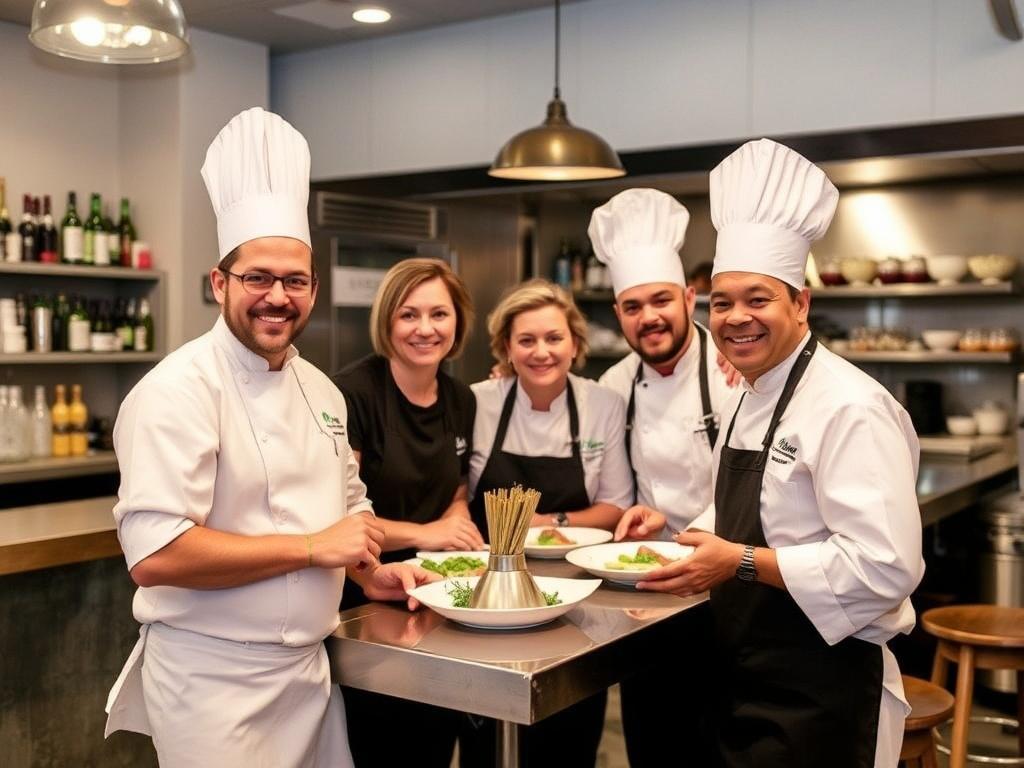
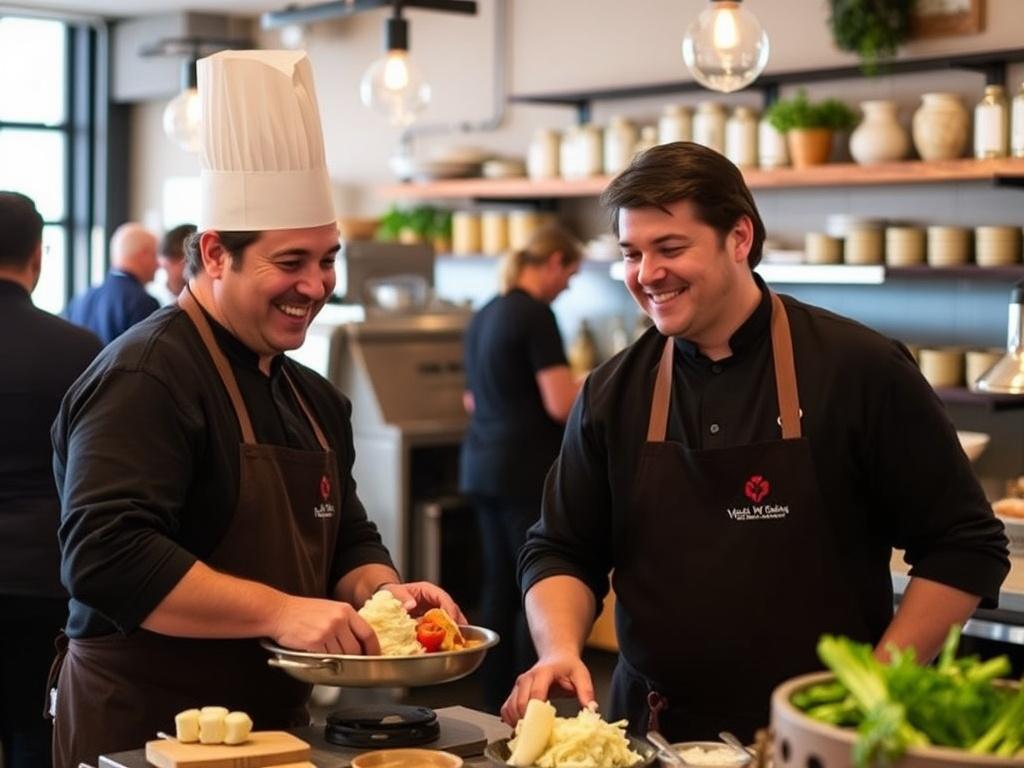
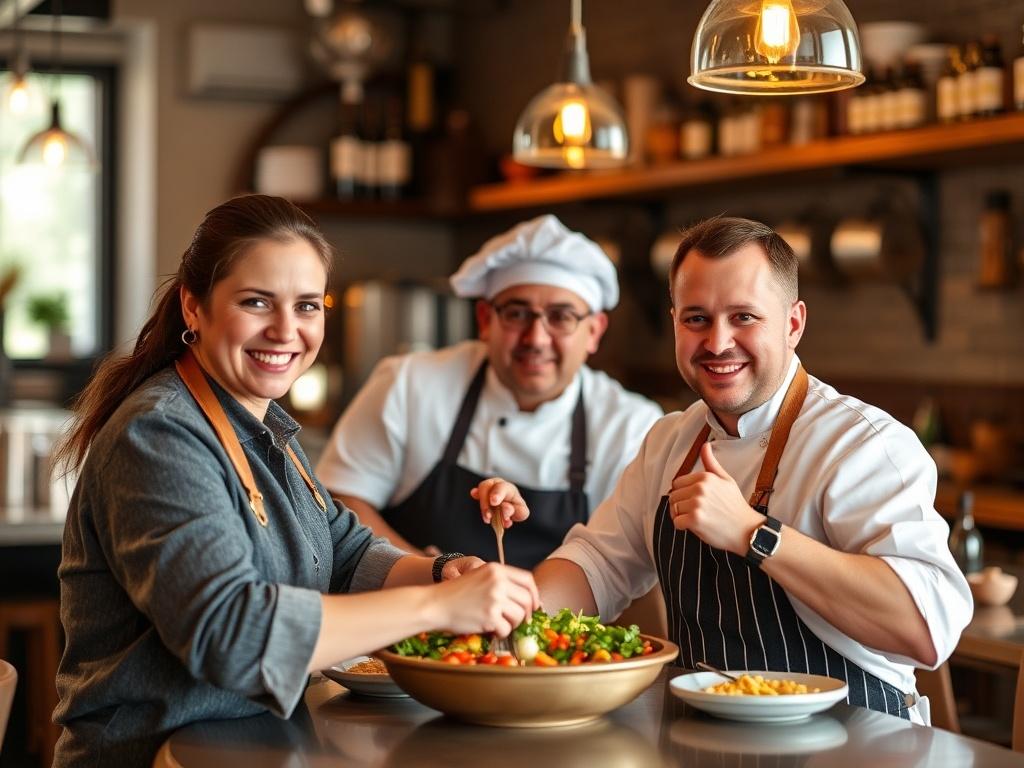
Working alongside restaurants and chefs can transform a business, community initiative, or even a neighborhood. Those connections are not transactional line items; they are networks of trust, creativity, and mutual benefit that require time, attention, and intention. This article walks through practical strategies, real-world examples, and step-by-step approaches to make those relationships productive and durable.
Содержание
why local relationships matter more than ever
Independent restaurants are often the pulse of a neighborhood—places where flavors, stories, and social energy converge. When you invest in genuine relationships with them, you tap into that cultural energy and create partnerships that extend far beyond one-off orders or blind solicitations.
For chefs, collaboration can mean access to better ingredients, more interesting customers, or a platform for experimentation. For suppliers, marketers, or community organizers, those same relationships open doors to co-branded events, authentic feedback, and a loyal audience that values local provenance.
who benefits and how
Restaurants benefit when suppliers, event organizers, and local businesses offer reliability, creativity, and marketing support. A dependable supplier reduces kitchen stress; a well-planned event brings new diners; a neighborhood collaboration helps restaurants stay relevant in a shifting market.
Conversely, other businesses gain from a restaurant’s built-in audience, daily rhythm, and storytelling capacity. Chefs are storytellers who can introduce your brand to diners whose trust they’ve already earned, and that endorsement is often more persuasive than traditional advertising.
start with research: know the restaurant before you reach out
Before you step into a kitchen or send an introductory email, do your homework. Visit the restaurant as a customer, study the menu, note peak hours, and read recent reviews to understand strengths and pain points.
Look beyond the surface: find the chef’s background through social media and local press, learn the sourcing philosophy, and identify whether they emphasize seasonality, price point, or a particular cuisine. This knowledge lets you tailor your approach so it feels relevant and respectful.
first contact: how to make an impression that lasts
Make initial contact brief, specific, and helpful. Chefs are short on time; a clear subject line, a one-paragraph intro, and a suggested next step will get more responses than a long pitch. Mention something you noticed—an ingredient they highlighted or an event they hosted—to show you did your research.
Where possible, use in-person introductions. Drop by during a lull with a concise one-page proposal or sample product; hand-delivered items are remembered. If email is the only option, include relevant photos, a short testimonial, and two possible times to meet so you remove decision friction.
examples of strong opening lines
“I loved your braised short ribs—their glaze inspired me to reach out; we work with a heritage molasses producer who might fit your menu.” That level of specificity signals genuine interest and makes it easy for the chef to say yes or no.
Another effective opener is offering immediate value: “I can drop off a free sample of small-batch kimchi tomorrow; if it suits your style, we can talk pricing.” Practical gestures like that sidestep abstract promises and show confidence in your product or idea.
build trust by being reliable and visible
Reliability is the currency of kitchen relationships. If you promise delivery windows, quality specs, or event support, honor them consistently. A single missed order or late email can erode goodwill faster than ten flawless interactions can build it.
Visibility matters too. Regular visits, timely check-ins, and simple gestures—bringing pastries to a morning prep meeting, for instance—create a human connection. Over time, those small touches add up and make you appear less like a vendor and more like an invested partner.
offer real value: think beyond price
Price matters, but it’s rarely the only determinant of a long-term relationship. Chefs value reliability, unique ingredients, cross-promotional opportunities, and creative problem-solving. When you present multiple forms of value, you mitigate the temptation to shop solely on cost.
Consider offering staff tastings, recipe development support, or exclusive limited runs of product tailored to a chef’s menu. Those value-adds position you as someone who enhances a restaurant’s offerings rather than simply undercutting the next supplier.
practical value-add ideas
Host a hands-on tasting for the kitchen staff during the slow shift.
Create a short run of product labeled for the restaurant to test as a house ingredient.
Offer to co-sponsor a social media giveaway that highlights the chef’s signature dish.
Provide back-of-house training on how to use your product for better results and less waste.
collaborations and events: building relationships through shared experiences
Events are one of the fastest ways to deepen rapport with chefs. Pop-ups, chef takeovers, and farm-to-table dinners create a shared sense of purpose while generating publicity. The work is intense, but the shared pressure of a well-executed event forges strong bonds.
When proposing an event, lead with a clear, realistic plan: venue logistics, promotional responsibilities, ticket pricing, and expected kitchen load. Chefs will sign onto collaborations that offer creative freedom and clear operational boundaries.
case study: a successful pop-up collaboration
In my experience organizing a neighborhood pop-up, the event started as a supplier-chef conversation about seasonal tomatoes. We proposed a three-night pop-up highlighting the ingredient, handled ticketing and promotion, and covered front-of-house staffing during the busy nights. The chef appreciated the operational support and felt free to experiment; the pop-up sold out and became a recurring event in their calendar.
That collaboration led to a permanent menu feature using our tomatoes, and we became the preferred supplier. It took careful coordination, but the reciprocal benefits were clear—shared revenue, media exposure, and stronger supplier selection in the chef’s kitchen.
communication etiquette in restaurant partnerships
Clear, concise communication is non-negotiable. Use the restaurant’s preferred channel—some kitchens prefer text messages, others a short email. Ask which works best and then respect that boundary. Avoid late-night non-urgent messages; understand that kitchens follow unpredictable schedules.
When issues arise, own them immediately. If an order fails to meet specs, contact the chef, explain the error, propose corrective action, and follow through. Transparency and quick remedial steps will preserve trust far more effectively than excuses or silence.
pricing and negotiation: fairness over haggling
Approach pricing as a conversation, not a fight. Understand a restaurant’s margins and constraints, then present pricing that is sustainable for both parties. Offering tiered options—basic, premium, and exclusive—gives chefs flexibility without forcing an all-or-nothing choice.
Be prepared to negotiate, but don’t erode your product’s value out of a desire to close a deal. Sometimes, non-monetary concessions—longer payment terms, marketing support, or co-branded promotions—are preferable to deep discounts because they preserve margins while increasing perceived value.
contracts, terms, and the small print
At some point, especially for recurring orders or pop-up collaborations, formalizing expectations in writing prevents misunderstandings. Keep contracts straightforward, with clear terms on delivery, quality standards, cancellation policies, and liability. Clarity protects both sides and reduces friction down the line.
Include a simple amendment clause for unexpected changes such as ingredient shortages or force majeure events. Chefs know kitchens are subject to sudden swings in supply or demand; a reasonable contract can accommodate that reality without sacrificing accountability.
logistics and supply chain considerations
Operational details matter more to chefs than grand promises. Deliver on time, package ingredients for quick back-of-house use, and label items clearly with cooking instructions when relevant. Small logistical conveniences save the kitchen time and demonstrate that you understand their workflow.
When supply is tight, communicate timelines and alternatives early. Chefs prefer to pivot with notice rather than face last-minute substitutions that compromise a dish. A well-managed pipeline keeps your relationship stable and reliable.
table: partnership types and typical expectations
Partnership type
Typical commitment
Chef’s expectation
Regular supplier
Weekly deliveries, invoicing
Consistency, predictable pricing
Event collaborator
One-off or short series, shared promotion
Operational support, creative freedom
Exclusive product partner
Limited runs, co-branding
Quality control, marketing coordination
marketing together: amplifying each other’s strengths
Co-marketing can multiply reach for both a chef and a partner. When done right, it’s authentic and centered on shared stories—why a local ingredient matters, how a recipe evolved, or a behind-the-scenes look at prep. These narratives resonate more than generic promotions.
Coordinate on photography, timing, and messaging so posts don’t conflict. Cross-posting, joint email blasts, and collaborative events can boost bookings and product sales. Make sure promotional labor is split fairly and that both parties agree on use of each other’s brand assets.
respecting creative control and culinary vision
Chefs guard their menus because each plate is a statement about technique, taste, and identity. If you bring ingredients or ideas, present them as options, not prescriptions. Offer suggestions and respect the chef’s right to adapt—or decline—based on their culinary vision.
When a chef accepts your ingredient, ask how they’d like it prepared and whether they’d welcome recipe suggestions. This collaborative posture keeps the chef in charge and strengthens mutual respect, which is fundamental to a sustainable partnership.
supporting sustainability and local sourcing efforts
Many chefs prioritize sustainability, whether through reduced waste, ethical sourcing, or seasonal menus. Aligning on these values opens doors to deeper collaboration. If you can demonstrate environmental or social responsibility, your offer becomes more compelling than a cheaper, less sustainable alternative.
Be transparent about sourcing, certifications, and the environmental footprint of your products. If you make sustainability claims, back them with documentation or clear practices. Chefs will test your claims quickly in the kitchen, so honesty is essential.
staff relationships matter: treat the back-of-house well
Building rapport with a restaurant’s owners is important, but the kitchen staff executes day-to-day decisions. Buy-in from cooks and sous chefs ensures your product is used correctly and consistently. Invest time in small training sessions and quick demos for staff to reduce misuse and waste.
Recognize the staff publicly when appropriate. A short shout-out on social media for a standout line cook or a small gift during a busy week builds goodwill. These gestures cost little and reinforce that you view the entire team as partners, not just the decision-makers.
managing conflict and setting boundaries
Conflicts will occur—missed deliveries, menu changes, or pricing disputes. Handle them calmly and promptly. Start with listening, then seek a practical remedy; often chefs want to know you understand the impact of an error more than you need to detail your internal reasons.
Set boundaries for your own business as well. Know what you can absorb in terms of returns, shortened lead times, or custom orders without jeopardizing other clients. Clear, fair boundaries reduce resentment and make relationships sustainable.
measuring success: KPIs that matter to kitchens
Track a few simple metrics to evaluate partnerships: on-time delivery percentage, order accuracy, product yield in the kitchen, and incremental revenue from co-marketing events. These tangible data points inform improvements and help justify continued collaboration.
Gather qualitative feedback too—ask what worked best, what was challenging, and what the chef would change. Regular, structured check-ins provide actionable insights and signal that you value continuous improvement rather than resting on past successes.
scaling relationships while staying personal
As partnerships grow, it’s easy to drift into a logistical mindset and lose the human connection. Maintain periodic in-person visits, handwritten notes for holidays, and small celebratory gestures when a menu hits a milestone. These keep the relationship personal even as volumes increase.
When you expand to serve multiple restaurants, standardize processes but preserve flexibility. Assign account managers, create predictable delivery schedules, and still allow chefs to request bespoke services. This balance between scale and personalization is what sustains long-term partnerships.
example: scaling without losing touch
One supplier I worked with grew from servicing three restaurants to twenty in two years. They introduced a weekly account summary for each client, kept a rotating schedule of in-person visits, and sent quarterly tastings where chefs could sample new products. The combination of structure and personal outreach kept chefs engaged and prevented complaints from multiplying with volume.
The company also created a simple online portal for orders to reduce transactional friction while dedicating a small team to manage custom requests. That allowed growth without losing the nimbleness chefs expect from a local partner.
common mistakes to avoid
Don’t assume a relationship means unlimited flexibility; vague promises without follow-through erode trust quickly. Avoid overpromising free samples or special treatment you can’t sustain, and never surprise a kitchen with a product that doesn’t meet their standards.
Another frequent error is neglecting the back-of-house voice in decisions. If only front-of-house personnel or owners are consulted, kitchen staff may resist changes, undermining implementation. Involve the cooks early and keep them informed as plans evolve.
tools and systems that streamline partnerships
Simple tools can reduce friction: shared calendars for delivery windows, cloud-based invoicing, and a photo library of product usage ideas. Choose tools that are easy for a busy restaurant team to adopt—complex enterprise solutions often fail in small operations.
For order accuracy, standardized forms and mobile-friendly ordering portals help. For events and marketing, shared content calendars and pre-approved asset libraries eliminate last-minute scrambles and ensure coherent messaging between partners.
building a local network: beyond single-restaurant relationships
Think ecosystem, not transactions. Connect chefs with local farmers, bakers, or beverage producers to strengthen the regional food web. Hosting quarterly meetups or supplier showcases facilitates introductions that can lead to multi-party collaborations and increased resilience for everyone involved.
Community-focused initiatives—like ingredient incubators or themed dining series—create opportunities for cross-promotion and shared learning. When the local culinary community thrives, every participant benefits from heightened discovery and a stronger brand for the neighborhood.
long-term maintenance: rituals that keep partnerships fresh
Create repeatable rituals that reinforce the partnership without requiring major effort: seasonal menu reviews, annual contract check-ins, and a yearly staff tasting. Rituals set expectations and keep lines of communication open before problems grow.
Additionally, celebrate milestones together. A special menu item to mark an anniversary or a small party honoring staff achievements keeps the relationship lively and memorable. Rituals make partnerships feel intentional rather than incidental.
real-life stories that illustrate what works
One restaurant I partnered with regularly had a rotating vegetable feature called “grower’s choice.” Each week, the chef would select an ingredient from our supplier list and craft a small plate. The feature drew regular social posts and loyal customers eager to try the rotation. Our role was simple: reliable deliveries and a quick prep sheet for each ingredient.
Another story: a pastry chef needed a specific variety of honey for a seasonal tart. Instead of competing on price, I coordinated with a small apiary to provide the exact floral profile, timed to match the tart launch. The resulting collaboration got press attention and led to a permanent menu item that drove weekend pastry sales.
how to begin today: a practical checklist
Start with a focused, achievable plan rather than trying to change everything at once. Below is a concise checklist to get started and build momentum over the next 90 days.
Visit three local restaurants as a paying customer and take notes on menu and service.
Identify the decision-maker and preferred contact method for each restaurant.
Prepare a one-page tailored proposal or a sample product for each chef.
Offer a small-value, low-risk collaboration—staff tasting, co-promo, or a pop-up idea.
Schedule follow-up meetings and agree on simple KPIs (delivery accuracy, event attendance).
Document agreements in a short written memo and set a quarterly review date.
final thoughts on long-term partnership success
Relationships with restaurants and chefs are cultivated, not manufactured. They require an honest offer of value, a commitment to operational excellence, and an appreciation for the pressures of a kitchen. When those elements align, everyone gains: the chef gets a dependable partner, the supplier gains authentic advocacy, and the community enjoys richer dining experiences.
Begin small, be consistent, and treat every interaction as a chance to deepen trust. The best partnerships grow slowly—through good service, shared creativity, and mutual respect—and those are the ones that endure and generate real rewards for both sides.