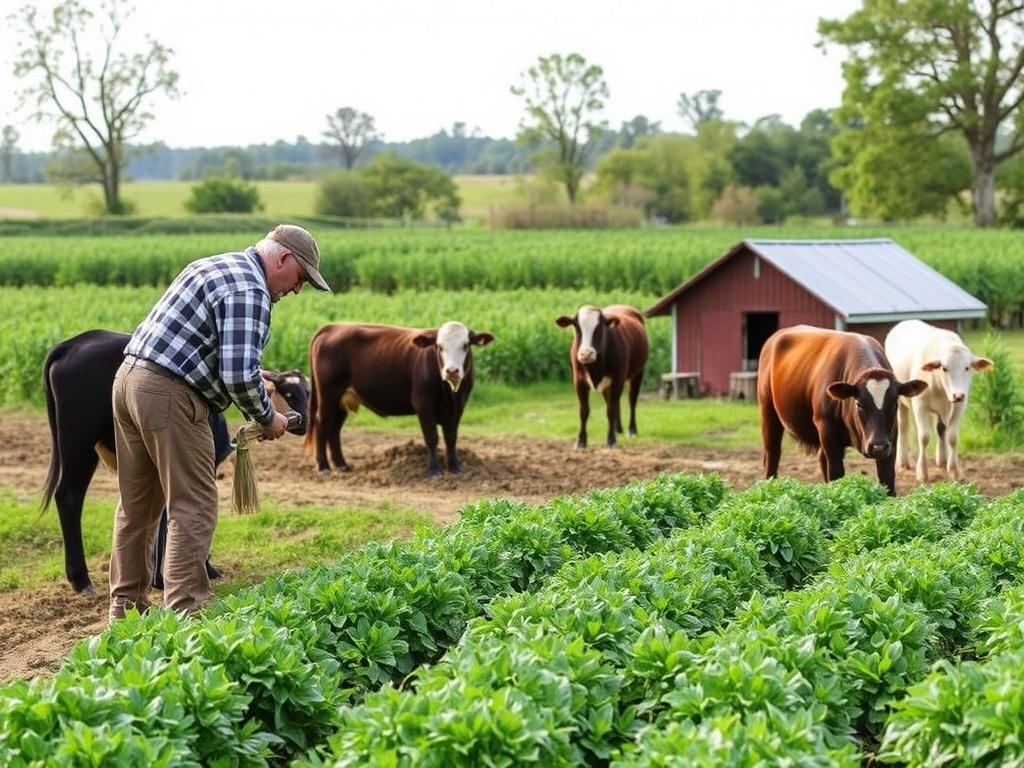
Soil pH is a simple number with complex consequences, and few garden chores reward attention as directly as getting it right. Understanding and Improving Soil pH for Optimal Growth starts with learning what pH actually measures, how it affects nutrients and microbes, and what practical steps you can take to nudge it where your plants will thrive.
Содержание
What soil pH is and why it matters
pH is a scale from 0 to 14 that describes how acidic or alkaline a soil is, with 7 as neutral, lower numbers acidic, and higher numbers alkaline. In soil science, pH reflects the concentration of hydrogen ions in the soil solution, but for gardeners what matters is how that concentration governs chemistry and biology in the root zone.
Different plants evolved in different soils, so their nutrient uptake and root health depend on a pH range. When pH drifts away from a crop’s preferred window, essential nutrients become less available or toxic elements increase, and growth suffers even when water and fertilizer appear adequate.
The science in plain English
Think of pH as the soil’s personality: it sets the mood of the neighborhood where roots, microbes, and minerals interact. A slightly acidic soil might release iron, manganese, and phosphorus in certain forms, while an alkaline soil locks some of those nutrients away and encourages calcium and magnesium dominance.
This chemical balancing act affects how nutrients sit on soil particles, how they dissolve into water, and how microbes transform organic matter into forms plants can use. The same amendment that feeds one plant might starve another if the pH makes nutrients insoluble or overly available.
How pH affects nutrient availability
Most plant nutrients are most available in a pH band centered around 6.0 to 7.0, but the exact sweet spot varies by crop. For example, phosphorus availability typically peaks near pH 6.5, iron becomes less available as pH rises above about 6.5, and manganese becomes more available at lower pH levels.
When a nutrient is “locked up,” it isn’t destroyed — it’s chemically bound in a form roots cannot absorb. The solution often isn’t adding more fertilizer but correcting the pH so the nutrient becomes available naturally.
pH and soil life
Soil pH shapes microbial communities. Beneficial bacteria that mineralize nitrogen tend to prefer neutral to slightly alkaline soils, while fungi can tolerate and even dominate in more acidic conditions. These microbial shifts influence nutrient cycling, disease suppression, and organic matter breakdown.
Root symbionts like mycorrhizal fungi also respond to pH, which means pH indirectly affects a plant’s ability to explore soil for water and nutrients. If your soil chemistry discourages helpful microbes, plants must work harder to get the same resources.
How to measure soil pH accurately
Accurate pH measurement begins with good sampling and choosing the right testing method for your purpose. Options range from quick home kits and electronic probes to detailed laboratory analyses that include buffer pH and lime recommendations.
Each method has trade-offs: field tests give fast feedback, while extension lab tests offer specificity and context. For most gardeners, a combination—home testing for routine checks and lab tests every few years—is sensible.
Sampling for reliable results
Collect multiple subsamples across the area you want to test and mix them in a clean bucket to form a composite sample. For lawns, take samples every 500–1,000 square feet; for small vegetable beds, combine 6–10 cores from different spots to average local variation.
Take samples from the root zone depth: usually 2–6 inches for lawns and 4–8 inches for garden beds. Avoid sampling immediately next to compost piles, fertilizer bands, or recent lime/sulfur applications that would give a misleading local reading.
Field kits, probes, and lab tests: pros and cons
Home pH kits and test strips are inexpensive and useful for quick checks, but they can be imprecise and affected by soil moisture and salts. Electronic probes offer instant digital readings but require regular calibration and maintenance to stay reliable.
Soil labs provide the most reliable numbers and often include recommendations for lime or sulfur rates and an assessment of nutrient levels and organic matter. If you’re planning major amendments or planting sensitive crops, a lab test pays for itself in saved effort and better results.
Reading the results: what the numbers mean
Reading a pH result is straightforward, but interpreting it requires context: soil texture, crop preferences, and the cation exchange capacity (CEC) of your soil. Sandy soils with low CEC will shift pH more readily than clay-rich or high-organic soils that buffer changes.
Here’s a practical guide to common pH ranges and what they imply for gardeners and growers.
Soil pH range
General description
Implications for plants
Below 5.5
Very acidic
Possible aluminum/manganese toxicity; many nutrients limited; favors acid-loving plants
5.5–6.5
Moderately acidic
Good availability for many nutrients; suitable for most vegetables and many ornamentals
6.5–7.5
Neutral to slightly alkaline
Optimal for many crops; phosphorus and most micronutrients available
Above 7.5
Moderately to strongly alkaline
Iron, manganese, and phosphorus may become unavailable; some plants show chlorosis
pH, CEC, and how quickly changes stick
Cation exchange capacity is a soil’s capacity to hold positively charged ions like calcium, magnesium, potassium, and hydrogen. Soils high in clay and organic matter have higher CEC and resist pH swings, whereas sandy soils with low CEC change pH more easily after amendments.
That means amendment strategies differ by soil type: sandy soils may need smaller, more frequent adjustments; heavier soils will need larger initial applications but will hold the change longer. Always match your plan to the soil’s texture and organic content.
How to change soil pH: practical methods
Changing pH is rarely instantaneous; it’s a process that depends on the amendment used, soil texture, season, and initial pH. Two broad strategies exist: acidifying alkaline soils and liming acidic soils.
Below are the most common amendments, how they work, and what to expect from each.
Lowering pH (acidifying soils)
Elemental sulfur is a common and reliable amendment to lower pH. Soil bacteria convert sulfur to sulfuric acid over weeks to months, so the effect is gradual; warm, moist conditions speed the change while cold, dry soils slow it.
Organic materials such as pine needles, peat moss, and composted leaves can help acidify soil slowly and improve structure. Ammonium-based fertilizers acidify soil as they are nitrified, but they are best used carefully because they also add nitrogen and can burn plants if overapplied.
Raising pH (liming and alternatives)
Liming is the standard method to raise pH; agricultural lime (calcium carbonate) and dolomitic lime (contains magnesium carbonate) neutralize acidity and add calcium or magnesium to the soil. The coarser the lime particles, the slower they act but the longer-lasting the effect.
Wood ash raises pH quickly because it contains soluble carbonates, but it also supplies potassium and trace elements, so apply it conservatively and only when tests justify it. Avoid ash near acid-loving plants like blueberries and rhododendrons.
Amendment
Typical use
Speed of action
Notes
Elemental sulfur
Lower pH
Slow (weeks to months)
Biological conversion required; effective in warm conditions
Aluminum sulfate
Lower pH quickly
Fast
Can be toxic in excess; short-term solution for small areas
Calcitic lime
Raise pH, add calcium
Moderate to slow
Good for most soils; check Mg levels
Dolomitic lime
Raise pH, add magnesium
Moderate to slow
Best when soil tests show low Mg
Wood ash
Raise pH quickly
Fast
Use sparingly; increases soluble salts
Organic matter (peat, compost)
Slow, modest shifts and buffering
Slow
Improves structure and CEC; pH effect variable
Application timing, rates, and safety
Timing and rate guidance depend on the amendment and the desired change. Sulfur and lime should generally be applied months before planting if possible, as they take time to react and reach a new equilibrium.
Never apply large amounts of lime or sulfur without a soil test and a clear plan; overapplication can create nutrient imbalances and stress plants. When in doubt, apply half the recommended rate and retest in a season to see how the soil responded.
How much and how often — rules of thumb and cautions
Safe rule-of-thumb advice is slippery because soils vary, but a conservative approach works well: small, incremental adjustments with retesting. For lawns, many extension services recommend treating 1,000 square feet at a time and avoiding blanket heavy applications without testing.
If you must use rough rates, keep them moderate and local: for lime, common homeowner recommendations range from a few hundred to a couple thousand pounds per acre (or roughly 5–10 pounds per 100 square feet) depending on soil type and the pH change needed. For sulfur, homeowner rates are often a small fraction of lime rates because sulfur is more potent per pound in its acidifying capacity.
Particle size, incorporation, and seasonality
Finer amendments react faster because of their greater surface area, but they also require careful handling to avoid overcorrection. Incorporating amendments into the root zone improves contact and reduces the time needed for adjustment.
Apply lime or sulfur in the fall when possible so winter and spring weather can help distribute and react with the soil. For established beds or lawns, top-dress and water in, then retest in the following season to track progress.
Special situations
Different growing contexts—containers, raised beds, lawns, fruiting shrubs—demand tailored approaches to pH management. Containers are particularly responsive to amendments, while large fields require planning at scale and careful cost-benefit analysis.
Below are practical notes for common scenarios and crop groups that often need pH attention.
Container and raised bed soils
Pots and raised beds have limited buffering capacity, so their pH can swing quickly with fertilizer, water, and amendments. Use a well-formulated potting mix as your starting point and test it annually, especially for long-term containers with woody plants.
If pH drifts, correct it gradually. For acid-loving plants in containers, use ericaceous compost or acidifying fertilizers; for alkalinity, small amounts of lime dusted into the mix can help, but re-potting with a corrected mix is often the simplest route.
Lawns, vegetables, and acid-loving plants
Lawns generally prefer slightly acidic to neutral pH; cool-season grasses like Kentucky bluegrass and tall fescue do well near pH 6.0–7.0. A neutral lawn yields better turf color and reduced fertilizer waste, so many homeowners lime to raise pH into that range.
Vegetable gardens typically perform best in the 6.0–7.0 band where phosphorus and micronutrients are available. Acid-loving ornamentals such as blueberries, azaleas, and rhododendrons need a more acidic soil (often 4.5–5.5), so create dedicated beds with appropriate amendments and mulches.
Large-scale agriculture and environmental considerations
On farms, pH management is a balance of soil science, crop economics, and environmental stewardship. Over-liming or excessive sulfur use can change runoff chemistry and affect downstream ecosystems, so extension guidance and nutrient management plans are important for scale operations.
Buffer strips, cover crops, and reduced-tillage practices also play a role in pH stability by protecting topsoil and maintaining organic matter. Working with a local agronomist or soil scientist helps tailor recommendations for production goals and regional conditions.
Troubleshooting common pH-related problems
Gardeners often encounter symptoms such as yellowing leaves, stunted growth, or poor fruit set and immediately suspect pH. While pH is a frequent culprit, careful diagnosis prevents unnecessary or harmful corrections.
Below are common symptoms, what they might mean, and practical steps for diagnosis and remedy.
Chlorosis and nutrient lock-up
Interveinal chlorosis—yellow leaves with green veins—is a classic sign of iron deficiency, often caused by high soil pH rather than lack of iron in the soil. Lowering pH or using chelated iron sprays can help, but long-term correction of soil pH is preferable for persistent problems.
Phosphorus deficiency can masquerade as poor vigor or darkened foliage and is common in very acidic or very alkaline soils. Before adding more phosphorus, check pH and adjust it into the crop’s preferred range so the existing phosphorus becomes available.
When pH isn’t the problem
Not all yellow leaves or poor growth are pH-related; pests, diseases, compaction, and improper watering often produce similar symptoms. Run a systematic checklist: test moisture levels, inspect for insects and root health, and review recent fertilizer applications.
Soil tests that include nutrient levels and organic matter, along with pH, give the best picture of what’s wrong. Sometimes adding compost and improving drainage fixes issues faster than chasing a small pH tweak.
Long-term pH management and maintenance
Soil pH is part of a living system, and long-term health comes from steady, informed management rather than quick fixes. The goal is stability tailored to your plants: avoid wild swings by making small adjustments, keeping records, and testing periodically.
Practical maintenance mixes preventative steps with responsive measures to keep your soil chemistry working for you year after year.
Preventing swings and stabilizing your soil
Adding organic matter annually—compost, well-rotted manure, or cover crops—buffers pH and increases CEC, making the soil more forgiving to changes. Mulches protect the surface, reduce erosion, and slowly contribute to steady pH over time.
Manage fertilizer choices to avoid unintended pH drift. For example, repeated use of ammonium-based fertilizers will acidify soil over the long term, while nitrate-based fertilizers have a different effect on soil chemistry.
Record-keeping and working with local extension
Keep a simple log of tests, amendment types and rates, and crop responses; over seasons you’ll see patterns and learn what works for your site. Local extension services and soil labs offer region-specific advice that accounts for local soils, climate, and crop preferences.
When in doubt about rates or large-scale changes, consult an extension specialist. They can recommend test-certified labs, suggest precise amendment rates, and help you avoid common pitfalls.
Practical plans for gardeners with different needs
Different gardeners have different constraints: time, budget, soil type, and crop choices. Here are realistic plans for small home gardens, container growers, and those managing larger landscapes.
These plans prioritize testing, incremental change, and cost-effective amendments so you get measurable improvements without unnecessary expense.
Small home garden plan
Test your soil in early spring or fall. If pH is mildly off, add organic matter and consider small lime or sulfur applications based on lab recommendations rather than guessing.
Re-test after one season and adjust half the recommended rate if changes are still needed. For sensitive crops, create separate, tailored beds rather than trying to change the entire yard.
Container gardener plan
Start with a commercial potting mix that matches your plant needs—acid mix for ericaceous plants, balanced mix for most vegetables. Test container media annually because fertilizer salts and water chemistry can shift pH faster than in ground soil.
If pH drifts, repot with fresh mix or top-dress and leach pots thoroughly to remove excess salts. Avoid heavy-handed lime or sulfur in containers; small, controlled changes work best.
Landscape and lawn plan
For lawns and large beds, divide the area into management zones based on soil tests and plant types. Apply lime or sulfur only where tests indicate a need, and do so at conservative rates with follow-up testing in 6–12 months.
Integrate routine organic matter additions and select fertilizers that align with long-term pH goals to prevent recurring imbalances. For persistent problems over large areas, consult professionals for a soil amendment strategy tailored to your region and turf species.
Real-world examples and lessons learned
I once inherited a backyard where half the vegetable bed produced lush lettuce and the other half stubbornly failed despite identical watering and fertilizer. A simple soil test revealed a pH split—one side acidic from years of organic mulch, the other neutral but compacted and low in organic matter.
We amended the neutral side with compost and a small sulfur application, then retested the following spring. Growth evened out and the difference in harvests disappeared, showing that measured adjustments beat random inputs.
Another season I tried sulfur on a small blueberry patch to lower pH quickly and impatiently added a second dose; the plants showed leaf tip scorch and slowed growth. After consulting extension, we flushed the soil, added compost, and paced our treatments—proving that restraint and testing matter when you’re dealing with living systems.
Final practical checklist
Start with a soil test, sample the root zone and mix subsamples for a representative result. Use lab tests for major amendments and keep home kits for seasonal checks and quick diagnostics.
Match amendments to both pH goals and soil type: sandy soils need gentler, more frequent tweaks; heavy soils accept larger, less frequent corrections. Keep records, retest regularly, and favor modest changes over dramatic ones.
Remember that pH management is part chemistry, part biology, and part common sense. Treat the soil as a partner: feed it organic matter, listen to test results, and adjust with patience. The payoff is tangible—healthier roots, more efficient fertilizer use, and plants that grow closer to their potential.