Fences and related infrastructure do more than mark property lines; they shape how we live in a place, how water flows, how animals move, and how neighborhoods feel. A well-built boundary blends practicality with durability, resisting weather and use while staying straightforward to repair. This article walks through the planning, building, and upkeep steps that keep fences and the infrastructure around them healthy and long-lived.
Think of a fence as a small network of systems: posts, rails, fasteners, gate hardware, and the ground itself. Each part has to perform well on its own and together, so a single weak element shouldn’t compromise the whole. I’ll share principles, hands-on tips, and real examples that help you design for longevity rather than quick fixes.
Whether you’re installing a cozy backyard picket, restoring a weather-worn farm boundary, or designing urban street fencing, the fundamentals are the same: know your site, pick materials for the conditions, and adopt a predictable maintenance rhythm. With a little planning up front, the routine work that follows becomes manageable and even satisfying.
Содержание
Why fences and infrastructure matter
Fences influence safety, privacy, and property value, but they also affect environmental functions—shade, windbreaks, and wildlife corridors. Durability reduces waste and resource use; a fence that lasts decades is better than one replaced every few years. Recognizing these broader roles changes how we approach construction and maintenance.
Neglected infrastructure—drainage, gates, retaining features—turns small problems into expensive failures. A post rotting at ground level, a gate that drags, or soil erosion at a fence line creates a chain reaction that escalates repair costs. Addressing those root causes is more economical and less disruptive than repeatedly patching symptoms.
The social side matters, too: fences define shared spaces, influence neighbor relations, and often sit under local codes and easement agreements. Building with respect for legal boundaries and aesthetic context prevents disputes and fosters neighborhood stability. Good fences work in their environment, legally and socially.
Planning and setting clear goals
Start by asking what the fence must accomplish: security, containment, privacy, or aesthetics. Prioritize those functions because they will guide material choice, height, visibility, and gate configuration. Clear priorities shorten decision time and reduce the temptation to overbuild or under-specify components.
Budget realistically for both construction and long-term maintenance. Some materials are cheaper upfront but carry higher lifetime costs. Include a reserve for routine maintenance and unexpected repairs so the project remains sustainable rather than a recurring financial headache.
Consider phasing if your property or finances require it. You can prioritize critical sections—gates and heavily used access points—then expand with consistent materials and methods to keep the whole system coherent. A phased approach also lets you learn from early sections and refine techniques for later work.
Site assessment: soil, slope, and exposure
Good fences start underground. Soil type controls post behavior: sandy soils drain fast but hold less lateral load; clay can heave with moisture cycles and stress posts. Taking a handful of soil and examining texture and moisture gives immediate clues about foundation needs and the likelihood of movement.
Slope and drainage define how water moves near the fence. Water pooling against posts accelerates decay and rust; water channeling along a fence line can undermine footings or the adjacent soil. Mapping high spots and flow paths, even roughly, helps you place drainage features or choose post heights and materials that resist moisture exposure.
Exposure to sun, wind, and salt (on coastal sites) shapes material longevity. UV light degrades many finishes and causes paint and polymer fading, while wind-borne grit abrades surfaces and loosens fasteners over time. Choose finishes and anchoring methods that fit the exposure rather than assuming “one size” will do.
Design principles for resilience and repairability
Design for accessibility. Gates should swing or slide clear without dragging; fasteners should be reachable for replacement; posts should be replaceable without demolishing adjacent panels. Building with standard, reversible connections reduces future labor and expense.
Keep load paths simple and direct. A fence that transfers loads—wind, animal, soil—to well-designed posts and footings will outlast one where rails and panels take the stress. Avoid complicated, decorative connections that add failure points without structural benefit.
Design for moisture control. Use cap rails, drip edges, or slight offsets to prevent water settling on horizontal surfaces. Separate dissimilar materials where corrosion can accelerate—wood against untreated metal, for example—and specify protective coatings where contact is unavoidable.
Materials at a glance
Material
Strengths
Weaknesses
Typical lifespan
Cedar/Redwood
Rot-resistant, attractive, natural oils
Costly, can check/split, needs sealing
15–30 years with maintenance
Pressure-treated lumber
Affordable, widely available
Chemicals, faster checking if dry, hardware corrosion
20–25 years with proper design
Galvanized steel
High strength, narrow profiles
Corrosion over time if coating damaged
30+ years depending on coating
Aluminum
Resists corrosion, lightweight, low maintenance
Lower strength than steel, can dent
20–40 years
Vinyl (PVC)
Low maintenance, consistent look
UV degradation, brittle in cold, can warp
20–30 years
Chain link
Economical, durable, secure
Limited aesthetics, rust in low-quality finishes
20–40 years with coatings
Material choice depends on site demands and the look you want. In my experience replacing a stretch of fence along a salt-sprayed coastal lane, switching from standard galvanized posts to marine-grade aluminum eliminated persistent rust problems and reduced annual touch-ups. The higher initial cost paid back in lower maintenance.
Fasteners and coatings matter as much as primary materials. Stainless steel or hot-dipped galvanized screws and bolts have different costs but vastly different longevities in corrosive environments. Match the fastener to the material and the exposure for predictable performance.
Foundations and post installation
Post performance drives fence longevity. Use footings sized for the load: taller fences and wind-exposed sites require deeper and often wider footings. Concrete footings are standard, but dry-set systems with gravel and compacted soil can work well where drainage matters and frost heave is minimal.
Embedment depth should account for frost lines and lateral loads. A good rule of thumb is one-third of post length below grade for common fences, but local frost and wind conditions can force deeper settings. Where frost heave is a risk, extend footings below the frost line or use insulation and drainage to mitigate movement.
Consider post sleeves or post anchors for certain conditions. Steel sleeves on timber posts or concrete-insert anchors reduce wood-soil contact and extend service life. They also simplify future post replacement because the sleeve remains as a stable template for a new post.
Drainage, grade control, and erosion prevention
Water is the silent fence killer. Design grading to move water away from posts and vulnerable junctions rather than toward them. Even a gentle slope and a handful of gravel can keep moisture from pooling at post bases.
Install swales, French drains, or perforated pipe where concentrated flows cross fence lines. In my yard, placing a narrow French drain along a low stretch of fence prevented recurring rot and saved two posts that had previously required replacement every few years.
Use retaining techniques on sloped sites to prevent soil loss from undermining footings. Small retaining walls, vegetative cover, or terraced beds stabilize the slope and reduce lateral pressure on the fence over time. Choosing the right mix of hardscape and planting gives both stability and visual appeal.
Gates, latches, and hardware that last
Gates are the busiest parts of a fence and require special attention. Pay for heavy-duty hinges and adjustable hardware to preserve alignment as frames settle. A cheap latch can turn a functional gate into a daily frustration.
Design gates with stainless steel fasteners if they’re near salt or a sprinkler line. Regular lubrication and periodic tightening prevent sag, and framing with diagonal bracing resists racking. For high-traffic entries, consider self-closing hinges and threshold reinforcement to reduce wear.
Routine maintenance: a practical schedule
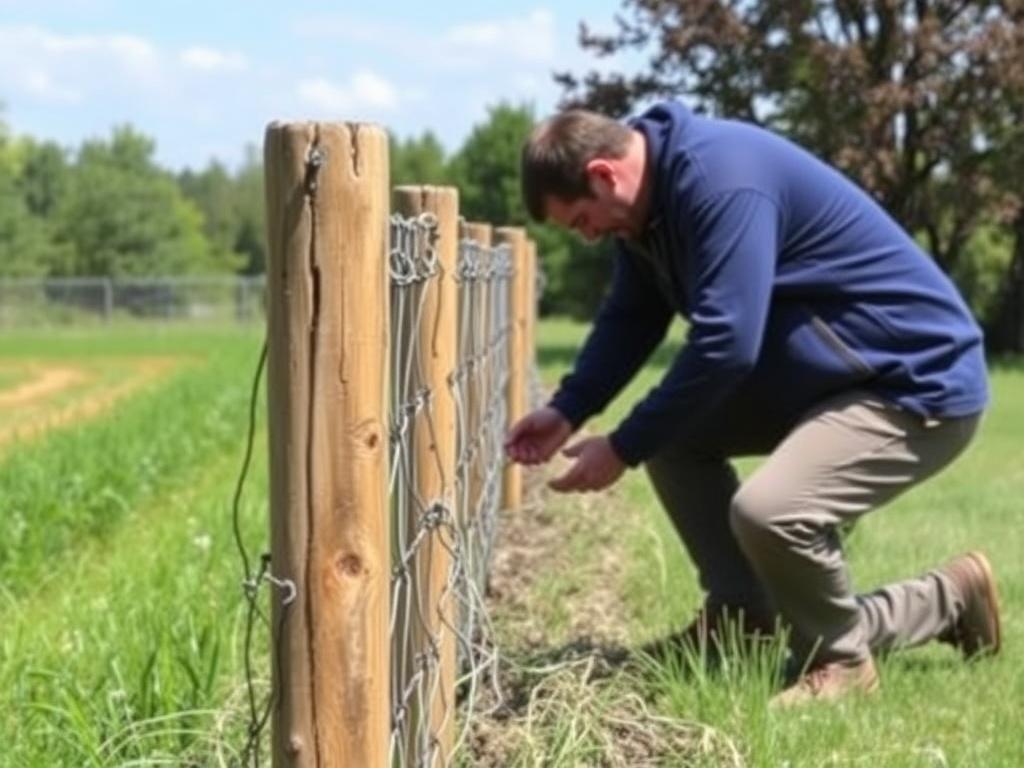
Routine inspection and small interventions prevent most large repairs. Walk the fence line twice a year—spring and fall—to look for loose fasteners, sagging rails, or signs of rot and corrosion. Early detection turns major jobs into short evenings of work.
Keep moving parts clean and lubricated. Oil hinges, tighten bolts, and replace degraded fasteners promptly. Swap a single failed latch now rather than dismantling a gate later; the time investment is small but compounds into years of extended service life.
For wood, apply protective finishes on a schedule informed by exposure. On sunny, dry sites every three to five years is common; in wetter climates, examine finishes annually. For metal, touch up coatings and remove rust as soon as it’s spotted to prevent pitting and structural loss.
Document maintenance actions in a simple log—date, action, and parts replaced. This record helps plan future budgets and can increase property value when selling, because it shows a fence that has been cared for rather than left to chance.
Inspection checklist
Check post plumb and for signs of rot or rust at the soil line.
Inspect rails and panels for cracks, splits, or loose connections.
Test gates for smooth operation and proper latch alignment.
Look for soil erosion or standing water near footings.
Examine fasteners, hinges, and hardware for corrosion or wear.
Assess protective coatings and plan touch-ups where needed.
Use the checklist during your twice-yearly walk-through and after any significant weather event. Photograph problem areas—images help track progression and support talks with contractors if you need professional help. A simple phone photo taken every year builds a clear maintenance narrative.
For rental properties or larger estates, assign inspection responsibilities and set reminders in a calendar. Delegating inspections to a trusted tenant or staff member with a clear checklist keeps minor issues from snowballing into emergencies.
Common problems and how to fix them
Rot at the post line is a frequent failure point. Address it by lifting the fence panel, cutting out the decayed portion of the post, and installing a new section with a treated splice or jack post. In many cases, wrapping the new joint with a protective flashing or sleeve prevents recurrence.
Sagging gates often come from loose hinges or racked frames. Tighten hinge brackets, replace elongated bolt holes with oversize washers or inserts, and ensure diagonal bracing is intact. For severe sag, reinstall hinges slightly higher and add a secondary support to take the weight during the repair.
Loose rails and panels usually mean fasteners have failed or the supporting post has shifted. Replace corroded screws with stainless replacements and consider secondary mechanical anchors in soft soils. When posts move, extract and reset with improved footings that control frost and drainage.
Legal, safety, and neighbor considerations
Before you build, verify property lines with a survey or title documents to avoid constructing on a neighbor’s land. Encroachment disputes are expensive and emotionally draining; an accurate survey prevents surprises. Local codes can also set height and setback limits that affect your design.
Call before you dig. Underground utilities are a serious hazard and repairing accidental hits is costly. Use local utility marking services to mark gas, electric, and cable lines and avoid needless danger and liability. Planning around utilities also prevents future conflicts when repairs become necessary.
Consider access for emergency services and sightlines at driveways. Local regulations sometimes restrict fence heights near corners and driveways to preserve visibility. Designing gates and fence sections with safety in mind protects both residents and passersby.
Sustainability and ecological thinking
Choose materials with lifecycle impacts in mind. Reclaimed wood, sustainably harvested lumber, and recycled metal reduce environmental footprints compared with short-lived plastics. A longer-lasting fence generally has a smaller lifetime impact than a cheap one replaced frequently.
Design fences to respect wildlife movement where possible. Permeable sections, small gaps near the ground, or designated wildlife passes allow small animals to move without compromising your primary function. These small design choices reduce unintended ecological impacts while keeping your property secure.
Use local materials when practical. Transport costs and embodied energy matter at scale; sourcing nearby not only supports the local economy but reduces the carbon footprint of your project. When using concrete, specify mixes with supplementary cementitious materials to lower emissions.
Budgeting, lifecycle costs, and value engineering
Think beyond upfront price. Compare initial costs with expected maintenance, likely replacement intervals, and the value of aesthetics to potential buyers. A mid-range fence with low maintenance can be less expensive over 20 years than a cheap fence with high upkeep demands.
Set aside a maintenance reserve—typically 1–3% of installation cost annually—so routine tasks and small repairs don’t derail household budgets. This predictable allocation makes it easier to schedule professional inspections or replacement parts without financial strain.
When value engineering, preserve structural essentials and trim non-structural finish items if needed. Sacrificing critical anchoring, higher-grade fasteners, or proper drainage to save money usually increases lifetime cost. Reduce aesthetics or accessory items before compromising core performance.
Tools, skills, and when to call a pro
A modest set of tools—post hole digger, levels, tamp, drill, impact driver, and a good saw—handles most residential jobs. Learning how to dig a square or round footing with consistent depth and how to plumb a post are skills that pay back in fewer callbacks and better outcomes.
Hire professionals for large spans, retaining-wall interfaces, or when structural engineering is involved. A trained installer or engineer can size posts, specify reinforcement, and design connections for wind loads and soil conditions in ways that save money and risk over the long term. Knowing when to invest in expertise is part of smart stewardship.
Emerging technologies and monitoring
Sensor technologies and smart gates are making fence infrastructure easier to maintain. Motion sensors, solar-powered gate openers with diagnostics, and remote monitoring of environmental conditions can alert owners to problems before they become emergencies. These systems are most useful on larger properties where daily inspection is impractical.
Non-destructive testing—like ultrasonic thickness checks on metal components or moisture meters in wood—gives objective information that supports targeted repairs. I’ve used moisture meters on older posts to confirm which ones needed immediate replacement versus those that could be deferred to the next maintenance cycle, saving time and cost.
Appearance, landscaping, and community fit
A fence should complement the landscape and neighborhood character. Clashing styles or materials often spark complaints, while a thoughtful choice of color, texture, and plantings reduces visual impact and adds value. Consider trellising, flowering shrubs, or vines that provide screening without hiding structural components from inspection.
Work with neighbors when fences straddle shared boundaries. Coordinated designs and cost-sharing arrangements reduce conflicts and increase the likelihood that the fence will be maintained consistently on both sides. Open, early conversations about materials and responsibilities keep relationships civil and projects moving forward.
Personal experience: a backyard rebuild
When we rebuilt my family’s backyard fence after a storm, we prioritized post protection and drainage rather than simply replacing boards. We used post sleeves, gravel bases, and slightly raised bottom rails to keep wood clear of damp soil. The difference was immediate: no more fuzzy post bottoms after winter.
We also learned to standardize on a single fastener type and keep spares on site. After the first few months of tightening and replacing a few screws, the maintenance workload dropped dramatically. That upfront attention to details—matching materials and keeping replacements simple—paid off in time and peace of mind.
Common myths and practical truths
Myth: If you paint wood, it will never rot. Truth: Paint helps, but sealing and keeping wood away from continuous moisture are more effective. Paint fails on contact with moisture, so the physical separation and good drainage remain the primary defense.
Myth: Bigger posts are always better. Truth: Oversizing without proper footings and connections can be wasteful and still fail if lateral loads aren’t distributed correctly. A correctly designed post of the right size, properly embedded and braced, outperforms a huge post poorly detailed.
Preparing for extreme weather and climate shifts
Design for extremes by choosing materials and anchoring methods that handle higher winds and heavier rainfall than historical averages. Climate shifts mean today’s norms may not hold; build some resilience by specifying a modest safety margin in footing depth and fastener strength.
Plan for rapid repair after storms: keep a small stash of common fasteners, hinge pins, and a couple of spare panels for critical gates. Being able to secure a damaged section quickly reduces risk and prevents secondary damage to surrounding landscape and structures.
When replacement makes sense
Sometimes replacement is the best decision. If multiple posts have advanced rot, footings are undermined, or the fence alignment has been lost to repeated settling, a full replacement may be more economical than piecemeal repairs. Evaluate the remaining life of each component honestly and factor in labor costs for patching versus replacement.
Consider replacement as an opportunity to improve details: upgrade to better coatings, adjust post depth for frost, or reconfigure gates for safer access. The replacement should correct systemic problems, not just recreate the old fence in a worn location.
Final thoughts and putting plans into action
Healthy fences and infrastructure come from a blend of thoughtful design, sensible material choices, and a small, regular maintenance habit. Plan for the site conditions, respect legal boundaries, and invest in the details that prevent deterioration. These decisions turn a line on a map into a durable, serviceable asset.
Start small if needed: fix a recurring sag, add drainage in a problem spot, and keep a log of actions. Over time those small investments compound into a resilient fence line that performs reliably and looks cared for. With steady attention, your fence will reward you with years of service and far fewer surprises.