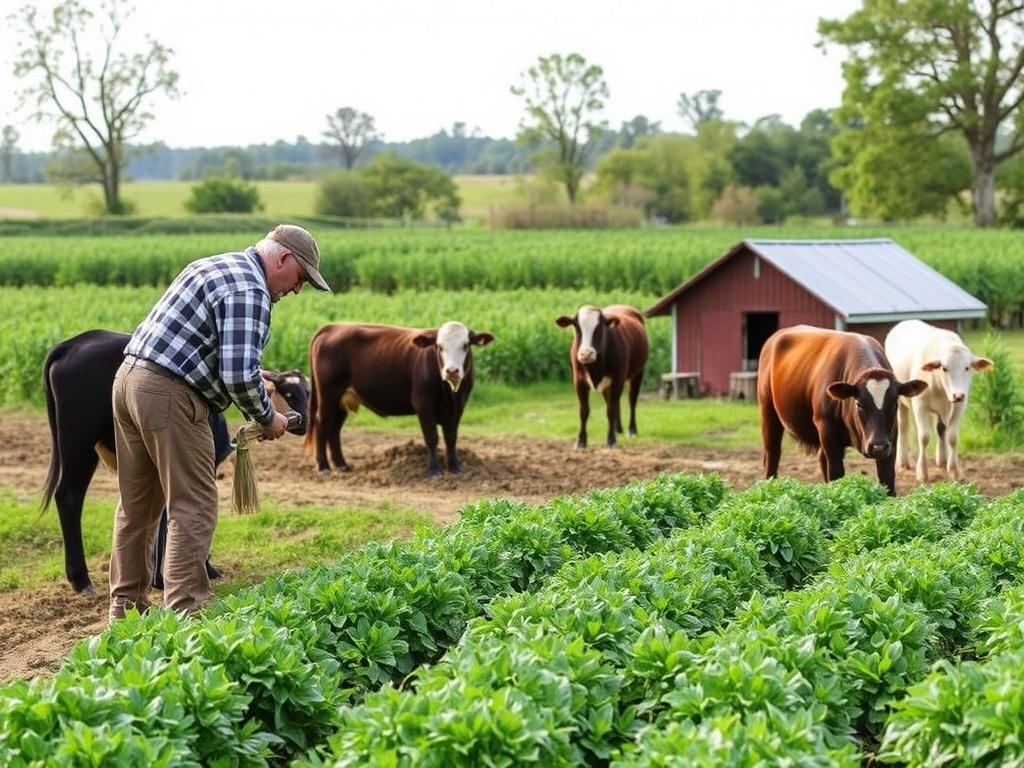
Weeds are more than a nuisance; they’re signals. When a patch of ground teems with unwanted plants, it’s telling you something about soil, moisture, disturbance, and gaps in the cover of desirable species. This article walks through practical, non-chemical approaches you can use alone or combined to keep weeds in check while improving soil health, aesthetics, and biodiversity.
Содержание
Why move away from constant herbicide use?
Herbicides offer quick results, and that convenience explains their popularity. But routine reliance erodes long-term resilience: weeds adapt, soil biology shifts, and non-target plants and animals can suffer unintended harm.
There are also legal and community considerations. Local regulations, neighbor concerns, or proximity to water bodies often limit pesticide use, and homeowners associations sometimes encourage more sustainable practices.
Finally, the economics and ethics matter. Reduced chemical use can lower input costs over time, support pollinators and beneficial insects, and align with a stewardship mindset that many gardeners and growers share.
Know your enemy: weeds as plants and ecosystems
Not all weeds behave the same. Annuals like pigweed or crabgrass live fast and seed heavily, while perennials such as Canada thistle or bindweed persist via roots and rhizomes. Management that ignores these life histories wastes effort.
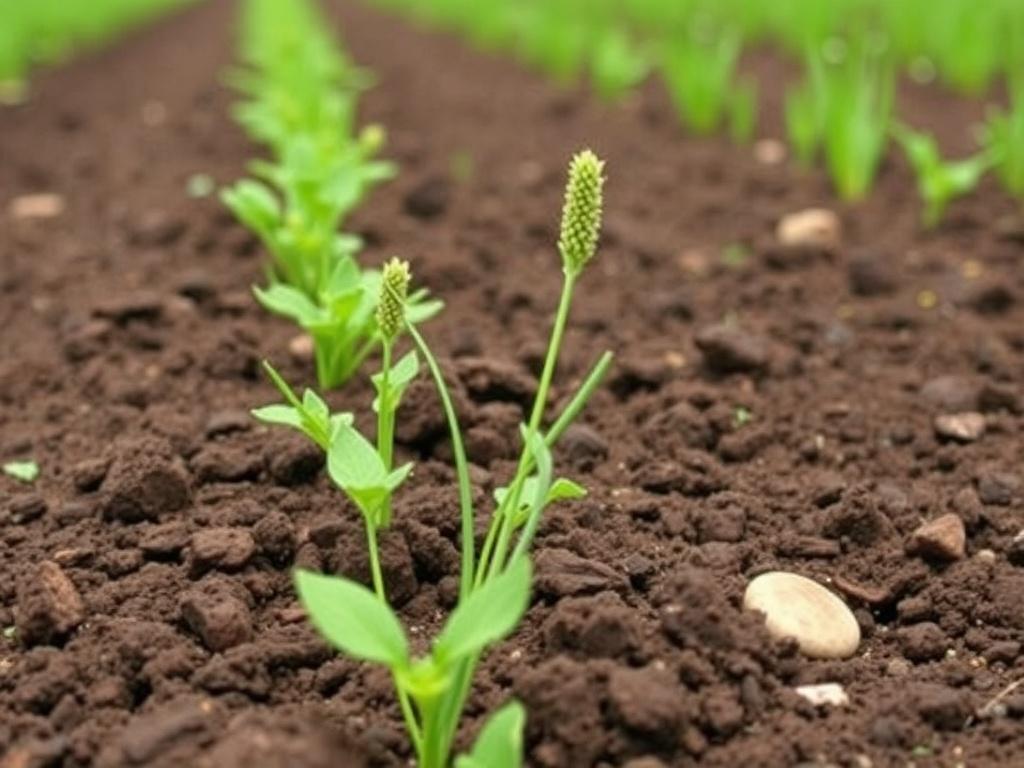
Weeds exploit specific niches: compacted paths, nutrient imbalances, bare soil after disturbance, or thin turf. Observing where and when weeds appear is the first step toward targeted control.
When you view a weed patch as an ecosystem component, you start asking better questions: What disturbed this area? Which desirable plants will thrive here? How can I change cover or soil conditions to favor the plants I want?
Prevent weeds before they appear
Prevention is the highest-return tactic and it begins with keeping ground covered. Mulches, living groundcovers, and well-designed planting schemes deny weeds the light and open soil they need to germinate and grow.
Use clean, weed-free amendments and seed mixes. Introducing weed seeds from contaminated compost, straw, or poorly cleaned tools is an avoidable mistake that undermines months or years of effort.
Water and fertility management also prevent weeds. Targeted irrigation favors desired plants and discourages opportunistic species that thrive in the damp patches of neglected beds.
Apply 2–4 inches of organic mulch in beds to suppress seedlings.
Establish dense plantings or groundcovers to prevent bare soil.
Use drip irrigation to water roots, not pathways where weeds germinate.
Mechanical and physical tactics that actually work
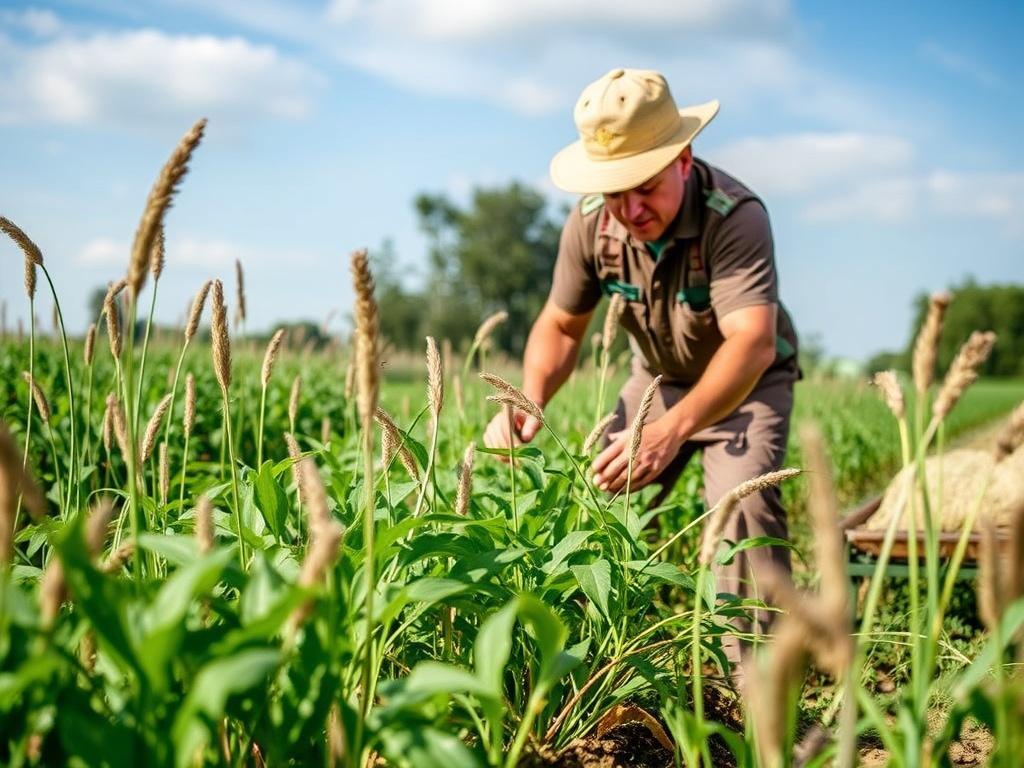
Mechanical control remains one of the most reliable non-chemical methods. Hand-weeding, hoeing, and mowing are straightforward but most effective when timed to catch plants before they set seed.
Hoeing severs seedlings at or below the soil surface; push hoes work well for shallow-rooted annuals, while collinear hoes can be more precise in tight rows. Frequent, light cultivation is generally better than deep, infrequent tillage that brings dormant seeds to the surface.
Other physical methods include solarization—covering bare soil with clear plastic in the hot months to bake weed seeds—and steaming or scalding in high-value beds. Flame weeding can be effective on seedlings but requires training, permits in some areas, and great care to avoid fires.
Cultural and landscape strategies for long-term control
Landscape design largely determines how much weeding you will need. Group plants by water and light needs and use masses of low-maintenance perennials or native grasses to occupy space where weeds would emerge.
Planting density matters. A tightly planted border fills in quickly and leaves less room for weeds, while mulch or rock paths reduce the need for constant edge maintenance.
For lawns, consider alternatives such as clover mixes, native grass blends, or hardscaping in high-traffic areas. Lawns are one of the most labor- and input-intensive landscapes; rethinking their role often pays off in reduced weed pressure and lower maintenance.
Soil health: the subtle, high-leverage tool
Healthy soil supports vigorous desired plants that outcompete weeds. That means balancing organic matter, improving structure, and nurturing microbial life so roots are strong and growth is consistent.
Compost, cover crops, and reduced tillage all build soil. Cover crops like cereal rye, buckwheat, and clover suppress weeds by shading the soil and by outcompeting seedlings for nutrients and water.
Soil testing guides fertility amendments rather than guesses. Over-fertilizing often favors fast-growing weeds; targeted nutrient programs support long-term competition from perennials and crops you want to keep.
Biological and living controls
Biocontrol means using natural enemies of weeds, from insects to grazing animals, to reduce populations. Some specialized insects target invasive thistles or knapweeds, and municipal programs sometimes release such agents after careful study.
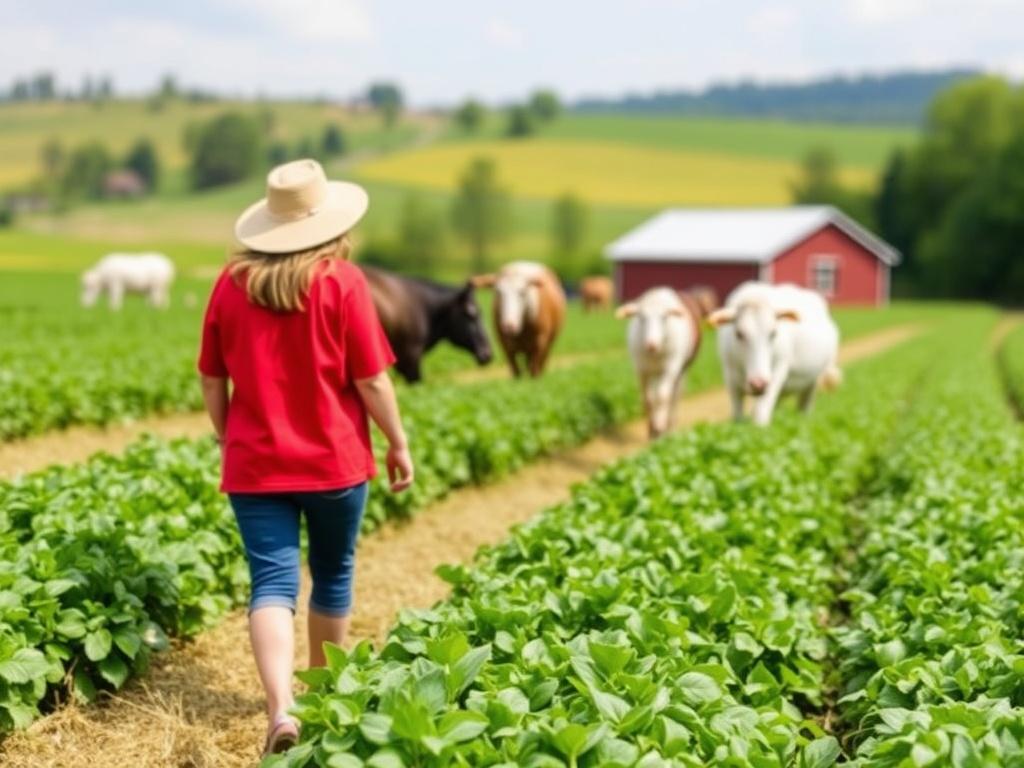
Grazing can be highly effective at scale. Goats, for example, mow and browse a wide range of species and can clear heavy brush and invasive vines without machinery. Fencing, rotation, and management are necessary to protect desirable plants.
At smaller scales, encouraging a healthy community of pollinators and predatory insects increases ecosystem resilience. I’ve seen groundcovers establish faster in beds with active soil life, likely because the system cycles nutrients more effectively and denies transient weeds the edge.
Organic and non-chemical products: what actually works and when
There are non-selective organic products—acetic acid (horticultural vinegar), citric acid formulations, and soaps—that will burn back green tissue. They can be useful when applied to young seedlings or in cracks, but they rarely kill well-established perennials because roots remain intact.
Corn gluten meal has a reputation as a pre-emergent in lawns and can reduce some seed germination, but results are inconsistent and timing is critical. It won’t control weeds already present and requires multiple yearly applications for best effect.
Other home remedies—like boiling water—work for localized problems on patios and driveways but must be used carefully to avoid injuring nearby desirable plants. Remember, «organic» does not mean harmless; concentrated vinegar is caustic, and even soap can harm soil life if overused.
Integrated weed management: making informed decisions
Integrated Weed Management (IWM) combines tactics to get consistent results. Instead of a single silver bullet, use a sequence: prevention, cultural measures, targeted mechanical control, and selective spot treatments only when needed.
Monitoring and decision thresholds help avoid unnecessary interventions. For annual weeds in a vegetable bed, for instance, removing plants before flowering prevents the seed bank from swelling; for perennial weeds, repeated root interruption over seasons may be the better strategy.
IWM is adaptive. Keep records of what works where, and test changes on small scales before rolling out broad shifts in practice. Over time, a tailored mix of measures reduces labor and increases effectiveness.
One farmer I know reduced herbicide use by alternating cover crops, targeted tillage, and crop rotations; within three years she had fewer patches of perennials and better yields from reduced weed competition.
Tools, equipment, and safety
Good tools make non-chemical weed control practical and less painful. A sturdy hori-hori, a stirrup or collinear hoe, a hori-hoe for lines, and ergonomic hand tools save time and reduce strain when used properly.
For larger areas, consider mulch layers, flame weeding units for pre-plant seedbeds, or a walk-behind brush mower. Renting specialized equipment can be more economical than buying if use is infrequent.
Essential hand tools: hori-hori, hand fork, weeding knife, gloves with good dexterity.
Medium-scale: shakable seeders, wheel hoes, mulching blowers for beds.
Large-scale: roller crimpers for cover crops, tine cultivators, flail mowers for brush.
Perennial weeds demand patience and repeated action. Rhizome-forming plants like quackgrass respond poorly to single interventions; the goal is to deplete root reserves through repeated mowing, careful tillage timing, or shading with cover crops.
For bindweed and field horsetail, digging often spreads fragments and makes the problem worse. Starlight persistence comes from blocking light. Repeated cover cropping and allowing a vigorous crop to shade the area will reduce their vigor over time.
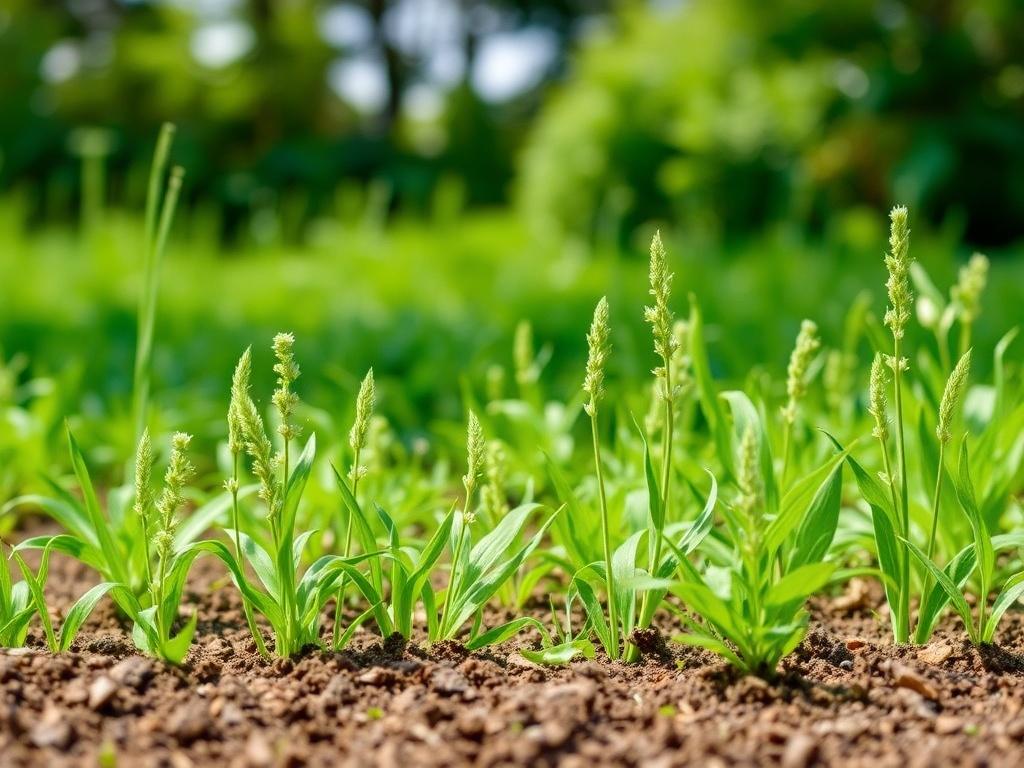
Annual weeds are easier: remove before seed set, mulch, and cultivate shallowly. A weeding routine timed around the phenology of key species—when they germinate or before they flower—keeps the seed bank from growing.
Case studies and real-life examples
In my first summer cultivating a tired backyard plot, I tried repeated rototilling and broad-spectrum herbicide to «clean up» the ground. It looked tidy for a month, then came back worse. I switched to a year of cover cropping, adding buckwheat for fast suppression and later sorghum-sudangrass to build organic matter, and by the second year the weed profile shifted from aggressive annuals to a manageable mix of perennials.
A community garden in my city uses a buddy system: volunteers rotate weekly weeding duties and maintain laminated maps that mark persistent problem spots. Their secret is consistency—twice-weekly checks during the growing season keep seedlings from ever maturing and bedding plants gain a competitive edge.
On a small organic farm I consult with, the manager replaced a monocrop of summer squash with alternating strips of cover crop and cash crop. Using roller-crimping, she suppressed weeds mechanically before planting and reduced herbicide inputs to a single emergency spot-treatment over three seasons.
Comparing methods: pros and cons
Different approaches bring different trade-offs. The table below summarizes key advantages and drawbacks to help you weigh choices for a given situation.
Creating a realistic multi-year weed management plan
A plan begins with mapping problem areas and identifying species. Take a walk with a notepad or phone and mark hot spots such as compacted paths, annual weed flats, and invasive perennial clusters.
Set short-, medium-, and long-term goals. Short-term tasks might be to remove seed heads this season; medium goals might involve establishing cover crops next year; long-term aims could include replacing a high-maintenance lawn with meadow or hardscape.
Schedule actions by season and assign responsibilities. A simple multi-year plan reduces reactionary decisions and helps you measure progress rather than just responding to crises.
Costs, labor, and sustainability trade-offs
Non-chemical strategies often shift costs from materials to labor and time. For small yards, that trade-off is manageable and often desirable. For large acreages, initial investments in equipment or planned rotational grazing may be necessary to keep labor reasonable.
Consider life-cycle costs. Regular mulching or improved soil may reduce long-term maintenance and input bills. Conversely, repeated short-term fixes without a system-level change tend to consume time without lasting gains.
Community resources can help: tool libraries, cooperative equipment rentals, and volunteer programs reduce both financial and labor burdens while building local capacity for sustainable practices.
Seasonal calendar and practical schedule
Timing is everything in weed control. Spring is generally the time to stop annual seedlings from establishing; midsummer can be ideal for solarization and mowing to weaken perennials; fall is prime for deep-rooted perennial work when plants translocate carbohydrates to roots.
Spring: scout, remove annuals before seed set, seed cover crops where appropriate.
Summer: apply mulches, use solarization or flame weeding for hard surfaces, mow or graze perennials repeatedly.
Fall: plant overwintering cover crops, begin perennial suppression programs, repair soil and plan next year’s rotations.
Regular monthly checks during the growing season are a small time investment that pays off exponentially by stopping many problems before they grow roots—literally.
Practical tips, mistakes to avoid, and final resources
Start small and be realistic. Transforming a weed-prone bed into a low-maintenance display often takes two to three seasons of concerted work. Quick fixes rarely deliver lasting results.
Avoid spreading weed fragments. Tillage, poorly cleaned tools, and moving contaminated mulch are common ways people unintentionally propagate perennials and invasive species across properties.
Keep an eye on edges and transition zones. Weeds love boundaries where management intensity changes; addressing borders with mulches, groundcovers, or hardscaping reduces cross-contamination.
For further reading, consult extension services, university publications, and local master gardener programs for species-specific guidance and regionally appropriate cover crop recommendations. Combining observation, patient repeated action, and carefully chosen tools will make your landscape far less hospitable to weeds and far more rewarding to manage.